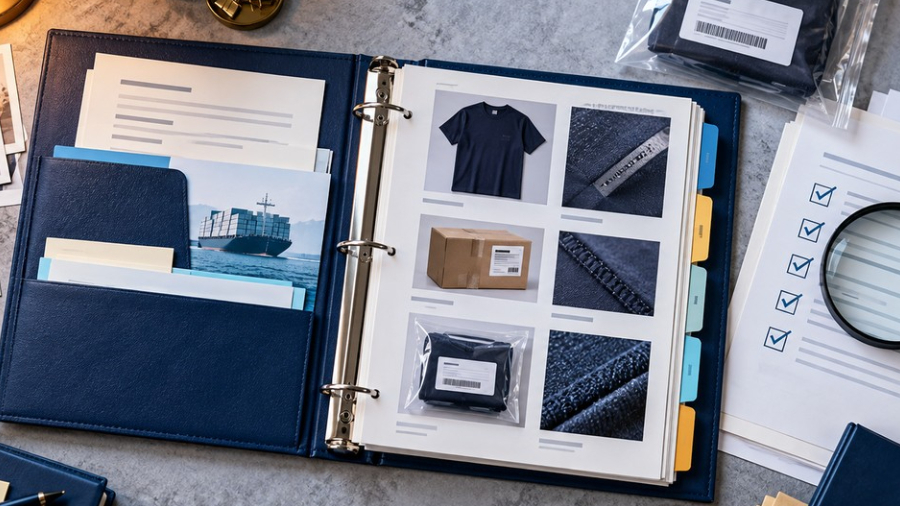
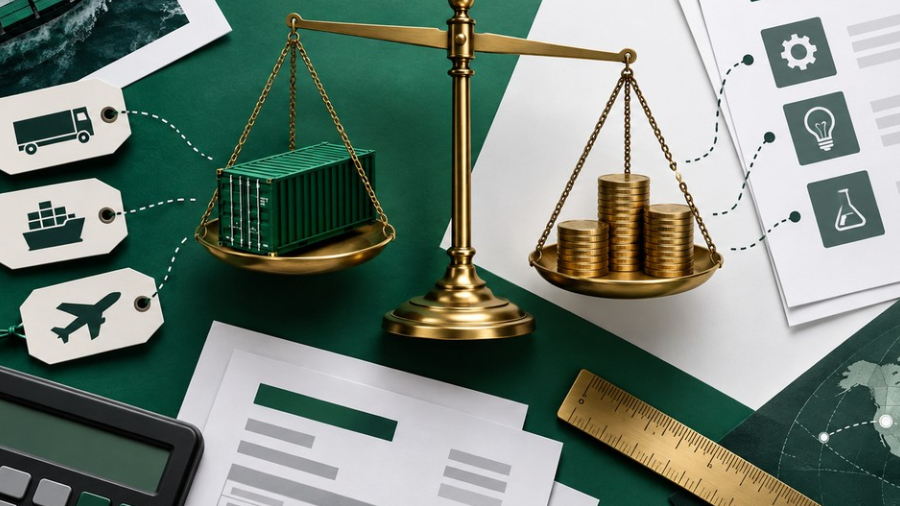
In international trade, understanding shipping terms is essential for managing costs, responsibilities, and logistics planning. One of the most basic yet widely used trade terms is EXW (Ex Works). Many importers search for what is exw shipping because it defines a shipping arrangement where the buyer takes on nearly all responsibility from the supplier's location.
EXW shipping is commonly used in global export logistics when buyers want full control over transportation and customs processes. However, it also places significant responsibility on the buyer, making it important to fully understand how it works before agreeing to this term.
This guide explains what is exw shipping, how EXW Incoterms work, who is responsible for each stage of the process, and how businesses can manage risks and costs effectively.
What Is EXW Shipping?
EXW (Ex Works) is one of the official exw incoterms used in international trade agreements. Under EXW terms, the seller makes the goods available at their premises, such as a factory, warehouse, or production site. From that point onward, the buyer is responsible for all transportation and export procedures.
When asking what is exw shipping, the simplest explanation is: the seller prepares the goods, and the buyer handles everything else.
This includes pickup from seller location, domestic transport, export customs clearance, international freight, import customs clearance, import duties and taxes, and final delivery.
EXW is often considered the term with the highest buyer responsibility in international shipping. It is commonly used when buyers want maximum control over logistics or when sellers prefer minimal involvement in export procedures.
However, EXW requires strong logistics coordination from the buyer side, especially for international export compliance and freight arrangements. Importers who need support can work with an experienced China freight forwarder.
How EXW Shipping Works in Practice
To fully understand what is exw shipping, it is important to break down the operational process step by step.
Step 1: Goods Ready at Supplier Location
The seller prepares the goods and makes them available at their facility. The seller is not required to load the goods onto transport vehicles unless agreed separately.
Step 2: Buyer Arranges Pickup
The buyer must arrange transportation from the supplier's location. This includes hiring a local truck or freight agent.
Step 3: Export Procedures Handled by Buyer
Under EXW, the buyer is responsible for export documentation and clearance in the origin country.
Step 4: International Transportation
The buyer selects and pays for international freight such as air, sea, rail, or express shipping. For large container shipments, many buyers compare FCL shipping options.
Step 5: Import Clearance and Delivery
At destination, the buyer also handles customs clearance, import duties, and final delivery.
This structure makes EXW one of the most buyer-controlled trade terms in global logistics.
EXW Incoterms Explained
EXW is part of the official Incoterms rules used worldwide to standardize trade agreements. In exw incoterms, responsibility is clearly defined at the point of origin.
Key characteristics include seller responsibility ending at factory or warehouse, buyer assuming full logistics control, no obligation for seller to load goods, no export clearance obligation for seller in most cases, and buyer managing the full export logistics chain.
This makes EXW very different from other trade terms like FOB or DDP, where responsibility is more balanced or seller-heavy.
In international trade, EXW is often used for experienced importers who already have strong logistics networks or freight forwarding partners. Buyers can also review how to get a freight forwarder in China before choosing EXW terms.
Key Responsibilities Under EXW Shipping
Understanding what is exw shipping requires knowing how responsibilities are divided.
Seller Responsibilities
Prepare goods
Package products
Make goods available at agreed location
Provide basic commercial documents
Buyer Responsibilities
Pickup from seller
Arrange trucking and inland transport
Handle export customs clearance
Pay for international freight
Manage import customs clearance
Pay import duties and taxes
Handle final delivery
This makes EXW the most extensive buyer-controlled shipping arrangement in global export logistics.
EXW vs Other Trade Terms
To better understand EXW, it helps to compare it with other common trade terms.
EXW vs FOB
FOB requires the seller to deliver goods to the port and load them onto the vessel, while EXW ends responsibility at the factory. For comparison, see what is FOB price.
EXW vs CIF
CIF includes shipping and insurance costs, while EXW includes only goods at origin.
EXW vs DDP
DDP places maximum responsibility on the seller, including delivery and import duties, while EXW places maximum responsibility on the buyer. This is the opposite of Incoterms DDP.
Compared to other terms, EXW offers the highest level of control but also the highest operational responsibility for buyers.
Cost Structure of EXW Shipping
When evaluating what is exw shipping, cost structure is a key factor.
EXW pricing typically includes product manufacturing cost, factory packaging, and optional loading fees if negotiated separately.
However, EXW does not include domestic transportation, export clearance, international freight, insurance, import duties and taxes, or final delivery costs.
Because of this structure, EXW may appear cheaper at first but often requires additional logistics expenses that buyers must calculate separately. A full cost plan should include customs clearance and duties, freight, inland delivery, and possible delay charges.
Proper cost planning is essential to avoid unexpected charges in export logistics. Buyers can also request an instant freight quote to compare total shipping options before confirming an EXW order.
Advantages of EXW Shipping
Maximum Buyer Control
Buyers manage the entire logistics chain from origin to destination.
Flexible Freight Options
Buyers can choose their own shipping providers and routes.
Simple Seller Responsibility
Sellers only need to prepare goods at their facility.
Useful for Experienced Importers
EXW is ideal for buyers with strong logistics knowledge.
In what is exw shipping, control and flexibility are the main advantages.
Disadvantages of EXW Shipping
Despite its flexibility, EXW also has limitations.
High Buyer Responsibility
Buyers must handle every stage of shipping, including export procedures.
Complex Export Logistics
Export clearance in a foreign country can be challenging for inexperienced buyers.
Risk of Miscommunication
If pickup and documentation are not well coordinated, delays can occur.
Hidden Cost Complexity
Initial product price may not reflect total landed cost.
Understanding these risks is essential before choosing EXW terms.
EXW Shipping Process Challenges
EXW can create challenges in real-world logistics operations.
Export Clearance Issues
In many countries, export procedures require local knowledge and documentation accuracy.
Pickup Coordination
Arranging transport from supplier location may require local agents. Reliable trucking services can help coordinate factory pickup and inland delivery.
Customs Documentation
Incorrect documentation can delay shipment or increase costs. Importers shipping to the United States should prepare accurate customs documentation for shipping to USA.
Freight Arrangement Complexity
Buyers must coordinate multiple logistics providers across different countries.
These challenges highlight why EXW is better suited for experienced importers.
Real Example: Small Importer Using EXW
A small business orders products from an overseas supplier using EXW terms. The supplier prepares goods at the factory, but all logistics are handled by the buyer.
The buyer hires a local truck to collect goods, arranges export clearance through a freight forwarder, books international shipping, and manages customs at destination.
Although EXW gives flexibility, the buyer must coordinate every step of the logistics chain.
Real Example: Freight Forwarder Support
An importer uses EXW but works with a freight forwarder to simplify operations. The forwarder arranges pickup, export clearance, and shipping coordination.
This reduces complexity for the buyer while maintaining EXW cost advantages.
Real Example: Cost Miscalculation
A buyer agrees to EXW pricing but does not account for export clearance and inland transport. After shipment begins, additional costs appear for pickup, documentation, and customs handling.
This shows why understanding what is exw shipping is essential before signing agreements.
When to Use EXW Shipping
EXW is suitable when the buyer has strong logistics experience, a freight forwarder is available, full control over shipping is required, or the supplier offers only factory-level delivery.
Buyers should avoid EXW if they are unfamiliar with export logistics or customs procedures.
Best Practices for EXW Shipping
To use EXW effectively, businesses should confirm total logistics costs before purchase, work with reliable freight partners, understand export customs requirements, plan pickup and delivery in advance, and avoid underestimating hidden costs.
Since EXW buyers control the freight process, they should also monitor market changes such as freight price volatility and compare route options carefully.
Proper planning helps reduce risks in EXW shipping arrangements.
Conclusion
Understanding what is exw shipping is essential for businesses involved in global trade. EXW is a trade term where the seller's responsibility ends at their premises, and the buyer takes full control of logistics, including export, freight, and import processes.
While EXW offers flexibility and control, it also requires strong logistics knowledge and coordination. Businesses that use EXW effectively often rely on experienced freight partners and careful cost planning.
By understanding EXW Incoterms clearly, importers can make better shipping decisions, manage risks, and optimize their global supply chain strategy.
FAQ
1. What is EXW shipping in simple terms?
EXW means the seller only provides goods at their location, and the buyer handles all transportation and customs processes.
2. Who is responsible for export under EXW?
The buyer is usually responsible for export clearance and all logistics after pickup.
3. Is EXW good for beginners?
No, EXW is more suitable for experienced importers with logistics support because it requires full responsibility for shipping and customs.
 English
 Deutsch
 Português
 العربية
 中文
中文


 25 Sep