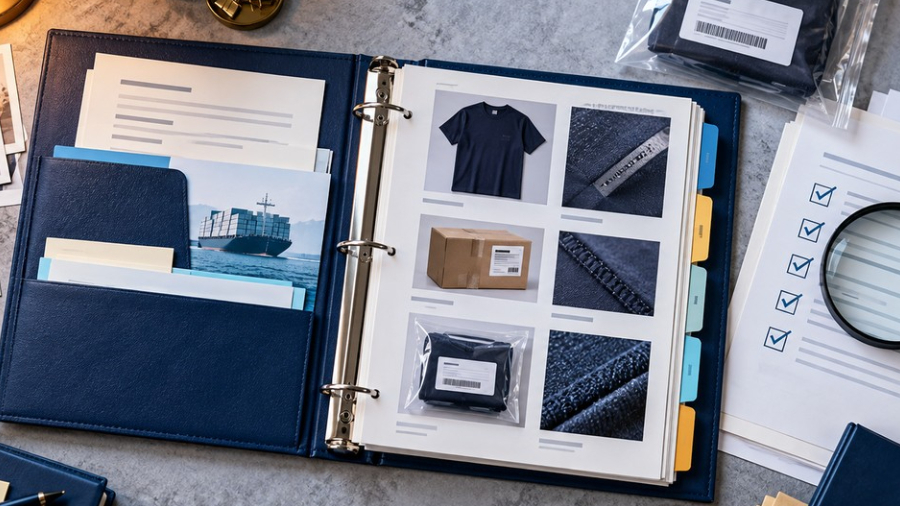
Finding the right freight forwarder is one of the most important steps when importing goods from China. A supplier may produce high-quality products, but if the shipping process is poorly managed, the importer may face delays, unexpected costs, damaged cargo, or customs problems. This is why many buyers want to know how to get a freight forwarder in china before placing larger orders.
A freight forwarder helps coordinate cargo pickup, warehousing, export documents, cargo booking, freight support, customs processes, and delivery planning. The right logistics partner can help importers compare shipping methods, control freight costs, and reduce risk throughout the international shipping process.
This guide explains how to get a freight forwarder in china, what to check before choosing one, what information to prepare, and how to build a reliable working relationship for long-term import success.
Why You Need a Freight Forwarder in China
Importing from China often involves several parties, including suppliers, warehouses, export agents, shipping carriers, customs representatives, and destination delivery providers. Managing all of these steps alone can be difficult, especially for small and medium-sized importers.
A China freight company can simplify the process by acting as the main coordinator between the buyer, supplier, and shipping network. Instead of contacting multiple providers separately, the importer can work with one logistics partner to manage the entire shipment.
A freight forwarder in China can help with:
Supplier pickup
Cargo consolidation
Warehouse storage
Export documentation
Cargo booking
Sea freight
Air freight
Rail freight
Express shipping
Customs coordination
Shipping updates
Delivery planning
This support is especially useful when buying from multiple suppliers. For example, if you order goods from three factories in different cities, the freight forwarder can collect the cargo, consolidate it in one warehouse, and ship it together. This can reduce costs and make tracking easier.
Understanding how to get a freight forwarder in china helps importers avoid random choices and select a partner based on service scope, communication quality, pricing transparency, and cargo experience.
Step 1: Understand Your Shipping Needs First
Before searching for a logistics partner, you need to understand your own shipment requirements. A forwarder cannot provide accurate freight support without clear cargo details.
Prepare the following information:
Product name and description
Cargo quantity
Carton count
Gross weight
Carton dimensions
Pickup address in China
Destination country and address
Preferred shipping method
Cargo ready date
Required delivery timeline
Shipping terms with supplier
Special handling needs
These details help the forwarder recommend the right shipping process. For example, small urgent goods may be suitable for air or express shipping, while large-volume cargo may be better for sea freight. If your products come from several suppliers, consolidation may be needed.
Many importers make the mistake of asking only, “How much is shipping?” without providing enough information. This usually leads to inaccurate quotes. A professional forwarder needs volume, weight, route, and service scope before giving a realistic estimate.
If you want to know how to get a freight forwarder in china, the first step is not searching for names. The first step is preparing clear shipment information so you can compare providers properly.
Step 2: Search for Potential Freight Forwarders
Once you understand your shipping needs, you can begin searching for suitable freight forwarders. There are several ways to find a China freight company.
You can search through logistics directories, trade platforms, industry networks, business referrals, supplier recommendations, or online search engines. Many importers also ask other businesses in their industry for recommendations because real shipping experience is often more reliable than advertising claims.
When searching, focus on freight forwarders that handle your shipment type. Some forwarders specialize in sea freight. Others may be stronger in air freight, express shipments, eCommerce logistics, oversized cargo, or door-to-door services.
Look for information such as:
Years of logistics experience
Main shipping methods
Service cities in China
Destination coverage
Cargo types handled
Warehouse and consolidation service
Customs support
Communication language
Response speed
Quote transparency
Avoid choosing a forwarder only because of a low price. A very low quote may exclude important charges or use slower routes. The goal is to find a logistics partner that provides clear pricing, reliable service, and practical shipping advice.
Step 3: Check Service Scope Carefully
Not every freight forwarder provides the same services. Before working with one, confirm exactly what they can handle.
Important services to check include:
Pickup from supplier
Warehouse receiving
Cargo inspection support
Cargo consolidation
Export customs declaration
Sea freight booking
Air freight booking
Rail freight service
Express shipping coordination
Destination customs clearance
Duties and tax support
Final delivery
Shipment tracking
Insurance options
Some forwarders only arrange port-to-port shipping. Others provide door-to-door support. A port-to-port service may look cheaper, but the importer may still need to arrange destination clearance and final delivery separately.
If you are new to importing, a more complete service may be easier to manage. If you already have customs support in your destination country, you may prefer more control over part of the process.
A good logistics partner should clearly explain what is included and what is excluded. If the quote is unclear, ask for a detailed breakdown before confirming cargo booking.
Step 4: Ask the Right Questions Before Choosing
Asking the right questions helps you evaluate whether a freight forwarder is professional and suitable for your business.
Useful questions include:
Can you pick up from my supplier’s location?
Do you provide warehouse consolidation?
Can you handle export customs declaration?
Which shipping methods do you recommend for my cargo?
What charges are included in the quote?
What charges are not included?
What is the estimated transit time?
How do you update shipment status?
Can you provide door-to-door service?
What documents do you need from my supplier?
How do you handle cargo delays or exceptions?
Do you have experience with my product category?
A professional forwarder should answer clearly and patiently. If the communication is vague, slow, or overly aggressive, it may be a warning sign.
When learning how to get a freight forwarder in china, communication quality is just as important as price. Shipping problems often happen because of unclear information, missing documents, or poor coordination. A forwarder with strong communication can help prevent many issues before they become expensive.
Step 5: Compare Freight Quotes Correctly
Many importers compare only the final price, but this can be misleading. Different freight quotes may include different services.
When comparing quotes, check:
Shipping method
Pickup cost
Warehouse cost
Export customs cost
Freight charge
Fuel or seasonal surcharge
Documentation fee
Destination handling
Customs clearance
Import tax payment responsibility
Final delivery
Insurance
Estimated transit time
Payment terms
For example, one quote may include pickup and export customs, while another quote may include only ocean freight. The cheaper quote may become more expensive after all extra charges are added.
Also compare service reliability. A slightly higher quote with clear communication, proper documentation support, and better tracking may be more valuable than the lowest price.
Freight cost should be reviewed as part of total landed cost, not as a separate number. Landed cost includes product cost, freight, customs fees, duties, taxes, and delivery expenses.
Sea Freight, Air Freight, Rail Freight, and Express Options
A freight forwarder in China should help you compare shipping methods based on your cargo and timeline.
Sea Freight
Sea freight is usually best for large, heavy, or non-urgent shipments. It offers lower cost per unit but longer transit time. It can be arranged as full container load or less than container load.
Sea freight is useful for:
Bulk inventory
Wholesale goods
Furniture
Building materials
Industrial cargo
Large cartons
Air Freight
Air freight is faster than sea freight but more expensive. It is suitable for urgent, lightweight, or high-value goods.
Air freight works well for:
Urgent replenishment
Product launches
Small commercial shipments
High-value cargo
Time-sensitive orders
Rail Freight
Rail freight is available on certain routes and can offer a balance between cost and speed. It is faster than sea freight in some cases and less expensive than air freight.
Rail freight may be suitable for:
Medium-volume shipments
Inland destinations
Stable supply chains
Moderate delivery timelines
Express Shipping
Express shipping is usually used for samples, documents, small parcels, and urgent lightweight shipments. It is convenient but can be expensive for larger cargo.
A good China freight company should explain the advantages and limitations of each option instead of recommending only one method.
Real-Life Example: Small Business Buying From Multiple Suppliers
A small importer purchases goods from four suppliers in China. Each supplier offers to ship separately, but the total freight cost is high. The importer contacts a freight forwarder and provides supplier addresses, carton details, and destination information.
The forwarder arranges pickup from each supplier and consolidates all goods in one warehouse. After checking the carton count and preparing export documents, the forwarder ships everything together by sea freight.
The importer saves money, receives one combined shipment, and reduces communication work. This example shows why a logistics partner can be valuable for buyers managing multiple suppliers.
Real-Life Example: Urgent Inventory Replenishment
A retailer is running low on stock and cannot wait for a full sea freight shipment. The importer asks a forwarder to compare air freight and express shipping.
After reviewing cargo weight, carton dimensions, and delivery urgency, the forwarder recommends air freight because it offers better cost efficiency for the shipment size. The cargo is picked up from the supplier, booked for air transport, cleared for export, and delivered faster than sea freight.
Although the cost is higher, the importer avoids stockouts and protects sales. This example shows how freight support can help businesses choose the right shipping method based on commercial priorities.
Real-Life Example: First-Time Importer Using Door-to-Door Service
A first-time importer has no customs experience and wants a simple shipping process. Instead of managing export and import steps separately, the importer chooses a door-to-door service.
The freight forwarder coordinates supplier pickup, cargo booking, export customs, international shipping, destination customs support, and final delivery. The importer receives clearer cost visibility and fewer operational tasks.
This example shows why complete logistics support can be helpful for new importers learning the shipping process.
Practical Tips for Working With a Freight Forwarder
Start With Accurate Cargo Details
Wrong weight or dimensions can change the quote. Ask your supplier for correct packing information before requesting freight prices.
Confirm Shipping Terms With Supplier
Make sure you know whether the supplier price includes delivery to a warehouse, port, or pickup address. This affects logistics responsibility.
Request a Written Quote
Always ask for a written quote with included and excluded charges. Avoid relying only on verbal estimates.
Check Transit Time Clearly
Ask whether the transit time starts from pickup, warehouse receipt, vessel departure, flight departure, or customs release.
Use Consolidation When Possible
If you buy from several suppliers, consolidation can reduce cost and improve cargo control.
Plan Before Peak Season
Shipping rates and capacity can change during busy periods. Book earlier when possible.
Keep Documents Consistent
Product descriptions, invoices, packing lists, carton numbers, and declared values should match.
Test With a Smaller Shipment
If working with a new forwarder, start with a smaller shipment when practical. This helps test communication and service quality.
These tips help importers build a smoother relationship with a logistics partner and avoid common shipping problems.
Common Mistakes to Avoid
Many importers make avoidable mistakes when choosing a freight forwarder.
One common mistake is choosing only the cheapest quote. Low prices may exclude pickup, customs declaration, destination fees, or delivery.
Another mistake is not confirming the service scope. If you expect door-to-door service but receive only port-to-port service, you may face extra work and costs later.
Some importers provide incomplete cargo details. This leads to inaccurate quotes and possible price changes after cargo is received.
Another mistake is failing to confirm customs responsibilities. Importers must know who handles export customs, import clearance, duties, taxes, and final delivery.
Importers should also avoid last-minute booking. Late arrangements can increase cost and reduce available shipping options.
Avoiding these mistakes is a major part of learning how to get a freight forwarder in china successfully.
How to Build a Long-Term Relationship With a Logistics Partner
A good freight forwarder can become a long-term supply chain partner. Once you find a reliable provider, it is worth building a stable working process.
Share regular shipment forecasts when possible. This helps your logistics partner prepare space, estimate rates, and plan capacity.
Provide clear supplier contacts and cargo ready dates. Good coordination reduces pickup delays.
Review each shipment after delivery. If there were delays, extra costs, or document issues, discuss improvements for the next shipment.
Keep communication organized. Use clear shipment references, supplier names, cargo details, and destination information.
A long-term logistics partner can learn your cargo type, supplier network, and delivery expectations. Over time, this can improve efficiency and reduce repeated explanations.
Conclusion
Knowing how to get a freight forwarder in china is essential for importers who want smoother shipping, better cost control, and fewer logistics problems. The right freight forwarder can help with supplier pickup, warehouse consolidation, cargo booking, export customs, freight support, shipping method comparison, and delivery planning.
Before choosing a China freight company, prepare accurate cargo details, understand your shipping needs, compare service scope, ask the right questions, and review written quotes carefully. Do not choose a logistics partner based only on the lowest price. Reliability, communication, transparency, and experience are equally important.
Whether you are shipping by sea freight, air freight, rail freight, or express service, a professional forwarder can simplify the shipping process and support long-term import success.
If your business imports from China, start by organizing your cargo details and delivery requirements. Then choose a logistics partner that can provide clear guidance, practical solutions, and dependable freight support.
FAQ
1. How do I find a freight forwarder in China?
You can find a freight forwarder through logistics directories, supplier referrals, trade networks, online search, or business recommendations. Always compare service scope, communication, and pricing transparency.
2. What information should I provide to a China freight company?
You should provide product description, carton quantity, weight, dimensions, pickup address, destination address, cargo ready date, and preferred shipping method.
3. Should I choose the cheapest freight forwarder?
Not always. The cheapest quote may exclude important charges or provide limited service. Compare total cost, included services, transit time, communication quality, and reliability.
 English
 Deutsch
 Português
 العربية
 中文
中文


 25 Sep