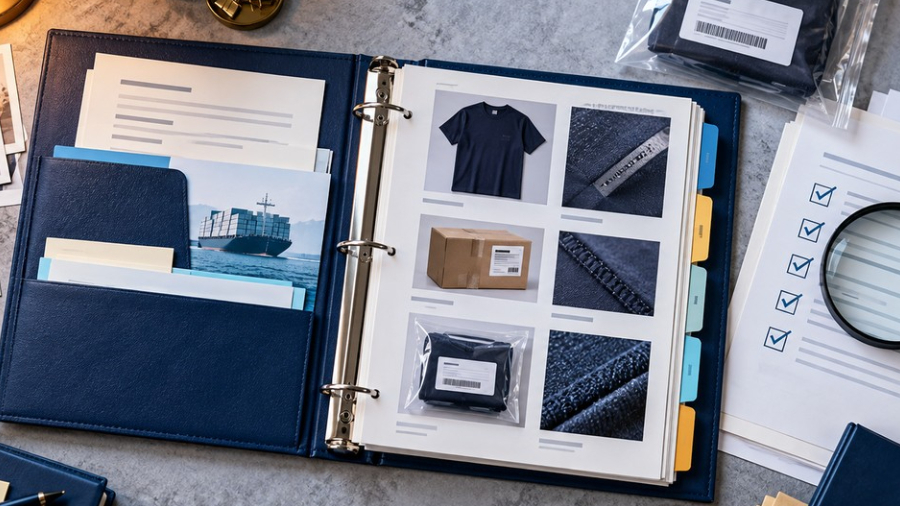
For importers, price comparison is not only about the product unit price. Shipping responsibility, export pricing, port charges, freight cost, customs clearance, duties, and final delivery can all affect the real landed cost. This is why many buyers ask: what is FOB price?
FOB price is a common pricing term in international trade. It helps define what the seller includes before the buyer takes over the main shipping responsibility. Understanding free on board pricing allows importers to compare supplier quotes more accurately, avoid hidden trade cost, and plan international freight with better control.
What is FOB Price?
So, what is FOB price? FOB stands for Free On Board. In international trade, FOB price usually means the seller’s price includes the product cost, export packing, local transportation to the origin port, export customs handling, origin port charges, and loading the goods onto the vessel.
After the goods are loaded on board, the buyer usually becomes responsible for the main freight and import-side costs. These may include ocean freight, cargo insurance, destination port charges, import customs clearance, duties, taxes, final delivery, and warehouse unloading.
In simple terms, FOB price covers the seller’s responsibility up to the agreed origin port. The buyer pays the costs after that point.
A typical FOB price may include:
Product manufacturing cost
Export packing
Supplier-side local transport
Export documents
Export customs procedures
Origin port handling
Loading onto the vessel
A typical FOB price usually does not include:
Ocean freight
Marine insurance
Destination port charges
Import customs clearance
Import duties and taxes
Final delivery
Destination warehouse fees
This is why FOB price can look lower than CIF, DDP, or door-to-door pricing. It includes fewer shipping services than a full landed cost quote. For importers, the key is to understand what is included and what must be calculated separately.
FOB is commonly used in sea freight, especially for container shipments. It gives buyers more control over international shipping because they can choose their own freight forwarder, compare freight rates, and manage import clearance directly.
Why FOB Price Matters for Importers
Understanding what is FOB price is important because it affects cost control, supplier comparison, and shipping responsibility. A buyer may receive quotes from several suppliers, but if each quote uses different trade terms, the prices cannot be compared directly.
For example, one supplier may quote EXW, another may quote FOB, and another may quote DDP. The EXW price may look cheapest because it includes fewer services. The DDP price may look highest because it includes shipping, customs, duties, taxes, and delivery. FOB sits between these options because it includes export-side responsibility but leaves main freight and import responsibility to the buyer.
FOB price matters because it helps buyers separate product cost from international logistics cost. This can be useful for importers who want to manage shipping through their own freight forwarder.
FOB also improves visibility. Instead of relying on a supplier’s bundled shipping price, the buyer can request a separate freight quote. This makes it easier to review ocean freight, destination charges, customs fees, and delivery cost.
However, FOB also requires planning. The buyer must arrange the main freight after the origin port. If the buyer does not calculate destination costs, duties, taxes, and final delivery, the total trade cost may be higher than expected.
FOB is a strong option for buyers who want control, but it requires clear freight planning.
FOB Price vs EXW, CIF, and DDP
To understand free on board pricing, it helps to compare FOB with other common incoterms.
FOB vs EXW
EXW means Ex Works. Under EXW, the seller usually makes goods available at the factory or warehouse, and the buyer handles nearly all shipping arrangements. This includes pickup, export handling, main freight, customs, and delivery.
FOB is usually easier for buyers than EXW because the seller handles origin-side export delivery to the port. The buyer takes over after vessel loading.
FOB vs CIF
CIF means Cost, Insurance, and Freight. Under CIF, the seller usually pays for ocean freight and insurance to the destination port. However, the buyer still handles import clearance, duties, taxes, and final delivery.
FOB gives the buyer more control over freight booking. CIF gives the seller more control over the main freight.
FOB vs DDP
DDP means Delivered Duty Paid. Under DDP, the seller or logistics provider usually handles shipping, customs clearance, duties, taxes, and delivery to the buyer’s destination.
DDP is more convenient for buyers, but it may provide less cost transparency. FOB gives buyers more control over shipping responsibility and import cost management.
A practical comparison:
EXW: buyer controls almost everything from supplier location
FOB: seller handles export side, buyer controls main freight and import side
CIF: seller handles freight to destination port, buyer handles import side
DDP: seller handles most delivery responsibility to destination
For importers, FOB is often a balanced option between supplier responsibility and buyer control.
What Costs Should Be Added After FOB Price?
FOB price is not the final landed cost. Importers must add all costs after the goods are loaded onto the vessel.
Common post-FOB costs include:
Ocean freight
Cargo insurance
Destination port charges
Customs broker fee
Import duties
Import taxes
Inspection fees if applicable
Storage fees if delayed
Final delivery
Warehouse unloading
Banking or document fees if applicable
For example, if the FOB product price is $10,000, the buyer may still need to add $2,000 ocean freight, $600 destination charges, $800 customs and duties, and $500 final delivery. The final landed cost would be higher than the FOB price.
This is why asking only what is FOB price is not enough. Buyers should also ask how FOB price fits into the full import cost.
A useful landed cost formula is:
FOB price + ocean freight + insurance + destination charges + customs clearance + duties + taxes + final delivery = estimated landed cost
This formula helps importers compare suppliers and avoid underestimating the real cost of importing.
Practical Guide: How to Evaluate an FOB Quote
First, confirm the named port. FOB should clearly state the origin port. A quote without a named port is incomplete because local transport and port costs vary.
Second, confirm what is included. Ask the supplier whether export packing, local delivery to port, export customs, documents, and origin port charges are included.
Third, request cargo details. You need carton quantity, gross weight, total CBM, product description, and loading schedule to get an accurate freight quote.
Fourth, compare freight separately. Ask your freight forwarder for ocean freight, destination charges, customs clearance, and delivery fees.
Fifth, calculate landed cost. Do not compare suppliers only by FOB unit price. Add post-FOB shipping costs to understand the real cost.
Sixth, check import duties and taxes. Product classification, declared value, and country of origin can affect import costs.
Seventh, confirm shipping responsibility. Under FOB, the buyer normally controls main freight after cargo is loaded on board.
Eighth, consider cargo insurance. The buyer should decide whether to insure the shipment during international transport.
Ninth, prepare documents early. Commercial invoice, packing list, and shipping instructions should match the shipment.
Tenth, compare FOB with DDP or CIF if needed. For small shipments or first-time imports, a more complete delivery quote may be easier.
Real-Life Example: FOB Price for a Small Importer
A small importer receives a FOB quote for packaged goods. The price looks attractive, but the buyer has not calculated ocean freight, customs clearance, import duties, and delivery.
After requesting a freight quote, the buyer realizes the final landed cost is higher than the FOB price by several cost items. The buyer still chooses FOB because it allows better freight control, but now the full budget is clear.
This example shows why importers should never treat FOB price as the final cost.
Real-Life Example: Comparing Two Suppliers
A buyer compares two suppliers. Supplier A offers a lower EXW price. Supplier B offers a slightly higher FOB price. At first, Supplier A looks cheaper.
After calculating pickup, export handling, and port charges, the buyer finds that Supplier B’s FOB quote is actually more practical. The seller already includes origin-side export work, reducing the buyer’s coordination burden.
This example shows why incoterms matter when comparing supplier prices.
Real-Life Example: Experienced Importer Using FOB
An experienced importer ships containers regularly. The buyer prefers FOB because it allows them to use their own freight forwarder, negotiate ocean freight, manage customs clearance, and track import costs clearly.
Over time, FOB helps the buyer improve freight planning and control landed cost.
This example shows why FOB can be a strong choice for buyers with logistics experience.
Common Mistakes to Avoid
One common mistake is thinking FOB price includes delivery to the buyer’s warehouse. It does not. FOB usually ends at the origin port once goods are loaded on the vessel.
Another mistake is comparing FOB with DDP without adding import costs. DDP includes more services, so it usually looks higher.
A third mistake is accepting a FOB quote without a named port. The port must be clearly stated.
A fourth mistake is ignoring destination charges. These can significantly affect total cost.
A fifth mistake is not preparing freight information. Without cargo dimensions and weight, accurate shipping calculations are difficult.
A sixth mistake is not checking import duties before ordering. Duties and taxes can change the final trade cost.
Conclusion
So, what is FOB price? FOB price is a free on board pricing term where the seller usually includes product cost, export packing, local delivery to the origin port, export customs handling, port charges, and loading onto the vessel. After that point, the buyer usually handles ocean freight, import customs, duties, taxes, destination charges, and final delivery.
FOB is useful for importers who want more control over shipping responsibility, freight planning, and landed cost. However, it is not the final import cost. Buyers must calculate post-FOB expenses before comparing suppliers or placing orders.
For better international trade planning, always confirm the named port, included services, cargo details, and full landed cost. A clear FOB quote can help importers make smarter purchasing decisions and avoid expensive shipping surprises.
FAQ
What is FOB price in international trade?
FOB price is the price that usually includes the product, export packing, delivery to the origin port, export customs handling, and loading onto the vessel. The buyer normally pays freight and import-side costs after that point.
Does FOB price include shipping?
FOB price usually includes shipping to the origin port and loading onto the vessel, but it does not usually include ocean freight, import customs, duties, taxes, or final delivery.
Is FOB price better than EXW?
FOB is often easier than EXW because the seller handles more origin-side work. EXW gives the buyer more responsibility from the supplier’s location.
 English
 Deutsch
 Português
 العربية
 中文
中文


 25 Sep