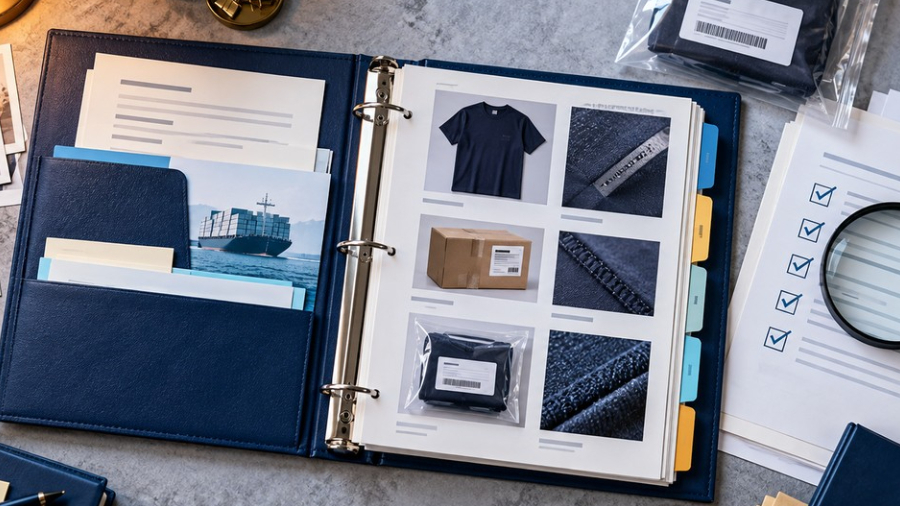
In DDP shipping, the seller is contractually responsible for import clearance and import duties, but the seller, importer of record, consignee and customs broker are not automatically the same legal entity. The destination country's customs rules decide who may lodge the entry, hold an importer number, appoint a representative, pay or recover import taxes, and retain records. Settle those roles before booking cargo—not after it reaches customs.
Quick Answer: Who Does What?
The seller carries the DDP delivery obligation under the sales contract. The importer of record is the party recognized under destination law for the import entry and related compliance duties. The consignee is the party identified to receive or take delivery of the goods. The customs broker prepares or files customs business as an authorized representative. One company may perform more than one role, but the names should never be treated as interchangeable without destination-specific confirmation.
Why DDP Creates Role Confusion
The ICC's DDP rule places the maximum Incoterms® obligation on the seller: export and import clearance, applicable import duty and taxes, carriage to the named destination, and risk until the goods are delivered ready for unloading. That is a contractual allocation between seller and buyer.
Customs status comes from law, not from typing "DDP" on a purchase order. ICC also warns that a seller unable to obtain import clearance should consider DAP or DPU. Its review of national regulatory barriers to Incoterms® 2020 notes that some countries require a local entity to carry out import formalities or payments. A commercially agreed DDP price therefore needs a legally workable importer structure behind it.
Importer of Record: A Customs Role, Not a Shipping Nickname
"Importer of record" is commonly used in U.S. trade practice, while other jurisdictions may focus on the declarant, importer, customs debtor or holder of an authorization. The exact label and liability vary. The practical question is the same: which identified legal person has the right and capacity to make the import declaration and meet the related obligations?
For U.S. formal entries, current U.S. Customs and Border Protection broker guidance explains that the importer of record is the owner or purchaser of the merchandise or, when appropriately designated, a licensed customs broker. It also states that the importer of record must use reasonable care when entering, classifying and valuing goods and providing information needed for CBP to assess duties and enforce other requirements.
In the European Union, the European Commission explains that a customs declaration is usually made by the owner of the goods or a representative acting on that person's behalf, and that these parties generally must be established in the EU. That framework is described on the Commission's customs declaration guidance. Do not copy a U.S. importer-of-record structure into an EU shipment, or vice versa, without local review.
Consignee: The Receiving Role
The consignee appears on a bill of lading, air waybill, delivery order or other transport record as the party to whom the carrier is to deliver or notify. That role helps release and route the physical cargo. It does not, by itself, prove that the consignee purchased the goods, agreed to act as importer, owns the necessary registration or accepts post-entry customs liability.
A buyer's warehouse, fulfillment centre or customer may be the consignee while a different entity is the lawful importer. Conversely, a buyer can be both consignee and importer when the commercial and legal structure supports it. The transport document, commercial invoice, broker instructions and purchase contract must identify the roles consistently.
Customs Broker: The Authorized Filing Professional
A customs broker or customs representative can classify products with supporting facts, prepare declarations, transmit entry data, communicate with customs and coordinate duty payment. The broker needs timely, complete information and valid authority from the appropriate principal.
Using a broker does not mean the importer can ignore the entry. CBP's customs broker guidance for importers says importers may choose a broker for convenience, but the importer remains ultimately responsible for knowing requirements and ensuring compliance. Other jurisdictions allocate responsibility differently, especially where direct and indirect representation have different consequences. Ask the destination broker to explain the agency model in writing.
The 12 Questions to Settle Before Booking a DDP Shipment
1. Which destination law and customs procedure apply?
Identify the import country, customs territory, port or airport, procedure and final delivery point. A free zone, bonded movement, temporary import or special procedure may change the required party, guarantee and documents.
2. Who is the seller, buyer and owner or purchaser?
Record full legal names, registered addresses and tax identifiers. Confirm the sales chain if an agent, marketplace, trading company or related party sits between manufacturer and buyer.
3. Who has the legal right to make entry?
Ask the destination broker to name the proposed importer or declarant and cite the basis for eligibility. A foreign seller should not assume that paying a DDP invoice to a logistics provider creates the legal right to import.
4. Is local establishment or registration required?
Check importer registration, tax registration, fiscal representation, EORI or equivalent numbers, business licences and product-specific registrations. Confirm the owner of every identifier; never borrow another company's number without a lawful arrangement.
5. What authorization must the broker hold?
Determine who signs the power of attorney or representation mandate, its scope, validity and record-retention rules. The authorizing party should understand whether the representative acts directly, indirectly or under another local model.
6. Who will be named as consignee?
Align the transport consignee and notify party with the release and final-delivery plan. If the consignee is not the importer, explain that difference to the carrier, broker and warehouse before documents are issued.
7. Who provides the customs bond, guarantee or security?
Some entries require a transaction bond, continuous bond, guarantee or broker account. Confirm the responsible party, coverage, limits and renewal date. A freight quotation that says "customs included" may not answer this question.
8. Who owns product admissibility and agency compliance?
Classification is only one part of import compliance. Products may need licences, testing, labelling, registration, safety documentation, intellectual-property checks or approvals from agencies other than customs. Assign an accountable party for every requirement.
9. Who approves classification, origin and customs value?
Give the broker technical descriptions, materials, use, models, sourcing facts and transaction-value components. Document who approves the HS code, origin method and valuation treatment. Use the DDP commercial invoice checklist to make the final data consistent across the invoice and packing list.
10. Who advances duties and who bears the final cost?
Under DDP, the seller bears the contract obligation to pay applicable import duties and taxes. Operationally, a broker, representative or logistics provider may advance funds. The contract should state the funding method, currency, reconciliation process, unexpected-duty approval and treatment of refunds or corrections. For the basic allocation, see who pays duty under DDP.
11. Who keeps records and handles post-entry action?
Customs work can continue after delivery. Assign responsibility for entry copies, valuation evidence, origin records, broker communications, adjustments, protests, audits, drawback or refund claims and product rulings. State retention periods based on destination law.
12. What happens if the proposed structure is rejected?
Create a stop rule and contingency before pickup. Options may include appointing an eligible representative, changing the importer with informed consent, correcting registrations, redesigning the transaction, or changing the trade term to DAP or DPU. Do not quietly name the buyer as importer after promising a fully managed DDP transaction.
A Practical Responsibility Matrix
When DDP May Be the Wrong Term
DDP is not automatically wrong when a local importer or representative is involved. It becomes risky when the seller promises DDP without the legal capability, registrations, agency authority or cost controls needed to perform import clearance. If the buyer is willing and qualified to manage import formalities, DAP may describe the transaction more accurately. The distinction is explained in the broader DDP shipping meaning guide.
Changing the Incoterm does not repair incomplete product data or an unlawful import structure. First identify the intended commercial outcome; then select the term and customs arrangement that can lawfully deliver it.
Frequently Asked Questions
Can the buyer be importer of record under DDP?
It may be legally possible in some destinations, but it can contradict the buyer's expectation that the seller will perform import clearance. The arrangement must be knowingly agreed, lawful and reflected in the price, broker authority and tax treatment. Do not nominate the buyer without consent.
Is the customs broker always the importer of record?
No. A broker commonly acts for an importer. In the United States, a properly designated licensed broker can be an importer of record in circumstances recognized by law, but hiring a broker does not automatically make that broker the importer or remove the principal's responsibilities.
Can the consignee refuse importer responsibility?
Yes. Being named to receive cargo does not by itself prove agreement or eligibility to act as importer. Obtain explicit consent and broker validation before using a consignee's identifiers or authority.
Who pays duties if a broker advances them?
The payment channel does not change the DDP cost allocation. The seller remains responsible to the buyer for applicable import duties and taxes under DDP, while the broker or agent may advance payment and recover it under a separate service agreement.
What should be confirmed before cargo pickup?
Confirm the importer or declarant, consignee, broker authority, importer and tax registrations, bond or guarantee, product admissibility, classification, origin, valuation, payment process, records owner and fallback plan. Then complete the broader DDP customs-clearance workflow.
Final Recommendation
For every DDP shipment, build a written role map before booking. Name the seller, buyer, owner or purchaser, importer or declarant, consignee, customs broker, carrier and party funding duties. Ask the destination broker to confirm eligibility, authority and data requirements. Make the commercial invoice, transport documents, customs instructions and sales contract tell the same story.
DDPexpert can help organize the transport and document workflow, but the destination broker or qualified adviser should confirm the legal importer structure for the specific country, product and transaction.
Authoritative References
 English
 Deutsch
 Português
 العربية
 中文
中文

 25 Sep