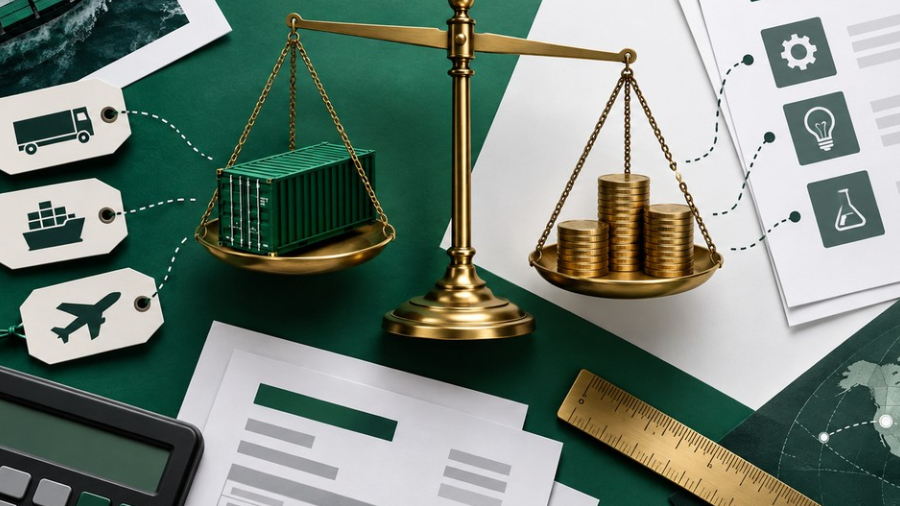
Clarity in shipping responsibilities is essential for avoiding disputes, unexpected costs, and customs delays. One of the most comprehensive trade terms used in international logistics is Delivered Duty Paid (DDP). Among all Incoterms rules, it places the highest level of responsibility on the seller, making it a powerful but complex shipping arrangement.
Understanding incoterms ddp is critical for businesses involved in importing and exporting goods across borders. It defines who is responsible for freight costs, customs clearance, import taxes, and final delivery. Unlike other shipping agreements, DDP requires the seller to handle the entire logistics chain until goods reach the buyer's final destination.
This guide explains incoterms ddp in depth, including how it works across different transport modes, what costs are included, who bears import responsibility, and how businesses can apply it effectively in real-world shipping agreements.
What Are Incoterms and Why DDP Matters
Incoterms are internationally recognized trade rules that define the responsibilities of buyers and sellers in global transactions. They clarify how costs, risks, and obligations are distributed during shipping.
Among these terms, ddp incoterms stands out as the most seller-heavy arrangement. Under Delivered Duty Paid, the seller is responsible for delivering goods to the buyer's final destination, including all import procedures and charges.
This means the seller covers export documentation and clearance, international freight transportation, insurance if agreed in the contract, import customs clearance, import duties and taxes, and final delivery to the buyer's location.
Because of this structure, incoterms ddp is often used when buyers prefer a simplified purchasing experience with minimal involvement in customs and logistics processes.
However, this convenience for buyers creates operational complexity for sellers, who must fully understand trade rules, customs regulations, and cost forecasting. For importers comparing total shipping expenses, an instant freight quote can help estimate route and delivery costs more clearly.
Core Principles of Incoterms DDP
The foundation of incoterms ddp is complete seller responsibility from origin to destination. This includes both physical logistics and legal compliance.
Seller Responsibility
The seller manages every stage of shipping, including export and import procedures.
Door-to-Door Delivery
Goods must be delivered directly to the buyer's specified location.
Import Duty Coverage
All customs duties, tariffs, and taxes are paid by the seller. This makes accurate customs clearance and duties planning essential.
Risk Transfer Point
Risk remains with the seller until final delivery is completed.
Buyer Simplicity
The buyer is not required to handle customs clearance or shipping coordination.
These principles make incoterms ddp one of the most customer-friendly trade structures but also one of the most complex for exporters.
How Incoterms DDP Works Step by Step
To fully understand incoterms ddp, it is important to examine the complete shipping workflow.
Step 1: Export Preparation
The seller prepares goods, packaging, labeling, and export documentation.
Step 2: Export Clearance
Goods are cleared for export in the origin country under local customs regulations.
Step 3: International Transportation
Cargo is shipped via air freight, sea freight, rail freight, or express service depending on the agreement.
Step 4: Import Customs Clearance
The seller is responsible for clearing goods through customs in the destination country. Accurate customs documentation for shipping to USA can reduce inspection and delay risks.
Step 5: Payment of Import Charges
All import duties, VAT, tariffs, and customs fees are paid by the seller.
Step 6: Final Delivery
Goods are delivered directly to the buyer's warehouse, office, or designated address.
This full process defines incoterms ddp as a complete end-to-end logistics solution.
DDP Across Different Transport Modes
The application of incoterms ddp varies depending on transportation method.
Air Freight DDP
Air freight is used for urgent, high-value, or lightweight shipments. Under DDP, the seller must ensure fast customs processing and accurate documentation to avoid delays.
Air freight DDP is commonly used for time-sensitive goods, e-commerce parcels, and small but valuable shipments.
Sea Freight DDP
Sea freight is the most common DDP method for bulk cargo. It is cost-efficient but involves longer transit times and more complex port handling.
Sea freight DDP is used for large commercial shipments, containerized cargo, and bulk inventory imports. For containerized shipments, FCL shipping is often the most practical option.
Rail Freight DDP
Rail freight is suitable for specific trade corridors. It offers a balance between cost and speed, especially for inland destinations connected by rail logistics networks.
Express Shipping DDP
Express DDP is widely used in cross-border e-commerce. It simplifies customs clearance and ensures fast last-mile delivery.
Each mode affects pricing, customs handling, and delivery speed under incoterms ddp.
Cost Structure of Incoterms DDP
One of the most important aspects of incoterms ddp is cost responsibility. The seller covers all expenses from origin to final delivery.
Origin Costs
Packaging and labeling
Export documentation
Warehouse handling
Local pickup charges
Transportation Costs
Air freight
Sea freight
Rail transport
Fuel surcharges
Carrier fees
Import Costs
Customs duties
Import taxes
Inspection fees
Clearance charges
Destination Costs
Final-mile delivery
Warehouse handling
Local transport
Because sellers bear full responsibility, accurate pricing is essential. Underestimating costs can result in financial loss. Businesses can compare broader cost drivers in this guide on average shipping cost from China to US.
Risk Allocation in DDP Shipping
Risk management is a key factor in incoterms ddp agreements.
The seller carries all risk until delivery is completed, including cargo damage during transport, customs delays or inspections, unexpected import charges, delivery failures, and logistics disruptions.
The buyer has minimal risk exposure but also limited control over logistics decisions.
For sellers, this requires strong insurance coverage, compliance knowledge, and reliable logistics partnerships. Importers and exporters can also review shipping risk management for importers to prepare for customs, cost, and delay risks.
Advantages of Incoterms DDP
For Buyers
Simplified import process
No customs involvement
Predictable total cost
Reduced administrative burden
For Sellers
Competitive advantage in sales
Stronger customer experience
Greater control over logistics chain
Increased market accessibility
Because of these benefits, incoterms ddp is commonly used in e-commerce and international retail markets.
Disadvantages of Incoterms DDP
Despite its benefits, DDP also presents challenges.
High Cost Responsibility
Sellers must cover all logistics and import expenses.
Complex Customs Management
Each destination country has different regulations and tax systems.
Financial Risk
Incorrect cost calculation can reduce profit margins, especially during periods of freight price volatility.
Compliance Burden
Sellers must ensure full adherence to international trade rules.
Because of these challenges, ddp incoterms is best suited for experienced exporters or companies with strong logistics networks.
Incoterms DDP vs Other Trade Terms
DDP vs EXW
EXW places responsibility on the buyer, while DDP places full responsibility on the seller.
DDP vs FOB
FOB transfers responsibility at the port of origin, while DDP covers the entire journey to destination.
DDP vs CIF
CIF includes freight and insurance but excludes import duties, while DDP includes all costs.
This makes incoterms ddp the most comprehensive shipping agreement available.
Real-World Example: E-commerce Business Model
An online retailer sells products internationally using DDP terms. Customers receive goods directly at their doorstep without dealing with customs or taxes.
The seller manages freight, pays import duties, and ensures smooth delivery. This improves customer satisfaction but requires strong logistics control.
Real-World Example: Industrial Import Operation
A manufacturing company imports raw materials using DDP. The supplier handles freight, customs clearance, and final delivery.
This allows the manufacturer to focus on production without dealing with import complexity.
Real-World Example: Urgent Air Freight Shipment
A company requires urgent components via air freight under DDP terms. The seller ensures fast customs processing and direct delivery.
Although costs are higher, speed and convenience are prioritized.
How to Apply Incoterms DDP Effectively
To use incoterms ddp successfully, businesses should calculate total landed cost accurately, understand destination customs rules, work with experienced logistics partners, confirm shipping responsibilities in contracts, include buffer cost for duties and taxes, and monitor compliance requirements.
For China-origin shipments, working with an experienced China freight forwarder can help coordinate freight, customs, documentation, and final delivery more smoothly.
Proper planning ensures smoother trade operations.
Common Mistakes in DDP Shipping
Many businesses face issues due to misunderstanding ddp incoterms:
Underestimating customs duties
Incorrect product classification
Incomplete documentation
Poor cost forecasting
Lack of destination country knowledge
These mistakes can lead to delays, penalties, or financial losses. Better visibility through real-time cargo tracking can also help businesses monitor delivery performance under DDP terms.
Conclusion
Incoterms DDP is one of the most comprehensive trade agreements in international logistics. Under incoterms ddp, the seller is responsible for the entire shipping process, including export, freight, customs clearance, import duties, and final delivery.
While it offers maximum convenience for buyers, it requires strong logistics capability, accurate financial planning, and full compliance management from sellers.
Businesses that understand and apply DDP correctly can expand global sales, improve customer satisfaction, and simplify international trade experiences.
FAQ
1. What does incoterms DDP mean?
It means Delivered Duty Paid, where the seller handles all shipping costs, customs duties, and final delivery.
2. Who pays customs duties under DDP?
The seller is responsible for paying all import duties and taxes.
3. Is DDP suitable for all businesses?
No, it is best for experienced exporters with strong logistics and customs capability.
 English
 Deutsch
 Português
 العربية
 中文
中文


 25 Sep