1. Understand Regulatory Requirements by Product Type
-
Identify regulated products: from food and cosmetics to electronics and medical items, check if your product falls under agency oversight (e.g., FDA, USDA, EPA).
-
Review import restrictions: some items may require special permits, quotas, or certificates—double-check early on.
Pro tip:
Use your supplier’s
Material Safety Data Sheets (MSDS)
and regulatory declarations upfront—they’re gold for ensuring legal import status.
2. Use Accurate Classification Codes
Getting your
HS code and HTS code
right isn't optional—it’s fundamental. These standardized codes determine applicable duties, quotas, and regulations.
-
Use official tools like the U.S. ITC HTS Search or CBP CROSS, or ask a customs broker for help.
-
Mistakes here can lead to miscalculated duties, shipments held, or even fines.
3. Verify Value, Origin, and Incoterms
-
Declared value must be accurate. Lowballing price may trigger audits; overvaluing inflates your costs.
-
Country of origin matters. Tariff rates and trade agreement benefits hinge on it.
-
Incoterms define responsibility. Make sure your contracts clarify who handles international duties, insurance, and freight at each stage.
4. Secure Proper Documentation
Make sure every shipment is accompanied by essential documents:
-
Commercial Invoice (detailed line items, value, HS/HTS, country of origin)
-
Packing List (weights, dimensions, and units per package)
-
Bill of Lading or Air Waybill
-
Certificates or permits (e.g., for plant-based goods or medical supplies)
-
Customs bond for formal entries
Missing or inconsistent documents are the fastest way to delay clearance in the
customs clearance process
.
5. Engage the Right Support
-
Hiring a customs broker isn’t a luxury—it’s a
compliance necessity
. They help ensure customs clearance services are accurate and timely.
-
If you’re new to imports, a broker can guide you on classification, regulatory requirements, and even paperwork.
Tip:
Many firms combine customs brokerage and freight forwarding within a single system—giving you seamless clearance tracking.
6. Evaluate Import Duties and Preferential Programs
-
Check duty rates: rates vary by product and country. Official tariff schedules or broker-provided guidance are key.
-
Use trade agreements wisely: Products from countries in RCEP, USMCA, or GSP may be eligible for reduced or duty-free status—if you have the correct proof of origin.
-
Track classification updates. Changes to HTS codes or new trade measures can impact your goods’ pricing overnight.
7. Monitor Compliance Through the Clearance Workflow
Your
customs clearance process
must be transparent and documented:
-
Pre-arrival entry filing with customs
-
Review and risk assessment
-
Inspection or automated release
-
Duty payment and compliance checks
-
Final clearance and delivery
Track each step, ensure your broker updates you along the way, and keep records for audits or troubleshooting.
8. Keep Accurate Records
Maintain import records for at least five years—this is not optional.
-
Retain invoices, entry summaries, bond paperwork, shipping records, communications.
-
Label all files clearly and organize by shipment or month for easy retrieval.
This makes everything easier during customs audits or regulatory reviews.
9. Conduct Regular Compliance Audits
Schedule periodic reviews—monthly or quarterly—of your import documents and processes:
-
Spot HS/HTS errors
-
Detect missed duty-saving opportunities
-
Ensure certificates and permits are up-to-date
A small upfront effort pays off when you avoid future headaches.
10. Train Your Team
Even if you use a broker, your internal team needs to understand basic import compliance:
-
Teach them to spot documents with missing info
-
Familiarize them with key compliance concepts (HTS, bonds, duty calculations)
-
Give them clear SOPs on when to escalate to legal or regulatory help
A little in-house knowledge can prevent external mistakes.
Conclusion
Proper import compliance isn’t optional—it’s essential for every importer. By methodically following this checklist—covering classification, documentation, regulatory review, duty management, and record-keeping—you'll stay legally safe and operations smooth.
Invest in solid
customs brokerage services
, stay sharp on classification tools, and choose partners (forwarders or brokers) who give you clarity throughout the
customs clearance process
.
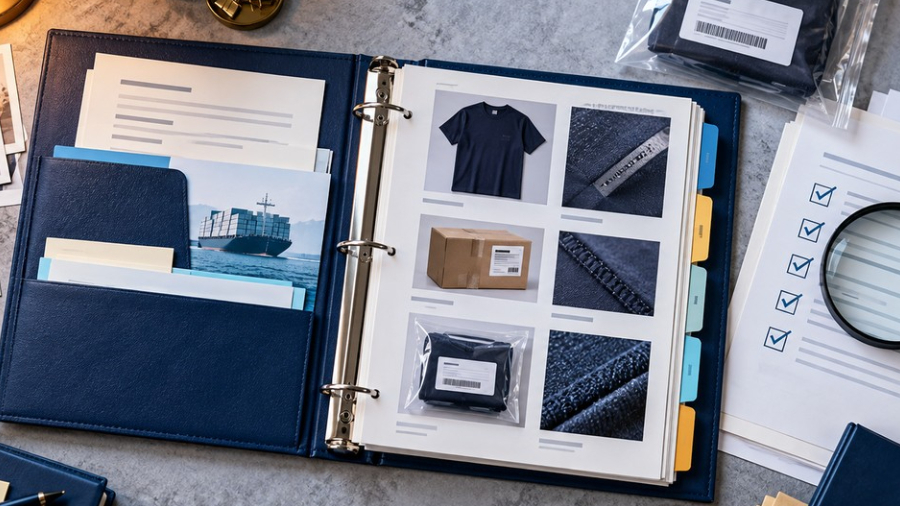
Build a Product Compliance File
Each product should have specifications, materials, intended use, classification analysis, origin support, supplier details, certificates, test reports, and labeling information. Keep purchase orders, invoices, payments, and shipping records consistent.
Pre-Shipment Compliance Review
- Confirm the importer of record and customs broker.
- Verify classification, value, and origin.
- Identify permits, testing, or labeling rules.
- Check restricted-party and intellectual-property risks.
- Review wood packaging, batteries, chemicals, and dangerous goods.
- Prepare invoice and packing list before departure.
Supplier Controls
Include compliance requirements in purchase orders and confirm who supplies evidence. Inspect labels and packaging before production is complete. A general claim that a product is compliant is not enough.
When Facts Change
Review compliance when materials, design, supplier, factory, origin, value structure, or intended use changes. Earlier classifications or certificates may no longer apply.
After Entry
Retain records, review entry data, document corrections, and track recurring issues. Post-entry review prevents the same error from affecting later shipments.
Conclusion
An import compliance checklist should connect purchasing, product development, logistics, and customs processes. Early review and organized evidence reduce holds, corrections, penalties, and unexpected costs.
 English
 Deutsch
 Português
 العربية
 中文
中文


 25 Sep