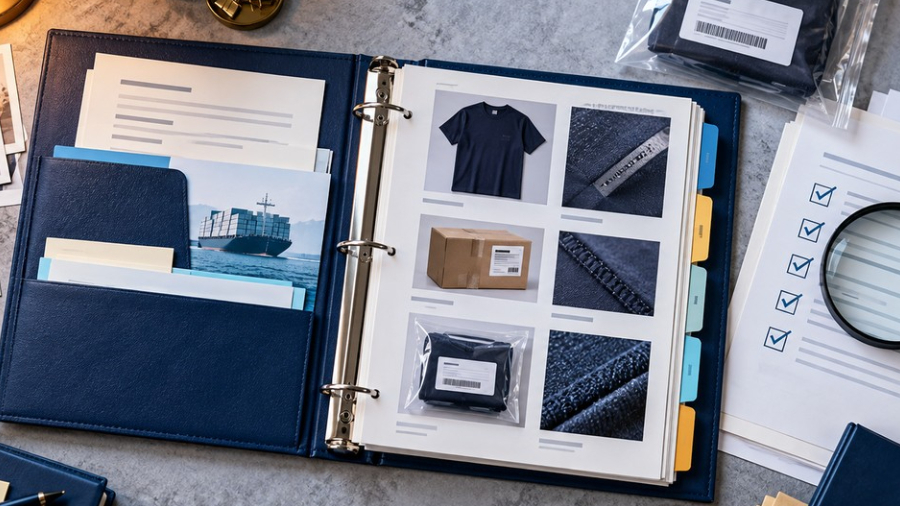
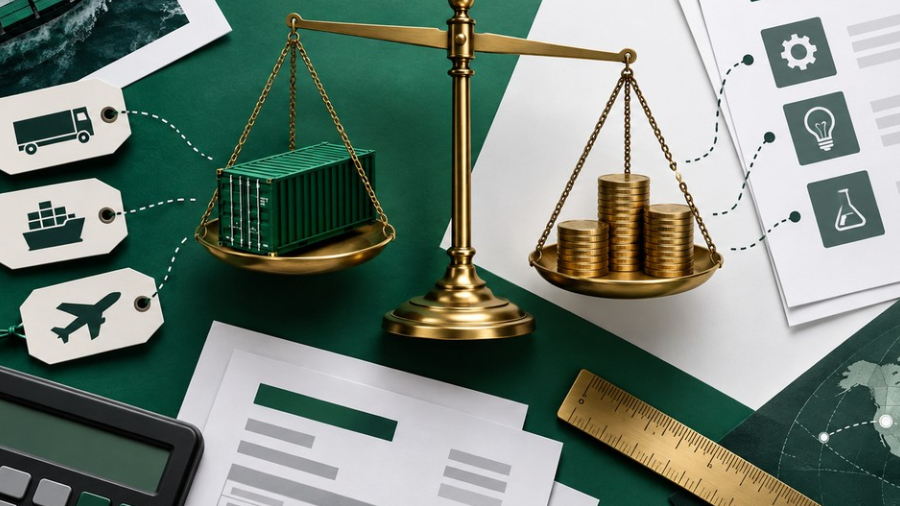
Part 1: What Are Customs Clearance Services and Their Role?
Customs clearance services entail preparation and submission of documents, payment of customs fees, and ensuring that cargo is in line with all the import and export regulations. According to the World Customs Organization (WCO), customs procedures are designed to ensure their security while keeping international trade running efficiently and securely. Similarly, the U.S. Customs and Border Security Agency (CBP) explains that all imported goods must be declared, inspected and valued before being released to importers.
In short, customs clearance services provide the following assistance to businesses:
- Reduce port and border freight delays
- Facilitate proper customs and taxation payments
- Avoid penalties due to document exclusions and deficiencies
- Increase effectiveness in responding to regulations across different countries
Without these services, transportation globally would be stressful and costly.

Part 2: What Is a Customs Broker and How They Support Clearance?
Customs carriers are licensed agents or companies with the responsibility to act on behalf of exporters and importers. Their major activities involve processing customs documents, calculating customs duties, and communicating with customs authorities. When businesses compare customs broker vs freight forwarder, the main difference is that a customs broker specializes in regulatory compliance and clearance, while a freight forwarder focuses more on the actual transportation of goods.
By utilizing customs brokers, companies get to experience:
- Expertise in trade law and customs classification
- Hassle-free procedures through proper presentation of documents
- Smooth process with customs officials
- Substitute for customs inspection and inquiries
For inexperienced companies operating in foreign trade, customs brokers are typically the safest means to obtain customs clearance.
There are different companies that offer customs clearance assistance. All categories of business contribute to efficiently handling international transportation and preventing customs troubles.
3.1 Freight Forwarders
Freight forwarders arrange transportation of goods through sea, air, and land. Customs clearance services are also provided by most vendors as bundled services. For example, ddpexpert provides professional customs service’s together with transport services. Facilitate transportation processes by providing logistics and compliance.
3.2 Licensed Customs Brokers
The authorized customs clearer is a formal customs controller cleared by the customs authority. We do everything from cargo classification to customs officials' communication. In freight shipments where complex rules are applicable, authorization clearers are the most reliable option.
3.3 Third-Party Logistics Providers (3PLs)
Some 3PL companies offer solutions that incorporate transportation, warehousing storage and customs clearance services. Companies which wish to outsource supply chain prefer 3PL since they can reduce coordination with various service providers.
Part 4: Overview of the Customs Clearance Process
The customs clearance process typically follows the following steps:
- Document preparation: Commercial letter, packing statement, bill of lading, etc.
- Customs declaration: Submit documents to customs authorities.
- Duty and tax calculation: Assessment of duties or taxes payable by customs.
- Payment of duties: Importer or agent payment.
- Inspection and release: Inspection by customs before customs clearance.
4.1 How Customs Clearance Varies Across Countries
Regulations vary across countries. For example:
- In the USA, importers have an obligation to file detailed description of product and tariff numbers.
- More safety and hygiene certificates may be required in the European Union.
- Document examination can be tighter in Asian countries such as India and China, with longer processing time in customs clearance procedures.
It is necessary to know the differences. Therefore, firms make use of customs clearance services to respond to differences internationally.
Part 5: Key Documents Required for Customs Clearance
Documents typically required for customs clearance process are:
- Commercial Invoice: Seller, buyer, and product details.
- Packing List: Details on contents, weight and packaging.
- Bill of Lading / Air Waybill: Proof of shipping and shipping contract.
- Certificate of Origin: Documenting country of manufacture of goods.
- Import/Export Licenses: Documents required for restricted products.
- Customs Declarations: Documents required by customs authorities.
The customs clearance services render the documents complete and precise, as documents have flaws and errors that cause delay in cargo.
Part 6: Common Challenges in Customs Clearance and How to Overcome Them
It is common for companies to face challenges in the custom process despite good preparation. As luck would have it, with adequate preparation and guidance from experienced customs clearance services, the majority of these challenges can be prevented. The following are the most common challenges and remedies:
1. Incomplete or Incorrect Customs Documents
One of the most common issues is the non-availability or incorrect representation of documents such as invoices, packing list and customs codes. Cargo will not be processed by customs officials without correct documents getting synchronized.
Solution: Coordinate with experienced customs clearance services, carefully examine and file documents to avoid mistakes.
2. Customs Clearance Delays
Minor errors, unpaid obligations and unclear product information also cause delays. This can lead to cargo being kept at the border or port for several days.
Solution: Because through a broker of customs, correct calculation of customs tax and submission of all documents within the time limit is guaranteed.
3. Random Customs Inspections
Even if all the documents are legitimate, the shipment may be selected for inspection. This will involve additional time and charges.
Solution: Although the inspection cannot be entirely eliminated, through the use of a credible contractor, rapid response and hassle-free processing can be guaranteed when the inspection is conducted.
4. Regulatory Differences Between Countries
There are various export/import regulations from country to country. For example, a country may require a health certificate while another country might not.
Solution: To be able to implement the difference between a customs clearer and a freight forwarder and select the proper partner that is aware of the destination country's regulations.
Early identification of the problems and employment of specialist customs clearance services will reduce risks, conserve time, and enable cargo to travel smoothly across borders.
Part 7: FAQs About Customs Clearance
7.1 Who performs customs clearance?
The customs clearance is normally done by customs brokers, freight forwarders, or logistics companies providing customs clearance services.
7.2 Is there a fee for customs clearance?
Yes. Most providers charge a fee for customs clearance services in addition to customs duty and taxes levied by customs organizations.
7.3 Can I clear customs myself?
In others, an individual may clear customs by themselves. But because clearing customs is complex, businessmen primarily recruit customs agents or service providers.
7.4 What happens if you don't clear customs?
If customs clearance is not performed, the shipment can be held at the border, returned to the originator, or destroyed in some cases.
7.5 How long does customs clearance take?
The timeframe is done depending on the country, the type of cargo, and the precision of documents. The correct customs clearance services is within hours. The postponement takes weeks to months if you don't use it.
Final Thoughts
International transport will not succeed without proper customs clearance. Customs clearance services play an important role in transporting cargo across borders without unnecessary delays, fines or legal issues. Companies can trade confidently by understanding the differences between customs carriers and forwarders, understanding customs process procedures, and preparing necessary documents. Whether you're partnering with forwarders, authorized brokers or 3PL providers, investing in reliable customs services will save you time, reduce stress, and ensure international cargo arrivals without trouble.
 English
 Deutsch
 Português
 العربية
 中文
中文


 25 Sep