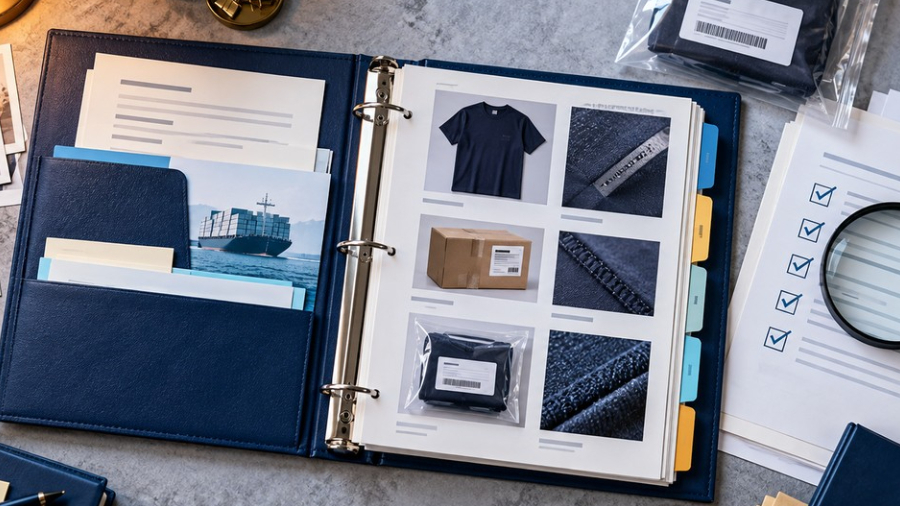
1. What Is a Customs Broker?
A customs broker is basically your import compliance expert:
-
Files your customs entry into CBP's ACE system
-
Calculates duties, tariffs, and fees
-
Secures the right customs brokerage services, including bonds
-
Checks your HS code & HTS code for correct classification
-
Communicates with U.S. Customs if there’s a hold or question
They’re the behind-the-scenes liaison making sure your shipment clears legally and on time.
2. What Is a Freight Forwarder?
Freight forwarders focus on logistics:
-
Booking space on ships, planes, or trucks
-
Consolidating LCL (less than container load) or FCL (full container load) shipments
-
Handling pick‑up from factory to port
-
Tracking cargo movement and keeping you updated
-
Using a freight forwarding platform to streamline documentation and visibility
They’re the transport and coordination hub for your shipment.
3. How They Work Together (or Separately)
Scenario A: Small One-Off Shipment
If it’s a single, basic shipment under $2,500 value, you
might not
need a broker or forwarder. Your supplier or shipping agent can handle it.
Scenario B: Regular Imports (Business Use)
Here’s where both get involved:
-
Freight Forwarder handles booking, pick‑up, and tracking
-
Customs Broker manages entry, duty calculation, and clearance paperwork
Some companies offer both services in one package—so you get full control via a
freight forwarding platform
and seamless customs filings through their brokerage arm.
4. Role Comparison Table
5. When Should You Use Each (Or Both)?
Use a Customs Broker When:
-
Your entry value exceeds $2,500
-
You import regulated goods (food, electronics, parts)
-
You're filing formal entries, claiming trade programs, or need bonds
-
Avoiding classification mistakes is important
Use a Freight Forwarder When:
-
You need door-to-door logistics across carriers
-
You consolidate LCL shipments or need FCL management
-
Preferred route planning, warehousing, or tracking is key
-
You want access to online tracking via a freight forwarding platform
Use Both Together If:
-
You import frequently and need seamless customs + transport execution
-
You want broker and forwarder services in one integrated solution
-
Tracking, bond handling, classification, and routing all matter
6. Real-World Use Cases
✅ Example 1: New Drop‑Ship Startup
-
Imports low‑volume products occasionally
-
Uses freight forwarder for shipping logistics
-
Doesn’t need customs broker unless shipment value is high or regulated
🏢 Example 2: E‑Commerce Business
-
Imports daily shipments from Asia
-
Uses a freight forwarder to move cargo
-
Uses customs broker to ensure accurate duty, classification, and clearance
Some brands pick full-service providers that combine both roles via one dashboard—very slick and efficient.
7. Pro Tips (Quick Wins)
-
Always confirm your customs broker vs freight forwarder setup before you pay
-
Look for forwarders offering
customs brokerage services
—bundled saves headache
-
Keep your HS classification correct—errors cost time and money
-
Ask for pricing transparency: brokers charge per entry; forwarders charge per shipment
-
Read reviews and choose licensed entities (brokers licensed by CBP; forwarders by IATA or FIATA)
8. Common Misconceptions
-
Misconception: “Forwarder handles customs too.” Reality: Not necessarily. Some do, but many only do logistics—so duty or paperwork mistakes happen.
-
Misconception: “Broker also books my shipment.” Reality: Only if they partner with a forwarder. Usually they don’t handle actual cargo movement.
Conclusion
In the debate
customs broker vs freight forwarder
, they’re both essential—but in different ways. Importers often need both, especially when shipping internationally and navigating compliance, classification, and duty payments.
Pick the right combo and your shipment goes smoothly. Mess up? You risk delays, fines, unexpected costs, or even rejection at customs.
FAQs
Q: Can I import without either a broker or forwarder?
Sometimes, if the shipment is informal, low-value, and not regulated—but better to check first.
Q: Can a forwarder also be a broker?
Yes—some companies offer both services, often via their own
freight forwarding platform
.
Q: What’s the cost difference?
Brokers charge per entry ($50–$150). Forwarders charge per shipment, plus handling fees.
Q: Should I verify my HS/HTS code myself?
Customs Broker vs Freight Forwarder: The Core Difference
A customs broker focuses on customs entry, classification support, valuation and origin information, duty payment, bonds, and communication with customs authorities. A freight forwarder plans and coordinates transport, including pickup, consolidation, carrier booking, transport documents, tracking, destination handling, and final delivery.
One company may offer both services through qualified teams or partners, but the responsibilities should still be clearly identified.
When You Need a Customs Broker
Use a broker when a formal import entry, customs bond, product classification, duty calculation, or agency coordination is required. The importer must provide accurate commercial and product information and remains responsible for truthful declarations.
When You Need a Freight Forwarder
Use a forwarder when cargo must be collected, booked, consolidated, routed, tracked, or delivered. The forwarder compares transport options and coordinates operational handoffs but should not make unsupported customs decisions.
Why Importers Often Need Both
A shipment can clear customs but still wait for terminal release or trucking. It can also arrive on time but be delayed by missing entry documents. The best process connects booking data, invoice details, arrival notices, customs status, free-time deadlines, and delivery appointments.
Questions to Ask Before Appointing Providers
- Who is the customs broker of record?
- Who reviews classification, value, and origin?
- Who books the carrier and issues transport instructions?
- Who monitors customs release and terminal availability?
- Who handles exams, storage, claims, and final delivery?
- Which charges and responsibilities are excluded?
Conclusion
A customs broker and freight forwarder perform different but connected functions. Importers should assign clear ownership for compliance, transport, and delivery, share consistent documents, and avoid assuming that one service automatically includes the other.
 English
 Deutsch
 Português
 العربية
 中文
中文


 25 Sep