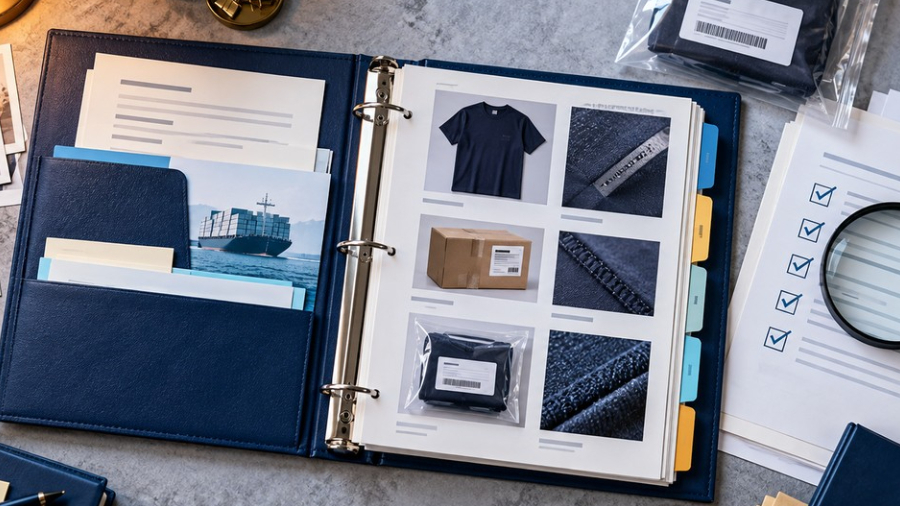
What Exactly Are Customs Brokerage Services?
Customs brokers are licensed pros who handle:
-
Filling in the entry paperwork
-
Figuring out accurate duty & tariff charges
-
Ensuring correct HS/HTS classifications
-
Securing customs bonds if needed
-
Communicating with CBP on your behalf
They’re like your freight translator—turning trade-speak into import success.
Why Using a Customs Broker Seriously Helps
No More DIY Disaster
Trying to DIY your paperwork? I’ve seen people pay the wrong duty, misclassify products, or totally miss trade agreement savings. Brokers know the systems—HTS codes, rules, and exceptions.
They Handle Customs Bonds and Compliance
Some importers think they can skip bonds or mess with entries. Not smart. Brokers make sure you get the right bond—be it single, continuous, or something niche like a drawback bond. And they cut ties between
types of customs bonds
and your import profile.
They Streamline Freight Forwarding
Most brokers partner with a
freight forwarding platform
, so your shipment gets tracked from warehouse to port—smooth handoffs all along.
What Customs Brokers Actually Do (Real Tasks)
-
Receive shipment details like HS code and value
-
Calculate duties and any extra tariffs
-
Prepare the Customs Electronic Entry (via ACE system)
-
Arrange payment or bond coverage
-
Handle clearance questions or flag holds
-
Deliver cargo once cleared
It’s like hiring a shot caller to make sure your goods get in—without drama.
How Brokers Deal with Trade Agreements and Duty Reduction
-
They identify and apply FTA benefits (e.g., NAFTA, USMCA, AGOA)
-
Confirm if you qualify for GSP or RCEP preferential rates
-
Prevent accidental fees from tariff mis-labeling or wrong countries
But remember: if your
HS code & HTS code
is wrong, you’ll still pay wrong duties. The broker helps, but you gotta know what you're importing.
Costs: So, How Much Do They Charge?
Rates vary, but typical customs brokerage fees can include:
-
Flat service fee per entry ($50–$150)
-
Per-document or per-line charges
-
Bond filing or duty payment handling fees
-
Additional charges for audits or complicated products
Just ask for a quote before you start—or compare brokers.
When Do You Seriously Need One Of These?
-
Imports over $2,500 wholesale value
-
Shipping regulated goods (food, cosmetics, electronics)
-
Using formal customs entry process
-
Claiming trade preferences or drawback programs
-
Handling high volume or multiple-country shipments
In short: almost every serious importer benefits from using a customs broker.
Customs Broker vs. Freight Forwarder—Who Does What?
Best combo: both working for you.
Real-World Feel: How Customs Brokers Save You Trouble
-
Late Shipment Surprise — Customer expected delivery today, but one missing form holds clearance. Broker sorted it before CBP delayed everything.
-
Incorrect Classification Near-Miss — Importer assumed fused quartz glass was furniture. Broker noticed HS difference, changed entry—saved thousands in duty.
-
Missing Bond Entry — Inexperienced importer skipped bond. Shipment flagged. Broker filed one, cleared hold. Crisis averted.
Pro Tips for Working With Customs Brokers
-
Give them full product info (materials, weight, origin, end use)
-
Confirm they reference what is a customs bond to secure your entry
-
Make sure they see your freight forwarding platform details
-
Ask about mistakes and audit support—they handle appeals too
Wrap-Up: When You're Importing, Don’t Skip the Broker
Navigating international shipping is tricky. A customs broker deciphers trade rules, handles bonds, entries, and saves you hours—possibly thousands in fees. It's straightforward: invest in
customs brokerage services
, especially if you're serious about imports.
FAQs
Q: Can I clear customs without using a broker?
Maybe if your shipment is small (<$2,500) or informal entry—but higher risk without one.
Q: Do I need a customs broker for every shipment?
If you're doing formal entries or regulated goods, yes—each one.
Q: How do I choose a reliable broker?
Look for licensed CBP brokers, ask for references, and check if they handle trade agreements and bond filings.
Q: Do brokers help with tariff exemptions or drawback claims?
Many do—especially if they understand your HS/HTS coding and your business model.
A Pre-Clearance Checklist for Importers
A broker can only file an accurate entry when the commercial information is complete. Before cargo departs, send the broker a commercial invoice, packing list, bill of lading or air waybill details, country of origin, manufacturer information, product composition, intended use, unit value, and proposed HTS classification. Regulated products may also require permits, test reports, registrations, or agency-specific declarations. Providing these items early gives the broker time to identify missing data before the shipment reaches the border.
Ask the broker to confirm who will act as importer of record, which bond will be used, how duties and taxes will be funded, and whether any other government agency may review the goods. The importer should also approve the classification and declared value rather than assuming the broker owns those decisions. Brokers prepare and transmit entries, but importers remain responsible for the accuracy of information supplied to customs authorities.
Questions to Ask Before Appointing a Broker
- Do you regularly clear this product type and the intended port of entry?
- Which documents must be provided before departure and before arrival?
- How are examinations, storage, amendments, and after-hours work charged?
- Who monitors holds and communicates status updates?
- How long are entry records retained, and how can the importer obtain them?
Request a written fee schedule and escalation contact. Brokerage charges are separate from duties, taxes, inspections, demurrage, and carrier fees, so an itemized estimate prevents misunderstandings. For changing tariffs or agency rules, verify requirements against current CBP and relevant agency guidance before shipping.
 English
 Deutsch
 Português
 العربية
 中文
中文


 25 Sep