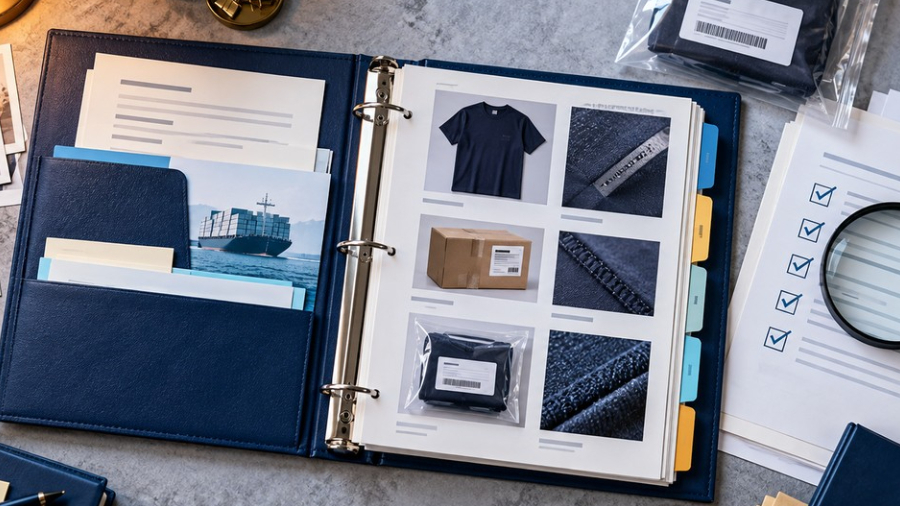
1. Single Entry Bond (SEB)
✅ What It Is
As the name implies, a Single Entry Bond is good for just one shipment. If you're only importing once (or very sporadically), this is the easiest and cheapest option. You pay for it once, ship your goods, bond covers that entry, and you're done.
🕒 When to Use It
- You're importing just once (e.g., personal items, one project)
- Shipment value over $2,500 or involves regulated items
- You don’t wanna commit to a yearly plan
💰 Rough Costs
- Usually $50–$150, depending on value
- Good if it’s a one-off deal
-
2. Continuous Bond
✅ What It Is
A Continuous Bond is like an annual pass. It covers all your customs entries for a year. You don’t need a new bond every time — just one covers everything.
🕒 When to Use It
- You import frequently (more than once every couple months)
- Running a business that ships regularly
- Want to save paperwork headaches
💰 Rough Costs
- Typically $400–$800/year, based on how much duty you pay annually
- Worth it if you're doing multiple shipments
-
3. Importer Security Filing (ISF) Bond
✅ What It Is
Sometimes—especially for ocean freight—Customs requires an ISF Bond. It’s tied to something called the 10+2 rule for ocean shipments. It's kind of a side bond but still necessary.
🕒 When to Use It
- Shipping ocean freight into the U.S.
- You or your carrier needs to file accurate ISF info
- Covers against late or inaccurate filing
💰 Rough Costs
- Around $100–$250 per year
- Usually bundled with your Continuous Bond or through your freight forwarder
-
4. Drawback Bond
✅ What It Is
A Drawback Bond helps you get refund on duties/taxes if you later export items or destroy them under Customs watch. It’s a bit niche, but huge for certain businesses.
🕒 When to Use It
- You import goods, pay duty, then export them (or destroy them under supervision)
- Eligible for a refund program
- Managing regulated waste or re-export products
💰 Rough Costs
- Depends—typically a percentage of refunded duties
- Only worth it if you’re eligible and saving more than bond cost
-
5. Custodian Bond
✅ What It Is
A Custodian Bond lets you store imported goods in a bonded warehouse without paying duties upfront. Good if you plan to store or re-export without selling in the U.S.
🕒 When to Use It
- You need bonded warehouse storage
- You’re importing but not immediately putting items on market
- Holding stock temporarily or prepping for later export
💰 Rough Costs
- Varies by warehouse and value stored
- Approved for warehouse operators, not importers directly
-
6. Transfer Bond
✅ What It Is
Need to move goods from port to a bonded warehouse or other destination? Transfer Bond covers that in-transit move without triggering Customs duties.
🕒 When to Use It
- Shipping goods to a non-CBP location
- Using a customs broker to handle movement
- Moving products for inspection or storage
💰 Rough Costs
- Some bonds require small bond or covered by your broker
- Depends on your situation
-
How to Choose the Right Bond
Identify your import pattern
o One-off = SEB
o Monthly or project-based = Continuous
Know your cargo type
o Food, meds? Regulated — you need a bond
o Regular goods? You still need a bond if value > $2,500
Check your shipping mode
o Ocean freight? Might require an ISF Bond too
Analyze your storage or export plans
o Warehousing? Custodian Bond
o Re-export or warehouse-destroy? Drawback Bond
Why Bond Types Matter – Real World Examples
🎯 Example A: Small Biz – One Project Import
Little Joe Orders a machine part for $5,000. He imports once. He gets an SEB, imports, pays duties — and he's done. No extra yearly cost.
🏢 Example B: Regular Online Seller
Sally imports boxes every month. She gets a Continuous Bond. It's cheaper over time, easier paperwork, no hassle on each shipment.
🚢 Example C: Ocean Freight Company
FreightCo ships containers monthly from Asia. They combine a Continuous Bond + ISF Bond to cover entries and ocean filing. Smooth operations, no drama.
Pro Tips
- Always get a broker — they handle bonds and classification
- Make sure you got the what is a customs bond thing figured out early
- Keep your HS classification right — wrong hs code & hts code = wrong bond coverage or duty issues
- Bonds don’t waive fees — you still gotta pay duty/tariff
Wrap-Up
There’s no one-size-fits-all bond. Picking the right types of customs bonds is key to smooth imports. Whether you need a single bond or something more complex, knowing the options means zero customs surprise.
FAQs
Q: Can I just use a continuous bond for everything?
You can — but you gotta pay the annual premium. If you're importing rarely, it's wasteful.
Q: What happens if I don't have the right bond?
Your shipment might get held, fined, or even seized. Not fun.
Q: Can bonds protect me from wrong HS codes or wrong duty?
Nuh-uh. Bonds only guarantee payment — classification accuracy is on you (or your broker).
Q: Are broker services included in bond fees?
Sometimes. Ask your broker if they bundle bond + filing together.
Q: Does every import need a customs bond?
Under $2,500 and no regulated goods? Maybe not. But most business imports do. Always double-check.
 English
 Deutsch
 Português
 العربية
 中文
中文


 25 Sep