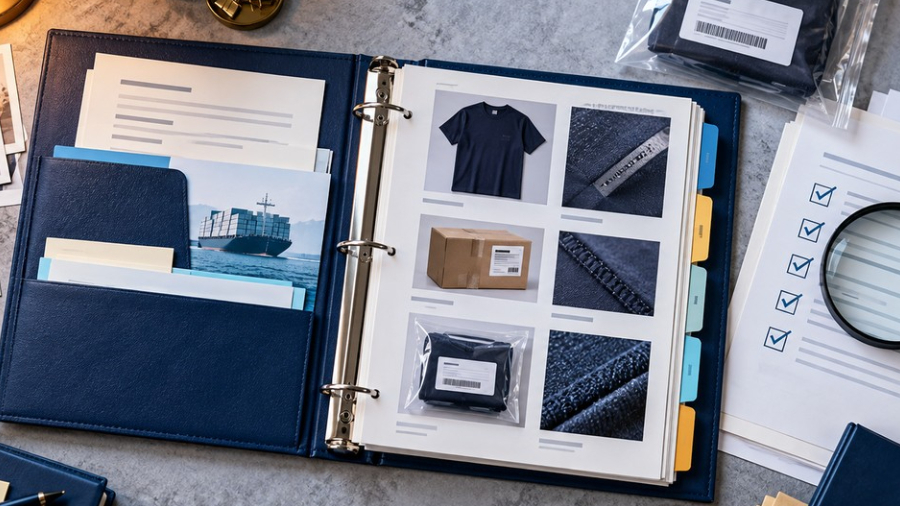
Why Does Customs Want a Bond From Me?
Because they don’t wanna chase unpaid duties around the world. The bond makes sure there’s money on the line if anything goes wrong with your shipment. That includes unpaid taxes, incorrect declarations, or other violations.
When do you need a customs bond?
-
If your shipment is worth over $2,500
-
If you’re bringing in regulated goods (like food, meds, cosmetics)
-
If you're importing under any formal entry, really
How It Works: Customs Bond 101
-
You or your broker submit import paperwork to U.S. Customs.
-
Customs says “cool” — but only if there’s a bond on file.
-
You buy the bond or have your broker post it.
-
Shipment clears.
-
If duties ain’t paid later, the bond covers it (and yeah, they’ll come collect from you after).
So yeah, it’s like a co-signer for your cargo.
Types of Customs Bonds (Pick One, Don’t Skip)
Single Entry Bond (SEB)
Perfect for one-time importers. Use it once for a single shipment and done. Usually costs less, but not ideal if you’re shipping often.
Continuous Bond
Great for regular importers. It covers
all
shipments over a year and is required if you file entries frequently. Starts around $500/year.
So if you're shipping monthly? This one’s the smarter call.
Who Issues the Bond?
Only U.S. Treasury-approved surety companies. But no stress — your customs broker or freight forwarder can help you get one. Just ask, they usually handle that paperwork fast.
The Paperwork Side: Get Your Codes Straight
Here’s where folks mess up — customs classification.
Let’s say you’re importing LED lights. Sounds simple, but if you mess up the classification code, you might pay 10% duty instead of 3%. That’s where knowing your
hs code & hts code
makes a real difference. Use the wrong one, and your bond can’t save you from penalties.
Pro tip: always double-check your product’s HTS code with your broker or use the U.S. ITC site.
Wait — Isn’t That Just a Duty or Tariff Thing?
Kinda. But not really.
See,
duty vs tariff
is its own thing. Duties are the taxes everyone pays to import stuff. Tariffs are extra taxes placed on specific countries or products. Your customs bond doesn’t pay your duties — it just promises someone
will
pay 'em if you don’t.
So even if you're bonded, you still gotta pay those fees.
Real Talk: What Happens Without a Bond?
Well, your cargo sits at the port. Maybe gets stuck. You might miss delivery dates. You could pay port storage fees. Or worse — Customs might just send it back or seize it.
It’s not pretty. Especially if you’re importing on a tight timeline or budget.
Quick Recap (Because You’re Busy)
-
A customs bond = your financial promise to the government
-
Required for shipments over $2,500 or with regulated goods
-
Two types: Single Entry & Continuous
-
Helps smooth customs clearance, avoids delays
-
Won’t cover you from classification mistakes — that’s why your hs code and hts code gotta be right
-
Doesn’t replace paying actual duties or tariffs
FAQs
Q: How much does a customs bond cost?
Single Entry Bonds run $50–$100. Continuous Bonds start at $400–$600/year.
Q: Can I skip the bond if my shipment is cheap?
If it’s under $2,500 and not regulated, maybe. But better check with a broker first.
Q: Do I need one for air freight and ocean both?
Yes — if you’re doing a formal entry, doesn’t matter how it arrives.
Q: Will a bond protect me from classification errors?
Nope. That’s on you (or your broker). Wrong code = wrong duty = possible penalties.
Q: Can I use one bond for multiple shipments?
Only if it’s a Continuous Bond. Single Entry is just that — one shipment.
Single-Entry vs Continuous Customs Bonds
A single-entry bond applies to one import transaction and is often considered by occasional importers. A continuous bond generally covers qualifying entries during a period and may suit businesses importing regularly. The appropriate option depends on shipment frequency, value, commodities, and customs requirements.
- Importer-of-record details and identification number.
- Estimated customs value, duties, and shipment frequency.
- Commodity descriptions and expected ports of entry.
- Any regulated goods or additional agency requirements.
- Financial or authorization documents requested by the surety or broker.
Common Bond Problems
Delays occur when the importer’s legal name or address is inconsistent, the bond amount is insufficient, authorization is missing, or the bond is arranged after cargo arrives. A bond also does not replace accurate classification, valuation, origin, or permits.
Practical Planning Tips
Discuss the bond before the first shipment departs, estimate annual activity realistically, monitor changes in duty exposure, and keep importer records current. If import volume grows or additional tariffs increase liability, ask whether the bond amount needs review.
Conclusion
A customs bond provides financial security for specified import obligations; it is not cargo insurance and does not guarantee release. Early setup, accurate importer information, and coordination with a qualified customs broker help prevent avoidable entry delays.
 English
 Deutsch
 Português
 العربية
 中文
中文


 25 Sep