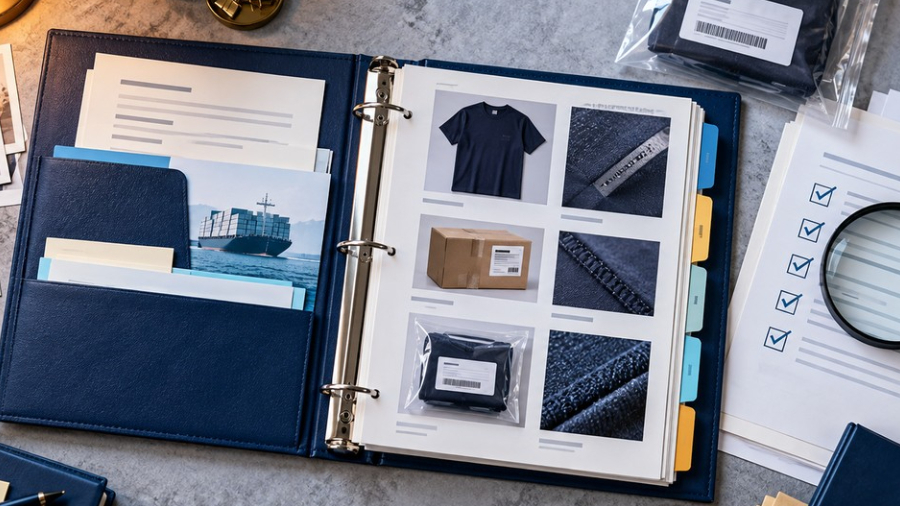
Step 1: Pre-Arrival — Get the Docs Ready
Before the shipment even hits U.S. soil, documentation starts flying.
You (or your freight forwarder)
need to have these basics ready:
-
Commercial Invoice – what’s in the shipment, who it’s from, how much it cost
-
Packing List – what units are in each box or pallet
-
Bill of Lading (BOL) or Airway Bill (AWB) – transport document
-
HTS Code – used to classify your goods and determine duties
-
Customs Bond – a required guarantee for formal entries (most commercial shipments)
If you're working with professionals, your
customs brokerage services
provider will ask for all this ahead of time. Their job is to prep and double-check the entry package so you don’t get flagged.
Step 2: Entry Filing With CBP
Once your shipment is en route or has landed, your
customs broker
(if you’ve hired one, and you should) submits an entry to
U.S. Customs and Border Protection (CBP)
.
This step involves:
-
Submitting electronic entry via the ACE system
-
Providing the tariff classification (HS/HTS codes)
-
Declaring the value, origin, and description
-
Estimating duties and taxes owed
If you’re unfamiliar with broker roles, check out this comparison:
customs broker vs freight forwarder
— it’ll clear up the confusion fast.
Step 3: Customs Review & Risk Assessment
Once the entry is filed, Customs reviews it. They’re not checking every single shipment—they use risk filters:
-
Does the item look misclassified?
-
Is the value suspiciously low or high?
-
Is the origin country under any special restrictions?
Low-risk cargo may go right through. High-risk? It might get flagged for inspection or document review. Brokers often get called to provide supporting evidence if CBP questions anything.
Step 4: Cargo Arrival & Inspection (If Needed)
When the goods physically arrive at the port or airport, CBP gets another look.
They can:
-
Wave it through (automated release)
-
Do a document inspection
-
Do a physical inspection (open containers or boxes)
-
Order an X-ray scan
-
Detain or seize if they find violations
If CBP inspects your cargo, it might take a few extra days and possibly generate storage or inspection fees. Your customs broker will update you and try to expedite.
Step 5: Duty & Tax Payment
If duties or taxes are owed—and they usually are for formal entries—you or your broker must pay before goods can be released.
Duty is calculated based on:
-
Declared value
-
Product classification
-
Origin country (tariffs may apply)
Some importers try to avoid duties by declaring low values or using shady codes. That’s risky. Getting caught means fines, penalties, and possibly being blacklisted.
Step 6: Customs Release
Once everything is cleared—docs checked, duties paid, no flags—CBP issues a release. Your goods are now officially cleared for entry into the U.S.
Release notifications go to your customs broker, who informs you and/or your
freight forwarding platform
.
Step 7: Final Delivery
After release, your freight forwarder arranges final delivery to your warehouse, distribution center, or customer.
By this point, everything is legal and documented. All you need is a receiving dock and a few pairs of hands to unload.
Who Helps You With All This?
If you’re thinking, “This sounds like a lot,” you’re not wrong.
That’s why importers rely on
customs brokerage services
. A licensed customs broker will:
-
Make sure your HS codes are correct
-
File accurate entries
-
Advise if you need a customs bond
-
Respond to Customs if they ask questions
-
Coordinate with your freight forwarding platform for timing and visibility
You
can
do this solo for very small shipments. But if you’re a business importer? Don’t risk it.
Common Mistakes That Delay Clearance
-
Wrong HS/HTS codes = misclassified goods, wrong duty
-
Understated value = red flag to CBP
-
No bond = shipment gets held
-
Missing commercial invoice = no entry filing
-
Mixing up roles of customs broker vs freight forwarder
Final Thoughts: Know the Process, Stay in Control
Customs clearance isn't just a formality—it’s where most import delays (and fees) happen. Understand each step, stay on top of your paperwork, and hire the right experts.
Because once you nail the
customs clearance process
, you can focus more on growing your business—and less on praying your shipment doesn’t get stuck in limbo.
FAQs
Q: How long does the customs clearance process take?
Typically 1–3 days. Delays can happen with inspections or documentation issues.
Q: Can I clear my own goods without a broker?
Yes, for informal or low-value entries. But it’s not recommended for businesses.
Q: What’s the cost of customs clearance?
Broker fees ($50–$150), plus any duties/taxes and possible inspection/storage fees.
Q: Does clearance happen before arrival?
Entry filing often starts pre-arrival, but physical release only occurs once cargo lands.
Q: What happens if my goods get held?
Your broker will be notified. They’ll work with CBP to resolve the issue—fast.
Prepare for Holds, Questions, and Release
Not every shipment moves directly from entry submission to release. Customs or another government agency may request product specifications, origin evidence, permits, valuation support, or a physical examination. Assign one contact who can obtain supplier documents quickly and approve examination, storage, or delivery charges.
After release, compare the final entry with the commercial invoice, classification, declared value, duty payment, and transport record. Correct errors promptly through the appropriate broker-led process and retain supporting records. Clearance requirements vary by country and commodity, and regulations change, so confirm current filing deadlines and agency rules before departure rather than waiting until the cargo reaches the border.
 English
 Deutsch
 Português
 العربية
 中文
中文


 25 Sep