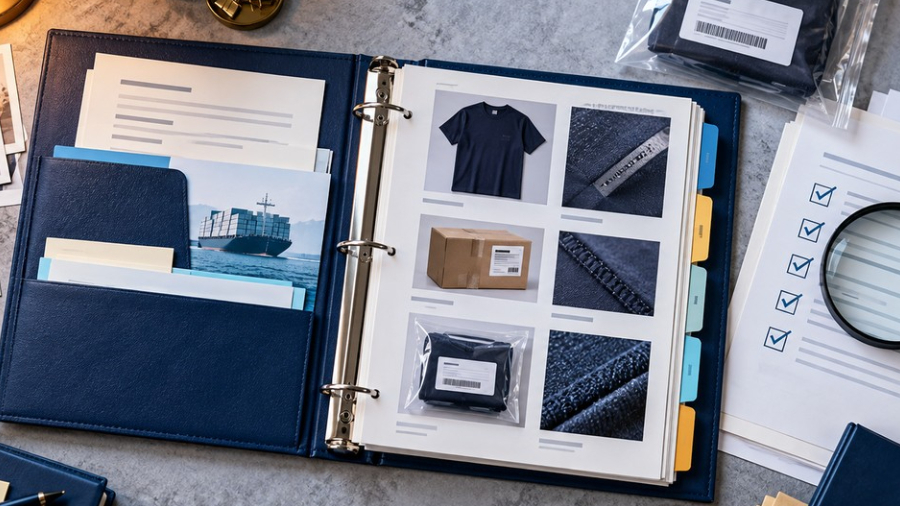
A U.S. customs power of attorney (POA) is the written authority an importer of record gives a customs broker to transact customs business in the importer's name. In a DDP shipment, the sales term does not authorize the freight forwarder, overseas seller or buyer to sign for another legal entity. The broker must obtain authority from the actual principal, verify the signer and define the permitted customs activities before filing an entry.
Quick Answer: Who Signs the Customs POA in DDP Shipping?
The principal named as importer of record signs through an individual who has legal authority to bind that principal. The grantee is the licensed customs broker or brokerage entity authorized to act. Current CBP broker guidance says a broker must execute the POA directly with its importer client or drawback claimant, not through a freight forwarder or other third-party intermediary.
If the broker itself is acting as importer of record, CBP guidance notes that a client POA is unnecessary for that transaction. That is a different commercial and legal model, not a shortcut for an ordinary buyer-as-importer entry.
Why a POA Is Necessary
Customs business includes activities such as preparing or transmitting entry information, classifying and valuing merchandise, communicating with CBP and handling certain post-entry actions on behalf of another person. U.S. law generally requires a licensed broker to perform that work for others. The POA connects the broker's actions to the principal's authority.
The POA does not transfer every compliance obligation to the broker. The importer still needs reasonable-care controls over product description, classification, origin, value, admissibility and records. Use the guide to review CBP Form 7501 and ACE entry-summary data after filing.
DDP Is Not a Power of Attorney
Delivered Duty Paid allocates delivery, cost and risk obligations in the sales contract. It does not make one company the legal agent of another and does not authorize a broker to use the buyer's importer number. A purchase order stating “DDP” is therefore not a broker POA.
A workable DDP structure separates four decisions: who is the importer of record, who signs for that entity, which broker receives authority, and who funds duties and fees. The DDP importer, consignee and broker role guide helps establish those identities before documents are signed.
CBP accepts its Form 5291 and private alternatives. CBP's current broker guidance states that a private document does not have to copy the form word for word, but it should show that the principal grants the broker authority to act as its agent for customs business. The POA must also meet applicable regulatory requirements, including required payment language or attachments where relevant.
The broker should provide the document it uses and explain its scope. The importer should not sign a generic logistics authorization without confirming that the named grantee is the actual licensed broker and that the customs authority is appropriate.
The 12 POA Checks Before a DDP Entry
1. Principal's full legal name
The principal must be the intended importer of record or other authorized client. Match the legal name to formation records, CBP importer record, customs bond and commercial documents.
2. Importer identification number
Use the number belonging to the principal, whether EIN-based, SSN-based or CBP-assigned. If the identity record is new or inaccurate, address it through CBP Form 5106 importer registration.
3. Principal's address
Use the current legal or business address required by the broker and regulations. Align it with the physical address on the bond and identity record.
4. Broker's legal identity
Identify the licensed brokerage entity receiving authority, not only a salesperson, freight forwarder or trade name. Confirm the broker through CBP resources when onboarding a new provider.
5. Direct execution
The broker should execute the POA directly with the importer client. A forwarder may introduce the parties or coordinate documents, but it should not stand between them as the source of authority.
6. Authorized signer
Record the signer's printed name, title and basis for binding the principal. A purchasing employee, warehouse contact or forwarder should not sign merely because that person has the shipment file.
7. Scope of authority
Understand the acts the broker may perform, including entry, drawback, protests, refunds, documents, bonds or other activities included in the text. Limit authority where the business model requires narrower control.
8. Effective date and duration
Record when authority begins and whether it has an end date. Under 19 CFR 141.34, a partnership POA cannot exceed two years; other POAs may be granted for an unlimited period. Even when legally open-ended, companies should review authority periodically.
9. Delegation or subagents
Check whether the document permits delegation and whether the importer is comfortable with that scope. Ask which brokerage office, processing center or permitted entity will actually handle the entry.
10. Payment and billing language
Separate broker authority from the commercial agreement about fees and duty funding. CBP guidance discusses required alternative-payment language on POAs or attachments. The importer should receive transparent broker and third-party charges.
11. Revocation process
Know how to terminate authority and where written notice must be sent. Changing forwarders does not automatically revoke a broker POA. Keep confirmation of revocation and the last transaction handled.
12. Record control
Both broker and importer should retain the signed POA and supporting authority documents for the required period. Restrict access because the file may contain importer numbers, contact details and signatures.
Special Rules for Nonresident Corporations
A foreign seller that intends to act as U.S. importer needs more than a signature on a standard broker form. CBP guidance states that a nonresident corporation's POA must include a clause authorizing the agent to accept service of process on the principal's behalf. The company also needs supporting documentation establishing the signer's authority to execute the POA.
The broker should review corporate formation evidence, board or officer authority, legal name, address and service-of-process language before accepting the POA. The foreign entity must also have a valid importer identity record and appropriate bond arrangement. A CBP-assigned number is an identifier; it does not eliminate these representation requirements.
A Broker-Onboarding Workflow for DDP Shipments
- Choose the importer. Confirm the party with legal and commercial capacity to make the entry.
- Validate the importer record. Check legal name, address and number in ACE before drafting the POA.
- Verify the broker. Confirm the licensed brokerage entity, contact and service scope.
- Exchange documents directly. The broker sends its POA and onboarding requirements to the importer or authorized signer.
- Review scope and authority. The importer checks powers, duration, delegation, billing language and revocation terms.
- Supply supporting evidence. Provide signer authority and nonresident-company documents where required through secure channels.
- Execute and acknowledge. Both sides retain the completed document and confirmation that the broker accepted it.
- Link the shipment file. Align importer number, bond, invoice, ISF and entry instructions.
- Review filed data. Obtain entry records and resolve discrepancies promptly.
- Close or renew authority. Revoke, replace or renew the POA when corporate status, broker or relationship changes.
Common DDP Power-of-Attorney Mistakes
- The forwarder signs or collects authority as if it were the importer: the direct broker-client requirement is lost.
- The buyer is named without consent: a DDP quote silently assigns customs liability to the consignee.
- The wrong corporate entity signs: a parent, affiliate or trade name differs from the importer on the entry and bond.
- The signer lacks authority: the document is executed by an operational contact who cannot bind the company.
- The broker is not clearly identified: the POA names a logistics brand rather than the licensed brokerage entity.
- Nonresident requirements are omitted: service-of-process language and evidence of signer authority are missing.
- Old authority remains open: the importer changes providers but never revokes the prior POA.
- Authority is confused with accuracy: the broker is authorized, but the seller still supplies unsupported classification, origin or value data.
POA and Shipment-Control Checklist
- The importer of record is identified and has accepted the role.
- The principal's legal name, number and address match CBP and bond records.
- The grantee is a verified licensed customs broker.
- The POA is executed directly between broker and importer.
- The signer has documented authority to bind the principal.
- The scope, duration, delegation and revocation terms are understood.
- Nonresident-corporation requirements are satisfied where applicable.
- Sensitive identity and signature records use secure transmission and storage.
- The same importer data appears in ISF, invoice, bond and entry instructions.
- The importer receives and reviews the filed entry data.
Frequently Asked Questions
Can a freight forwarder sign the customs POA for the importer?
Not merely because it arranged the shipment. The importer or an authorized signer for that principal grants authority to the broker. CBP rules require the broker to execute the customs POA directly with the importer client rather than through a freight forwarder.
Does DDP authorize the seller's broker to use the buyer's importer number?
No. DDP allocates contractual responsibilities but does not authorize use of another entity's importer identity. The buyer must knowingly accept the importer role and execute the required authority.
Must every customs POA use CBP Form 5291?
No. CBP accepts Form 5291 and compliant private alternatives. The broker should ensure the language, required statements and supporting documents satisfy current rules.
How long does a customs POA last?
A partnership POA is limited to no more than two years under 19 CFR 141.34. Other POAs may be open-ended unless the document or circumstances limit them. Corporate policy should still require periodic review.
Does changing customs brokers cancel the old POA?
No. Send a written revocation according to the existing POA and broker instructions, confirm receipt, and document the final effective date. Then execute new authority directly with the replacement broker.
Does a POA make the broker responsible for all customs errors?
No. The broker must meet its professional duties, but the importer remains responsible for reasonable-care controls and for providing accurate, complete commercial information.
Authoritative References
This guide provides general operational information, not legal or customs advice. Ask a licensed U.S. customs broker and qualified counsel to confirm the principal, signing authority, POA language and nonresident requirements for the transaction.
 English
 Deutsch
 Português
 العربية
 中文
中文


 25 Sep