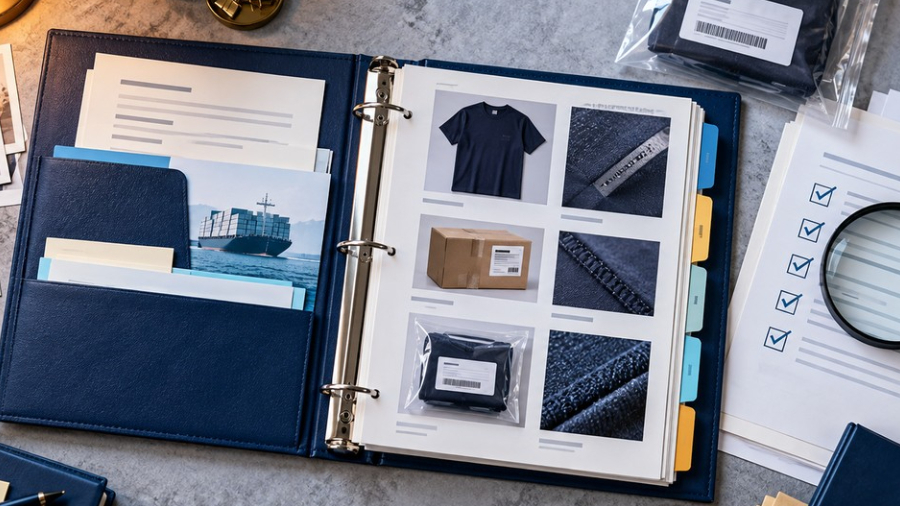
CBP Form 5106, officially titled the Create/Update Importer Identity Form, creates or updates a party's identity record in U.S. Customs and Border Protection (CBP) systems. A DDP shipment may need a valid importer record before an entry, bond or refund can be processed, but completing Form 5106 does not by itself make a foreign seller the lawful importer of record. The parties must first decide who will import, then register that exact legal entity and keep its name, address, identification number, bond and broker records consistent.
Form 5106 is generally relevant when an entity will appear in CBP transactions as an importer of record, consignee, ultimate consignee or another identified trade party and CBP does not have an active, accurate identity record for that entity. It is also used to request a CBP-assigned number when an eligible party has no U.S. Employer Identification Number (EIN) or Social Security Number (SSN), and to update certain identity information.
The form should follow the customs structure, not create it. Under DDP, the seller contractually arranges import clearance and bears agreed import costs, but U.S. law determines who may make entry and carry importer obligations. Confirm the importer of record with a licensed U.S. customs broker before submitting any registration.
The form supplies the identity information used to create or update an importer record in the Automated Commercial Environment (ACE), the U.S. trade-processing system. CBP uses that record in activities such as bond coverage, cargo release, entry, liquidation, billing and refunds. A clean record lets brokers, sureties and CBP connect transactions to the correct legal person.
Form 5106 is not the import entry, customs bond, broker power of attorney or tax registration. Those are separate records. For the entry data reported after release, use the companion guide to CBP Form 7501 and ACE entry summaries.
Importer Identification Numbers Explained
CBP identifies importers using one of several number types. The appropriate number depends on the entity and available U.S. identifiers.
CBP's current Form 5106 instructions state that a requester without an EIN or SSN may request a CBP-assigned number. If an EIN exists when the form is submitted, that number generally becomes the importer identification number and CBP will not issue a separate assigned number. Ask the broker to verify the exact format and suffix used for the importer record.
An identification number is an administrative identifier, not proof that a transaction is legally or commercially structured correctly. A foreign seller may obtain a CBP-assigned number yet still need a workable right-to-make-entry basis, a U.S. customs bond, a broker power of attorney, admissibility controls, recordkeeping and a plan for duties, taxes and post-entry action.
Before registration, map the seller, buyer, owner or purchaser, consignee, importer of record, customs broker and delivery party. The guide to importer of record, consignee and broker roles in DDP explains why those labels cannot be exchanged merely to make a freight booking work.
The current form contains identity, address and certification sections. Use the official instructions for every field; the following list is a business-control review, not a replacement for the form.
1. Type of action
Choose the action that matches the request: first notification or activation, name change, address change or another permitted update. Do not create a second identity because an existing record contains old information.
2. Full legal name
Use the registered legal name of the person or company that will receive the importer record. Align spelling, punctuation and legal suffixes with formation documents, tax records, the customs bond and broker power of attorney.
3. EIN, SSN or CBP-assigned number request
Report the applicable identifier exactly and securely. If requesting a CBP-assigned number, follow the form's instructions for a party with no EIN or SSN. Never insert the buyer's, warehouse's or freight provider's number without that entity's knowledge and valid customs role.
4. Company type and estimated activity
Select the actual legal form and provide reasonable activity information where requested. A limited liability company, corporation, partnership and individual have different signing and supporting-document implications.
5. Intended CBP role
Identify how the party will be used in CBP transactions. If it will act as importer of record, the surrounding entry and bond structure should support that declaration.
6. Mailing and physical addresses
Provide complete, current addresses using the required country codes and format. If a mailing address is a post-office box, the form instructions may require a separate physical location. Match the physical address to the bond record when applicable.
7. Contact information
Use a monitored business email address and telephone number controlled by the registered entity. The importer should not lose access to its CBP identity record when a freight forwarder, employee or broker changes.
8. Certification and authority
The person signing must have authority to certify the information for the entity. Retain evidence of title and signing authority, particularly for a nonresident company. A broker transmitting the form should hold the necessary customs power of attorney.
A Safe Registration Workflow for DDP Imports
- Confirm the DDP customs model. Name the proposed importer of record, consignee, broker and party funding duties and bond costs.
- Search for an existing record. Ask the broker to validate whether the importer number is active and whether the legal name and addresses are current.
- Collect entity evidence. Gather formation records, legal address evidence, EIN confirmation if applicable, authorized-signer details and ownership or purchase information.
- Complete the current form. Use the latest CBP Form 5106 and its embedded instructions; expired versions can be rejected.
- Align related records. Match the importer identity across the broker POA, customs bond, commercial invoice, ISF and entry instructions.
- Submit through an accepted channel. Coordinate with the licensed customs broker or appropriate CBP office for the current submission method.
- Confirm activation. Obtain evidence that the record and importer number are active before relying on them for cargo release.
- Protect and maintain the record. Limit access to sensitive identifiers and update CBP when required information changes.
How Form 5106 Connects to the DDP Entry
The importer number may appear in advance security data, cargo release, entry summary, bond and payment records. It should therefore be established before those submissions reach their deadlines. For ocean cargo, confirm the number early enough to support the ISF 10+2 filing before vessel loading.
Use one controlled identity sheet containing the legal name, importer number, address, consignee details, broker and bond information. Do not allow different logistics providers to create competing versions. The DDP commercial invoice checklist helps carry the same party names into the shipping documents.
- Registering before choosing the importer: the form is submitted for the easiest available party rather than the legally intended importer.
- Borrowing an importer number: a buyer or service provider's identifier is used without authority or role confirmation.
- Creating a duplicate record: an inactive or outdated account is ignored instead of being validated and updated.
- Mismatched legal names: the form, bond, POA and invoice show different entity names or addresses.
- Using an unmonitored contact: the importer cannot receive later CBP verification, billing or account messages.
- Assuming a CBP number is a complete U.S. setup: tax, product, agency, bond and representation requirements are overlooked.
- Submitting an obsolete form: the team relies on a stored copy instead of the current official version.
- Sending sensitive identifiers by insecure email: personal or tax data is exposed unnecessarily.
Pre-Entry Verification Checklist
- The proposed importer of record has agreed to the role in writing.
- The importer has a valid right-to-make-entry basis for the transaction.
- An existing CBP importer record has been checked before creating a new one.
- The legal name, entity type and addresses match supporting records.
- The EIN, SSN or CBP-assigned number belongs to the named party.
- The authorized signer and broker authority are documented.
- The customs bond uses the same importer name, number and physical address.
- ISF, invoice, cargo-release and entry-summary instructions use the controlled identity data.
- The importer retains access to its contact email and account records.
- The team knows who will maintain the record after delivery.
Frequently Asked Questions
Does every DDP shipment require a new Form 5106?
No. The form creates or updates an identity record; it is not normally filed anew for every shipment when the importer already has an active, accurate record. Ask the broker to validate the existing number before submitting another form.
Can a foreign DDP seller obtain a CBP-assigned importer number?
CBP's form instructions allow parties without an EIN or SSN, commonly including foreign businesses, to request a CBP-assigned number. The number alone does not establish the seller's eligibility, bond, tax position or authority to make a particular entry.
Is Form 5106 the same as a customs bond?
No. Form 5106 establishes or updates identity data. A customs bond is a separate financial guarantee tied to the importer and covered activity. The legal name, number and address should agree across both records.
Can the freight forwarder submit Form 5106?
Submission channels and authority depend on the situation. A licensed customs broker with an appropriate power of attorney can often coordinate importer-record creation or updates. Do not assume an unlicensed forwarder can transact customs business for the importer.
Does an importer number expire?
An importer record can become inactive, voided or inaccurate. Before a new shipment, the broker should verify current status and determine whether activation or an update is required.
Authoritative References
This guide provides general operational information, not legal, tax or customs advice. Confirm importer eligibility, number format, supporting documents and the current submission process with a licensed U.S. customs broker for each transaction.
 English
 Deutsch
 Português
 العربية
 中文
中文


 25 Sep