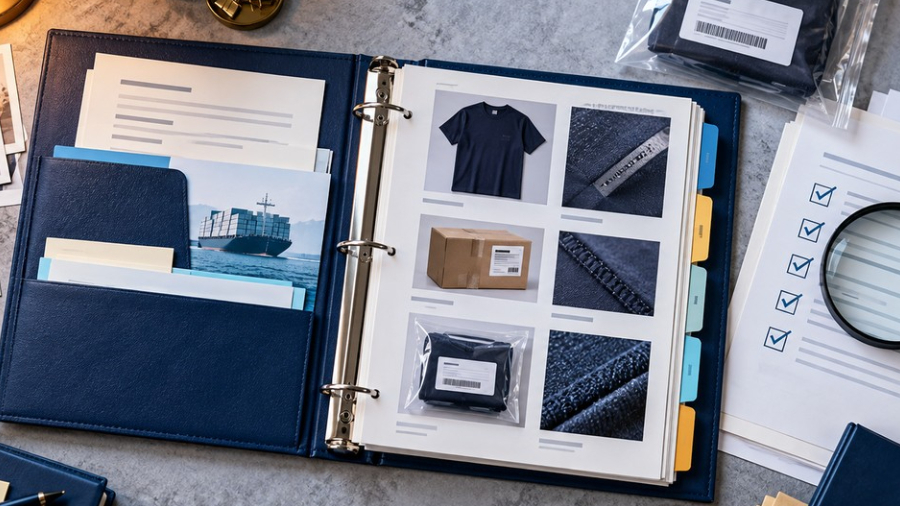
Amazon FBA has become one of the most popular fulfillment models for e-commerce sellers who want to scale operations in the U.S. market without managing their own storage and delivery network. Under this model, sellers send products to Amazon fulfillment centers, and the platform handles storage, packing, shipping, and customer service for eligible orders. For sellers sourcing goods from China, understanding amazon fba shipping from china is essential because shipping mistakes can lead to delays, extra fees, rejected inventory, or stock shortages.
A clear shipping strategy helps sellers move goods from suppliers in China to Amazon warehouses in the USA more efficiently. It also improves inventory planning, reduces logistics risk, and protects product profitability. From packaging rules and labeling to freight selection and customs preparation, every step affects whether the shipment arrives smoothly. This guide explains how the process works, how to choose the right shipping method, how costs are structured, and what sellers can do to make shipping to Amazon warehouse locations more reliable and cost-effective.
What Amazon FBA Shipping Means for Sellers
Amazon FBA shipping from China refers to the process of moving inventory from suppliers or factories in China to Amazon fulfillment centers in the United States. Unlike standard international shipping, this process usually requires tighter control over carton labels, packaging compliance, box content accuracy, appointment coordination, and warehouse delivery requirements.
For e-commerce sellers, this is not just a freight task. It is part of inventory management. If a shipment arrives late, is labeled incorrectly, or fails warehouse receiving rules, product availability can be affected. That may reduce sales momentum, weaken ranking performance, and create storage or correction costs.
Because of this, amazon logistics china planning should be treated as a structured supply chain process rather than a simple shipping booking.
How Amazon FBA Shipping Works
Shipping to Amazon fulfillment centers involves several connected steps. Each one needs to be handled carefully to avoid delays and extra charges.
Product preparation and packaging
Before goods leave China, the products must be prepared according to Amazon requirements. This often includes correct unit packaging, barcode labeling, carton markings, and any necessary protection for fragile or bundled items.
Each product must be packed in a way that supports warehouse receiving and later order fulfillment. Poor packaging can cause damage, relabeling issues, or compliance problems after arrival.
Create the shipment plan
The next step is creating the shipment plan in the seller account system. This process identifies what products are being sent, how many units are in each carton, and which fulfillment centers will receive the stock.
At this stage, the seller usually receives warehouse destination details, shipping labels, and box-level information requirements. Accuracy matters here. Incorrect carton counts or label mismatches can create receiving delays.
Arrange pickup from the supplier
Once the shipment plan is ready, the goods can be collected from the supplier or factory in China. Some sellers ship directly from the manufacturer, while others first move goods to a local warehouse for inspection, repacking, or consolidation.
This step is important because many problems begin at origin. If the cargo leaves the supplier with incorrect carton labels, weak packaging, or missing documentation, fixing the issue later becomes more expensive.
Export handling in China
After pickup, the goods go through export handling. This includes cargo verification, export customs procedures, and freight preparation. If the shipment uses air freight or sea freight, the cargo is processed according to the selected transport method.
For smooth amazon shipping service execution, the export stage should include a final check on labels, carton quantities, pallet rules if applicable, and shipping documents.
International transport
The goods are then transported from China to the USA. The main shipping methods are express, air freight, and sea freight. Each method offers a different balance of cost and transit time.
The right choice depends on the product value, stock urgency, shipment size, and profit margin. Sellers often use more than one method across the year, depending on inventory conditions.
Customs clearance in the USA
When the goods arrive in the United States, customs clearance begins. Accurate documentation is essential. Product descriptions, declared values, carton quantities, and supporting documents should all match the actual shipment.
A customs problem can delay inventory from reaching the fulfillment center, which may lead to stock shortages or missed sales periods. This is why fba logistics planning should include customs readiness from the start.
Delivery to Amazon fulfillment centers
After customs release, the goods move to the assigned Amazon warehouses. Some shipments go directly to one warehouse, while others are split across multiple destinations. Delivery must follow the instructions in the shipment plan and comply with receiving standards.
At this stage, appointment scheduling, carton condition, pallet setup, and label visibility all affect whether the goods are accepted smoothly.
Choosing the Right Shipping Method for FBA
The shipping method has a major impact on both cost and inventory speed. Sellers should not choose based only on the cheapest freight quote.
Express shipping
Express shipping is often used for samples, urgent replenishment, and small-volume inventory. It is fast and relatively simple, making it useful when a product is close to going out of stock.
However, express shipping is usually expensive per kilogram, so it works best for lightweight, high-margin, or urgent goods rather than large bulk inventory.
Air freight
Air freight is one of the most practical options for medium-sized urgent shipments. It offers faster transit than sea freight and usually works well for sellers who need to restock quickly but are moving more cargo than a typical express parcel.
This method is often used for product launches, fast-selling items, and urgent replenishment before promotional periods. For many sellers, air freight is the middle option between speed and cost.
Sea freight
Sea freight is usually the most cost-effective method for large shipments and routine replenishment. It is slower than air freight, but it offers a much lower unit shipping cost for larger cargo volumes.
This is often the preferred method for stable sellers who can forecast inventory well and plan shipments in advance. Sea freight works especially well for heavier products, larger quantities, and long-term stock planning.
Direct shipping vs prep center routing
Some sellers ship directly to Amazon warehouses, while others send goods first to a prep or inspection location before final delivery. Direct shipping can reduce steps, but it requires the cargo to be fully compliant before it departs China.
Routing through an intermediate warehouse may add cost, but it can help with relabeling, carton correction, inspection, and shipment splitting. The right model depends on the seller’s operational control and risk tolerance.
Best Practices for Shipping to Amazon Warehouses
Shipping to amazon warehouse locations successfully requires more than booking freight. Sellers should build a repeatable process that reduces avoidable errors.
Confirm Amazon packaging and labeling rules early
Do not wait until the cargo is packed. Confirm packaging, barcode placement, carton labels, and product prep rules before production is finished. Late corrections often increase time and cost.
Inspect goods before shipment
Product inspection before shipping helps catch quantity errors, packaging problems, or label issues at origin. This is especially important when inventory is going directly from China to the USA without an intermediate warehouse.
Keep carton data accurate
Amazon receiving depends heavily on carton-level data. Box counts, dimensions, weights, and unit quantities should match the shipment plan exactly. Small mismatches can create bigger warehouse receiving issues.
Plan for stock coverage, not just shipping speed
Fast transport is useful, but planning inventory properly is even more important. Sellers who forecast demand well can use sea freight more often and reduce dependence on urgent air shipments.
Split urgent and routine inventory
A common strategy is to send part of the inventory by air for quick availability and the remaining stock by sea for cost efficiency. This hybrid approach can reduce stockout risk while controlling freight spend.
Communicate clearly with suppliers
Suppliers should understand the carton rules, labeling standards, packaging expectations, and delivery timeline. Weak communication at the factory level is one of the most common causes of FBA shipping problems.
Cost Breakdown of FBA Shipping
The total cost of amazon fba shipping from china includes more than international freight. Sellers should understand the full landed cost structure.
Product preparation costs
These may include poly bagging, labeling, bundling, carton upgrades, pallet work, and inspection. Even before transport begins, these handling steps can affect the final shipping budget.
Inland transport in China
If goods are produced far from the export port or airport, domestic transport to the departure point adds cost. Pickup and origin handling fees should be included in the budget.
International freight cost
This is the main transport charge and depends on whether the seller chooses express, air freight, or sea freight. Weight, volume, urgency, and route conditions all affect this price.
Customs and import-related charges
Import duties, clearance fees, and related administrative costs are part of the full shipping expense. Inaccurate declaration or documentation issues may also increase the final cost.
Final delivery and warehouse handling
Once cargo arrives in the USA, it still needs to reach the assigned warehouse. Local delivery, appointment coordination, pallet handling, and destination processing may all add charges.
How to optimize for savings
The best way to save money is to improve planning. Sellers can reduce shipping cost by consolidating cargo, improving packaging efficiency, choosing sea freight for routine inventory, and avoiding repeated emergency replenishment.
A low freight quote does not always mean the lowest real cost. Sellers should compare the full landed cost, including prep, customs, delivery, and receiving risk.
Examples of Successful FBA Shipping Strategies
Example one: Small urgent replenishment
A seller with a fast-selling lightweight product notices inventory dropping faster than expected. Instead of waiting for a larger shipment, the seller sends a smaller urgent batch by air so the listing stays active. At the same time, a larger sea shipment is prepared for the next inventory cycle.
This approach costs more in the short term for the urgent batch, but it protects revenue and avoids a stockout.
Example two: Bulk routine restocking
A seller with stable monthly sales forecasts demand well and ships larger quantities by sea on a fixed schedule. Because inventory planning is stronger, the seller reduces the number of emergency shipments and keeps freight cost per unit lower.
This model works well for mature products with predictable sales performance.
Example three: Using inspection before warehouse delivery
A seller shipping multiple product variations from China chooses to inspect and verify goods before final warehouse delivery. During inspection, carton count errors are found and corrected before arrival. This prevents receiving problems at the fulfillment center and avoids delay-related losses.
The added control improves overall fba logistics reliability.
Common Mistakes to Avoid
Some errors can make shipping to Amazon much more expensive or risky.
Sending goods without checking Amazon label rules
Using incorrect carton quantities in the shipment plan
Relying only on urgent shipping due to weak forecasting
Ignoring customs documentation accuracy
Using oversized packaging that raises freight cost
Shipping directly to warehouses without verifying compliance
Comparing freight quotes without checking what services are included
Avoiding these mistakes can improve both delivery speed and profit margin.
For related planning, read Shipping to Amazon Warehouse and Amazon Inventory Delivery from China.
Conclusion
Amazon FBA shipping from China to the USA requires careful planning, accurate documentation, proper packaging, and the right shipping method. Sellers who treat it as a structured logistics process are more likely to avoid delays, protect inventory flow, and control cost effectively. From supplier pickup and export handling to customs clearance and final warehouse delivery, each stage affects whether the stock arrives smoothly and becomes available for sale on time.
The best shipping strategy depends on the size of the shipment, the urgency of replenishment, and the seller’s inventory model. Express and air freight are useful for urgent or smaller shipments, while sea freight is more cost-effective for larger routine inventory. Many sellers achieve better results by combining methods rather than relying on one option alone.
In the end, efficient amazon logistics china planning is about balancing speed, cost, compliance, and inventory stability. Sellers who forecast well, check packaging carefully, and prepare shipments accurately can improve warehouse receiving performance and build a more reliable FBA supply chain.
FAQ
What is the best shipping method for Amazon FBA from China?
It depends on the shipment. Air freight and express shipping are better for urgent or smaller replenishment, while sea freight is usually better for larger and non-urgent inventory.
Can goods be shipped directly from China to Amazon warehouses?
Yes, but only if the products, cartons, labels, and documents fully meet Amazon receiving requirements. Direct shipping reduces steps, but it also requires stronger origin control.
How can sellers reduce Amazon FBA shipping costs?
Sellers can reduce costs by improving packaging, consolidating shipments, forecasting inventory better, using sea freight for routine stock, and avoiding frequent emergency replenishment.
 English
 Deutsch
 Português
 العربية
 中文
中文


 25 Sep