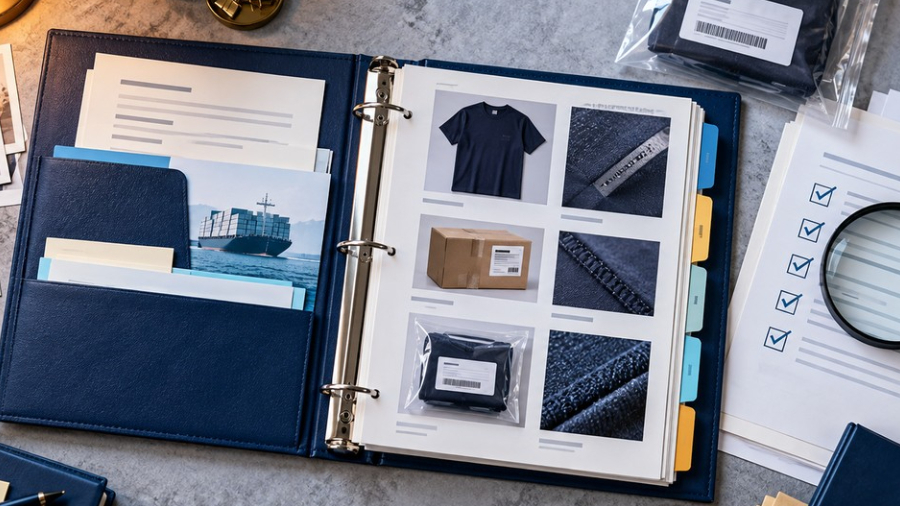
For e-commerce sellers targeting the U.S. market, Amazon FBA has become one of the most practical ways to scale operations. Instead of managing storage, packing, and final delivery independently, sellers can send products into Amazon fulfillment centers and let the platform handle order fulfillment. This model helps reduce operational pressure, improve delivery speed, and support business growth. However, shipping to Amazon warehouse locations is not the same as ordinary international shipping. It requires careful planning, accurate labeling, compliant packaging, and a clear understanding of freight options.
For sellers sourcing products from China, logistics mistakes can create delays, extra charges, receiving issues, and stock shortages. That is why a strong shipping strategy matters. Whether using express delivery, air freight, or sea freight, sellers need to understand how the Amazon shipping process works from pickup in China to final warehouse check-in in the USA. This guide explains the full process, compares major shipping methods, breaks down costs, and shares practical ways to improve FBA shipping efficiency.
Why Amazon FBA Shipping Matters
Amazon FBA is popular because it allows sellers to focus more on sourcing, branding, and sales while using Amazon’s fulfillment network for storage and delivery. But the success of this model depends heavily on inventory arriving at the right time and in the right condition.
If products arrive late, listings may lose momentum. If cartons are labeled incorrectly, the shipment may be delayed or rejected. If inventory planning is weak, sellers may be forced to use expensive emergency freight. Because of this, shipping to Amazon warehouse destinations should be treated as a structured supply chain task rather than a simple transport booking.
For businesses relying on amazon fba shipping from china, logistics is directly connected to stock availability, cost control, and sales stability.
How Amazon FBA Shipping Works
The Amazon FBA shipping process includes several linked steps. Each stage must be handled correctly to avoid delays and added cost.
Product preparation before shipment
Before goods leave China, the products need to be prepared according to Amazon requirements. This often includes barcode labeling, carton labeling, protective packaging, bundling, and unit-level preparation for warehouse receiving.
The goal is to make sure the products can be accepted smoothly once they arrive. If the goods are not prepared correctly, they may require relabeling, repacking, or correction before becoming available for sale.
Creating the shipment plan
The next step is creating the shipment plan. This identifies what products are being sent, how many units are included, and which fulfillment centers will receive the inventory. In many cases, sellers may find that one shipment is split into multiple warehouse destinations.
This part of the amazon shipping process is critical. Carton counts, dimensions, and product quantities must match the actual shipment. Any mismatch can create receiving problems after arrival.
Supplier pickup and cargo collection
Once the shipment plan is ready, the goods are collected from the supplier or factory in China. Some sellers ship directly from the supplier, while others first move the products to a local warehouse for inspection, relabeling, or consolidation.
This stage is often overlooked, but it matters a lot. If the cargo leaves the factory with incorrect labels or weak packaging, fixing the problem later becomes more costly and time-consuming.
Export handling in China
After collection, the goods move into export processing. This includes checking shipment details, preparing freight documents, arranging customs export procedures, and sending the cargo to the port or airport.
For smooth fba shipping, this stage should include a final review of labels, carton condition, box counts, and shipping paperwork. Problems discovered at export are easier to solve than problems discovered after arrival in the USA.
International transportation
The cargo is then shipped from China to the United States using the selected freight method. The most common options are express shipping, air freight, and sea freight.
This is where speed, budget, and shipment size come together. Sellers with urgent replenishment needs may choose express or air, while those managing larger planned inventory often prefer sea freight for better cost efficiency.
Customs clearance in the USA
After arrival, the goods go through customs clearance. Accurate declaration, correct product descriptions, and complete documentation are all essential. Customs delays can postpone delivery to Amazon warehouses and affect stock availability.
For amazon fba shipping from china, customs preparation should never be treated as a last-minute step. It should be built into the shipping plan from the beginning.
Final delivery to the Amazon warehouse
Once customs is complete, the goods move to the assigned fulfillment center or centers. Delivery must follow the shipment instructions created earlier. If pallets are required, if appointments are needed, or if cartons must meet certain warehouse handling standards, those conditions must be met.
Successful shipping to Amazon warehouse destinations depends on accuracy all the way from China to final check-in.
Choosing the Right Shipping Method for FBA
There is no single best shipping method for every seller. The right choice depends on urgency, shipment size, product value, and inventory strategy.
Express shipping
Express shipping is usually best for small urgent shipments. It is fast, simple, and useful when a seller needs to replenish a fast-selling item quickly. It also works well for samples, testing shipments, and lightweight high-margin goods.
The downside is cost. Express delivery usually has the highest cost per kilogram, so it is not ideal for regular bulk restocking.
Air freight
Air freight is often the middle-ground option. It is faster than sea freight and more practical than express shipping for medium-sized urgent shipments. Sellers often use air freight when they need inventory to arrive quickly but the shipment is too large for cost-effective express service.
For product launches, promotional events, or stock recovery, air freight can be a very useful solution.
Sea freight
Sea freight is generally the most economical method for large shipments and long-term restocking. It is slower, but it offers much lower unit shipping cost for larger cargo volumes.
For stable sellers with stronger demand forecasting, sea freight is often the foundation of a more profitable FBA shipping model. It works well for routine inventory movement, especially when the products are heavier or shipped in larger quantity.
Direct shipping versus intermediate warehouse handling
Some sellers ship directly to Amazon fulfillment centers. Others first send the products to an intermediate warehouse or prep location for inspection, relabeling, or splitting.
Direct shipping saves time and may reduce handling steps, but it requires better control at origin. Using an intermediate location adds cost, but it can reduce the risk of warehouse receiving issues if the supplier’s packing quality is inconsistent.
Hybrid strategy for better balance
Many experienced sellers do not rely on just one shipping method. A common approach is to send a small urgent portion by air and the larger remaining volume by sea. This keeps inventory available while controlling freight cost across the full shipment plan.
This hybrid strategy often provides better results than using only fast transport or only low-cost transport.
Best Practices for Shipping Efficiently to Amazon Warehouses
Efficient FBA shipping depends on process discipline, not just freight booking.
Confirm packaging and labeling rules early
Do not wait until the cargo is packed. Confirm box labels, unit labels, carton structure, and preparation requirements before production is completed. Late corrections increase both time and cost.
Inspect before shipment
An inspection step before shipping helps catch labeling mistakes, quantity mismatches, and packaging problems. This is especially important when goods will go directly from China to the USA without passing through another warehouse.
Keep shipment data accurate
Box counts, dimensions, weights, and unit quantities should match the shipment plan exactly. Incorrect data is one of the most common reasons for receiving problems in the amazon shipping process.
Plan inventory ahead
Many sellers overspend on freight because they wait too long to replenish stock. Better demand planning allows more use of sea freight and reduces reliance on urgent shipping.
Consolidate cargo when possible
Multiple small shipments often create higher total cost than one well-planned consolidated shipment. Combining goods can improve loading efficiency and reduce handling charges.
Communicate clearly with suppliers
Suppliers should understand the packaging standards, carton requirements, timeline expectations, and label instructions. Weak communication at the source is one of the biggest risks in FBA logistics.
Cost Breakdown of FBA Shipping
The total cost of shipping to Amazon warehouse locations includes more than just the freight rate. Sellers need to understand the full landed cost.
Product preparation cost
This may include labeling, poly bagging, bundling, carton reinforcement, inspection, and repacking. These preparation steps affect the final shipping budget even before transport begins.
Inland transport in China
If the goods must move from the supplier to a port, airport, or warehouse in China, that domestic transport cost needs to be included in the total plan.
International freight cost
This is the main charge for moving the cargo from China to the USA. It varies based on method, weight, volume, season, urgency, and route conditions.
Customs and clearance-related cost
Import duties, entry charges, customs handling fees, and compliance-related expenses all contribute to the full cost. Inaccurate paperwork can increase this part of the budget.
Final delivery cost
Once the goods arrive in the USA, there may still be costs for local delivery, warehouse appointments, pallet handling, unloading, and final transfer to the fulfillment center.
How to optimize for savings
The best savings usually come from planning earlier, improving packaging, consolidating shipments, and using sea freight whenever timing allows. Sellers should always compare full landed cost rather than selecting a freight method based only on the base transport quote.
Examples of Successful Amazon FBA Shipping
Example one: urgent restock to protect sales
A seller notices one product is selling much faster than expected. Instead of waiting for the next full shipment, the seller sends a smaller urgent batch by air to avoid a stockout. At the same time, a larger sea shipment is arranged for ongoing replenishment.
This approach increases short-term freight cost on the urgent batch but protects sales continuity and listing performance.
Example two: routine sea freight for stable inventory
A seller with steady monthly demand uses sea freight for regular restocking. Because sales forecasting is stronger, urgent freight is rarely needed. This reduces the average shipping cost per unit and supports better margin control.
This model works well for mature products with predictable order volume.
Example three: pre-shipment inspection prevents warehouse issues
A seller handling multiple product variations uses inspection before export. During this check, incorrect carton labeling and quantity mismatches are found and corrected before departure. As a result, the goods reach the assigned fulfillment center smoothly without receiving delays.
This example shows how better preparation in China can improve overall fba shipping performance in the USA.
Common Mistakes to Avoid
Some problems appear again and again in Amazon FBA shipping:
Sending goods without checking label accuracy
Using incorrect carton counts in the shipment plan
Relying too often on urgent freight because of poor forecasting
Ignoring customs documentation details
Using oversized packaging that raises freight cost
Shipping directly to the warehouse without verifying compliance
Comparing quotes without checking included services
Avoiding these mistakes can help sellers reduce cost and improve delivery reliability.
For related planning, read Amazon FBA Shipping Guide and Warehouse Logistics 101: What It Is and Why It Matters in Global.
Conclusion
Shipping to Amazon warehouse locations from China requires much more than ordinary international freight booking. Sellers need to manage packaging, labeling, shipment planning, transport selection, customs readiness, and final warehouse delivery with precision. Every stage affects whether the goods arrive on time, are accepted smoothly, and become available for sale without unnecessary delay.
The best shipping strategy depends on the seller’s product, sales cycle, shipment size, and inventory urgency. Express and air freight are useful for urgent replenishment, while sea freight is usually more cost-effective for stable and larger shipments. In many cases, a combination of methods creates the best balance between speed and cost.
For businesses relying on amazon fba shipping from china, long-term success comes from better planning, strong supplier communication, accurate shipment data, and a full understanding of the amazon shipping process. When those pieces are in place, FBA logistics becomes more predictable, more efficient, and more supportive of sustainable growth.
FAQ
What is the best way to handle shipping to Amazon warehouse locations?
The best way is to prepare products correctly, create an accurate shipment plan, choose the right freight method, and make sure labeling and documentation are fully aligned before the goods leave China.
Is sea freight suitable for Amazon FBA shipping?
Yes. Sea freight is often the most economical option for larger and non-urgent shipments. It works best when inventory planning is strong and replenishment can be scheduled in advance.
How can sellers reduce FBA shipping costs?
Sellers can reduce costs by consolidating cargo, improving packaging efficiency, planning inventory earlier, using sea freight for routine stock, and avoiding frequent emergency replenishment.
 English
 Deutsch
 Português
 العربية
 中文
中文


 25 Sep