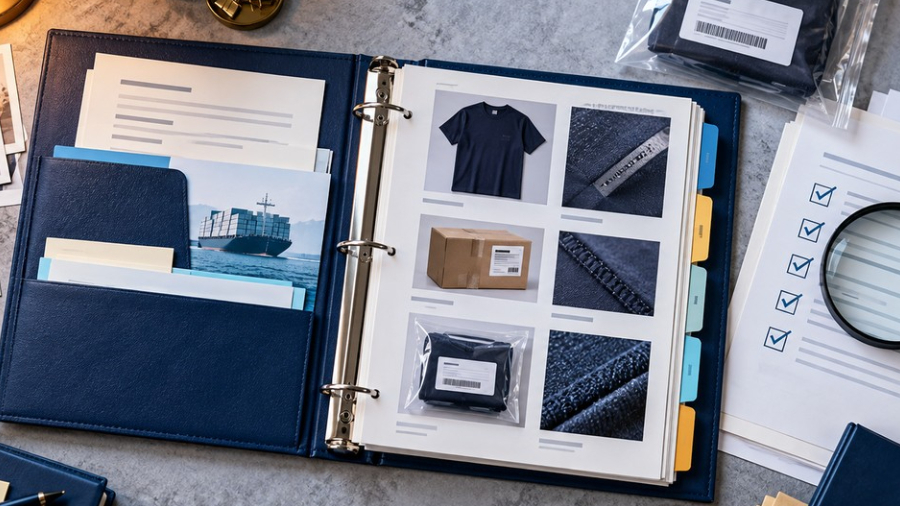
Amazon FBA has become an important fulfillment solution for many e-commerce sellers because it allows inventory to be stored, picked, packed, shipped, and handled through Amazon’s fulfillment network. For sellers sourcing products from China, efficient amazon inventory delivery from china is essential for keeping listings active, avoiding stockouts, controlling costs, and meeting delivery expectations.
The process is not only about moving cartons from a factory to a warehouse. It includes shipment preparation, labeling, export handling, customs clearance, transportation, appointment scheduling, and final delivery to fulfillment centers. Sellers also need to follow FBA inventory and routing requirements, including proper packaging, box labels, pallet labels where required, and accurate shipment information.
This guide explains how amazon stock shipping works from China to the USA, how to choose the right freight method, what costs to expect, and how to improve FBA inventory delivery with better warehouse logistics and shipment preparation.
How Amazon FBA Shipping Works from China
Amazon FBA shipping from China usually follows a clear step-by-step process. The exact details depend on product type, shipment size, transportation method, and destination fulfillment center, but the basic workflow is similar for most sellers.
First, the seller prepares product information and creates or confirms listings. Products must be eligible for FBA, and shipment details must match the actual goods being sent.
Second, inventory is packed at the supplier’s factory or at a preparation warehouse in China. This stage is very important because incorrect labeling, weak cartons, mixed SKUs, missing barcodes, or wrong box dimensions can create delays after arrival.
Third, the seller creates an inbound shipment plan through the platform’s shipping workflow. This includes selecting inventory, entering quantities, confirming packing details, and receiving fulfillment center destination instructions. Amazon’s own guidance explains that sellers choose inventory, provide ship-from and destination information, and prepare shipments through the inbound workflow.
Fourth, the cargo moves from China to the USA by sea freight, air freight, or express shipping. For bulk inventory, sea freight is usually more economical. For urgent restocking, air freight may be more suitable. For samples or very small shipments, express may be convenient.
Fifth, the shipment clears U.S. customs. Amazon states that its fulfillment centers do not serve as the Importer of Record for FBA inventory, so sellers need to arrange the proper importer and customs process before the shipment arrives.
Finally, the cargo is delivered to the assigned fulfillment center. After receiving and check-in, inventory becomes available for sale once it is processed.
Key Steps in Shipment Preparation
Shipment preparation is one of the biggest success factors in amazon inventory delivery from china. Even if the freight route is well planned, poor preparation can lead to receiving delays, rejected cartons, extra handling, or inventory problems.
Product labels should be clear, scannable, and placed correctly. Cartons should be strong enough for international transportation and warehouse handling. If products are fragile, liquid-based, sharp, bundled, sold as sets, or packed in poly bags, sellers should confirm the relevant packaging rules before shipping.
Box-level information must also be accurate. Weight, dimensions, SKU quantity, and carton count should match the shipment plan. Inaccurate box data may cause delays or additional issues during receiving. Amazon’s shipping requirements also note that boxes and pallets need proper labels, including unique FBA box ID labels and pallet labels when pallets are used.
For sellers shipping from China, a pre-shipment inspection is often useful. It can confirm product quantity, carton condition, labels, packaging, and barcode placement before the cargo leaves the factory. Fixing errors in China is usually much easier and cheaper than fixing them after cargo reaches the USA.
Choosing the Right Shipping Method for FBA
There is no single best shipping method for every seller. The right method depends on cargo volume, urgency, product value, budget, and inventory status.
Sea Freight for Larger FBA Shipments
Sea freight is usually the best option for large-volume inventory. It offers lower cost per unit and works well for planned replenishment. Sellers can ship full containers or smaller consolidated loads depending on order size.
Sea freight is ideal when the seller has enough inventory planning time. It is slower than air shipping, but the cost savings can be significant for heavy or bulky goods. It is also suitable for sellers who maintain regular stock cycles and do not need emergency replenishment.
The main challenge is longer transit time. Sellers must consider factory lead time, export handling, ocean transit, customs clearance, port availability, inland trucking, delivery appointments, and fulfillment center receiving time.
Air Freight for Urgent Restocking
Air freight is faster and more expensive. It is often used when inventory is running low, a product launch is time-sensitive, or sales velocity is higher than expected.
For FBA inventory delivery, air freight can help prevent stockouts, but it should not become the default method unless the product margin supports it. Since air freight is often priced by chargeable weight, bulky lightweight goods may be costly.
A practical approach is to split inventory: send a small urgent batch by air and the main replenishment by sea. This keeps listings active while controlling total logistics cost.
Express Shipping for Samples and Small Shipments
Express shipping is simple and fast, but usually expensive per unit. It is best for samples, small test batches, urgent documents, or very small quantities.
For larger FBA shipments, express can quickly reduce profit margins. Sellers should compare the total cost per unit before choosing this option.
Cost Breakdown of FBA Shipping from China
The cost of amazon inventory delivery from china includes more than the international freight rate. A complete budget should include the full path from factory to fulfillment center.
Common cost items include:
product pickup from supplier
China warehouse handling if needed
inspection or preparation service
carton labeling and product labeling
export documentation
international freight
cargo insurance if needed
U.S. customs clearance
import duties and taxes
destination handling
inland trucking
delivery appointment handling
storage or waiting charges
possible rework fees if preparation is incorrect
Sea freight usually has lower freight cost per unit but more destination-related steps. Air freight has higher transportation cost but faster delivery. Express shipping may include more door-to-door convenience but can become expensive as volume grows.
To optimize savings, sellers should calculate landed cost per unit, not just total shipping cost. A shipment may look cheap overall but still be inefficient if cartons are oversized, products are poorly packed, or inventory is split across too many small shipments.
How to Improve Warehouse Logistics
Warehouse logistics connects the supplier, preparation warehouse, freight forwarder, customs broker, and fulfillment destination. If this chain is not coordinated, delays are likely.
A good warehouse logistics process should include:
clear SKU separation
accurate carton labels
quality control before packing
carton dimension verification
pallet planning if needed
photo records before shipment
shipment plan matching
document review before export
For China-to-USA FBA shipments, many sellers use a prep warehouse before export. This is useful when suppliers are not familiar with FBA requirements or when inventory comes from multiple factories.
A prep warehouse can consolidate cartons, apply labels, check packaging, inspect product condition, and prepare shipments according to inbound requirements. This can reduce problems after arrival.
Practical Tips for Efficient Amazon Stock Shipping
Efficient amazon stock shipping starts before production is finished. Sellers should plan logistics early instead of waiting until cartons are ready.
First, confirm product packaging requirements before mass production. If packaging must include barcodes, warning labels, suffocation warnings, or set markings, build this into the production process.
Second, ask suppliers for accurate carton dimensions and weights. Do not estimate. Freight rates, shipment plans, and warehouse receiving all depend on accurate data.
Third, avoid mixing too many SKUs in one carton unless the shipment plan allows it and the labels are clear. Mixed cartons can increase handling complexity.
Fourth, keep inventory forecasting updated. If sales are growing, place replenishment orders early enough to use sea freight instead of emergency air freight.
Fifth, check all documents before export. Commercial invoice, packing list, product description, declared value, and importer information should be consistent.
Sixth, monitor fulfillment center delivery requirements. Large shipments may need appointments, pallet preparation, or specific routing steps. Missing these details can delay receiving.
Case Study: Saving Cost with Split Shipping
A seller preparing for seasonal sales had 800 cartons ready in China. The inventory was needed in the USA, but the seller was concerned about stockouts before the main shipment could arrive.
Instead of shipping everything by air, the seller divided the cargo into two parts. A small urgent batch moved by air freight to keep the listing active, while the main inventory moved by sea freight.
This strategy reduced total logistics cost while protecting sales continuity. The seller avoided a full air shipment and still had enough stock to bridge the gap until the sea shipment arrived.
The lesson is simple: split shipping can be useful when timing and cost must be balanced.
Case Study: Avoiding Receiving Delays with Better Labeling
Another seller shipped cartons directly from a factory without checking labels carefully. Some box labels were placed incorrectly, and several cartons had unclear SKU separation. After arrival, the shipment took longer to process.
For the next shipment, the seller used a preparation checklist before export. The supplier confirmed product labels, carton labels, box contents, weight, dimensions, and packaging photos. The shipment moved more smoothly, and receiving time improved.
This example shows why shipment preparation is not a small detail. It directly affects delivery speed and inventory availability.
Common Mistakes to Avoid
Many sellers lose money because they treat FBA shipping as a simple freight task. In reality, it is a combined logistics and compliance process.
Common mistakes include:
shipping before confirming the shipment plan
using weak export cartons
entering inaccurate box dimensions
forgetting product labels
mixing SKUs without clear preparation
choosing air freight too often
not budgeting import duties
ignoring customs requirements
not leaving time for receiving
waiting too long to reorder inventory
Avoiding these mistakes can make amazon inventory delivery from china more predictable and cost-effective.
For related planning, read Amazon FBA Shipping Guide and Warehouse Logistics 101: What It Is and Why It Matters in Global.
Conclusion
Amazon inventory delivery from China requires careful planning, accurate shipment preparation, and the right transportation method. Sellers must manage supplier coordination, FBA labeling, export handling, customs clearance, freight selection, inland delivery, and fulfillment center receiving.
Sea freight is usually best for planned bulk inventory, air freight is useful for urgent replenishment, and express shipping works for small or time-sensitive shipments. The best logistics strategy often combines these methods based on inventory needs and profit margins.
For better results, sellers should focus on accurate carton data, proper labels, strong packaging, early shipment planning, and realistic delivery timelines. With the right process, fba inventory delivery becomes more stable, cost-efficient, and easier to scale.
FAQ
How long does Amazon inventory delivery from China to the USA take?
Transit time depends on the shipping method. Express and air freight are faster, while sea freight takes longer but usually costs less. Sellers should also include time for production, export handling, customs clearance, inland delivery, appointment scheduling, and fulfillment center receiving.
What is the best shipping method for FBA inventory?
Sea freight is usually best for large planned shipments. Air freight is better for urgent restocking. Express shipping is useful for samples and very small shipments. Many sellers use a mixed strategy to balance speed and cost.
Why is shipment preparation important for FBA?
Shipment preparation helps ensure that products, cartons, labels, and documents meet inbound requirements. Good preparation reduces receiving delays, rejected cartons, extra handling, and inventory availability problems.
 English
 Deutsch
 Português
 العربية
 中文
中文


 25 Sep