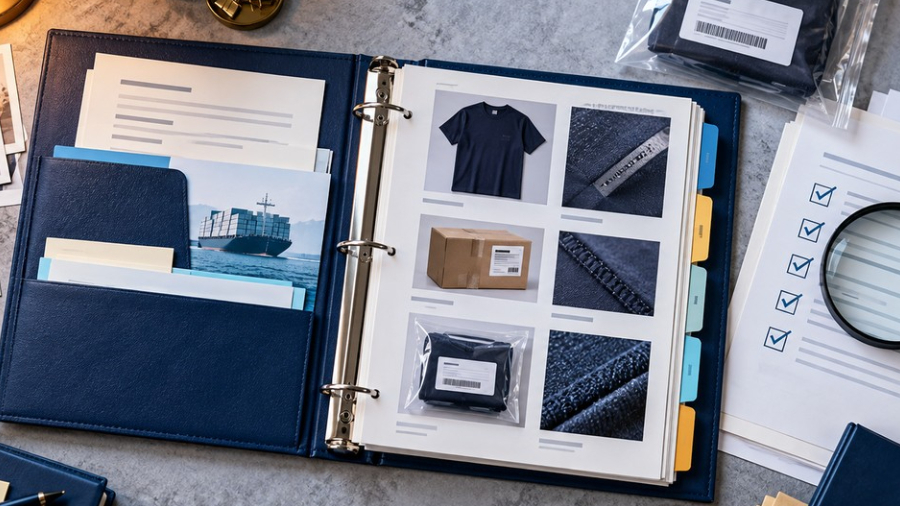
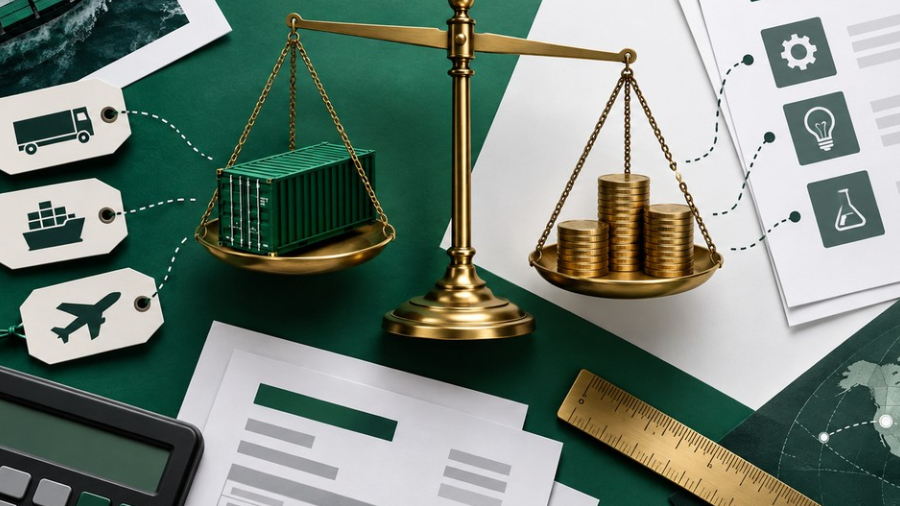
Shipping goods from China to Hawaii—specifically to Honolulu—via ocean freight is a strategic decision that requires meticulous planning, accurate documentation, and the right logistics partnerships. As global trade expands, ocean freight to Hawaii has become a preferred method for moving large volumes of goods cost-effectively. However, Hawaii’s remote location and unique import environment demand specialized knowledge to avoid delays, minimize costs, and ensure compliance.
Why Ocean Freight to Hawaii Is a Strategic Shipping Option
Shipping by sea from China to Honolulu offers a balance of economy and scalability. While air freight is faster, it is significantly more expensive and capacity-limited. Ocean freight, in contrast, accommodates:
- Heavy or oversized shipments
- Palletized goods in containers
- Consistent delivery for retail, construction, or wholesale supplies
Given Hawaii's reliance on imports, reliable ocean freight to Hawaii enables businesses to maintain inventory levels without inflating landed costs.
Key Planning Considerations Before Shipping
Selecting the Right Port of Origin in China
Popular Chinese ports that support transpacific shipping to Hawaii include:
- Shanghai (Yangshan Port) – Excellent for central China manufacturing hubs.
- Shenzhen (Yantian or Shekou) – Ideal for exporters near Guangdong.
- Ningbo-Zhoushan – A preferred option for East China exporters.
- Xiamen and Qingdao – Secondary options for coastal shipment.
Your choice depends on factory location, carrier schedules, and container availability. The right port can reduce transit time and handling charges.
Container Options: FCL vs LCL
- Full Container Load (FCL): Entire 20ft or 40ft container is used by one shipper. Lower cost per unit for bulk cargo.
- Less-than-Container Load (LCL): Shared space in a container with other shipments. Ideal for smaller volumes.
Ensure proper palletization and labeling. Engage a forwarder early to optimize cost, especially if you plan to consolidate shipments.
Working With Experienced Freight Partners
To successfully manage cross-border shipments, working with the right logistics providers is essential. Experienced ,hawaii freight forwarders, global logistics partner teams understand:
- Local port procedures in Honolulu
- Ocean carrier routing strategies
- Compliance with U.S. Customs and Border Protection (CBP)
- Final-mile delivery across the Hawaiian islands
These partners serve as critical bridges between Chinese exporters and Hawaiian importers, offering value beyond transportation—such as documentation, risk management, and warehousing coordination.
Documentation and Customs Requirements
Essential Documents for Ocean Freight to Hawaii
- Bill of Lading (B/L): Serves as proof of shipment and ownership.
- Commercial Invoice: Includes declared value and HS codes.
- Packing List: Details item quantities, sizes, and weights.
- Export Clearance Documents: Required by Chinese authorities.
- Arrival Notice & Customs Entry (U.S.): Required for U.S. port clearance.
Ensure that all documentation is reviewed before departure. Mistakes or omissions can lead to port delays or costly fines.
Navigating U.S. Customs
U.S. import rules for Hawaii are enforced by the same federal standards as the mainland, but local nuances exist. Shipments must be pre-cleared, with duties and taxes calculated based on declared value. Delays can occur if manifests don’t match cargo, or if items are flagged for inspection.
This is where a competent freight forwarder can make or break your shipment—handling forms like the ISF (Importer Security Filing) and ensuring everything is filed within required timelines.
Transit Time and Shipping Schedules
Average transit time for ocean freight from China to Honolulu is:
- 14 to 22 days for direct or transloaded routes
- Up to 30 days if shipments are routed via West Coast ports (e.g., Los Angeles or Oakland)
Carriers generally have weekly sailing schedules. Booking in advance is critical, especially during peak seasons like Chinese New Year or U.S. retail holidays.
Destination Handling in Honolulu
Once cargo reaches Honolulu, it goes through the following stages:
- Container Unloading: At port terminals, usually at Sand Island or Barber’s Point.
- Customs Examination: If flagged, CBP will inspect cargo.
- Clearance & Pickup: After clearance, containers are either trucked to the final destination or deconsolidated if part of an LCL shipment.
- Last-Mile Delivery: Trucks or local couriers complete final delivery to retail locations, warehouses, or homes.
Final-mile logistics must be planned carefully due to Hawaii’s infrastructure limitations and varying delivery access across islands.
Cost Factors to Monitor
Ocean freight rates are influenced by:
- Container type and weight
- Origin and destination port fees
- Documentation and handling charges
- Fuel and bunker surcharges
- Customs duties and taxes
Partnering with an experienced freight forwarder helps avoid hidden charges and unexpected cost overruns.
Risk Management and Common Pitfalls
Port Congestion or Weather Disruptions
Hawaii is susceptible to port congestion and seasonal weather issues. Always factor a buffer into your delivery timeline.
Documentation Errors
Missing or misfiled paperwork is a top cause of shipment delays. Work with logistics professionals who double-check your forms.
Inventory Planning
Avoid relying on “just-in-time” inventory for ocean shipments to Hawaii. Weather and logistics delays make forecasting and buffer stock critical.
Leveraging Technology for Better Visibility
Modern logistics platforms now offer:
- Real-time container tracking
- Customs clearance status updates
- Predictive ETAs and alerts
- Digital document uploads
These tools reduce manual errors, improve coordination, and provide data-driven insight into your supply chain performance.
Building a Scalable Shipping Strategy
As your Hawaii-based business grows or your China sourcing increases, consider:
- Integrating warehouse logistics solutions in Honolulu or nearby islands for local distribution
- Negotiating long-term rates with ocean carriers
- Diversifying port entry strategies, such as routing via U.S. mainland when direct service is unavailable
With help from a reliable logistics partner, you can scale operations and reduce supply chain volatility.
For related planning, read Ocean Freight from China to USA Explained.
Conclusion
Successfully managing ocean freight to Hawaii from China requires more than booking container space. It’s a complex orchestration of international transport, regulatory compliance, customs coordination, and local delivery expertise. By working with experienced , hawaii freight forwarders , global logistics partner teams, you ensure that your shipments are not only compliant and timely but also cost-efficient and customer-ready.
 English
 Deutsch
 Português
 العربية
 中文
中文


 25 Sep