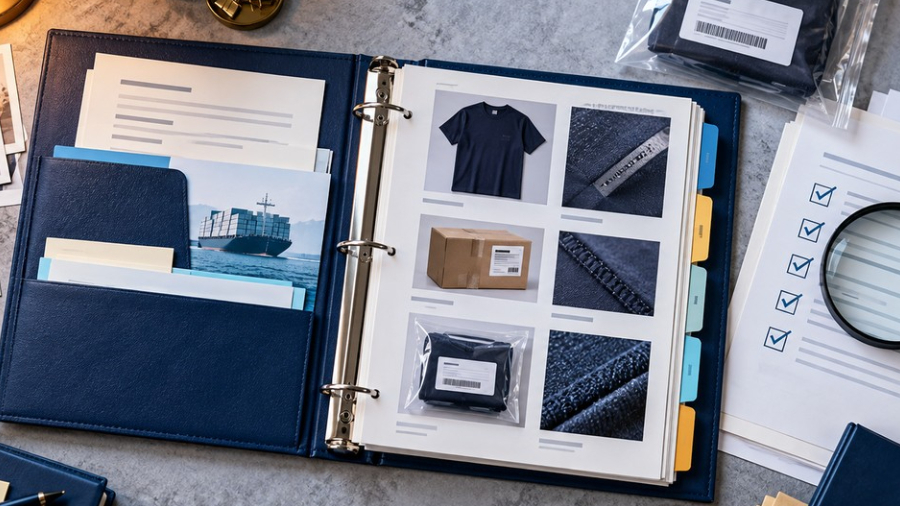
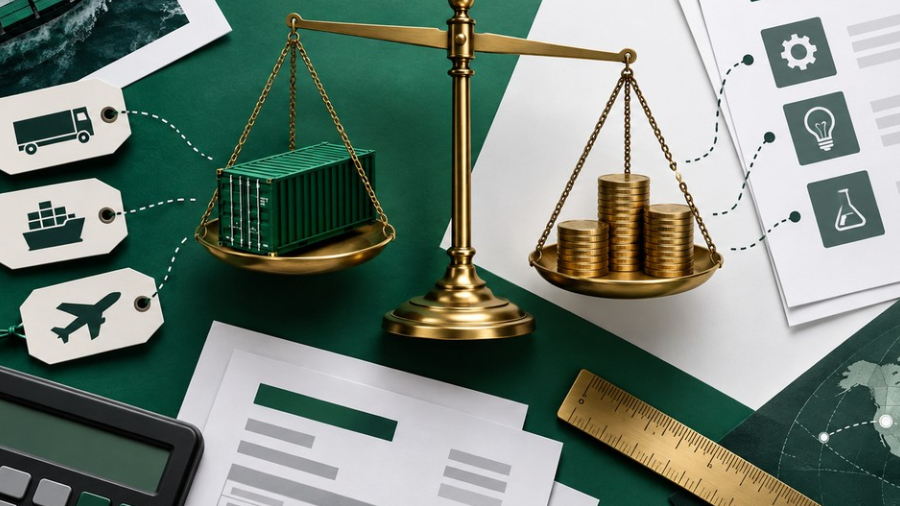
Ocean freight from china to usa is one of the most widely used shipping methods for international trade. For importers, wholesalers, manufacturers, and e-commerce sellers, it offers a practical balance between cost control and large-volume transport. When businesses move bulky, heavy, or non-urgent goods, ocean shipping is often the most economical option compared with air freight or express delivery. Because of this, understanding how sea freight works is essential for any company building a long-term import strategy.
Unlike faster shipping methods, ocean freight requires stronger planning. Transit takes longer, container arrangements need to be understood clearly, and the full process includes pickup, export handling, vessel transport, customs clearance, and inland delivery. A business that chooses this method without proper planning may still face delays or extra charges. But when used correctly, it can lower shipping cost per unit, improve supply chain stability, and support large-scale inventory movement. This guide explains how ocean freight works, where it fits best, how it compares with other freight options, and what businesses should know before choosing it.
Why Ocean Freight Matters in Global Trade
Ocean shipping remains one of the most important transport methods in global trade because it can handle large shipment volumes efficiently. Many industries rely on it to move regular inventory, raw materials, machinery, furniture, building products, industrial parts, and consumer goods.
For businesses importing from China to the United States, ocean freight from china to usa is especially important because it supports both wholesale and long-term replenishment models. If a company depends only on air freight, logistics costs may become too high for routine stock movement. Ocean shipping helps solve that problem by reducing transport cost across larger cargo volumes.
This method is not ideal for every shipment, but for the right cargo, it is often the foundation of a sustainable logistics strategy.
How Ocean Freight from China to USA Works
The full shipping process includes several linked stages. Understanding each one helps businesses reduce mistakes and control timing more effectively.
Cargo pickup at origin
The first step usually begins at the supplier, factory, or warehouse in China. The cargo needs to be collected and transported to the departure port or to a consolidation facility if the shipment is not large enough for a full container.
This stage matters because poor packaging, inaccurate carton counts, or weak documentation at origin can affect the rest of the shipment.
Export handling
Once the cargo reaches the export side, it goes through cargo receiving, document preparation, and loading arrangements. At this point, the goods are prepared for international movement by cargo vessel.
If the shipment uses a shared container model, cargo may be combined with other shipments before loading. If it is a full container shipment, the goods are usually loaded directly into one container for departure.
Vessel transport
After loading, the goods move by sea from China to the United States. This is the core transport leg in marine logistics. Transit time depends on route, port choice, cargo scheduling, and seasonal conditions.
Ocean shipping is slower than air transport, but it usually offers much better cost efficiency for large or heavy shipments.
Arrival and customs clearance
After arrival in the United States, the cargo goes through customs procedures before release. The shipment must be supported by proper documents, accurate cargo details, and consistent declared information.
A customs delay can affect the final delivery timeline, so businesses should not treat customs as separate from the freight process.
Destination handling and inland delivery
Once customs is completed, the shipment moves to the next stage, which may include terminal handling, warehouse transfer, or inland delivery. Some cargo goes directly to a warehouse, while other shipments may be sent to a distribution center or final business location.
This final stage is an important part of container transport usa planning because the shipment is not truly complete until the cargo reaches the consignee.
Main Ocean Freight Shipment Types
Ocean freight usually works through two main shipment structures.
Full container load
Full container load is commonly chosen when a business has enough cargo to fill most or all of a container. This method offers stronger cargo control, fewer handling points, and often lower cost per unit for larger shipments.
It is especially useful for wholesalers, manufacturers, and businesses that import large regular quantities.
Less than container load
Less than container load is better for businesses that do not yet need a full container. In this model, the cargo shares space with other shipments. This reduces the need to pay for a full container, but it may involve more handling and a slightly longer process because cargo needs to be consolidated and separated.
This option is often used by smaller importers, growing sellers, or companies placing medium-sized orders.
Advantages of Ocean Freight
Ocean freight offers several major benefits when it matches the shipment type.
Lower cost for large shipments
The biggest advantage is usually cost efficiency. For bulky, heavy, or high-volume goods, sea cargo from china is generally much more economical than air shipping.
Better for routine inventory movement
If a business can forecast demand well, ocean shipping becomes an excellent way to support regular restocking and stable supply planning.
Suitable for many cargo types
Ocean shipping works well for products that are too large, too heavy, or too expensive to move by air on a routine basis.
Flexible container options
Businesses can choose between full container and shared container shipping depending on volume, which makes this method useful for both large and medium shipment sizes.
Disadvantages of Ocean Freight
Ocean shipping also comes with tradeoffs that businesses need to understand.
Longer transit time
The biggest disadvantage is speed. Ocean freight takes much longer than air shipping, so it requires more planning and stronger inventory management.
Higher dependence on planning
If a business waits too long to reorder stock, sea freight may not arrive in time. This often forces companies into expensive urgent freight later.
More handling in shared shipments
Less than container load shipments may involve more warehouse handling, consolidation, and deconsolidation, which can slightly increase complexity and timing risk.
Port and inland coordination matters
Because port shipping is only one part of the journey, final delivery planning is still important. Poor inland coordination can reduce the cost advantage of ocean freight.
Use Cases and Applications
Ocean shipping is best when the cargo profile and business needs match the method’s strengths.
Wholesale restocking
A wholesaler importing household products on a monthly basis usually benefits from ocean freight because the cargo volume is large and the business can plan ahead.
Heavy industrial goods
Machinery parts, building materials, tools, and heavy equipment components are often more suitable for marine logistics than air freight because of weight and transport cost.
Furniture and bulky consumer products
Bulky goods often become very expensive by air. Ocean freight is usually the more practical option for these categories.
Stable e-commerce inventory
An e-commerce seller with predictable monthly demand may use ocean freight for most replenishment and rely on faster shipping only for urgent gaps.
Multi-supplier consolidation
When a buyer sources from several factories, ocean freight can work well if the cargo is consolidated into one planned shipment.
Real-World Style Examples
Example one: growing importer
A growing importer of home goods starts with less than container load because order volume is still moderate. As sales increase, the business shifts to full container shipments. This lowers the average shipping cost per unit and improves cargo control.
Example two: stable wholesale cycle
A wholesale distributor forecasts monthly demand accurately and ships by ocean on a fixed schedule. Because the business does not rely on urgent freight, it controls logistics costs more effectively over time.
Example three: mixed strategy
A company launching a new product sends a small urgent batch by air so the product can enter the market quickly. The main restocking volume then moves by sea. This protects launch timing while keeping long-term shipping costs under control.
Comparison with Other Methods
A proper comparison helps businesses understand when ocean freight should or should not be used.
Ocean Freight vs Air Freight
Air freight is much faster, but it is usually much more expensive. Ocean freight is slower, but it is generally the better choice for larger, heavier, or non-urgent cargo.
If timing is critical, air may be the better choice.
If cost efficiency matters more than speed, ocean freight is usually stronger.
Ocean Freight vs Express Shipping
Express shipping is useful for small urgent parcels, documents, samples, and low-volume shipments. It is convenient, but usually has the highest cost per kilogram.
Ocean freight is better for business inventory, bulk goods, and shipments that are too large for economical express movement.
Ocean Freight vs Rail or Mixed Transport
Rail is not usually the main direct solution for standard China-to-USA shipping, but mixed transport can still play a role. For example, goods may arrive by sea and then continue by truck or rail inside the United States.
In practice, ocean freight often works as part of a broader freight system rather than as a completely separate method.
Practical Tips for Using Ocean Freight Efficiently
Plan inventory earlier
Because sea freight takes longer, strong inventory forecasting is essential. Businesses that plan ahead use ocean shipping more successfully.
Choose the right container type
Do not pay for a full container if the cargo volume is too small. At the same time, once shipment volume grows enough, moving from shared cargo to a full container may reduce cost per unit.
Improve packaging efficiency
Better carton sizing improves loading efficiency and reduces wasted container space. This can lower overall shipping cost.
Prepare documents accurately
Customs and release timing depend heavily on clean and accurate paperwork. Incomplete documents can delay cargo after arrival.
Coordinate destination delivery early
Do not wait until the vessel arrives to think about final delivery. Warehouse arrangements, unloading, and inland transfer should be planned in advance.
Use hybrid shipping when necessary
Some businesses achieve the best result by using ocean freight for routine stock and air freight only for urgent replenishment. This reduces average logistics cost without sacrificing flexibility.
Common Mistakes to Avoid
Some importers reduce the benefit of ocean freight by making avoidable errors.
Choosing sea freight for cargo that is too urgent
Waiting too long to place orders
Using poor packaging that wastes container space
Ignoring inland delivery planning
Failing to compare full landed cost
Using shared cargo for too long when full container shipping is already more efficient
Treating port shipping as the whole process instead of one stage in the supply chain
Avoiding these mistakes helps businesses use sea shipping more effectively.
For related planning, read Ocean Freight Rates and Sea Freight from China to USA.
Conclusion
Ocean freight from china to usa is one of the most practical and cost-effective shipping methods for businesses moving large, heavy, or non-urgent cargo. It supports wholesale supply, routine restocking, multi-supplier consolidation, and long-term inventory planning. When used properly, it can reduce transport cost per unit, improve shipping efficiency, and create a more stable supply chain.
At the same time, ocean freight works best when businesses understand its tradeoffs. It is slower than air shipping, requires earlier planning, and depends on accurate coordination from origin pickup to final delivery. The best results come when companies match this method to the right cargo and business objective.
For many importers, the smartest strategy is not choosing one shipping method forever. It is understanding when ocean shipping is the best fit and when a faster option should be used instead. With the right planning, sea cargo from china can become the core of a stronger and more cost-efficient international logistics strategy.
FAQ
What is the biggest advantage of ocean freight from China to USA?
The biggest advantage is usually lower cost for large, heavy, or bulky shipments compared with air freight.
When should a business choose sea cargo from china instead of air freight?
Sea shipping is usually better when the cargo is non-urgent, large in volume, heavy in weight, and part of routine or planned inventory movement.
What is the difference between full container and shared container shipping?
Full container shipping uses one container mainly for one shipment, while shared container shipping combines cargo from multiple shippers. Full container shipping is usually better for larger orders, while shared cargo is better for medium or smaller shipment volume.
 English
 Deutsch
 Português
 العربية
 中文
中文


 25 Sep