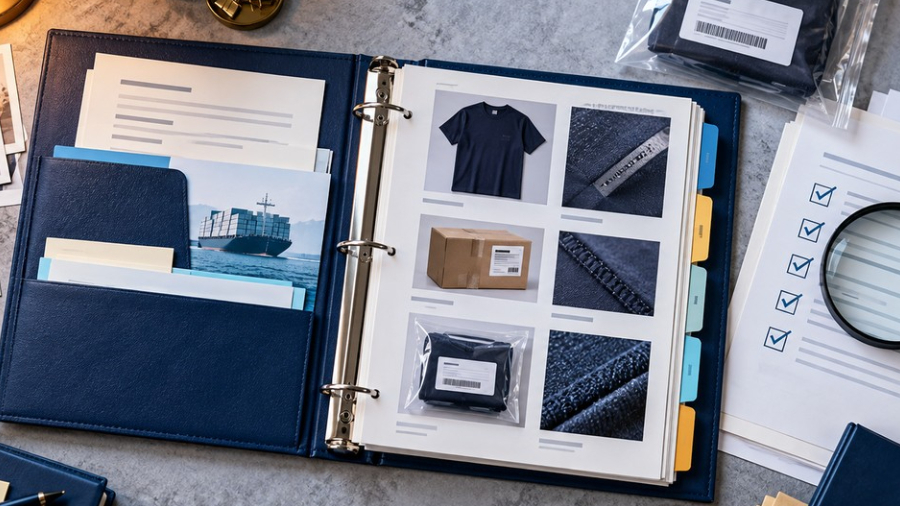
One of the most common questions in international shipping is: who pays tariffs the importer or the exporter? The answer affects shipment cost, duty payment, customs obligation, and the final landed cost of imported goods. In most standard import situations, tariffs are paid by the importer or importer of record in the destination country. However, the actual commercial responsibility can change depending on the agreed shipping terms.
For example, under FOB or CIF terms, the importer usually pays import duties and customs fees. Under DDP terms, the exporter or seller may include duty payment in the delivered price. This guide explains how tariff responsibility works, what importers should check, and how to avoid unexpected costs during customs clearance.
Who Usually Pays Tariffs?
In most international shipments, the importer is usually responsible for paying tariffs. This is because tariffs are charged when goods enter the destination country. The importer of record is normally the party responsible for customs declaration, import responsibilities, duty payment, and compliance with import rules.
The exporter usually handles export-side requirements in the origin country, such as preparing commercial documents, export packing, and sometimes export customs clearance depending on the trade term. However, the exporter does not normally pay import tariffs in the destination country unless the trade agreement specifically says so.
This is why the answer to who pays tariffs the importer or the exporter is usually: the importer pays, unless the shipment is arranged under a duty-paid term such as DDP.
Tariffs are different from freight charges. Freight charges pay for transportation. Tariffs are government-imposed charges collected during import customs clearance. Customs fees may also include entry processing, brokerage fees, inspection fees, or other clearance-related charges.
A typical importer may need to pay:
Import duty
Customs fees
Import taxes if applicable
Customs broker service fee
Destination port or airport charges
Final delivery charges
Storage or inspection fees if delays occur
These costs should be included in landed cost planning before the shipment is booked.
How Trade Terms Affect Duty Payment
Trade terms define who pays for each part of the shipping process. They are important because they decide whether the importer or exporter is responsible for freight, insurance, customs clearance, duty payment, and final delivery.
Under EXW, the buyer usually takes responsibility from the seller’s location. This means the importer often handles pickup, export arrangements, international freight, import customs clearance, tariffs, and delivery.
Under FOB, the seller usually handles export-side responsibility up to the agreed origin port. After that, the buyer usually handles ocean freight, import clearance, duty payment, and destination delivery.
Under CIF, the seller pays for cost, insurance, and freight to the destination port, but the importer usually handles customs clearance, import duty, customs fees, and final delivery after arrival.
Under DAP, the seller delivers the goods to the agreed destination, but the importer usually pays import duties and taxes.
Under DDP, the seller or exporter usually takes responsibility for delivery with duties paid. In this case, duty payment may be included in the seller’s price.
This is why the question who pays tariffs the importer or the exporter cannot be answered only by looking at the shipment route. You must check the trade term, invoice, quotation, and written agreement.
What Is the Importer of Record?
The importer of record is the party legally responsible for importing the goods into the destination country. This party is responsible for ensuring that customs documents are accurate, the goods are properly classified, the declared value is correct, and applicable duties and taxes are paid.
The importer of record may be the buyer, consignee, business owner, or another authorized party depending on the shipment arrangement. In many commercial imports, the buyer acts as the importer of record.
The importer of record may need to provide:
Commercial invoice
Packing list
Bill of lading or air waybill
Product description
Country of origin
Customs value
Tariff classification
Tax or business registration details if required
Import permits or compliance documents if applicable
Even if a customs broker helps file the entry, the importer of record still has responsibility for accurate information. If the product description is wrong, the declared value is inaccurate, or the tariff classification is incorrect, customs problems may occur.
This is why importers should not treat duty payment as only a payment issue. It is also a compliance issue.
When Does the Exporter Pay Tariffs?
The exporter may pay tariffs when the shipment is sold under Delivered Duty Paid terms. Under DDP, the seller or exporter agrees to deliver goods to the buyer’s named destination with customs clearance and duties included.
In this case, the exporter usually builds import duty, customs fees, shipping charges, and final delivery into the selling price. The buyer pays one combined amount and receives the goods with fewer customs tasks.
However, importers should still confirm exactly what is included. Some DDP quotes may include standard duty payment but exclude customs inspection, storage, demurrage, detention, remote delivery, unloading, or special compliance costs.
A clear DDP quotation should state:
Whether import duty is included
Whether import taxes are included
Whether customs fees are included
Whether customs clearance is included
Whether final delivery is included
Whether unloading is included
Which extra charges are excluded
DDP can be convenient, but buyers should avoid vague agreements. If the quote only says “DDP” without details, disputes may happen later.
Practical Example: Importer Pays Under FOB
A business buys packaged goods from an overseas supplier under FOB terms. The seller delivers the cargo to the origin port and completes export-side responsibilities. The buyer arranges ocean freight, import customs clearance, duty payment, and final delivery.
When the shipment arrives at the destination port, the importer’s customs broker files the customs entry. The duty amount is calculated based on product classification, customs value, and country of origin. The importer pays the import duty, customs fees, and destination charges before the cargo can be released.
In this case, the importer pays tariffs because FOB does not include destination import duty. The exporter has already completed their export-side responsibilities.
This example shows why FOB prices often look lower than DDP prices. FOB excludes many destination-side costs that the importer must pay separately.
Practical Example: Exporter Pays Under DDP
A small buyer wants a simple delivery solution and asks the supplier for DDP shipping. The seller provides one combined quote that includes product cost, international freight, customs clearance, import duty, customs fees, and delivery to the buyer’s warehouse.
In this case, the exporter or seller arranges duty payment as part of the DDP service. The buyer does not pay tariffs separately at customs because the duty cost is built into the DDP quote.
However, the buyer should still ask whether any abnormal fees are excluded. If customs selects the shipment for inspection or if the warehouse cannot receive the goods on time, extra fees may still apply depending on the agreement.
This example shows that the exporter can pay tariffs, but only when the trade term or contract clearly requires it.
How Tariffs Affect Shipment Cost
Tariffs directly affect shipment cost because they increase the total landed cost of imported goods. Landed cost means the full cost of getting goods from supplier to final destination.
A basic landed cost formula is:
Product cost + freight + insurance + import duty + customs fees + taxes + final delivery = landed cost
For business planning, importers should also calculate landed cost per unit:
Total landed cost ÷ number of units = landed cost per unit
This helps determine whether the product still has enough profit margin after customs obligation and shipping charges are included.
For example, a product may look profitable based on supplier price alone. But after adding freight, import duty, customs fees, and final delivery, the profit margin may become much smaller.
This is why importers should calculate tariffs before placing large orders, not after the cargo arrives.
Practical Tips for Avoiding Tariff Confusion
First, confirm the trade term before paying the supplier. EXW, FOB, CIF, DAP, and DDP create different duty payment responsibilities.
Second, ask who will act as the importer of record. This is important for customs obligation and legal responsibility.
Third, confirm whether the quote includes import duty. If the quote is not DDP, assume duty is probably not included unless clearly stated.
Fourth, request a written cost breakdown. The quote should separate product cost, freight, customs clearance, duty payment, customs fees, and delivery.
Fifth, calculate landed cost before ordering. Do not rely only on supplier price.
Sixth, prepare accurate customs documents. Product description, declared value, country of origin, and tariff classification affect duty calculation.
Seventh, work with a customs broker if the shipment is commercial, high-value, or complex.
Eighth, avoid vague product descriptions. Customs authorities may delay shipments if documents are unclear.
Ninth, keep records of invoices, packing lists, payment proof, entry documents, and duty receipts.
Tenth, review DDP quotes carefully. Make sure duties, taxes, customs fees, and delivery conditions are clearly included.
One common mistake is assuming the exporter always pays tariffs. In most cases, the importer pays unless DDP or another duty-paid arrangement is agreed.
Another mistake is comparing FOB and DDP prices directly. FOB includes fewer services, so it naturally looks cheaper.
A third mistake is ignoring customs fees. Even if duty is low, customs broker fees, processing fees, inspections, and delivery charges can affect total cost.
A fourth mistake is waiting until cargo arrives to calculate import duty. This can create cash flow problems and pricing mistakes.
A fifth mistake is not confirming the importer of record. If this role is unclear, customs clearance may be delayed.
A sixth mistake is accepting verbal promises. Duty payment responsibility should be confirmed in writing.
A seventh mistake is assuming DDP includes every possible charge. Some abnormal costs may still be excluded.
Conclusion
So, who pays tariffs the importer or the exporter? In most standard import shipments, the importer pays tariffs because duties are collected when goods enter the destination country. The importer of record is usually responsible for customs declaration, import responsibilities, duty payment, taxes, and customs fees.
However, the exporter may pay tariffs if the shipment is sold under DDP or another duty-paid agreement. In that case, duty payment is usually included in the seller’s price.
The best way to avoid confusion is to confirm the trade term, define the importer of record, request a written quote breakdown, and calculate landed cost before shipping. With clear shipping terms and accurate customs planning, importers can avoid unexpected costs and manage international shipments more confidently.
FAQ
Who pays tariffs the importer or the exporter?
Usually, the importer pays tariffs because tariffs are collected when goods enter the destination country. The exporter pays only if the trade agreement clearly includes duty-paid delivery, such as DDP.
What is duty payment in international shipping?
Duty payment is the payment of import duty required by customs authorities before imported goods can be released. It is usually based on product classification, customs value, and country of origin.
Are customs fees included in freight charges?
Not always. Freight charges cover transportation, while customs fees relate to import clearance. Customs fees are only included if the quote clearly states they are included, such as in some DDP services.
 English
 Deutsch
 Português
 العربية
 中文
中文


 25 Sep