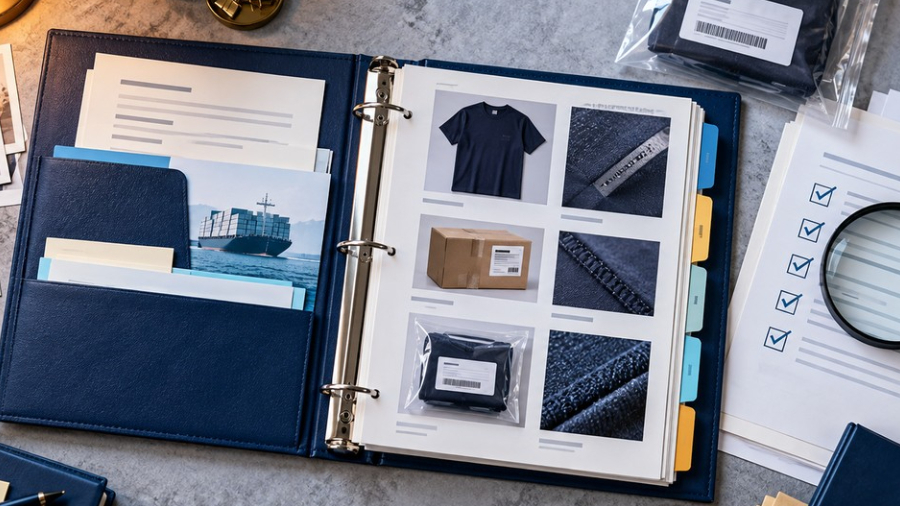
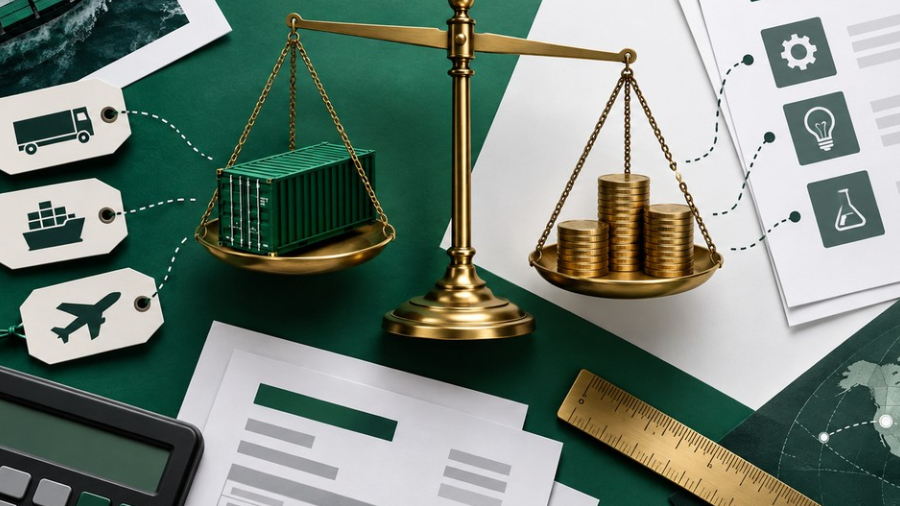
In international shipping, cargo does not move from supplier to buyer automatically. Before goods can enter the destination country, customs procedures must be completed. Many importers ask: who is responsible for customs clearance? The answer depends on the trade term, shipment agreement, importer role, and service scope.
Customs clearance responsibility matters because incorrect assumptions can cause cargo delays, extra storage fees, duty payment problems, and delivery disputes. Importers, exporters, freight forwarders, customs brokers, and logistics providers may all support the import process, but the legal responsibility must be clearly defined before shipping.
This guide explains importer responsibility, customs obligations, freight compliance, and practical steps to avoid confusion.
Who is Responsible for Customs Clearance?
So, who is responsible for customs clearance? In most import situations, the importer of record is legally responsible for import customs clearance. This party is responsible for providing accurate product information, declared value, country of origin, classification details, importer data, and payment of duties and taxes.
However, the practical responsibility can vary depending on the shipping term. For example, under some buyer-controlled shipping terms, the buyer handles import clearance. Under a delivered duty paid arrangement, the seller or logistics provider may arrange customs clearance and duty payment as part of the service.
Customs clearance may involve:
Commercial invoice review
Packing list review
Product classification
Declared value confirmation
Country of origin check
Customs entry filing
Duty and tax calculation
Compliance review
Cargo inspection if required
Cargo release approval
A customs broker may file the entry and communicate with customs, but the broker usually acts on behalf of the importer. A freight forwarder may coordinate shipping and documents, but the forwarder does not automatically become legally responsible for the cargo information.
The key point is simple: the party named as importer of record usually carries the main customs obligations. Other logistics partners may assist, but they need accurate data from the importer and supplier.
This is why importers should not assume that freight booking automatically includes customs clearance. A quote may be port-to-port, door-to-port, port-to-door, door-to-door, or duty-paid. Each service scope has different responsibilities.
How Trade Terms Affect Customs Responsibility
Trade terms are one of the biggest factors in deciding who is responsible for customs clearance. The buyer and seller should agree on the terms before cargo is shipped.
EXW
Under EXW, the buyer usually takes responsibility very early. The seller makes the goods available at a named location, and the buyer manages pickup, export arrangements, main freight, import customs, duties, taxes, and delivery. This term gives the buyer more control but also more responsibility.
FOB
Under FOB, the seller usually handles export-side delivery to the origin port and loading onto the vessel. The buyer usually handles main freight, import customs clearance, duties, taxes, and final delivery.
CIF
Under CIF, the seller usually pays for freight and insurance to the destination port, but the buyer normally handles import customs clearance, duties, taxes, and delivery after arrival.
DAP
Under DAP, the seller or logistics provider arranges delivery to a named destination, but the buyer usually handles import customs clearance, duties, and taxes unless otherwise agreed.
DDP
Under DDP, the seller or logistics provider usually handles import customs clearance, duties, taxes, and delivery to the named destination. This can reduce buyer workload, but the buyer should still confirm what is included in writing.
When asking who is responsible for customs clearance, importers should always check the trade term and the written agreement. Verbal assumptions can lead to costly disputes.
Importer Responsibility and Customs Obligations
Importer responsibility includes more than paying a customs broker. The importer must make sure that customs information is accurate and complete.
Common customs obligations include:
Providing correct importer details
Using accurate product descriptions
Declaring correct shipment value
Confirming country of origin
Supporting tariff classification
Paying duties and taxes
Providing permits or certificates if required
Keeping import records
Responding to customs questions
Maintaining freight compliance
If the product description is vague, customs may request clarification. If the declared value is incorrect, the shipment may face review. If required documents are missing, cargo release may be delayed.
For example, a commercial invoice that says “parts” may not be enough. Customs may need to know what kind of parts, what material they are made from, what they are used for, and how many are included.
Even when a customs broker manages entry filing, the importer must provide correct data. A broker cannot accurately classify or declare goods if the importer and supplier provide incomplete information.
Role of the Customs Broker
A customs broker helps importers manage the customs clearance process. The broker may review documents, prepare entry filings, assist with classification, calculate estimated duties, submit customs data, and communicate with customs authorities.
A broker can help with:
Customs entry preparation
Document review
Duty and tax calculation
Cargo release coordination
Compliance questions
Customs bond guidance if required
Communication with customs authorities
However, hiring a customs broker does not remove importer responsibility. The importer remains responsible for providing accurate information and meeting customs obligations.
A good broker can reduce errors and improve cargo release efficiency, but the importer should still review documents carefully before filing.
Role of the Freight Forwarder
A freight forwarder coordinates transportation. The forwarder may arrange pickup, warehouse handling, ocean freight, air freight, trucking, delivery, and shipment tracking. Some forwarders also coordinate customs clearance through brokers or partner networks.
A freight forwarder may support:
Shipment booking
Cargo pickup
Export coordination
Transport documents
Freight tracking
Arrival notices
Customs coordination
Final delivery
However, freight forwarding and customs brokerage are not always the same service. Importers should ask whether customs clearance is included in the quote.
For example, a port-to-port freight quote may only cover cargo movement between ports. The importer must separately arrange import customs clearance and delivery. A door-to-door quote may include customs coordination but may exclude duties and taxes. A DDP quote may include duties and taxes, but this must be confirmed clearly.
How to Confirm Responsibility Before Shipping
Importers can avoid confusion by confirming customs responsibility before cargo leaves the supplier.
First, check the trade term. The shipping term should clearly state whether the buyer or seller handles import clearance.
Second, review the freight quote. Ask whether customs clearance, customs broker fees, duties, taxes, and final delivery are included.
Third, identify the importer of record. This party is usually responsible for legal import obligations.
Fourth, prepare documents early. Commercial invoice, packing list, product description, country of origin, and declared value should be ready before shipment.
Fifth, confirm who pays duties and taxes. Import taxes can significantly affect landed cost.
Sixth, confirm who responds to customs questions. If customs requests clarification, the responsible party should respond quickly.
Seventh, put the agreement in writing. Do not rely on unclear phrases such as “shipping included” or “all handled” without details.
This process helps importers reduce cargo delays and protect freight compliance.
Real-Life Example: FOB Shipment
An importer buys goods under FOB terms. The supplier delivers the cargo to the origin port and completes export-side arrangements. After the goods are loaded for shipment, the buyer’s freight forwarder manages the ocean freight.
When the cargo arrives at the destination port, the buyer’s customs broker files the import entry. The buyer pays duties, taxes, and destination delivery.
In this case, the importer is responsible for customs clearance because FOB usually places import-side responsibility on the buyer.
Real-Life Example: DDP Shipment
A small importer chooses a DDP service because they want a simpler process. The seller or logistics provider arranges international shipping, import customs clearance, duty payment, tax payment, and final delivery.
The buyer still provides product details and delivery information, but most customs procedures are handled by the DDP provider.
This example shows why DDP can be convenient for buyers who do not want to manage import customs directly. However, the buyer should confirm that duties, taxes, customs fees, and final delivery are truly included.
Real-Life Example: Misunderstood Shipping Quote
A buyer receives a freight quote and assumes customs clearance is included. The cargo arrives at the destination port, but the buyer learns that the quote was only port-to-port. No customs broker has been arranged.
The shipment sits at the port while the buyer finds a broker and prepares documents. Storage fees increase, and delivery is delayed.
This example shows why importers must ask who is responsible for customs clearance before shipment departure.
Practical Tips for Importers
First, never assume customs clearance is included. Always ask directly.
Second, confirm the trade term before paying the supplier.
Third, identify the importer of record early.
Fourth, prepare accurate commercial documents before cargo departure.
Fifth, use specific product descriptions instead of vague terms.
Sixth, ask whether duties and taxes are included in the quote.
Seventh, confirm customs broker arrangements before arrival.
Eighth, keep records of invoices, packing lists, entry documents, and duty payments.
Ninth, respond quickly if customs requests additional information.
Tenth, review your logistics process after each shipment to avoid repeated issues.
Common Mistakes to Avoid
One common mistake is thinking the freight forwarder automatically handles customs clearance. This depends on the service scope.
Another mistake is assuming the seller handles import customs under FOB or CIF. Usually, the buyer handles import-side obligations.
A third mistake is accepting unclear DDP quotes. A proper DDP quote should explain duties, taxes, customs clearance, delivery, and possible exclusions.
A fourth mistake is waiting until cargo arrives to arrange a customs broker.
A fifth mistake is providing incomplete product information.
A sixth mistake is not calculating duties and taxes before import.
Conclusion
So, who is responsible for customs clearance? In most import shipments, the importer of record carries the main responsibility for import customs clearance, accurate documentation, duty payment, tax payment, and freight compliance. However, the practical handling depends on the trade term and service agreement.
Under FOB or CIF, the buyer usually handles import clearance. Under DDP, the seller or logistics provider may handle customs procedures and duty payment. Freight forwarders and customs brokers can support the process, but importers must still provide accurate information.
Before shipping, confirm the trade term, service scope, importer of record, customs broker arrangement, duty responsibility, and required documents. Clear responsibility prevents delays, reduces unexpected costs, and keeps the import process moving smoothly.
FAQ
Who is responsible for customs clearance?
The importer of record is usually responsible for customs clearance, including accurate documentation, duties, taxes, and compliance. However, the service agreement and trade term can affect who handles the process.
Does a freight forwarder handle customs clearance?
A freight forwarder may coordinate customs clearance, but it is not always included. Importers should confirm whether customs broker service, duties, taxes, and final delivery are included in the quote.
Who pays customs duties and taxes?
The party responsible depends on the trade term. Under many buyer-controlled terms, the importer pays duties and taxes. Under DDP, the seller or logistics provider usually includes duties and taxes in the service.
 English
 Deutsch
 Português
 العربية
 中文
中文


 25 Sep