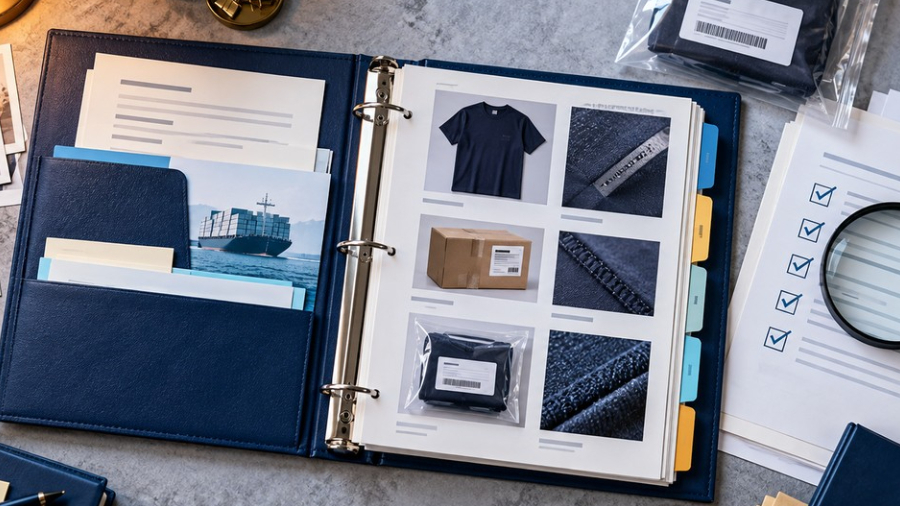
When businesses import goods internationally, not every shipment is large enough to fill an entire container. For smaller orders, test shipments, sample batches, and medium-volume cargo, LCL shipping can be a practical and cost-effective option. Many importers ask what is lcl shipping because they want to understand how shared container freight works, how costs are calculated, and whether it is suitable for their cargo.
LCL stands for less than container load. It means your goods share container space with cargo from other shippers. Instead of paying for a full container, you pay for the space your shipment uses. This makes LCL useful for small shipment needs, especially when businesses want to control inventory, reduce upfront shipping cost, or test a new supplier before placing a larger order.
This guide explains how LCL shipping works, when to use it, what costs to expect, and how to prepare your cargo properly.
What is LCL Shipping?
So, what is lcl shipping? LCL shipping is an ocean freight method where cargo from multiple shippers is combined into one container. Each shipper pays for their portion of the container space, usually based on cargo volume measured in cubic meters, also called CBM.
For example, if your shipment is 5 CBM, you do not need to book an entire 20 ft or 40 ft container. Instead, your freight forwarder can arrange LCL service and place your goods in a shared container with other shipments moving to the same destination region.
LCL is commonly used when:
Cargo volume is too small for FCL
The buyer wants to test a new product
The shipment is not urgent enough for air freight
The importer wants to reduce inventory pressure
The order is too large for express shipping
The business wants flexible shipping frequency
The key advantage of LCL is flexibility. It allows businesses to ship smaller quantities without waiting until they have enough goods for a full container. This is especially useful for small importers, e-commerce sellers, wholesalers, and companies sourcing from multiple suppliers.
However, LCL also involves more handling than full container load shipping. Cargo must be delivered to a warehouse, consolidated with other shipments, loaded into a container, unloaded at destination, separated, and then delivered or released. Because of this, packing quality and documentation accuracy are very important.
How LCL Shipping Works Step by Step
Understanding the process helps importers know what to expect before booking.
The first step is cargo preparation. The supplier packs the goods and provides shipment details, including carton quantity, dimensions, gross weight, net weight, packing list, and commercial invoice.
The second step is cargo pickup or warehouse delivery. The goods are either collected from the supplier or delivered to an origin warehouse. Since LCL is based on cargo consolidation, shipments are usually received at a warehouse before being loaded into a shared container.
The third step is measurement and verification. The warehouse may check cargo volume and weight. If the actual CBM is different from the estimated CBM, the final shipping cost may change.
The fourth step is cargo consolidation. The freight forwarder combines your goods with cargo from other shippers. This shared container is then prepared for ocean shipping.
The fifth step is export customs clearance. Export documents are reviewed, and the shipment is cleared for departure from the origin country.
The sixth step is ocean transportation. The container moves by sea to the destination port.
The seventh step is destination deconsolidation. After arrival, the shared container is unloaded at a destination warehouse. Each shipment is separated based on consignee and documents.
The eighth step is import customs clearance and final delivery. Depending on the service terms, the cargo may be cleared through customs and delivered to the buyer’s warehouse, business address, or final destination.
This workflow shows why LCL requires good logistics coordination. A freight forwarder must manage cargo consolidation, documents, ocean shipping, customs timing, and destination handling.
LCL Shipping Cost: How It Is Calculated
LCL shipping is usually calculated by CBM. CBM means cubic meter and measures the space your cargo occupies.
The basic CBM formula is:
Carton length × carton width × carton height × number of cartons = total CBM
For example, if one carton is 0.5 meters long, 0.4 meters wide, and 0.3 meters high, and you have 100 cartons:
0.5 × 0.4 × 0.3 × 100 = 6 CBM
If the LCL rate is charged per CBM, the total sea freight portion will be based on this volume. However, importers should understand that the ocean freight rate is only one part of the total cost.
A complete LCL quote may include:
Origin pickup
Origin warehouse handling
Export customs clearance
Documentation fee
Cargo consolidation
Ocean freight
Destination warehouse handling
Deconsolidation fee
Import customs clearance
Final delivery
Storage or inspection fees if applicable
This is why LCL quotes should be reviewed carefully. A low sea freight rate may not include destination charges or final delivery. Importers should ask for a complete breakdown before booking.
Weight can also affect cost. Most LCL cargo is priced by volume, but very heavy cargo may face extra handling charges or weight-based calculation rules. If your cargo is compact but heavy, ask your freight forwarder whether any heavy cargo fee applies.
LCL vs FCL: Which One Should You Choose?
LCL and FCL are both ocean freight methods, but they are used for different shipment sizes.
LCL means less than container load. Your cargo shares container space with other shippers. It is suitable for small shipment needs and flexible order quantities.
FCL means full container load. Your cargo uses the entire container. It is suitable for larger shipments, heavy cargo, fragile goods, or products that need better control.
LCL may be better when:
Your shipment is small
You do not want to pay for a full container
You are testing a new product
You need flexible shipping frequency
You can accept more handling steps
Your cargo is well packed
FCL may be better when:
Your shipment volume is large
Your cargo is fragile or high-value
You want fewer handling steps
You need better container control
Your supplier can load directly
You want lower cost per unit
When comparing LCL and FCL, do not only compare ocean freight. Compare total landed cost, including origin charges, destination charges, customs clearance, delivery, and handling risk.
For example, a 5 CBM shipment is usually suitable for LCL. A 25 CBM shipment may be worth comparing with a 20 ft container. A 40 CBM shipment may be better as FCL, depending on weight and cargo type.
Benefits of LCL Shipping
The first benefit of LCL shipping is lower upfront cost. Importers only pay for the cargo space they use instead of booking an entire container.
The second benefit is shipping flexibility. Businesses can ship smaller quantities more often, which helps reduce inventory pressure and cash flow burden.
The third benefit is better for product testing. If you are trying a new supplier or new product line, LCL allows you to start with a smaller order.
The fourth benefit is useful for multiple supplier shipments. If you buy from several suppliers, cargo can sometimes be consolidated before shipping.
The fifth benefit is better than air freight for non-urgent small shipments. Air freight is faster but more expensive. LCL offers a lower-cost ocean shipping alternative when time is flexible.
The sixth benefit is suitable for businesses with limited warehouse space. Instead of importing a full container, the buyer can import smaller quantities based on demand.
For many small and medium importers, LCL provides a practical balance between cost, flexibility, and international shipping access.
Challenges and Risks of LCL Shipping
Although LCL has many benefits, importers should also understand the challenges.
The first challenge is more cargo handling. Your goods may be moved several times during consolidation, container loading, unloading, and deconsolidation. Strong packaging is essential.
The second challenge is possible longer transit time. Even if the vessel transit is similar to FCL, LCL may require extra time for warehouse receiving, consolidation, and destination separation.
The third challenge is destination charges. LCL destination fees can sometimes be higher than expected. Always ask for a full quote before shipping.
The fourth challenge is cargo damage risk. Since your shipment shares container space with other cargo, poor packaging may increase damage risk.
The fifth challenge is documentation accuracy. If documents are incorrect, customs clearance may be delayed. Because LCL cargo shares a container, delays may affect delivery scheduling.
The sixth challenge is volume adjustment. If the warehouse measures a higher CBM than the supplier’s estimate, your final cost may increase.
These risks do not mean LCL is a bad option. They simply show why preparation and professional coordination are important.
Real-Life Example: Small Importer Using LCL
A small importer buys 4 CBM of packaged home products from a factory. The goods are not urgent, and the buyer does not want to invest in a full container. Air freight is too expensive, and express shipping is not suitable for the volume.
In this case, LCL is a practical solution. The shipment is delivered to an origin warehouse, consolidated with other cargo, shipped by sea, separated at destination, cleared through customs, and delivered to the buyer’s warehouse.
The importer saves money compared with air freight and avoids paying for unused container space. However, the buyer must make sure the cartons are strong enough for warehouse handling and that all shipping documents are accurate.
This example shows why many businesses ask what is lcl shipping when they start importing smaller orders.
Real-Life Example: Multiple Supplier Consolidation
A wholesaler buys goods from three different suppliers in China. Each supplier has a small shipment: 2 CBM, 3 CBM, and 4 CBM. Shipping each order separately would create repeated handling fees, documents, and delivery costs.
The freight forwarder arranges cargo consolidation. All three shipments are collected at one warehouse, checked, combined, and shipped together as one LCL shipment.
This reduces repeated shipping charges and simplifies tracking. The buyer receives one consolidated shipment instead of managing three separate deliveries.
This example shows that LCL shipping is not only about small cargo. It can also improve logistics coordination when sourcing from multiple suppliers.
Practical Tips for Better LCL Shipping
First, provide accurate cargo details. Include carton size, quantity, gross weight, total CBM, product description, pickup address, and destination address.
Second, use strong packaging. LCL cargo is handled more often than FCL cargo, so cartons should be strong, sealed, and suitable for stacking.
Third, label cartons clearly. Clear labels help warehouse staff identify and separate cargo correctly.
Fourth, confirm whether the quote includes destination charges. Many LCL cost disputes happen because destination warehouse and handling fees are not understood in advance.
Fifth, compare LCL with FCL when shipment volume grows. If cargo volume becomes medium-sized, a full container may become more economical.
Sixth, avoid inaccurate CBM estimates. Ask the supplier to measure cartons carefully and provide packing photos if needed.
Seventh, prepare documents early. Commercial invoice, packing list, product description, and consignee information should be ready before cargo leaves the supplier.
Eighth, consider insurance for valuable cargo. LCL involves more touchpoints, so insurance may provide extra protection.
Ninth, ask about transit time including consolidation. Do not only ask about sailing time. Warehouse processing can add extra days.
Tenth, work with an experienced freight forwarder. Good coordination reduces delays, hidden costs, and cargo handling problems.
Common Mistakes to Avoid
One common mistake is choosing LCL only because it has a low base rate. The total cost may include destination handling, customs clearance, and delivery.
Another mistake is using weak packaging. Since LCL cargo is consolidated with other shipments, poor packaging increases damage risk.
A third mistake is providing rough carton measurements. If actual CBM is higher, the final charge may increase.
A fourth mistake is ignoring customs documents. LCL shipments still require accurate commercial invoices, packing lists, and product descriptions.
A fifth mistake is not checking cargo restrictions. Some products may require special documents or may not be suitable for standard LCL consolidation.
A sixth mistake is comparing LCL with FCL incorrectly. The correct comparison should include total landed cost and risk, not only freight rate.
A seventh mistake is waiting too long to book. LCL consolidation schedules may have cut-off dates, so cargo must arrive at the warehouse on time.
Conclusion
So, what is lcl shipping? LCL shipping is a less than container load ocean freight method where your cargo shares container space with other shipments. It is a practical solution for small shipment needs, product testing, flexible inventory planning, and importers who do not need a full container.
LCL offers lower upfront cost and more flexibility, but it also involves more handling, possible destination charges, and careful packaging requirements. To use LCL successfully, importers should calculate CBM accurately, prepare strong packaging, confirm all included fees, and compare LCL with FCL when shipment volume grows.
For businesses importing smaller cargo internationally, LCL can be a smart and cost-effective shipping method when planned correctly. Working with a reliable logistics partner can help simplify cargo consolidation, customs coordination, and final delivery.
FAQ
What is LCL shipping?
LCL shipping means less than container load. Your cargo shares container space with shipments from other importers, and you pay based on the space your goods use.
Is LCL good for small shipments?
Yes. LCL is suitable for small shipment needs when cargo volume is not enough for a full container and air freight is too expensive.
How is LCL shipping cost calculated?
LCL cost is usually calculated by CBM, or cubic meters. However, the total cost may also include origin handling, destination fees, customs clearance, and final delivery.
 English
 Deutsch
 Português
 العربية
 中文
中文


 25 Sep