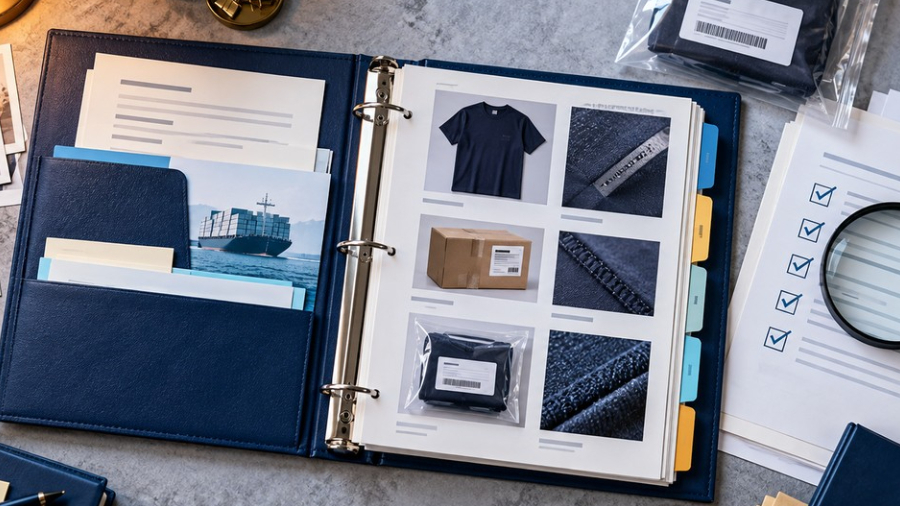
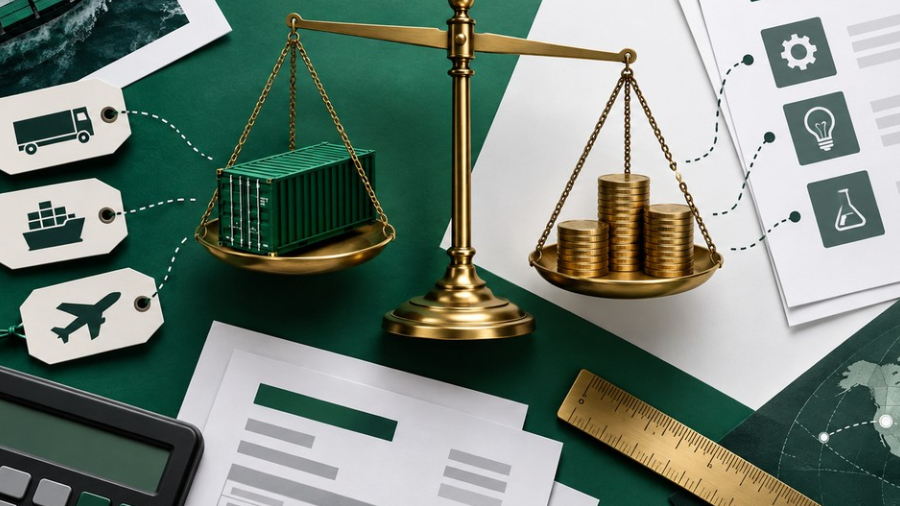
Importers often compare different shipping terms before placing an international order. One of the most misunderstood terms is EXW, also called Ex Works. Many buyers ask: what is EXW shipping, and why does it matter?
EXW shipping places most transportation responsibility on the buyer. Under this term, the seller usually makes the goods available at a factory, warehouse, or agreed location, while the buyer handles pickup, export arrangements, main freight, import customs, duties, taxes, and final delivery. This can give the buyer more control, but it can also create extra work and risk.
Understanding ex works shipping is important for importers who want to control costs, compare supplier quotes, and avoid confusion about shipping arrangements, export terms, and buyer responsibility.
What is EXW Shipping?
So, what is EXW shipping? EXW stands for Ex Works. It is an international trade term where the seller’s responsibility is usually limited to making the goods available at a named place, such as a factory, workshop, warehouse, or supplier facility.
Under EXW, the buyer is responsible for most of the logistics process. This may include arranging pickup from the seller, loading coordination, inland transportation, export documentation support, export customs handling where applicable, international freight, import customs clearance, duty payment, tax payment, destination delivery, and unloading.
In simple terms, EXW means the buyer takes control very early in the shipping process.
A typical EXW shipment may involve:
Goods prepared at supplier location
Buyer arranges pickup
Cargo moves to export warehouse or port
Export procedures are coordinated
Main freight is booked
Cargo arrives at destination
Import customs is completed
Duties and taxes are paid
Final delivery is arranged
EXW can be used for sea freight, air freight, truck freight, rail freight, and express-style shipments, but it requires careful coordination. It is different from FOB, where the seller usually handles delivery to the origin port and export-side loading. It is also different from DDP, where the seller or logistics provider may handle delivery to the buyer’s destination with duties paid.
The main advantage of EXW is buyer control. The buyer can choose the freight forwarder, negotiate freight cost, manage cargo routing, and organize shipping according to their own logistics strategy. The main disadvantage is responsibility. The buyer must manage many steps that may be unfamiliar, especially if the buyer is new to importing.
This is why understanding incoterms EXW is essential before accepting an EXW quote.
How EXW Shipping Works Step by Step
The EXW process begins when the seller finishes production or prepares goods for pickup. The seller informs the buyer that the cargo is ready at the agreed location. From this point, the buyer or the buyer’s freight forwarder must organize the next steps.
First, the buyer confirms cargo details. These details include product name, carton quantity, gross weight, volume, packing method, pickup address, contact person, and ready date.
Second, the buyer arranges pickup. A truck, courier, or local logistics provider collects the goods from the supplier’s location. The pickup may require an appointment, loading labor, and proper cargo handling equipment.
Third, the cargo moves to an export warehouse, port, airport, or consolidation point. If the shipment is LCL, the cargo may be delivered to a warehouse for consolidation. If it is FCL, a container may be arranged for loading.
Fourth, export procedures must be handled. This is one of the most important issues in EXW shipping. Depending on the country and local rules, export customs declaration may require seller cooperation. The buyer should confirm who can legally complete export documentation before choosing EXW.
Fifth, the main freight is arranged. This may be sea freight, air freight, rail freight, truck freight, or express service depending on shipment size, urgency, and budget.
Sixth, the shipment arrives in the destination country. The buyer arranges import customs clearance, pays import duties and taxes, and coordinates cargo release.
Finally, the cargo is delivered to the buyer’s warehouse, business address, distribution center, or project location.
This process shows why what is EXW shipping is not only a definition. It is a complete logistics responsibility structure.
Key Responsibilities Under EXW
EXW places more responsibility on the buyer than many other shipping terms. This is why importers must understand each responsibility before agreeing to EXW pricing.
The seller usually handles:
Preparing the goods
Packing the goods for sale
Making cargo available at the agreed location
Providing basic commercial documents
Notifying the buyer when goods are ready
The buyer usually handles:
Pickup from supplier location
Loading coordination where required
Origin inland transportation
Export customs coordination
Export documentation support
Warehouse or port delivery
International freight booking
Cargo insurance if needed
Import customs clearance
Duty and tax payment
Destination delivery
Final unloading
Buyer responsibility is the core feature of EXW. The buyer must be ready to manage the full shipping chain or work with a freight forwarder that can coordinate the process.
One common problem is that buyers assume EXW is simple because the product price is lower. However, a low EXW price does not include many shipping arrangements. The buyer must calculate the full landed cost before deciding whether EXW is truly cheaper.
EXW vs FOB vs DDP
EXW, FOB, and DDP are often compared because they represent different levels of seller and buyer responsibility.
Under EXW, the buyer takes responsibility from the seller’s location. This gives the buyer maximum control but also maximum workload.
Under FOB, the seller usually handles delivery to the origin port and loading onto the vessel. The buyer takes responsibility after that point. FOB is commonly used for sea freight and is often easier than EXW for importers because the seller handles more origin-side work.
Under DDP, the seller or logistics provider handles most of the process, including international freight, import customs, duties, taxes, and delivery to the buyer’s named destination. DDP is convenient but may provide less cost visibility.
A simple comparison:
EXW: buyer handles almost everything after goods are ready
FOB: seller handles origin port delivery, buyer handles main freight and import side
DDP: seller or provider handles delivery to destination with duties paid
EXW may be suitable for experienced importers with strong logistics partners. FOB may be better for buyers who want freight control but do not want to manage local pickup and export-side complexity. DDP may be better for buyers who want convenience and a more complete delivery service.
Cost Factors in EXW Shipping
EXW pricing can look attractive because the seller’s quoted product price may be lower than FOB or DDP. However, buyers must calculate all additional logistics costs.
Common EXW cost factors include:
Local pickup from supplier
Loading labor or loading equipment
Origin warehouse handling
Export customs support
Export documentation
Main freight
Cargo insurance
Destination port or airport charges
Import customs clearance
Import duties and taxes
Final delivery
Storage or delay charges
Inspection fees if applicable
The buyer should also consider communication cost and coordination risk. If the supplier is located far from the port or airport, local pickup may be expensive. If the cargo requires special handling, origin logistics cost may increase.
Export terms are especially important. Some countries may require the exporter to complete official export declaration. If the buyer is located overseas, the buyer may not be able to complete export formalities alone. In this case, the supplier must cooperate or the forwarder must arrange a compliant solution.
Before choosing EXW, importers should request a full logistics quote from the supplier’s location to the final destination. This helps compare EXW with FOB, CIF, DAP, and DDP more accurately.
Real-Life Example: Small Buyer Using EXW
A small importer buys packaged goods from a supplier. The supplier offers a low EXW price and tells the buyer to arrange pickup from the factory.
At first, the buyer thinks the quote is cheap. However, after contacting a freight forwarder, the buyer learns that local pickup, export handling, warehouse delivery, ocean freight, import clearance, taxes, and final delivery all need to be added.
The final landed cost is higher than expected because the buyer did not include all shipping arrangements at the beginning.
This example shows why EXW can be risky for new importers. A low product price does not always mean a lower total cost.
Real-Life Example: Experienced Importer Choosing EXW
An experienced importer buys from multiple suppliers in the same region. The buyer already works with a freight forwarder that can collect goods from several factories, consolidate them at a warehouse, arrange export handling, and ship everything together.
In this case, EXW shipping works well. The buyer controls pickup schedules, consolidates cargo, compares freight options, and manages the full logistics chain through one provider.
This example shows that EXW can be useful when the buyer has strong logistics coordination and wants more control over shipping.
Real-Life Example: Export Documentation Problem
A buyer accepts an EXW quote and arranges cargo pickup. However, when the shipment reaches the export stage, the freight forwarder needs seller cooperation for export documents. The supplier is slow to provide information, and the shipment is delayed.
This example shows one of the most common EXW risks: export procedures. Buyers should confirm export documentation responsibility before pickup, not after the cargo is already moving.
Practical Tips for Handling EXW Shipping
First, calculate total landed cost before accepting an EXW quote. Include pickup, export handling, freight, customs, duties, taxes, and delivery.
Second, confirm the exact pickup location. A factory in a remote area may increase local transport cost.
Third, ask who will load the cargo. Loading labor and equipment may not be included under EXW.
Fourth, confirm export documentation responsibility. The seller may need to provide export documents or cooperate with the freight forwarder.
Fifth, work with an experienced freight forwarder. EXW requires more coordination than FOB or DDP.
Sixth, prepare cargo details early. Provide carton quantity, gross weight, volume, pickup address, and contact information.
Seventh, compare EXW with FOB. FOB may be simpler if the seller can handle local delivery and export procedures.
Eighth, confirm cargo insurance. Since the buyer takes responsibility early, insurance should be considered.
Ninth, plan enough time. Pickup, export handling, and document review can take longer than expected.
Tenth, write responsibilities clearly in the purchase agreement. Avoid vague shipping terms that create disputes later.
One common mistake is choosing EXW only because the product price is lower. The final cost may be higher after adding logistics charges.
Another mistake is assuming the seller will load the cargo. Under EXW, loading responsibility may need to be clearly agreed.
A third mistake is ignoring export customs. Export documents can create problems if the seller does not cooperate.
A fourth mistake is not confirming pickup details. Wrong address, limited loading time, or unavailable contact person can delay collection.
A fifth mistake is using EXW without a freight forwarder. New importers may struggle to manage the full logistics chain alone.
A sixth mistake is not comparing trade terms. FOB or DDP may be more suitable depending on shipment size, experience, and delivery needs.
When Should You Use EXW Shipping?
EXW may be a good option when the buyer has strong logistics experience and wants full control over shipping. It can also work well when the buyer consolidates cargo from multiple suppliers.
Use EXW when:
You have a trusted freight forwarder
You can manage local pickup
You understand export procedures
You want control over freight routing
You are combining cargo from several suppliers
You can calculate total landed cost clearly
The supplier cannot or will not quote FOB
Avoid EXW when:
You are a first-time importer
You do not understand export customs
You cannot manage local pickup
You need simple delivery pricing
The supplier is in a remote location
The cargo requires special export documents
You do not have a logistics partner
EXW is not good or bad by itself. It depends on the buyer’s ability to manage the shipping process.
Conclusion
So, what is EXW shipping? EXW shipping, also known as ex works shipping, is a trade term where the seller makes goods available at a named location and the buyer handles most shipping arrangements. This includes pickup, export coordination, international freight, import customs, duties, taxes, and final delivery.
EXW can give experienced importers more control over logistics and freight planning. It can be useful for supplier consolidation and buyer-managed shipping. However, it also creates more buyer responsibility and can lead to unexpected costs if not planned carefully.
Before choosing EXW, importers should compare total landed cost, confirm export terms, check pickup requirements, and work with a reliable logistics partner. A clear shipping plan can help buyers reduce delays, avoid disputes, and make smarter international purchasing decisions.
FAQ
What is EXW shipping?
EXW shipping means Ex Works. The seller makes the goods available at an agreed location, and the buyer handles most transportation, export coordination, import clearance, duties, taxes, and delivery.
Is EXW good for importers?
EXW can be good for experienced importers who have strong logistics partners and want full control. It may not be ideal for first-time importers because the buyer has more responsibility.
What is the difference between EXW and FOB?
Under EXW, the buyer usually takes responsibility from the seller’s location. Under FOB, the seller usually delivers goods to the origin port and loads them onto the vessel before the buyer takes over.
 English
 Deutsch
 Português
 العربية
 中文
中文


 25 Sep