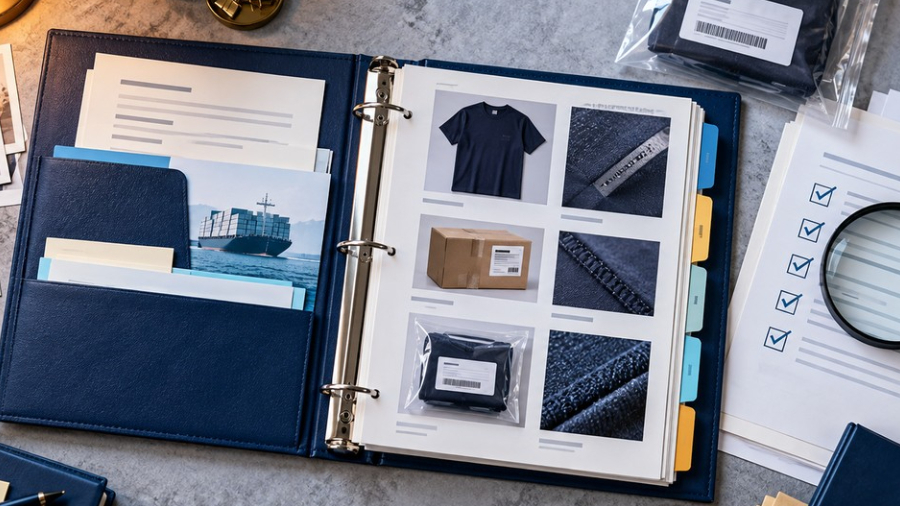
For many importers, the shipment seems simple: goods leave the supplier, move through international transport, and arrive at the destination. In reality, cargo cannot usually enter the destination market freely until customs has reviewed and approved it. This is why many new importers ask: what is customs clearance?
Customs clearance is the official process that allows imported or exported goods to pass through a country’s customs authority. It involves checking import documents, confirming product details, reviewing declared value, calculating duties and taxes, and approving cargo entry. Without successful customs clearance, goods may be delayed at a port, airport, border, or warehouse.
For logistics companies, importers, wholesalers, e-commerce sellers, and project buyers, understanding customs clearance meaning is essential. It helps reduce delays, control landed cost, and improve shipment approval from origin to final delivery.
What is Customs Clearance?
So, what is customs clearance? Customs clearance is the legal and administrative process used by customs authorities to review goods entering or leaving a country. For imports, it confirms whether the shipment can legally enter the destination country. For exports, it confirms whether the goods can legally leave the origin country.
In import customs, the process usually includes submitting shipment information, commercial documents, product descriptions, tariff classification, declared value, country of origin details, and importer information. Customs may also review whether the goods need special permits, certificates, inspection, or additional compliance checks.
The main purpose of customs clearance is to make sure that cargo is correctly declared and that all required duties, taxes, and fees are paid. It also helps customs authority control restricted goods, verify trade compliance, and protect local regulations.
A basic customs clearance process may include:
Document preparation
Customs entry filing
Product classification
Value declaration
Duty and tax calculation
Compliance review
Possible inspection
Payment confirmation
Shipment approval
Cargo release
Final delivery
Customs clearance does not mean only paying import duty. It is a complete review process. Even if a shipment has a low duty rate, it may still require correct documentation and cargo approval before release.
For example, a shipment may arrive by sea freight, but the container cannot be delivered to the buyer until customs clears it. The same applies to air freight and express shipments. Fast transport does not remove the need for import customs approval.
Why Customs Clearance Matters in International Shipping
Understanding what is customs clearance matters because customs controls the legal movement of goods across borders. If customs clearance is delayed, the shipment may stop moving even if the freight transportation was completed on time.
Customs clearance affects delivery time. A shipment may arrive at the destination port or airport, but without cargo release, it cannot move to the buyer’s warehouse. This can delay inventory replenishment, production schedules, retail launches, project deliveries, or customer orders.
Customs clearance affects cost. Delays can lead to port storage, warehouse fees, demurrage, detention, inspection costs, document correction charges, and delivery rescheduling fees. These costs can increase the total landed cost of imported goods.
Customs clearance affects compliance. Incorrect product descriptions, undervalued invoices, wrong classification, missing permits, or inconsistent documents can create serious import problems. In some cases, cargo may be held for further review.
Customs clearance affects business planning. Importers that understand the process can prepare documents earlier, estimate duties more accurately, and communicate better with freight forwarders and customs brokers.
A smooth customs clearance process depends on preparation. Importers should not wait until cargo arrives before thinking about import documentation. The best time to prepare for customs is before the shipment leaves the supplier.
Key Parties Involved in Customs Clearance
Several parties may participate in customs clearance. Each party has a different responsibility in the shipment approval process.
The importer of record is the party legally responsible for importing the goods. This party usually provides importer details, product information, and payment for duties and taxes.
The exporter or supplier prepares commercial documents such as the invoice and packing list. The accuracy of these documents affects customs review.
The freight forwarder coordinates the shipment, communicates with logistics partners, arranges transportation, and may help coordinate customs handling.
The customs broker prepares and submits customs entry documents. The broker may assist with tariff classification, duty calculation, document review, and communication with customs authority.
The carrier transports the goods by sea, air, rail, truck, or express service.
The customs authority reviews the shipment and decides whether it can be released.
The warehouse or terminal stores cargo before or after customs review.
The final delivery provider moves released cargo to the buyer’s address.
Although logistics partners may help with paperwork and coordination, the importer still needs to provide accurate product and transaction information. Customs clearance works best when the importer, supplier, freight forwarder, and customs broker communicate early.
Import Customs Documents Usually Required
Import customs clearance requires accurate documentation. Missing or incorrect documents are one of the most common causes of delay.
Common documents may include:
Commercial invoice
Packing list
Bill of lading or air waybill
Arrival notice
Importer information
Product description
Declared value
Country of origin
Tariff classification
Insurance details if applicable
Import permits or certificates if required
The commercial invoice is one of the most important documents. It shows the seller, buyer, product description, quantity, unit price, total value, trade term, and currency.
The packing list shows package count, carton details, weights, dimensions, and packing method. Customs and warehouses use it to identify the cargo.
The bill of lading or air waybill is the transport document. It shows shipment details, origin, destination, consignee, and carrier information.
Product descriptions should be clear and specific. A vague description such as “parts” or “goods” may cause customs questions. A better description explains the product type, material, function, and use.
For import customs, document consistency is very important. The invoice, packing list, and transport document should match in terms of quantity, weight, consignee details, and cargo description.
How the Customs Clearance Process Works
The customs clearance process usually begins before the cargo arrives. The importer or logistics provider collects documents and checks whether the information is complete.
First, the documents are reviewed. The customs broker or logistics provider checks the commercial invoice, packing list, transport document, product description, declared value, and importer details.
Second, the goods are classified. Products are assigned a customs classification code based on material, function, and use. This classification affects duty rates and import requirements.
Third, the customs value is reviewed. Customs value is often based on the transaction value, but some shipments may require additional cost elements depending on the destination rules.
Fourth, the customs entry is filed. The broker or authorized party submits shipment details to customs authority.
Fifth, duties and taxes are calculated. These charges depend on product classification, declared value, country of origin, and local import rules.
Sixth, customs reviews the shipment. Some shipments may be cleared quickly, while others may require document review, scanning, or physical inspection.
Seventh, payment is completed. Duties, taxes, and fees must be paid or arranged before cargo release in many cases.
Eighth, cargo release is approved. Once customs approves the shipment, the goods can move to final delivery.
This is the basic answer to what is customs clearance in practical logistics terms: it is the approval process that connects international transport with legal cargo entry.
Customs Clearance by Shipping Method
Customs clearance applies to different shipping methods, but the timing and handling can vary.
Sea Freight
Sea freight is commonly used for large, heavy, or cost-sensitive shipments. Customs clearance for sea freight often involves containers, port terminals, arrival notices, and delivery scheduling. Importers should prepare documents before vessel arrival to avoid storage, demurrage, and delivery delays.
For LCL shipments, cargo may need to be unloaded from a shared container before final release. For FCL shipments, the full container may be released for delivery after customs approval.
Air Freight
Air freight is faster, so customs preparation must also be faster. Importers should prepare documents before cargo departure or before arrival. A small document error can reduce the time advantage of air freight.
Air freight is often used for urgent goods, samples, high-value cargo, or replacement parts. Because timing is critical, document accuracy is especially important.
Express Shipping
Express shipping is often used for small parcels and samples. The clearance process may be simplified for some shipments, but customs can still request invoice details, product descriptions, payment, or additional documents.
Importers should not assume express shipping avoids customs. It still requires shipment approval and legal cargo entry.
Rail and Truck Freight
Rail and truck freight may be used for cross-border cargo or inland delivery after port arrival. Customs clearance may be connected with border procedures, terminal release, and delivery scheduling. Importers should confirm when customs clearance occurs and who is responsible for filing.
Real-Life Example: Sea Freight Import
A wholesaler imports a full container of household products by sea freight. The cargo arrives at the destination port, but the commercial invoice uses a vague product description. Customs requests more details about product material and use.
The customs broker asks the importer and supplier to correct the invoice. While the documents are being revised, the container remains at the port. Storage fees begin to increase.
This example shows why customs clearance meaning goes beyond paperwork. A small document issue can affect cargo release, cost, and delivery schedule.
Real-Life Example: Air Freight Spare Parts
A business imports urgent spare parts by air freight to support a production project. The goods arrive quickly, but customs asks for clarification because the declared product name is too general.
The importer provides additional information about material, use, and value. The shipment is approved and released, but delivery is delayed by one day.
This example shows that air freight speed depends on customs readiness. If documents are incomplete, fast transportation cannot guarantee fast delivery.
Real-Life Example: Small Express Shipment
An online seller imports sample products using express shipping. The shipment is small, but customs requests invoice information before release.
The seller provides the invoice and product description. The cargo is approved and delivered.
This example shows that even small shipments may require import customs review. Shipment size does not remove the need for accurate documentation.
Practical Tips for Smooth Customs Clearance
First, prepare documents early. Do not wait until the cargo arrives.
Second, use clear product descriptions. Include product type, material, function, and use.
Third, check invoice and packing list consistency. Quantity, weight, value, and consignee details should match.
Fourth, confirm the importer of record. This responsibility should be clear before shipment.
Fifth, understand trade terms. EXW, FOB, CIF, DAP, and DDP affect responsibility for freight, customs, and delivery.
Sixth, check whether special documents are required. Some goods may need permits, certificates, test reports, or labeling compliance.
Seventh, confirm duty and tax expectations. Import cost should be calculated before shipment.
Eighth, respond quickly to customs questions. Delayed replies can increase storage and delivery delays.
Ninth, keep import records. Documents may be needed for accounting, audits, or future shipments.
Tenth, work with experienced logistics partners. A freight forwarder and customs broker can help coordinate the process, but they still need accurate information from the importer.
Common Customs Clearance Mistakes
One common mistake is assuming that cargo arrival means goods are ready for delivery. Customs approval must happen first.
Another mistake is using vague product descriptions. Customs needs specific information to review cargo entry.
A third mistake is declaring incorrect value. Inaccurate value can cause delays, penalties, or further review.
A fourth mistake is ignoring product classification. Classification affects duty rates and requirements.
A fifth mistake is not checking document consistency. Invoice, packing list, and transport documents should match.
A sixth mistake is misunderstanding shipping terms. If the buyer and seller do not agree on customs responsibility, delays and cost disputes may occur.
A seventh mistake is not planning for inspection. Some shipments may be selected for review even if documents are correct.
Conclusion
So, what is customs clearance? It is the official process that allows goods to pass through customs authority and receive shipment approval for import or export. For importers, it includes document review, product classification, duty and tax calculation, compliance checks, possible inspection, cargo release, and final delivery coordination.
Customs clearance is a critical part of international logistics because it affects delivery time, total cost, compliance, and supply chain reliability. A shipment may move smoothly across the ocean or through the air, but it cannot enter the destination market without customs approval.
To reduce risk, importers should prepare accurate documents early, use clear product descriptions, understand import customs requirements, and coordinate with logistics partners before cargo arrives. Better customs preparation leads to faster cargo entry, fewer delays, and stronger supply chain control.
FAQ
What is customs clearance?
Customs clearance is the official process that allows imported or exported goods to pass through customs authority after documents, value, classification, duties, and compliance requirements are reviewed.
What is customs clearance meaning in shipping?
Customs clearance meaning in shipping refers to the approval process required before cargo can legally enter or leave a country. It includes import documentation, customs review, duty payment, and cargo release.
Who is responsible for import customs clearance?
Responsibility depends on the trade term and shipment agreement. The importer of record is usually responsible for accurate import information, while a customs broker may handle customs entry filing.
 English
 Deutsch
 Português
 العربية
 中文
中文


 25 Sep