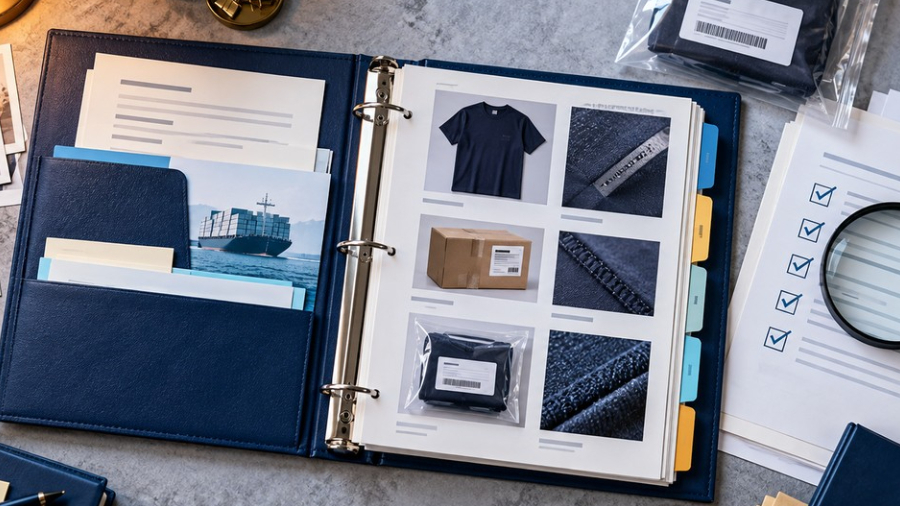
International shipping involves many moving parts: suppliers, warehouses, carriers, customs documents, port handling, cargo insurance, delivery appointments, and final transportation. For importers and exporters, managing every step alone can be difficult, especially when shipments cross borders, move through multiple transport modes, or require customs coordination. This is why many businesses ask what is a freight forwarder and why freight forwarding service matters.
A freight forwarder is a logistics provider that arranges the movement of goods on behalf of shippers. Instead of simply moving cargo from one point to another, a freight forwarder coordinates the full shipping workflow. This may include cargo pickup, warehouse consolidation, sea freight, air freight, customs support, documentation, tracking, and final delivery.
Freight forwarders are especially useful for businesses that import goods from overseas suppliers, ship bulk cargo, manage multiple orders, or need better freight management. This guide explains what a freight forwarder does, how freight forwarding works, what services are included, how costs are calculated, and how importers can choose the right logistics partner.
What is a Freight Forwarder?
So, what is a freight forwarder? A freight forwarder is a company or logistics professional that organizes the transportation of goods for importers, exporters, manufacturers, wholesalers, and other businesses. The forwarder does not always physically own the vessel, aircraft, truck, warehouse, or rail equipment. Instead, it coordinates different logistics resources to move cargo from origin to destination.
A freight forwarder may work with ocean carriers, air cargo providers, trucking companies, warehouse operators, customs brokers, cargo insurance providers, and local delivery partners. The goal is to create a smooth shipping workflow for the customer.
A freight forwarder can help with:
Cargo pickup from supplier
Export document preparation
Warehouse receiving
Cargo consolidation
Sea freight booking
Air freight booking
Truck delivery
Customs coordination
Cargo tracking
Freight management
Insurance support
Final delivery planning
For example, if an importer buys goods from a factory overseas, the freight forwarder can collect the cargo from the supplier, arrange export handling, book ocean freight, coordinate destination clearance, and organize final delivery to the buyer’s warehouse.
The forwarder acts as the main logistics coordinator. This reduces the buyer’s workload and helps prevent communication gaps between suppliers, carriers, customs agents, and delivery providers.
Why Freight Forwarders Matter in International Shipping
International shipping is not a single action. It is a sequence of connected steps. If one step fails, the shipment may be delayed, rejected, inspected, damaged, or charged extra fees. A freight forwarder helps organize these steps and keeps the shipment moving through the supply chain.
Freight forwarders matter because they understand shipping routes, cargo requirements, documentation rules, port procedures, customs timing, delivery arrangements, and cost structures. They help businesses avoid common mistakes, such as missing cutoff dates, using incorrect documents, choosing the wrong shipping method, or underestimating destination charges.
A freight forwarding service is useful for many types of businesses, including:
Importers buying from overseas suppliers
Exporters shipping products to foreign markets
Wholesalers moving bulk inventory
E-commerce sellers managing international stock
Manufacturers importing parts or materials
Project buyers shipping heavy or oversized cargo
Businesses sourcing from multiple suppliers
For companies that ship regularly, a freight forwarder can become part of the supply chain strategy. The forwarder can help compare routes, control shipping costs, improve delivery timing, and reduce cargo risk.
In short, freight forwarders help businesses manage complexity. They do not only move goods. They coordinate cargo, documents, transport providers, and delivery schedules.
How Freight Forwarding Service Works
A freight forwarding service usually begins with a shipment inquiry. The customer provides cargo details, pickup location, destination address, preferred shipping method, trade term, and delivery deadline.
The freight forwarder reviews the information and recommends a logistics solution. The solution may include sea freight, air freight, express shipping, inland trucking, warehouse consolidation, or door-to-door service.
The basic shipping workflow may include:
Shipment inquiry
Cargo details review
Freight quote preparation
Booking confirmation
Supplier pickup or warehouse receiving
Export customs coordination
International transportation
Destination handling
Import customs coordination
Final delivery
Shipment closing and documentation
The forwarder must coordinate with several parties. At the origin, the forwarder may communicate with the supplier, warehouse, trucker, and export agent. During international transit, the forwarder monitors sailing or flight schedules. At the destination, the forwarder may coordinate customs clearance, port handling, delivery appointment, and cargo release.
This cargo coordination is especially important when shipments involve multiple suppliers. A forwarder can collect goods from several factories, consolidate them in one warehouse, and ship them together. This can reduce repeated shipping fees and simplify tracking.
A professional forwarder should also explain what is included in the quote. Port-to-port, port-to-door, door-to-door, and DDP services all have different cost responsibilities.
Main Services Provided by a Freight Forwarder
A freight forwarder may provide many logistics services depending on the shipment type and customer needs.
One common service is international freight booking. The forwarder arranges sea freight, air freight, or other transportation based on cargo size, weight, urgency, and budget.
Another service is cargo pickup. If goods are ready at the supplier’s factory, the forwarder can arrange a truck to collect them and move them to a port, airport, or warehouse.
Warehouse handling is also common. The forwarder may receive cargo, check cartons, measure volume, prepare labels, consolidate shipments, and arrange loading.
Document support is another important service. International shipments often require commercial invoices, packing lists, bills of lading, shipping instructions, certificates, and customs-related documents.
Customs coordination is also important. A freight forwarder may work with customs brokers or destination agents to support import clearance and cargo release.
Final delivery is another service. After cargo arrives, the forwarder may arrange truck delivery to a warehouse, business location, distribution center, or other agreed destination.
Some forwarders also help with cargo insurance, shipment tracking, packaging advice, loading plans, landed cost estimates, and route comparison.
The exact service scope should always be confirmed before booking.
Sea Freight Forwarding
Sea freight is one of the most common services offered by freight forwarders. It is suitable for large, heavy, bulky, or non-urgent cargo. It is often more cost-effective than air freight for commercial shipments.
Sea freight can be arranged as LCL or FCL.
LCL means less than container load. Your cargo shares container space with other shipments. LCL is suitable for smaller shipments that do not need a full container. It is usually priced by CBM, or cubic meters.
FCL means full container load. Your cargo uses the entire container. FCL is suitable for larger shipments, heavy goods, fragile cargo, or regular wholesale orders.
A freight forwarder helps compare LCL and FCL based on:
Cargo volume
Gross weight
Cargo type
Destination address
Delivery urgency
Handling risk
Total logistics cost
Cost per unit
Sea freight forwarding may include supplier pickup, origin warehouse handling, export customs coordination, ocean freight booking, destination port handling, customs clearance support, and final truck delivery.
Sea freight is usually the best choice when the shipment is not urgent and the buyer wants lower freight cost per unit.
Air Freight Forwarding
Air freight is faster than sea freight but usually more expensive. It is used when speed matters, especially for urgent inventory, high-value cargo, samples, replacement parts, seasonal goods, and time-sensitive shipments.
A freight forwarder helps calculate air freight cost based on chargeable weight. Chargeable weight compares actual gross weight with volumetric weight. If cargo is bulky but lightweight, volumetric weight may increase the cost.
Air freight forwarding may include:
Supplier pickup
Export airport handling
Air cargo booking
Customs documentation
Destination airport handling
Import clearance coordination
Final delivery
Air freight is useful when delay would create business losses. For example, if a business is running out of stock and cannot wait for sea freight, air freight may be a practical solution.
However, air freight should be used carefully. For regular inventory, sea freight is usually more economical. A good freight forwarder may recommend shipping urgent small quantities by air and the main bulk order by sea.
Express Shipping and Small Parcel Forwarding
Express shipping is suitable for small parcels, samples, documents, and urgent lightweight shipments. It is usually faster and simpler than traditional freight, but it becomes expensive for larger cargo.
A freight forwarder may arrange express-style shipping when the cargo is too small for LCL or when the buyer needs quick delivery. This is common for product samples before mass production.
Express shipping may be suitable for:
Samples
Documents
Small parcels
Trial orders
Urgent accessories
Light replacement parts
However, importers should not use express shipping for large commercial shipments unless the product margin can support the cost. Once shipment volume increases, air freight or sea freight may be more cost-effective.
A practical freight management strategy is to use express shipping for samples, air freight for urgent small batches, and sea freight for bulk orders.
Rail, Trucking, and Inland Transportation
Freight forwarding is not only about ocean and air transportation. Inland trucking and rail-supported movement are also important parts of the shipping workflow.
At the origin, cargo may need to move from the supplier’s factory to a warehouse, port, or airport. If the supplier is located far inland, local transportation can become a significant cost.
At the destination, cargo may need to move from the port or airport to the buyer’s warehouse. This can involve truck delivery, rail-supported inland movement, delivery appointment scheduling, unloading coordination, and cargo release.
Inland transportation cost depends on:
Distance
Cargo weight
Cargo volume
Truck type
Container type
Warehouse access
Delivery appointment requirements
Unloading conditions
Remote location fees
A freight forwarder helps coordinate these inland steps so that cargo does not get stuck after international transit. This is especially important for full container shipments, heavy cargo, or warehouse deliveries with strict appointment rules.
Freight Forwarder vs Customs Broker
Many importers confuse a freight forwarder with a customs broker. They are related, but they are not the same.
A freight forwarder mainly arranges transportation and cargo coordination. The forwarder manages the shipping workflow, books freight, coordinates pickup, monitors cargo movement, and arranges delivery.
A customs broker mainly handles customs clearance. The broker helps file customs entries, classify goods, calculate duties, arrange duty payment, and communicate with customs authorities.
In many shipments, the freight forwarder and customs broker work together. The forwarder moves the cargo, while the broker helps clear it through customs.
Some logistics providers may offer both freight forwarding and customs support, but importers should still confirm what is included. A freight quote may not automatically include customs clearance, import duties, customs fees, or final delivery.
Understanding the difference helps importers avoid delays and unexpected costs.
Freight Forwarder vs Carrier
A carrier is the company or transport provider that physically moves cargo by vessel, aircraft, truck, or rail. A freight forwarder coordinates the movement by working with carriers and other logistics partners.
For example, an ocean carrier may operate a vessel. An air cargo provider may operate flight capacity. A trucker may move cargo inland. The freight forwarder connects these services into one shipping plan.
The forwarder does not always own the transport equipment. Its value comes from coordination, route planning, documentation, cost comparison, and problem-solving.
For importers, working with a freight forwarder can be easier than contacting multiple carriers directly. The forwarder can compare methods, explain shipping responsibilities, and manage the process from origin to destination.
Cost Factors in Freight Forwarding
Freight forwarding cost depends on many factors. Importers should understand these factors before requesting a quote.
The first factor is cargo volume. LCL sea freight is usually based on CBM, while air freight may be based on volumetric weight.
The second factor is gross weight. Heavy cargo may require special handling, stronger packaging, suitable trucking, or weight limit checks.
The third factor is shipping method. Sea freight is usually cheaper but slower. Air freight is faster but more expensive. Express shipping is simple but costly for larger shipments.
The fourth factor is service scope. Port-to-port shipping is cheaper than door-to-door delivery, but it includes fewer services.
The fifth factor is origin and destination. Inland pickup and final delivery can add significant cost.
The sixth factor is trade term. EXW, FOB, CIF, DAP, and DDP all affect who pays each shipping cost.
The seventh factor is cargo type. Fragile, oversized, high-value, regulated, or special cargo may require extra handling.
The eighth factor is seasonality. Freight rates can change during peak shipping periods, holidays, or capacity shortages.
The ninth factor is customs requirements. Document errors, inspection, and classification problems can increase cost.
A good freight forwarder should explain these cost factors clearly before shipment.
How to Choose the Right Freight Forwarder
Choosing the right freight forwarder is important because poor logistics coordination can cause delays, hidden fees, cargo damage, and communication problems.
First, check whether the forwarder understands your cargo type. General cargo, fragile goods, heavy cargo, oversized cargo, and regulated products may require different experience.
Second, confirm service coverage. If you need door-to-door delivery, make sure the forwarder can coordinate both origin and destination services.
Third, ask for a clear quote breakdown. The quote should show origin charges, freight, destination charges, customs clearance, delivery, and possible extra fees.
Fourth, check communication quality. Fast and clear communication is essential in international shipping.
Fifth, ask how tracking updates are provided. A reliable forwarder should update key milestones such as pickup, departure, arrival, customs release, and delivery.
Sixth, confirm customs coordination. If customs clearance is needed, ask whether it is included or handled separately.
Seventh, compare value, not only price. The cheapest quote may exclude important charges or use slower routing.
Eighth, test with a small shipment if possible. Real performance is the best way to evaluate a forwarder.
Real-Life Example: Small Importer Using LCL
A small importer buys 6 CBM of packaged goods from an overseas supplier. The shipment is too large for express shipping but too small for a full container.
The freight forwarder recommends LCL sea freight. The forwarder arranges supplier pickup, origin warehouse receiving, cargo consolidation, ocean freight, destination deconsolidation, customs coordination, and delivery to the buyer’s warehouse.
The importer avoids paying for a full container and receives a more affordable shipping solution. The forwarder also helps explain destination charges and estimated delivery timing.
This example shows how a freight forwarding service helps small importers manage international shipments without building an internal logistics team.
Real-Life Example: Wholesaler Using FCL
A wholesaler imports a large volume of goods every month. The cargo is packed in strong cartons and can fill most of a container.
The freight forwarder recommends FCL sea freight. The supplier loads the container, the forwarder arranges export handling, ocean transport, destination coordination, customs support, and final truck delivery.
Because the shipment moves in one container, handling is reduced and cost per unit becomes lower. The buyer also gets better control over the shipping workflow.
This example shows how freight forwarders support larger import programs and improve freight management.
Real-Life Example: Urgent Air Freight Shipment
A business is running low on inventory and cannot wait for sea freight. The buyer needs a small quantity delivered quickly to avoid stockout.
The freight forwarder recommends air freight for the urgent portion and sea freight for the remaining bulk order. This split strategy reduces the risk of lost sales while keeping the main logistics cost lower.
This example shows that freight management is not always about choosing the cheapest option. It is about matching the shipping method to business needs.
Practical Tips for Working with a Freight Forwarder
First, provide accurate cargo details. Include product name, carton quantity, dimensions, gross weight, total CBM, pickup address, and destination address.
Second, confirm your trade term. EXW, FOB, CIF, DAP, and DDP affect responsibility and cost.
Third, ask for a detailed quote. Avoid vague quotes that only show one total number.
Fourth, prepare documents early. Commercial invoice, packing list, shipping instructions, and product details should be ready before shipment.
Fifth, compare shipping methods. Ask whether LCL, FCL, air freight, or express shipping is best for your cargo.
Sixth, calculate landed cost. Include product cost, freight, customs clearance, duties, taxes, and delivery.
Seventh, plan inventory early. Last-minute shipments often require more expensive shipping methods.
Eighth, use strong packaging. Good packaging reduces damage risk, especially for LCL and air freight.
Ninth, confirm what happens if delays occur. Ask about storage, demurrage, detention, and inspection fees.
Tenth, build long-term cooperation. A forwarder that understands your products and routes can provide better support over time.
Common Mistakes to Avoid
One common mistake is choosing a freight forwarder only by the lowest quote. A low quote may exclude destination charges, customs fees, or delivery.
Another mistake is giving incomplete cargo details. Wrong CBM or weight can change the final cost.
A third mistake is comparing quotes with different service scopes. Port-to-port and door-to-door quotes are not the same.
A fourth mistake is ignoring customs clearance. Freight movement and customs release are separate but connected steps.
A fifth mistake is booking too late. Late booking can limit route options and increase cost.
A sixth mistake is using weak packaging. Poor packaging increases damage risk during cargo handling.
A seventh mistake is not confirming delivery requirements. Warehouse appointments, unloading, and remote access may affect final delivery.
Conclusion
So, what is a freight forwarder? A freight forwarder is a logistics provider that organizes the movement of goods for importers and exporters. It coordinates cargo pickup, freight booking, documentation, customs support, warehouse handling, transportation, tracking, and final delivery.
A freight forwarding service helps businesses simplify international shipping, improve cargo coordination, compare transport methods, manage shipping workflow, and control logistics cost. Whether the shipment moves by sea freight, air freight, express shipping, truck, or rail-supported inland transport, a freight forwarder helps connect each step into one organized process.
The right freight forwarder does more than move cargo. It helps importers choose suitable shipping methods, avoid hidden fees, reduce delays, and plan landed cost more accurately. For companies importing or exporting regularly, reliable freight management can become a major advantage in the supply chain.
FAQ
What is a freight forwarder?
A freight forwarder is a logistics provider that arranges cargo transportation for importers and exporters. It coordinates carriers, warehouses, documents, customs support, and delivery services.
What does a freight forwarding service include?
A freight forwarding service may include cargo pickup, sea freight, air freight, express shipping, warehouse handling, customs coordination, tracking, insurance support, and final delivery.
Is a freight forwarder the same as a carrier?
No. A carrier physically moves cargo by vessel, aircraft, truck, or rail. A freight forwarder arranges and coordinates transportation using different carriers and logistics partners.
When should I use a freight forwarder?
You should use a freight forwarder when shipping internationally, importing from multiple suppliers, comparing shipping methods, managing customs coordination, or needing door-to-door freight support.
How do I choose a freight forwarder?
Choose a freight forwarder based on experience, service coverage, communication, quote transparency, customs coordination, tracking ability, and ability to provide practical freight management advice.
 English
 Deutsch
 Português
 العربية
 中文
中文


 25 Sep