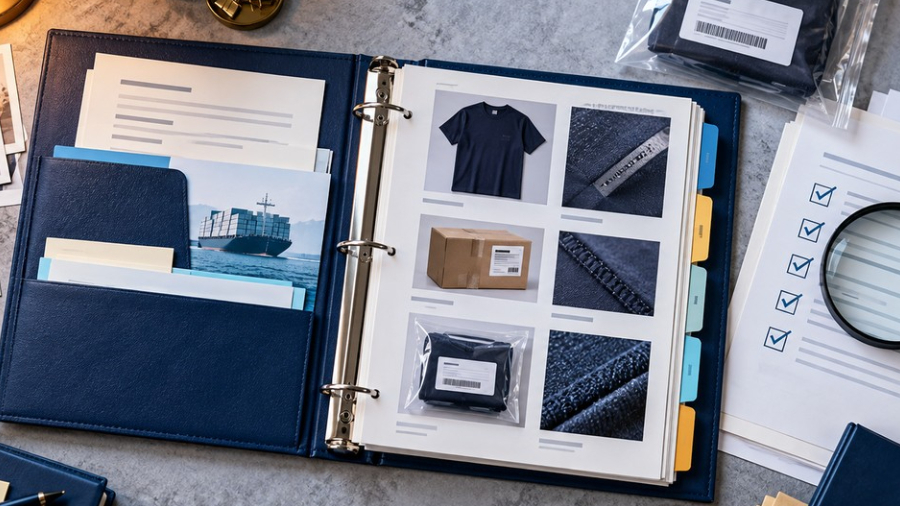
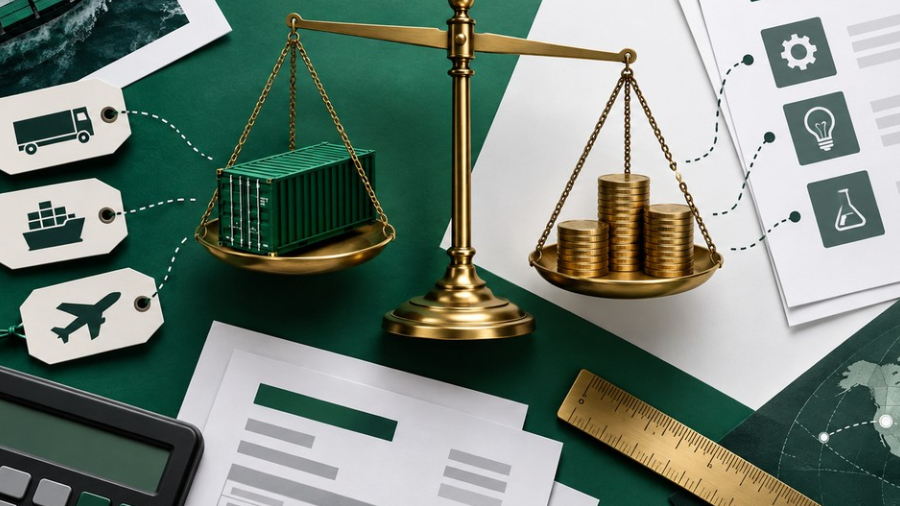
International shipping can be difficult for importers and exporters because every shipment involves multiple steps, documents, service providers, customs rules, transport modes, and delivery deadlines. Many businesses ask what is a freight forwarder because they need help moving cargo from one country to another without managing every logistics detail by themselves.
A freight forwarder is a logistics service provider that organizes the movement of goods on behalf of shippers. Instead of owning every truck, vessel, aircraft, or warehouse, a forwarder coordinates the entire transportation process through a network of carriers, customs brokers, warehouses, trucking companies, and delivery partners.
For businesses importing from China, working with a Chinese freight forwarder can help simplify supplier pickup, export handling, international freight, customs coordination, and final delivery. Whether you ship by sea freight, air freight, rail-related inland transport, or express shipping, freight services help connect each step into one organized logistics workflow.
This guide explains what freight forwarders do, how they work, what services they provide, how costs are calculated, and how importers can choose the right logistics partner.
What is a Freight Forwarder?
So, what is a freight forwarder? A freight forwarder is a professional logistics coordinator that arranges the transportation of cargo from the origin to the destination. The forwarder acts as a shipping agent between the shipper and different transport providers, helping goods move through the supply chain efficiently.
A freight forwarder may arrange pickup from a factory, book space with a carrier, prepare shipping documents, coordinate customs clearance, track cargo, manage warehouse handling, and organize final delivery. In many cases, the forwarder becomes the main communication point for the importer or exporter.
For example, if a buyer imports goods from China to the United States, the forwarder may coordinate with the supplier in China, arrange trucking to the port, book sea freight, prepare export documents, provide cargo updates, work with a customs broker at destination, and arrange delivery to the buyer’s warehouse.
A freight forwarder does not always physically transport the goods. Instead, the forwarder manages the logistics workflow. This is why freight forwarders are especially valuable for companies that do not have an internal shipping team.
A freight forwarder can support many shipment types, including:
Sea freight
Air freight
Express shipping
LCL shipping
FCL container shipping
Door-to-door delivery
DDP shipping
Warehouse consolidation
Customs coordination
Cargo insurance support
The main purpose of a freight forwarder is to reduce complexity, improve coordination, and help businesses move cargo with better cost control and fewer delays.
Why Freight Forwarders Matter in International Trade
International shipping is not a single action. It is a chain of connected steps. If one step fails, the shipment may be delayed, rejected, inspected, or charged extra fees. This is why freight forwarders are important for importers, exporters, wholesalers, factories, and e-commerce sellers.
A freight forwarder understands shipping routes, cargo requirements, documentation, customs procedures, carrier schedules, and cost factors. This experience helps businesses avoid common mistakes.
For example, a shipment may require a commercial invoice, packing list, booking confirmation, bill of lading, export declaration, customs entry, delivery appointment, and proof of delivery. If the documents are wrong or incomplete, customs clearance may be delayed. If the container is not returned on time, detention fees may apply. If cargo arrives before the buyer is ready to receive it, storage charges may occur.
Freight services help prevent these problems by managing each step in advance.
Another reason freight forwarders matter is cost comparison. Many importers do not know whether air freight, sea freight, express shipping, or door-to-door shipping is best for a specific shipment. A forwarder can compare options based on cargo size, weight, urgency, budget, and destination.
For small shipments, express or air freight may be better. For bulk cargo, sea freight may reduce cost. For shipments from multiple suppliers, warehouse consolidation may lower total logistics expenses. For inexperienced importers, DDP shipping may simplify customs and delivery.
A forwarder helps businesses make these decisions with a clearer view of cost, timeline, and risk.
How Does a Freight Forwarder Work?
To understand what is a freight forwarder, it helps to look at the actual shipping process. A freight forwarder usually follows a structured workflow from inquiry to delivery.
The first step is shipment inquiry. The importer provides cargo details such as product name, pickup address, destination address, carton quantity, weight, volume, cargo value, shipping method, and delivery deadline.
The second step is quotation. The forwarder checks the cargo details and provides a shipping quote. The quote may include pickup, export handling, international freight, customs clearance, destination charges, and final delivery depending on the requested service.
The third step is booking. Once the buyer confirms the shipment, the forwarder books space with a carrier or transport provider. For sea freight, this may involve vessel space. For air freight, this may involve flight space. For express-style shipping, this may involve parcel network arrangements.
The fourth step is cargo pickup or receiving. The goods are collected from the supplier or delivered to a warehouse. The forwarder checks basic cargo details and prepares the shipment for export.
The fifth step is export handling. This may include export customs declaration, document review, warehouse handling, labeling, palletizing, or container loading.
The sixth step is international transportation. Cargo moves by sea, air, truck, rail-related inland movement, or a combined method.
The seventh step is destination clearance. After arrival, the shipment must go through import customs clearance. The forwarder may coordinate with a customs broker or destination agent to complete this process.
The eighth step is final delivery. The cargo is delivered to the buyer’s warehouse, business location, fulfillment center, or other agreed address.
The ninth step is shipment closing. The forwarder may provide delivery confirmation, final documents, and invoice details.
This logistics workflow helps importers manage cargo more efficiently and reduce communication problems.
Main Freight Services Provided by Forwarders
Freight forwarders offer different services depending on shipment type, origin, destination, and customer needs.
One common service is sea freight. This includes LCL and FCL shipping. LCL means less than container load, where cargo from different shippers is consolidated into one container. FCL means full container load, where one shipper uses the whole container.
Another service is air freight. This is suitable for urgent cargo, high-value goods, samples, and smaller shipments that need faster delivery.
Express shipping is also common for small parcels, samples, documents, and urgent packages. It is usually convenient but more expensive for large shipments.
Door-to-door shipping is a complete service from supplier pickup to final delivery. It reduces the need for the buyer to coordinate multiple service providers.
DDP shipping is a type of delivered service where duties, customs clearance, and delivery may be included in the quote. This is useful for buyers who want a simplified import process.
Warehouse consolidation is another useful service. If a buyer purchases goods from multiple suppliers, the forwarder can collect cargo in one warehouse, combine shipments, and reduce repeated shipping costs.
Customs coordination is also important. Although the forwarder may not always act as the customs broker, it can help prepare documents and coordinate with customs agents.
Cargo insurance support can help protect goods against loss or damage during international transportation.
A professional forwarder may also provide shipment tracking, route planning, packaging advice, loading guidance, and import cost planning.
Sea Freight Forwarding
Sea freight is one of the most common international freight methods for large-volume cargo. A freight forwarder helps importers choose between LCL and FCL based on volume, weight, budget, and delivery timeline.
LCL sea freight is suitable for smaller shipments that do not fill a container. The forwarder arranges warehouse consolidation, shipping space, documentation, and destination deconsolidation. LCL is flexible, but it may include more handling steps and destination charges.
FCL sea freight is suitable for larger shipments. The forwarder books a full container, coordinates loading, manages port procedures, and arranges delivery after arrival. FCL often provides better control, fewer handling risks, and lower unit cost when the container is used efficiently.
Sea freight is usually slower than air freight but much more cost-effective for heavy or bulky goods. It is often used for furniture, building materials, machinery parts, packaging products, household goods, industrial supplies, and wholesale cargo.
When using sea freight, importers should provide accurate CBM, gross weight, cargo type, supplier address, destination address, and required delivery time. The forwarder can then recommend the best route and service scope.
Sea freight cost may include origin handling, ocean freight, destination charges, customs clearance, trucking, and possible storage or demurrage fees. A good forwarder should explain these charges clearly before booking.
Air Freight Forwarding
Air freight is used when speed matters. A freight forwarder arranges cargo pickup, airport handling, air transportation, customs coordination, and delivery.
Air freight is usually more expensive than sea freight, but it can reduce transit time significantly. It is useful for urgent orders, seasonal products, replacement parts, samples, high-value cargo, or goods needed before a deadline.
Air freight pricing is often based on chargeable weight. Chargeable weight compares actual gross weight with volumetric weight. If the cargo is bulky but light, the volumetric weight may be higher than the actual weight, increasing cost.
A forwarder helps calculate chargeable weight, choose suitable routing, confirm cargo restrictions, and prepare documents. For some products, special packaging or documentation may be required.
Air freight can also be combined with other services. For example, cargo may be picked up by truck, shipped by air, cleared at destination, and delivered by local truck. This full logistics workflow requires strong coordination.
Importers should use air freight carefully. It is not always the best option for large or low-value cargo. However, when a delay could cause stockouts, missed sales, or production stoppage, air freight may be worth the cost.
Rail, Trucking, and Inland Transportation
Rail and trucking are important parts of freight forwarding, even when the main international method is sea or air freight.
For China export shipments, trucking may be needed to move cargo from the factory to a port, airport, or consolidation warehouse. If the factory is far from the port, inland transportation can become a major cost factor.
At the destination, trucking is usually needed for final delivery. After cargo arrives at a port, airport, or rail terminal, it must be transported to the buyer’s warehouse or business address.
Rail may be used for inland movement in some routes. For example, after a container arrives at a coastal port, it may move inland by rail and then be delivered by truck. This combination can balance cost and transit time.
A freight forwarder coordinates these inland transportation steps. This includes pickup appointments, delivery appointments, equipment availability, weight limits, cargo handling, and final delivery instructions.
Importers should not ignore inland transportation costs. Sometimes the ocean freight rate is low, but inland delivery makes the total cost much higher. This is why a complete freight quote should include the full route, not just port-to-port movement.
Express Shipping and Small Parcel Forwarding
Express shipping is suitable for small shipments, samples, urgent parcels, and documents. It is usually faster and simpler than traditional freight forwarding, but it can become expensive for larger cargo.
A freight forwarder may provide express-style freight services for businesses that need fast delivery without handling complicated procedures. The forwarder can help prepare documents, calculate shipping costs, arrange pickup, and track delivery.
Express shipping is often useful for product samples before mass production. It allows buyers to inspect quality before placing a larger order. It is also useful for urgent replacement parts or small e-commerce shipments.
However, express shipping is not always suitable for bulk imports. Once shipment weight and volume increase, air freight or sea freight may be more economical.
Importers should compare express, air freight, and sea freight when shipment size changes. A forwarder can help identify the point where express becomes too expensive and another method becomes better.
Freight Forwarder vs Shipping Agent
A freight forwarder and a shipping agent are related, but they are not always the same.
A shipping agent may represent a carrier, vessel operator, airline, warehouse, or transport service in a specific location. The agent may handle bookings, documentation, cargo release, and local coordination.
A freight forwarder usually provides broader logistics coordination. The forwarder may work with multiple agents and carriers to arrange the complete movement of cargo from origin to destination.
For importers, the forwarder is often the main contact. The forwarder communicates with shipping agents, customs brokers, warehouses, truckers, and carriers on behalf of the customer.
In simple terms, a shipping agent may handle part of the process, while a freight forwarder organizes the overall logistics workflow.
When asking what is a freight forwarder, it is useful to remember that the forwarder’s value comes from coordination. The forwarder connects different logistics services into one shipping solution.
Working with a Chinese Freight Forwarder
A Chinese freight forwarder can be especially useful for importers sourcing from China. Since many suppliers are located in different cities, a forwarder in China can help coordinate pickup, consolidation, export documents, and shipping arrangements.
For example, if a buyer purchases from three suppliers, the forwarder can collect goods from each supplier, check shipment details, consolidate the cargo in a warehouse, and ship everything together. This may reduce shipping cost and simplify customs documents.
A Chinese freight forwarder can also help communicate with local suppliers, confirm carton details, arrange export clearance, and choose suitable ports or airports. This is helpful when the buyer is overseas and cannot manage the origin-side process directly.
When choosing a Chinese freight forwarder, importers should check experience, communication speed, quote transparency, destination delivery ability, customs coordination, and problem-solving capacity.
The cheapest forwarder is not always the best choice. Poor documentation, weak communication, unclear charges, or slow response can create delays and extra costs. A reliable forwarder should explain the process clearly and provide realistic shipping advice.
Cost Factors in Freight Forwarding
Freight forwarding costs depend on several factors.
The first factor is cargo volume and weight. LCL sea freight is often based on CBM, while air freight is based on chargeable weight. FCL is based on container type and route.
The second factor is shipping method. Sea freight is usually cheaper but slower. Air freight is faster but more expensive. Express shipping is convenient but costly for larger cargo.
The third factor is origin and destination. Pickup from an inland factory costs more than pickup near a major port. Delivery to a remote destination may also increase cost.
The fourth factor is cargo type. General cargo is easier to move. Fragile goods, oversized cargo, regulated goods, liquids, batteries, or high-value goods may require special handling.
The fifth factor is service scope. Port-to-port shipping is cheaper than door-to-door shipping, but it requires the buyer to manage more steps. DDP shipping may cost more but includes more services.
The sixth factor is seasonality. Freight rates can increase during peak shipping periods, holidays, or capacity shortages.
The seventh factor is customs requirements. Incorrect documents, inspections, or product compliance issues can create extra costs.
The eighth factor is delivery conditions. Appointment delivery, limited-access delivery, special unloading, or waiting time may increase final charges.
A professional forwarder should help importers understand these cost factors before booking.
How to Choose the Right Shipping Method
Choosing the right shipping method depends on cargo size, value, urgency, and budget.
Sea freight is usually best for large-volume, heavy, or non-urgent cargo. It has a lower cost per unit, but transit time is longer.
Air freight is best for urgent, smaller, or high-value shipments. It is faster but more expensive.
Express shipping is best for samples, small parcels, and urgent documents. It is simple but not ideal for large shipments.
Rail and trucking are important for inland transportation. They often support sea or air freight by moving cargo from origin factory to port or from destination port to warehouse.
A freight forwarder helps compare these options. For example, if a shipment is 2 CBM and urgent, air freight may be suitable. If it is 30 CBM and not urgent, sea freight is likely better. If it is 8 CBM, the forwarder may compare LCL sea freight with air freight depending on delivery time.
The best method is not always the cheapest or fastest. It is the method that matches your business goal, inventory plan, and budget.
Real-Life Example: Small Importer Using LCL Freight
Imagine a small importer buying 5 CBM of packaged goods from China. The order is too large for express shipping but too small for a full container. The importer asks a Chinese freight forwarder for help.
The forwarder collects the cargo from the supplier, sends it to a consolidation warehouse, arranges LCL sea freight, prepares documents, coordinates customs clearance, and delivers the goods to the importer’s warehouse.
The importer saves money compared with air freight and avoids managing multiple providers. The forwarder also explains destination charges and estimated delivery time before shipment.
This example shows how freight services help small importers ship more professionally without building an internal logistics team.
Real-Life Example: Wholesaler Using FCL Shipping
A wholesaler imports 40 CBM of goods every month. Because the shipment volume is high, the forwarder recommends FCL shipping instead of LCL.
The forwarder books a full container, coordinates factory loading, manages export clearance, arranges ocean freight, tracks the vessel, coordinates import clearance, and schedules truck delivery.
Compared with LCL, FCL reduces handling and improves cargo control. The wholesaler also gets better cost per unit because the container is used efficiently.
This example shows why freight forwarders are valuable for regular importers. They do not only move cargo; they help design a better logistics workflow.
Practical Tips for Working with a Freight Forwarder
First, provide accurate shipment details. Include product name, carton size, total quantity, gross weight, CBM, pickup address, destination address, and required delivery date.
Second, confirm the shipping term. EXW, FOB, CIF, DAP, and DDP all affect responsibility and cost.
Third, ask for a detailed quote breakdown. Do not compare only the lowest freight rate. Check origin charges, international freight, destination charges, customs clearance, and final delivery.
Fourth, confirm what is included and excluded. Ask about customs inspection, storage, demurrage, detention, insurance, and special delivery fees.
Fifth, prepare documents early. Commercial invoice, packing list, shipping instructions, product description, and customs details should be ready before cargo moves.
Sixth, compare shipping methods. Ask your forwarder to compare sea freight, air freight, and express shipping when needed.
Seventh, track important timelines. Know pickup date, departure date, arrival date, customs clearance status, and delivery appointment.
Eighth, review your landed cost. Good logistics planning should include freight, duty, customs fees, and final delivery, not only product price.
Ninth, build long-term cooperation. A forwarder that understands your products, suppliers, and shipping patterns can provide better advice over time.
Common Mistakes to Avoid
One common mistake is choosing a forwarder based only on the cheapest quote. A low quote may exclude important charges or use a slower route.
Another mistake is giving incomplete cargo details. If weight, volume, or product information is wrong, the final cost may change.
A third mistake is ignoring customs requirements. Freight movement and customs clearance must be planned together.
A fourth mistake is comparing different service scopes. A port-to-port quote should not be compared directly with a door-to-door quote.
A fifth mistake is not planning enough time. Sea freight can face delays due to weather, port congestion, customs inspection, or delivery scheduling.
A sixth mistake is poor supplier coordination. The supplier must prepare goods, documents, and loading details on time.
A seventh mistake is not checking destination charges. Many importers focus on origin and ocean freight but forget local charges after arrival.
Avoiding these mistakes can reduce cost, delay, and communication problems.
Conclusion
So, what is a freight forwarder? A freight forwarder is a logistics partner that organizes international cargo movement for importers and exporters. It coordinates shipping agents, carriers, warehouses, customs brokers, truckers, and delivery providers to create a complete logistics workflow.
A forwarder can arrange sea freight, air freight, express shipping, inland transportation, customs coordination, consolidation, insurance support, and door-to-door freight services. For businesses importing from China, a Chinese freight forwarder can help manage supplier pickup, export handling, international freight, and delivery coordination.
The right forwarder does more than move goods. It helps businesses compare shipping methods, control costs, reduce delays, and improve supply chain reliability. If your company imports or exports regularly, working with an experienced freight forwarder can make international shipping easier, clearer, and more efficient.
FAQ
What is a freight forwarder?
A freight forwarder is a logistics service provider that organizes cargo transportation for importers and exporters. It coordinates carriers, shipping agents, customs brokers, warehouses, and delivery providers.
Is a freight forwarder the same as a carrier?
No. A carrier physically transports goods by vessel, aircraft, truck, or rail. A freight forwarder arranges and coordinates transportation using different carriers and logistics partners.
Why use a Chinese freight forwarder?
A Chinese freight forwarder can help with supplier pickup, warehouse consolidation, export documents, sea freight, air freight, customs coordination, and international delivery from China.
What freight services do forwarders provide?
Freight services may include sea freight, air freight, express shipping, LCL, FCL, door-to-door delivery, DDP shipping, customs coordination, cargo insurance support, and warehouse consolidation.
How do I choose the right freight forwarder?
Choose a forwarder based on experience, communication, transparent pricing, service coverage, customs knowledge, tracking ability, and ability to provide practical shipping advice.
 English
 Deutsch
 Português
 العربية
 中文
中文


 25 Sep