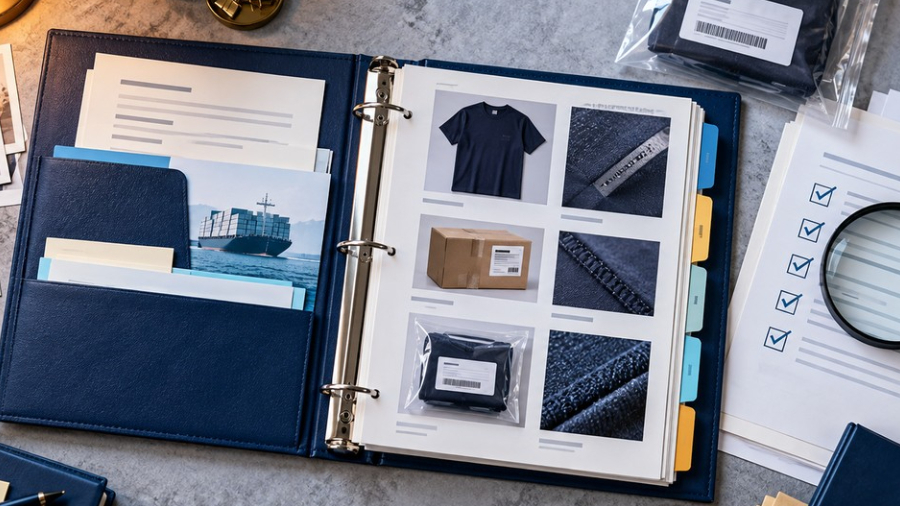
China is one of the world’s most important manufacturing and export hubs. Every day, businesses import machinery, consumer goods, packaging materials, electronics, furniture, textiles, industrial parts, and many other products from Chinese suppliers. However, buying products is only the first step. To move goods from a factory in China to an overseas warehouse, importer, distributor, or retail location, businesses often need a reliable logistics partner.
This is where many importers ask: what is a chinese freight forwarder and why is this role important in international shipping?
A Chinese freight forwarder is a logistics service provider based in China that helps exporters and importers arrange cargo movement from origin to destination. This may include pickup, warehousing, export documents, customs coordination, sea freight, air freight, rail freight, express shipping, cargo consolidation, and delivery planning.
In this guide, you will learn what is a chinese freight forwarder, what services they provide, how different shipping methods work, what cost factors affect freight pricing, and how to choose the right shipping partner for your business.
Overview: What Is a Chinese Freight Forwarder?
A Chinese freight forwarder is not usually the company that physically owns every ship, aircraft, truck, or rail line used in transportation. Instead, it acts as a logistics organizer and coordinator. The forwarder connects importers, suppliers, carriers, warehouses, customs agents, and delivery providers to move cargo efficiently.
When businesses ask what is a chinese freight forwarder, the simplest answer is this: it is a China-based shipping partner that manages export logistics and international transportation on behalf of buyers, sellers, or trading companies.
A freight forwarding company in China may help with several important tasks:
Picking up goods from factories or suppliers
Checking carton details and cargo readiness
Consolidating goods from multiple suppliers
Arranging export customs documents
Booking sea freight, air freight, rail freight, or express shipping
Coordinating warehouse storage
Preparing shipping labels and packing information
Communicating with overseas agents
Providing tracking updates
Helping estimate freight cost and delivery timing
For importers, this support is valuable because international shipping involves many steps and many parties. A small error in documentation, cargo measurement, shipping method, or customs process can cause delays and extra costs.
A China logistics provider is especially useful when buyers purchase from multiple suppliers in different cities. Instead of asking every supplier to ship separately, the freight forwarder can consolidate cargo into one shipment. This can reduce freight expenses, improve cargo control, and simplify import planning.
A good freight forwarder does more than quote a price. It helps businesses understand shipping options, compare costs, prepare documents, reduce risks, and improve supply chain efficiency.
Why Importers Use Freight Forwarders in China
Importing from China can be complex, especially for businesses without local logistics experience. Suppliers may be excellent at manufacturing products, but they may not always provide complete international shipping solutions. A freight forwarder fills that gap.
One major reason importers use a Chinese forwarder is communication. The forwarder can communicate with factories in China, confirm pickup details, check packaging information, and coordinate shipment timing. This reduces misunderstandings between overseas buyers and domestic suppliers.
Another reason is cost comparison. A freight forwarding company can compare different shipping routes, warehouse options, and transportation methods. For example, a shipment may be cheaper through one port, faster through another route, or more practical when consolidated with other goods.
A third reason is documentation support. Export logistics require commercial invoices, packing lists, export declarations, shipment details, cargo measurements, and sometimes certificates or special documents. If documents are incomplete or inconsistent, cargo may be delayed.
Importers also use freight forwarders for flexibility. Some shipments are urgent and require air freight. Some are large and need sea freight. Some are small and better suited for express shipping. Some cargo may need warehouse storage before export. A freight forwarder helps match the shipping method to the business goal.
In short, a China logistics provider helps importers save time, reduce errors, and make better logistics decisions.
Core Services Provided by a Chinese Freight Forwarder
A Chinese freight forwarder can provide many cargo services depending on the shipment type, product category, and destination requirements.
Supplier Pickup
The forwarder can arrange pickup from one or multiple factories. This is useful when an importer buys products from several suppliers and wants one combined shipment.
Cargo Consolidation
Consolidation means combining goods from multiple suppliers into one shipment. This can reduce shipping cost and simplify customs handling at destination.
Warehousing
A forwarder may store cargo temporarily before export. Warehousing is helpful when suppliers finish production at different times.
Cargo Inspection Support
Some forwarders may help check outer carton condition, count packages, verify labels, or take photos before shipment. This does not replace a professional product inspection, but it helps improve cargo visibility.
Export Documentation
Forwarders help prepare or coordinate export documents required for international shipping and customs declaration.
Freight Booking
They arrange shipping space through sea freight, air freight, rail freight, or express channels.
Customs Coordination
Export customs clearance is a key part of shipping from China. A freight forwarder coordinates customs submission and release procedures.
Tracking and Communication
A good shipping partner provides updates throughout the process, including pickup, warehouse arrival, departure, transit, customs clearance, and delivery status.
Destination Support
Some forwarders can coordinate with overseas agents to arrange customs clearance, duties, taxes, and final delivery depending on the shipping terms.
These services explain what is a chinese freight forwarder from a practical business perspective: it is a logistics coordinator that helps move cargo from Chinese suppliers to international destinations.
Sea Freight From China
Sea freight is one of the most common methods used by importers shipping goods from China. It is usually the best choice for large, heavy, bulky, or non-urgent cargo.
Sea freight can be arranged as:
Full Container Load, where one shipper uses a full container
Less than Container Load, where cargo shares container space with other shipments
Sea freight is often suitable for:
Furniture
Building materials
Machinery parts
Home goods
Packaging products
Large wholesale orders
Industrial supplies
The main advantage of sea freight is lower cost per unit for large shipments. The main disadvantage is longer transit time. Importers should plan production and inventory schedules carefully when choosing sea transport.
A Chinese freight forwarder helps select the origin port, arrange container loading or warehouse consolidation, prepare export documents, book vessel space, and coordinate with destination agents.
For businesses focused on cost efficiency, sea freight is often the most practical option.
Air Freight From China
Air freight is faster than sea freight and is commonly used for urgent, high-value, lightweight, or time-sensitive cargo. It is more expensive, but it can help businesses avoid stockouts, meet deadlines, or support product launches.
Air freight is suitable for:
Small but valuable goods
Urgent replenishment orders
Samples
Seasonal products with tight timelines
Production replacement parts
Goods with high profit margins
A China logistics provider can help compare air freight options based on transit time, cargo weight, chargeable weight, airport availability, and destination requirements.
The key cost factor in air freight is chargeable weight. This may be based on actual weight or volumetric weight, whichever is higher. Packaging optimization is important because oversized cartons can increase air freight cost.
Air freight is not always the cheapest option, but it can be the right choice when speed creates business value.
Rail Freight From China
Rail freight is available on certain international trade routes and can provide a balance between cost and speed. It is generally faster than sea freight and less expensive than air freight, depending on the route and cargo type.
Rail freight may be suitable for:
Medium-volume cargo
Shipments requiring faster delivery than sea freight
Industrial products
Consumer goods
Inventory replenishment with moderate urgency
Rail shipping is not available for every destination, and route coverage may be limited. However, where available, it can be a useful option for importers looking for a middle-ground solution.
A freight forwarding company can help determine whether rail freight is practical for the destination, compare transit times, calculate costs, and coordinate inland pickup and delivery.
Express Shipping From China
Express shipping is commonly used for samples, documents, small parcels, urgent online orders, and lightweight shipments. It is usually the fastest option, but it can become expensive for large or heavy cargo.
Express shipping is suitable for:
Product samples
Small test orders
Documents
Lightweight goods
Urgent replacement items
Express shipping is convenient because pickup, international transport, customs processing, and delivery are often handled within one service chain. However, importers should still understand customs duties, taxes, declared value, and destination restrictions.
For growing businesses, express shipping may be useful during early product testing. As shipment volume increases, sea freight, air freight, or consolidated shipping may become more cost-effective.
Cost Factors When Working With a Chinese Freight Forwarder
Freight pricing depends on many variables. Understanding these factors helps importers evaluate quotes more accurately.
Cargo Volume and Weight
Large or heavy shipments usually cost more, but cost per unit may decrease when shipping in larger volumes. For air freight and express shipping, volumetric weight is especially important.
Shipping Method
Sea freight is usually cheaper for large cargo. Air freight is faster but more expensive. Rail freight may offer a middle option on certain routes. Express shipping is best for small urgent goods.
Origin and Destination
Pickup location, departure port, destination country, final delivery address, and route complexity all affect cost.
Cargo Type
Fragile, oversized, hazardous, temperature-sensitive, or high-value goods may require special handling or additional documentation.
Packaging
Poor packaging can increase cargo volume, damage risk, and handling cost. Efficient packaging helps reduce freight expenses.
Customs and Documentation
Export documents, import requirements, duties, taxes, and customs fees can affect total landed cost.
Seasonality
Peak seasons, holidays, port congestion, and limited space can increase shipping rates and transit time.
Service Scope
A basic port-to-port quote is different from a door-to-door quote. Importers should confirm what is included before comparing prices.
A clear quote from a shipping partner should explain the shipping method, route, cargo details, included charges, excluded charges, estimated transit time, and payment terms.
How to Compare Shipping Methods
Choosing the right shipping method depends on cost, urgency, cargo size, product value, and inventory needs.
When to Choose Sea Freight
Choose sea freight when the shipment is large, heavy, or not urgent. It is best for businesses that can plan ahead and want lower freight cost per unit.
When to Choose Air Freight
Choose air freight when speed matters. It is useful for urgent orders, high-value goods, and shipments where fast delivery supports sales or production.
When to Choose Rail Freight
Choose rail freight when available and when you need a balance between transit time and cost. It is suitable for medium-volume shipments on compatible routes.
When to Choose Express Shipping
Choose express shipping for samples, documents, small parcels, and urgent lightweight cargo.
The best method is not always the cheapest freight option. Importers should calculate total landed cost, delivery urgency, inventory risk, and profit margin.
A Chinese freight forwarder can help compare these options and recommend a practical solution based on shipment goals.
How to Choose the Right Chinese Freight Forwarder
Choosing the right logistics partner is critical. A low price does not always mean better value. Importers should evaluate reliability, communication, transparency, and service capability.
Check Service Scope
Confirm whether the forwarder handles pickup, warehousing, consolidation, export customs, freight booking, destination clearance, and final delivery.
Review Communication Quality
Good communication reduces delays and mistakes. The forwarder should provide clear updates, answer questions, and explain problems honestly.
Ask for Detailed Quotes
A professional quote should list included charges, excluded charges, shipping method, transit time, route, cargo details, and payment terms.
Confirm Cargo Experience
Different cargo types require different handling. Ask whether the forwarder has experience with your product category.
Compare More Than Price
The cheapest quote may exclude important charges or use slower routes. Compare total cost and service reliability.
Check Documentation Support
The forwarder should understand export documents and help ensure shipment information is complete and consistent.
Start With a Trial Shipment
For a new relationship, begin with a smaller shipment when possible. This helps test communication, timing, and service quality before larger orders.
A strong shipping partner helps importers reduce risk and build a more stable supply chain.
Real-Life Example: Small Importer Consolidating Cargo
A small importer buys products from three suppliers in different Chinese cities. If each supplier ships separately, the freight cost is high and the paperwork becomes complicated.
The importer works with a China logistics provider to collect all goods into one warehouse. The forwarder checks carton counts, stores the goods temporarily, and consolidates them into one sea freight shipment.
The result is lower shipping cost, easier tracking, and simpler cargo planning. This example shows how a Chinese freight forwarder can help small businesses improve efficiency.
Real-Life Example: Urgent Replenishment by Air Freight
A retailer runs out of inventory earlier than expected. Waiting for sea freight would take too long, and the business may lose sales.
The importer asks the freight forwarder to compare air freight and express shipping. Based on shipment weight and delivery timing, air freight is selected as the better balance between cost and speed.
The forwarder arranges supplier pickup, export documents, air booking, and destination coordination. Although the freight cost is higher than sea freight, the business avoids lost sales and maintains customer demand.
This example shows why shipping decisions should consider business impact, not only freight price.
Real-Life Example: Large Shipment by Sea Freight
A wholesaler imports a large order of home products. The shipment is bulky but not urgent. The forwarder recommends sea freight because it provides the lowest cost per unit.
The cargo is loaded into a container, export documents are prepared, and the shipment moves by ocean. The importer plans inventory in advance to allow enough transit time.
This example shows how sea freight supports cost control for high-volume imports.
Many importers make mistakes when working with freight forwarders for the first time.
One common mistake is comparing only the lowest quote. Some low quotes may exclude local charges, documentation fees, destination handling, customs clearance, or delivery costs.
Another mistake is providing inaccurate cargo details. Wrong weight, dimensions, carton count, or product description can lead to price changes and delays.
Some importers also fail to confirm shipping terms. It is important to know who is responsible for pickup, export clearance, freight, import customs, duties, taxes, and final delivery.
Another issue is waiting too long to book space. During peak seasons, freight rates may rise and available capacity may become limited.
Importers should also avoid unclear communication with suppliers. The forwarder needs accurate pickup addresses, contact information, cargo readiness dates, and packing details.
Avoiding these mistakes helps create smoother export logistics and better cost control.
Practical Tips for Working With a China Logistics Provider
Prepare Cargo Details Early
Provide product name, carton quantity, gross weight, dimensions, supplier address, ready date, and destination details.
Confirm Shipping Terms
Make sure all parties understand who pays for each logistics stage.
Request Written Quotes
Verbal pricing can create confusion. Always request written confirmation of cost and scope.
Plan for Peak Seasons
Book early before major holidays or busy shipping periods.
Use Consolidation When Buying From Multiple Suppliers
Combining goods can reduce cost and improve cargo control.
Check Packaging Quality
Strong export packaging reduces damage risk during international transport.
Keep Documents Consistent
Invoices, packing lists, labels, and cargo descriptions should match.
Track Total Landed Cost
Do not look only at freight cost. Include duties, taxes, customs fees, local delivery, and possible storage.
These practical steps help businesses work more effectively with a freight forwarding company and improve shipping results.
Why a Chinese Freight Forwarder Matters for Global Supply Chains
A Chinese freight forwarder plays a key role in connecting manufacturing supply with international markets. For overseas buyers, the forwarder acts as the operational bridge between suppliers and final delivery.
Without a reliable shipping partner, importers may face unclear costs, shipment delays, document errors, poor coordination, and limited visibility. With the right forwarder, businesses can improve planning, reduce logistics risk, and scale imports more confidently.
For companies that import regularly, the forwarder becomes part of the supply chain strategy. They help businesses compare shipping methods, control freight expenses, coordinate cargo services, and respond quickly when problems occur.
Understanding what is a chinese freight forwarder allows importers to use logistics services more strategically instead of treating shipping as an afterthought.
Conclusion
So, what is a chinese freight forwarder? It is a China-based logistics partner that helps businesses manage cargo movement from Chinese suppliers to international destinations. Services may include supplier pickup, warehousing, consolidation, export documents, customs coordination, sea freight, air freight, rail freight, express shipping, and delivery planning.
For importers, working with the right freight forwarding company can reduce complexity, improve communication, lower logistics risk, and support better cost control. The best shipping method depends on shipment size, urgency, budget, destination, and product type.
Before choosing a shipping partner, compare service scope, communication quality, pricing transparency, cargo experience, and documentation support. A reliable China logistics provider is not only a freight arranger. It is a strategic partner for smoother global trade.
If your business imports from China, start by reviewing your cargo details, shipping goals, and delivery timeline. Then work with a logistics partner that can help you choose the most efficient and reliable shipping solution.
FAQ
1. What is a Chinese freight forwarder?
A Chinese freight forwarder is a logistics provider based in China that helps arrange cargo pickup, warehousing, export documents, freight booking, customs coordination, and international shipping.
2. Why do importers use a China logistics provider?
Importers use a China logistics provider to simplify supplier coordination, reduce shipping errors, compare freight options, consolidate cargo, and manage export logistics more efficiently.
3. Can a Chinese freight forwarder arrange sea freight and air freight?
Yes. Many freight forwarders can arrange sea freight, air freight, rail freight, express shipping, warehousing, and cargo consolidation depending on shipment requirements.
4. How do I choose a reliable freight forwarding company?
Compare service scope, quote transparency, communication quality, cargo experience, documentation support, and ability to handle your destination requirements.
5. Is the cheapest freight forwarder always the best option?
No. The cheapest quote may exclude important charges or use slower routes. Importers should compare total cost, included services, transit time, and reliability.
 English
 Deutsch
 Português
 العربية
 中文
中文


 25 Sep