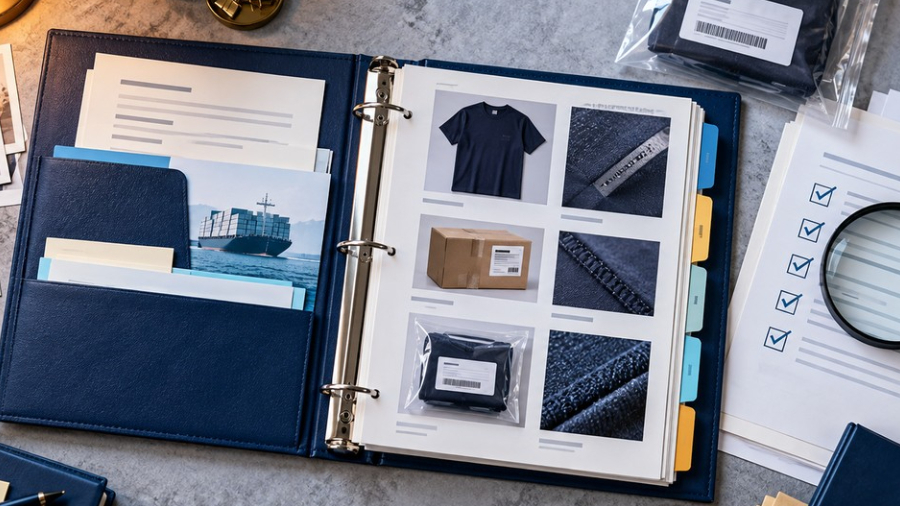
Choosing a freight forwarder is one of the most important decisions an importer makes when shipping from China. Once the cargo enters a forwarder’s warehouse, changing providers can become more difficult and may involve storage, handling and cargo-release charges.
A professional website, fast response or low quotation does not prove that a logistics provider can safely manage the shipment. Importers should verify the company, quotation, warehouse, payment account, customs arrangement and insurance terms before authorizing supplier pickup.
This guide provides a practical process for verifying a China freight forwarder, identifying warning signs and protecting cargo before it enters the logistics provider’s control.
Why Freight Forwarder Verification Matters
International shipping involves more than moving cargo from one location to another. A freight forwarder may coordinate:
- Supplier pickup
- Origin warehouse receiving
- Cargo consolidation
- Export documentation
- Ocean or air transportation
- Import customs clearance
- Destination handling
- Final delivery
If the provider fails to perform one of these stages correctly, the importer may face delays, unexpected expenses or loss of control over the cargo.
Freight forwarder verification is especially important when:
- The shipment has a high commercial value
- The importer is using the provider for the first time
- The quotation is unusually low
- The service is described as DDP or tax included
- The cargo contains regulated products
- The shipment combines goods from several suppliers
- The final destination is far from the arrival port
Before choosing a provider, importers can use DDPexpert’s online freight quote calculator to compare available transportation options and identify quotations that require further explanation.
Step 1: Verify the Company’s Legal Identity
Ask the freight forwarder for its complete registered company information.
Request:
- Registered company name
- Business registration number
- Registered address
- Operating address
- Year of establishment
- Primary contact person
- Company telephone number
- Company email domain
The company name on the quotation, contract, invoice and payment instructions should be consistent. If different names appear, request a written explanation of the relationship between the entities.
Some logistics groups use separate companies for sales, warehouse operations, customs services and payment collection. This can be legitimate, but the importer should understand which entity is responsible for each service.
Step 2: Confirm the Physical Office and Warehouse
A freight forwarder should be able to identify where its team works and where customer cargo is received.
Request:
- Office address
- Warehouse address
- Warehouse contact details
- Receiving hours
- Loading and unloading facilities
- Cargo-identification procedure
- Warehouse photographs or video
A video call can help confirm that an office or warehouse exists, but it should not be the only verification method. A provider may use a third-party warehouse rather than owning the facility.
If the warehouse is operated by another company, ask:
- Who owns or manages the warehouse?
- How will the cargo be identified?
- Who can authorize cargo release?
- Who is responsible for damage inside the warehouse?
- Which storage and handling rates apply?
Step 3: Check the Provider’s Experience with Your Cargo
A freight forwarder may be experienced in general consumer products but unfamiliar with batteries, chemicals, machinery, food-contact products or other regulated cargo.
Ask whether the provider has handled:
- Your product category
- Your origin city
- Your destination country
- Your final delivery region
- Your preferred transportation method
- Your required customs arrangement
Request an explanation of the planned route rather than only asking whether the provider has experience.
A useful response should identify:
- Origin warehouse or consolidation location
- Departure port or airport
- Direct or transshipment service
- Arrival region
- Customs clearance arrangement
- Final-mile delivery method
The provider does not need to disclose confidential carrier contracts, but it should be able to explain the basic transportation plan.
A reliable freight forwarder should request enough information to calculate the transportation cost and identify cargo restrictions.
Provide:
- Detailed product description
- Product materials and use
- Number of cartons or pallets
- Gross weight
- Individual carton dimensions
- Total CBM
- Commercial value
- Pickup address
- Final delivery ZIP code
- Cargo-ready date
- Special handling requirements
Disclose batteries, liquids, powders, magnets, branded products, chemicals and other sensitive goods before booking.
Be cautious if the provider offers a fixed door-to-door price without requesting product details, weight, dimensions or destination information.
Step 5: Request an Itemized Written Quotation
A quotation should explain what the importer is buying. A single total amount described as “all included” is difficult to verify or compare.
Ask whether the quotation includes:
- Supplier pickup
- Origin warehouse handling
- Cargo measurement
- Export customs declaration
- Origin documentation
- International freight
- Destination handling
- Customs brokerage
- Duties and taxes
- Customs bond
- Final delivery
- Delivery appointment
- Residential or liftgate service
The quotation should also identify:
- Rate-validity period
- Cargo assumptions
- Transit-time basis
- Excluded charges
- Conditional charges
- Payment schedule
- Price-adjustment conditions
Compare the complete door-to-door scope rather than only the international freight rate.
Step 6: Compare the Quote with the Transportation Method
The quotation should match the cargo volume, urgency and service requirements.
FCL ocean freight
Full-container shipments require coordination of container equipment, factory loading, export procedures, port delivery and final container movement.
Importers can compare the quotation with DDPexpert’s FCL ocean freight service.
LCL ocean freight
LCL cargo shares container space with other shipments and may involve consolidation, destination CFS charges and deconsolidation.
Review available LCL shipping services and confirm whether origin and destination handling are included.
Air freight
Air freight may be charged according to actual or volumetric weight. Ask which divisor and minimum charge apply.
For urgent cargo, compare the offer with DDPexpert’s air freight from China service.
Step 7: Verify the Customs Clearance Arrangement
A low DDP price may rely on customs assumptions that have not been explained to the buyer.
Before booking, ask:
- Who will act as the Importer of Record?
- Which customs broker will prepare the entry?
- Whose customs bond will be used?
- Which HTS code is assumed?
- What customs value will be declared?
- Are additional tariffs included?
- Who responds to customs questions?
- Which entry documents will be available?
Statements such as “our U.S. agent handles everything” do not adequately explain the customs arrangement.
Importers who need help reviewing entry requirements can learn more about DDPexpert’s U.S. customs clearance services.
Step 8: Verify the Payment Account
Payment instructions should be checked before transferring money.
Confirm:
- Name of the account holder
- Bank name and country
- Currency
- Relationship between the account holder and freight company
- Invoice number
- Reason for any last-minute payment change
Warning signs may include:
- Payment to an unrelated personal account
- A sudden change of beneficiary
- Requests to avoid the agreed platform
- Different payment details sent from a new email address
- Pressure to pay without an invoice
Verify unexpected changes using a previously confirmed telephone number or communication channel.
Step 9: Review the Contract and Service Terms
The contract should identify what happens when cargo information, schedules or costs change.
Review:
- Company providing the service
- Scope of transportation
- Payment terms
- Rate-adjustment conditions
- Cargo-measurement procedure
- Storage charges
- Cargo-release procedure
- Loss and damage liability
- Claim deadlines
- Dispute process
Ask which language version controls if the contract is bilingual.
Do not rely only on sales messages when the formal contract contains different limitations.
Step 10: Confirm Warehouse Storage and Release Fees
Storage and release terms matter because they affect the importer’s ability to change freight forwarders.
Before sending cargo, request:
- Free-storage period
- Daily storage rate
- Warehouse receiving fee
- Measurement fee
- Repacking fee
- Palletizing fee
- Cargo-release fee
- Pickup appointment requirements
Ask whether another freight forwarder can collect the cargo and what documents or payments would be required.
A provider should not need to invent the cargo-release procedure after a dispute begins.
Step 11: Review Insurance and Liability
Do not assume that DDP shipping automatically includes full cargo insurance.
Ask:
- Who provides the insurance?
- Is there an insurance certificate?
- What cargo value is insured?
- Are loss and physical damage covered?
- Are customs actions excluded?
- Is delay covered?
- What deductible applies?
- What documents are needed for a claim?
- What is the claim-notification deadline?
If the provider offers “internal insurance,” request the complete compensation rules. Determine whether it is a formal insurance policy or a company promise to compensate certain losses.
Step 12: Check References and Independent Feedback
Platform ratings and verification badges can be useful, but they should not replace direct verification.
When reviewing feedback, look for information about:
- Price changes after pickup
- Communication during delays
- Handling of customs problems
- Cargo-release procedures
- Insurance claims
- Final-delivery performance
Ask the provider for references involving similar cargo and routes. Respect customer confidentiality and do not expect private shipping documents from another importer.
A reference is more useful when it discusses the complete service rather than only the provider’s fast sales response.
Step 13: Start with a Test Shipment
A small test shipment can help evaluate the provider before assigning larger or higher-value cargo.
Use the test to review:
- Quotation accuracy
- Warehouse receiving
- Cargo measurement
- Document preparation
- Tracking updates
- Customs communication
- Delivery performance
- Final invoice accuracy
A test shipment should still have proper documentation and insurance. Shipping a smaller quantity reduces exposure but does not remove compliance requirements.
Warning Signs Before Cargo Pickup
Investigate further if the freight forwarder:
- Provides a quote without requesting cargo details
- Refuses to identify its registered company
- Cannot explain the warehouse arrangement
- Uses several unrelated company names
- Requests payment to a personal account
- Cannot explain the customs arrangement
- Promises that customs will never inspect the shipment
- Refuses to provide exclusions
- Does not disclose storage or release fees
- Pressures the buyer to send cargo immediately
- Offers full insurance without written terms
- Cannot explain the proposed route
One warning sign does not automatically prove that the provider is unreliable. It means the importer should request more information before releasing the cargo.
What to Do If the Cargo Is Already in the Warehouse
If concerns appear after the cargo has been collected, first obtain a complete written status report.
Request:
- Warehouse receiving record
- Carton or pallet count
- Measured weight and dimensions
- Cargo photographs
- Current storage charges
- Booking status
- Planned route
- Outstanding balance
- Cargo-release procedure
If the cargo has not departed, obtain a replacement quotation using the warehouse measurements before deciding whether to transfer it.
Calculate the complete cost of changing providers, including:
- Receiving fees
- Storage
- Cargo release
- Local pickup
- New warehouse receiving
- Repacking
- Departure delay
How to Verify Shipment Progress
Once the shipment departs, ask for the appropriate transportation reference.
Depending on the service, this may include:
- Booking confirmation
- Bill of lading number
- Container number
- Air waybill number
- Carrier reference
- Estimated departure and arrival dates
For ocean freight, importers can use DDPexpert’s online container tracking tool to monitor available vessel and container milestones.
Tracking does not replace communication with the freight forwarder, but it can help confirm whether cargo has departed or arrived.
Verify Final Delivery Requirements
A freight forwarder should confirm how the shipment will move from the arrival port, airport or warehouse to the final address.
Provide:
- Complete destination ZIP code
- Commercial or residential status
- Receiving hours
- Delivery appointment requirements
- Loading dock availability
- Forklift availability
- Liftgate requirements
- Limited-access conditions
Smaller palletized shipments may require LTL freight delivery. Larger shipments may use full truckload transportation.
Confirm whether unloading, residential delivery and appointment fees are included in the quotation.
Freight Forwarder Verification Checklist
Company verification:
- Confirm registered company information
- Confirm office and warehouse addresses
- Identify every company involved
- Verify the payment account
Service verification:
- Provide complete cargo data
- Request an itemized quotation
- Confirm the route and transportation method
- Review customs responsibilities
- Review final-delivery requirements
Risk verification:
- Review storage and cargo-release charges
- Review insurance and liability terms
- Check references and independent feedback
- Confirm claim and dispute procedures
Before cargo pickup:
- Save the quotation and contract
- Save payment instructions
- Confirm warehouse receiving details
- Confirm rate validity
- Confirm cargo-ready date
- Verify customs and delivery plans
Conclusion
A reliable China freight forwarder should be able to explain its company identity, warehouse arrangement, quotation, transportation route, customs process, payment terms and cargo-release procedure.
Importers should complete these checks before supplier pickup. Once cargo enters a warehouse, disputes can become more expensive and changing providers may cause additional handling and storage charges.
Do not select a freight forwarder based only on the lowest quotation or fastest sales response. Compare the complete service scope, confirm responsibilities in writing and begin with a manageable test shipment when possible.
You can compare China-to-USA shipping rates with DDPexpert or request a customized freight quotation for ocean freight, air freight, customs clearance and final delivery.
FAQ
How can I verify a freight forwarder in China?
Confirm the registered company, office, warehouse, payment account, quotation, contract, customs arrangement, insurance terms and cargo-release procedure before sending the goods.
Is a low freight quotation a warning sign?
Not automatically. A provider may have competitive rates or efficient consolidation. However, a price far below comparable offers should be supported by a clear breakdown of included and excluded services.
Should I send cargo before receiving the final quotation?
No. Confirm the quotation, cargo assumptions, adjustment conditions, storage fees and release procedure before supplier pickup.
Can I move cargo to another freight forwarder?
It may be possible if the cargo has not departed. Ask for the warehouse address, outstanding charges, release procedure and pickup requirements before appointing another provider.
Does platform verification guarantee a freight forwarder’s service?
No. Platform verification can provide useful business information, but importers should still verify the quotation, payment account, warehouse, customs arrangement, contract and insurance terms.
 English
 Deutsch
 Português
 العربية
 中文
中文


 25 Sep