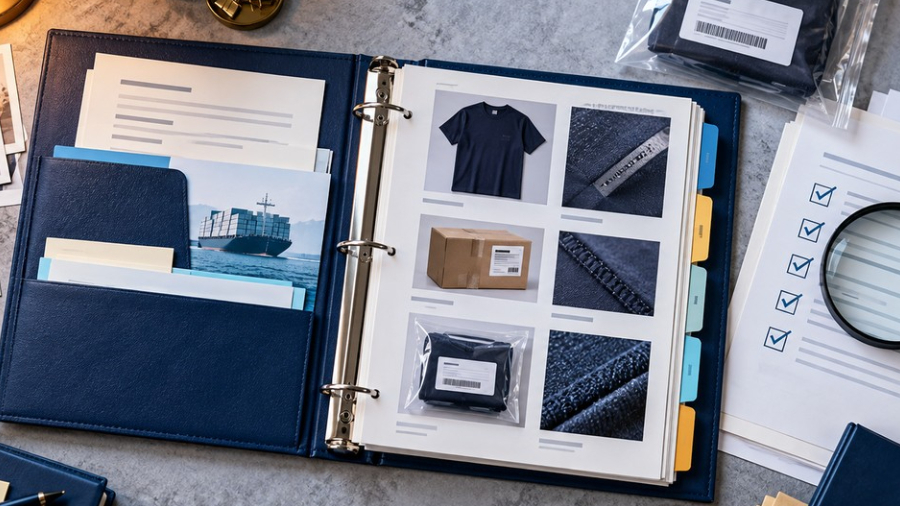
Fulfillment by Amazon has become a core logistics model for many e-commerce businesses selling in the United States. It allows sellers to send inventory into Amazon’s warehouse network and let Amazon handle storage, packing, and outbound fulfillment. For businesses sourcing products in China, this creates a major opportunity, but it also adds a layer of operational complexity. Shipping to amazon fba from china is not the same as standard import shipping to a private warehouse. It requires product prep, box content accuracy, carton labels, routing compliance, and warehouse check-in discipline. Amazon’s own FBA guidance says sellers must follow shipping and routing requirements, provide box content information, and use correct box labels to help fulfillment centers receive shipments faster.
The financial side matters just as much as the physical process. U.S. Customs and Border Protection states that commercial imports may be subject to duties, taxes, and fees, and that importers should understand import procedures before shipping. At the same time, Amazon has updated parts of its U.S. inbound workflow for 2026, including the end of FBA prep and item labeling services for U.S. FBA shipments starting January 1, 2026, and a 3.5% fuel and logistics-related surcharge on FBA fulfillment fees beginning April 17, 2026.
This guide explains how shipping to amazon fba from china works end to end, how to choose the right method, what costs sellers should expect, and how to improve amazon inventory delivery into U.S. fulfillment centers.
Why Amazon FBA Shipping Requires Special Planning
Sending inventory to a private U.S. warehouse is usually simpler than FBA inbounding because the receiving rules are more flexible. Amazon warehouses are different. Carton labels, box content information, shipment creation workflow, and routing compliance all matter. Amazon’s official help states that giving box content information can help fulfillment centers receive shipments more quickly and make inventory available for sale sooner. It also requires FBA box ID labels for small parcel boxes and explains that labels must be readable and correctly matched to the shipment.
That means fba import shipping should be treated as a controlled process, not just a freight booking. If a seller gets carton labels wrong, fails to provide correct box content, or sends goods with weak prep, warehouse check-in can slow down. Amazon also states that starting January 1, 2026, it will no longer offer prep and item labeling services for FBA shipments in the U.S. store, which makes origin-side preparation even more important.
How Amazon FBA Shipping Works
Product prep and packaging at origin
The process starts in China, before any freight movement happens. Products must be packed and prepared so they meet Amazon’s unit and box requirements. Amazon’s packaging guidance links sellers to product packaging requirements, shipping and routing requirements, and label rules as part of the inbound process.
In practice, this means sellers should confirm:
product packaging rules
carton size and carton count
barcode and carton label readiness
whether the goods are shipping as small parcel delivery or palletized freight
whether packaging is strong enough for international handling
Because Amazon is removing U.S. FBA prep and item labeling services for new inbound shipments from January 1, 2026, sellers can no longer assume those tasks will be handled after the goods arrive.
Create the shipment in Send to Amazon
After inventory is ready, the seller creates the inbound shipment in Seller Central. Amazon’s “Choose inventory to send” and “Pack individual units” guidance shows that sellers must create shipments and provide packing information through the Send to Amazon workflow. Amazon also provides multiple ways to submit box content information, including web forms and file upload.
This is the stage where amazon inventory delivery becomes structured. The seller identifies what is being sent, how many units are in each box, and what destination fulfillment center or placement instructions apply.
Provide box content information
This step is one of the most important in shipping to amazon fba from china. Amazon explicitly states that providing box content information helps fulfillment centers receive inventory more quickly and make it available for sale sooner.
If the box content data is wrong, the receiving process may take longer. That affects both availability and cash flow because inventory cannot be sold until it is properly checked in.
Print and apply carton labels
Amazon’s label guidance states that each box needs the correct FBA box ID label, and for small parcel delivery each box must have both an FBA box ID label and a carrier label. Amazon also notes that when box content information is provided, the box ID label is specific to that box.
This is why carton labels are not a minor detail. The labels are part of the warehouse check-in system.
Book freight from China to the USA
After the shipment is set up, the cargo moves from China to the United States by express, air freight, or sea freight. The correct method depends on urgency, cargo size, and margin.
U.S. import processing and delivery
Once the goods arrive in the United States, they still need to clear import procedures. CBP states that commercial imports may be subject to duties, taxes, and fees and that importers should understand the process before shipping.
After release, the cargo moves to the assigned Amazon facility. For some shipments, appointment booking and receiving coordination become part of the final stage, especially for larger freight deliveries rather than small parcel shipments. Even when Amazon’s help pages do not spell out every scenario in one page, the workflow clearly depends on routing compliance and correct label use.
Choosing the Right Shipping Method for FBA
Express shipping
Express shipping is best for small urgent shipments, product samples, and emergency restocks. It is fast and operationally simple, but the price per kilogram is usually the highest. This method is most useful when speed matters much more than freight economy.
Air freight
Air freight is often the middle-ground option. It is faster than ocean shipping and more suitable than express for medium-size urgent replenishment. Sellers often choose it when they need goods to reach Amazon quickly but the cargo is too large for cost-effective parcel-style movement.
Sea freight
Sea freight is usually the most economical option for larger and non-urgent inventory. It is slower, but it can sharply lower unit shipping cost for regular restocking. For established sellers with better forecasting, it is often the backbone of fba import shipping.
Which method is best
The best method depends on:
how urgent the inventory is
how large the shipment is
how much margin the product can absorb
how accurate the forecast is
whether the goods are for launch inventory or routine replenishment
In many real-world cases, the best answer is not one method only. Sellers often send a smaller urgent batch by air and the larger follow-up volume by sea.
Best Practices for Shipping Efficiently to Amazon Warehouses
Confirm prep responsibility before goods leave China
Because Amazon is ending U.S. FBA prep and item labeling services for new inbound shipments from January 1, 2026, sellers should treat origin prep as mandatory unless they have another approved process.
Submit accurate box content information
Amazon directly says this improves receiving speed. For FBA, this is not optional in practical terms if you want smooth check-in and faster sellable status.
Match the right FBA box ID label to the right box
Amazon’s help page makes this explicit, and its 2025 peak readiness playbook also emphasized that the tracking IDs for parcel shipments should correspond to the correct FBA box-ID label on each box for faster receive times.
Build time into the schedule for customs and warehouse check-in
The freight journey does not end at U.S. arrival. CBP import procedures and Amazon receiving both add processing time. Sellers should avoid planning with zero buffer.
Keep carton dimensions and counts accurate
Amazon receiving depends on box-level data integrity. If the dimensions, counts, or labeling do not match what was submitted, receiving can slow down.
Use stronger forecasting to reduce urgent freight
Many sellers overspend because they wait too long to replenish. Better demand planning allows more use of sea freight and less dependence on emergency air or express shipping.
Cost Breakdown of FBA Shipping
The full cost of shipping to amazon fba from china includes more than just the international freight line.
Product prep cost
This includes packaging, carton preparation, labeling, and any origin-side work needed to make the goods ready for Amazon-compliant receiving. Since Amazon is ending U.S. FBA prep and labeling services for new inbound shipments from January 1, 2026, this cost becomes more important at origin.
Freight cost
This depends on method:
express is usually highest per kilogram
air is fast but more expensive than sea
sea is the most economical for large non-urgent shipments
Customs duties, taxes, and fees
CBP states that commercial imports may be subject to duties, taxes, and fees. Its 2026 duty and fee guidance also confirms current MPF ranges and import fee treatment.
Final delivery and receiving cost exposure
Even after the goods enter the U.S., there may still be costs or operational delays related to final warehouse delivery and check-in timing.
Amazon-related fee environment
Starting April 17, 2026, Amazon says it will apply a 3.5% fuel and logistics-related surcharge to FBA fulfillment fees in the U.S. store. While that is not the same as inbound freight, it still affects the overall economics of FBA and should be considered when planning logistics and pricing.
Examples and Case Studies
Example one: urgent stock protection
A seller notices a top product is about to run out. Instead of moving the entire replenishment by air, the seller sends one smaller urgent batch by air and the remaining inventory by sea. This protects sales while keeping average freight cost lower.
Example two: receiving delay caused by weak box data
A shipment is packed correctly, but the seller submits inaccurate box content information. The cargo reaches the U.S., yet the receiving process is slower because the warehouse data does not match the actual shipment. Amazon’s own guidance makes clear why this matters: box content information helps fulfillment centers receive shipments more quickly.
Example three: avoiding prep problems in 2026
A seller used to rely on Amazon-side prep support but learns that FBA prep and item labeling services will no longer be offered for new U.S. FBA shipments from January 1, 2026. The seller shifts prep responsibility upstream to origin, updates the supplier packaging workflow, and avoids inbound issues.
Common Mistakes to Avoid
Common FBA inbound mistakes include:
waiting too long to replenish
using the wrong shipping method for the inventory need
sending boxes without correct carton labels
skipping or weakening box content information
assuming Amazon will fix prep and labeling after arrival
ignoring customs duties and fee exposure
failing to build in time for warehouse check-in
Most of these issues are preventable with better planning.
Conclusion
Shipping to amazon fba from china is a structured import and warehouse-delivery process, not just a freight booking. Sellers need to prepare inventory correctly, create the shipment properly in Seller Central, provide accurate box content information, apply the right carton labels, and choose the right transport mode for the business need. Amazon’s own official guidance shows that label accuracy, routing compliance, and box content submission are central to faster receiving. CBP’s guidance shows that import duties, taxes, and fees also remain part of the process.
The sellers who usually perform best are the ones who treat FBA inbounding as part of a full supply chain workflow. They forecast earlier, prep inventory before departure, use the right freight method, and avoid relying on last-minute fixes after cargo reaches the United States. With Amazon’s 2026 changes to prep services and fulfillment fee surcharges, disciplined inbound planning is even more important now.
FAQ
What is the most important step for faster Amazon receiving?
Providing accurate box content information is one of the most important steps. Amazon explicitly says this helps fulfillment centers receive shipments more quickly and make products available for sale sooner.
Do sellers still need to handle prep and labeling before shipping in 2026?
Yes, this is much more important now. Amazon states that beginning January 1, 2026, it will no longer offer prep and item labeling services for U.S. FBA shipments.
What costs should sellers consider besides freight?
Besides freight, sellers should consider prep cost, customs duties and fees, final delivery timing, and Amazon’s own fee environment, including the 3.5% fuel and logistics-related surcharge on FBA fulfillment fees starting April 17, 2026.
 English
 Deutsch
 Português
 العربية
 中文
中文


 25 Sep