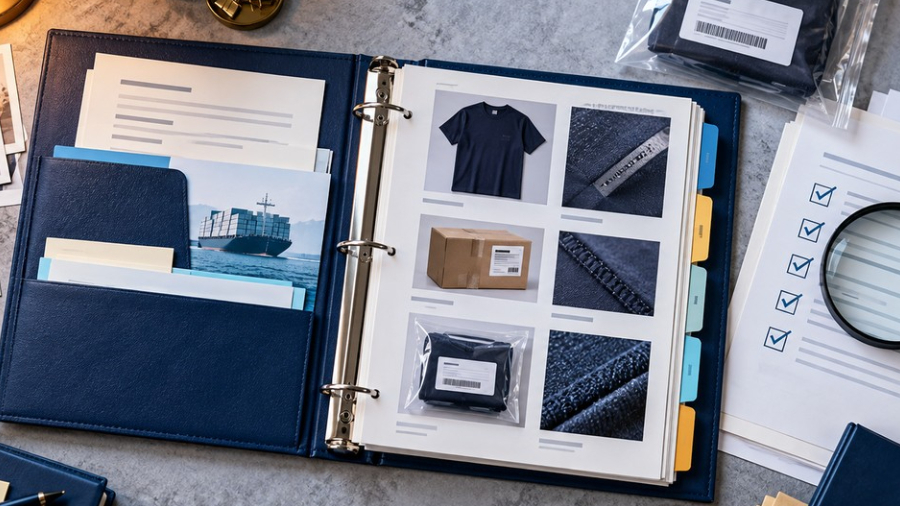
Buying from 1688 can give international importers access to competitive factory prices and a wide range of Chinese suppliers. However, placing the order is only the beginning. Product verification, domestic transportation, warehouse consolidation, export documentation, international freight, customs clearance and final delivery must all work together.
First-time buyers often focus on the product price and underestimate the complexity of shipping. A low supplier price can quickly lose its advantage when carton dimensions are inaccurate, customs requirements are overlooked or the freight quotation excludes destination charges.
This guide explains the complete process for shipping a first order from 1688 to the United States, including supplier checks, cargo consolidation, freight selection, customs documents and final delivery.
How Is 1688 Different from Alibaba?
1688 is primarily designed for China’s domestic wholesale market. Many sellers focus on Chinese buyers and may not have extensive experience with international orders.
Compared with export-oriented platforms, a 1688 supplier may:
- Quote prices in Chinese yuan
- Require payment through Chinese payment methods
- Deliver only to an address in China
- Provide packaging intended for domestic transportation
- Have limited English-language support
- Be unfamiliar with U.S. labeling requirements
- Expect the buyer’s freight forwarder to manage exports
This does not mean that 1688 suppliers are unsuitable for international buyers. It means the importer must clearly define responsibilities before paying for production.
Step 1: Verify the Product Before Placing a Large Order
Do not place a large order based only on listing photos and a low unit price. First confirm that the product meets the specifications required for your market.
Request information about:
- Materials and construction
- Product dimensions and weight
- Available colors and variations
- Packaging specifications
- Minimum order quantity
- Production lead time
- Customization options
- Test reports or certifications
- Replacement and defect policies
Order samples before committing to a large production run. The sample should be inspected for quality, functionality, labeling, packaging and consistency with the supplier’s description.
If a product is regulated in the United States, verify the applicable requirements before ordering. Transportation should not begin until you know whether the goods require special certificates, permits, labels or agency filings.
Step 2: Verify the Supplier
A supplier profile and platform transaction history are useful starting points, but they should not be the only basis for a purchasing decision.
Before paying a deposit, confirm:
- The supplier’s registered company name
- Whether the business is a factory or trading company
- The company’s business scope
- The factory or office address
- The bank or payment account name
- Production capability
- Quality-control procedures
- Previous experience with similar products
The company receiving payment should have a clear relationship with the supplier named on the order. If payment is requested through an unrelated personal or third-party account, ask for a written explanation.
Step 3: Calculate the Estimated Landed Cost
The product price is only one part of the import cost. Before confirming the order, calculate the estimated landed cost per unit.
Your calculation may include:
- Product cost
- China domestic transportation
- Inspection fees
- Consolidation warehouse charges
- Export documentation
- International freight
- Customs brokerage
- Import duties and taxes
- Destination handling
- Final delivery
- Insurance
- Storage or examination contingency
Obtain preliminary cargo dimensions and weight from the supplier, then use DDPexpert’s online freight quote calculator to compare possible transportation methods.
The estimate will be more accurate when you provide the pickup location, final U.S. ZIP code, carton count, gross weight and individual carton dimensions.
Step 4: Decide Whether to Use One or Multiple Suppliers
Many 1688 buyers purchase different products from several suppliers. Shipping every order separately can create repeated pickup, export, customs and delivery charges.
A consolidation warehouse can receive products from multiple suppliers and combine them into one international shipment.
Consolidation may help importers:
- Reduce repeated international freight minimums
- Combine several small orders
- Check carton quantities before export
- Replace damaged domestic packaging
- Apply shipping marks or pallet labels
- Prepare one coordinated shipment
However, consolidation must be managed carefully. Every supplier should use the correct warehouse address, customer reference number and carton marks. Otherwise, the warehouse may not be able to identify the owner of the cargo.
Step 5: Choose the Right Shipping Method
The best shipping method depends on cargo weight, volume, urgency, product value and destination.
Air freight
Air freight is generally suitable for urgent, compact or high-value shipments. It can also be useful for product samples, initial test orders and emergency inventory replenishment.
Air freight is normally charged according to the greater of actual weight and volumetric weight. Lightweight but bulky cartons may therefore cost more than expected.
Importers can review DDPexpert’s air freight from China service for available door-to-door transportation options.
LCL ocean freight
LCL means Less than Container Load. Cargo from several shippers shares one ocean container, making this option suitable for shipments that do not fill an entire container.
LCL is often used for non-urgent cargo with a larger volume. Importers must compare the complete cost because consolidation, destination handling, deconsolidation and final delivery charges may apply.
For smaller ocean shipments, review DDPexpert’s LCL shipping service.
FCL ocean freight
FCL means Full Container Load. The shipper uses an entire container rather than sharing space with other importers.
FCL may be suitable when cargo volume is large, the products are fragile, or the importer wants to reduce consolidation and deconsolidation handling.
Importers planning a larger order can compare available FCL ocean freight services.
Step 6: Confirm the Shipping Terms with the Supplier
Do not assume that the supplier’s product price includes delivery to your freight forwarder’s warehouse.
Confirm in writing:
- Who pays for China domestic transportation
- Where the supplier must deliver the cargo
- Who prepares the export documents
- Whether the supplier can provide a commercial invoice
- Whether the supplier will provide packing information
- When risk transfers from the supplier to the buyer
- Who is responsible for damaged domestic packaging
If the supplier delivers only to a warehouse in China, your freight forwarder must manage the remaining transportation stages. Make sure the freight quotation begins from the same location where the supplier’s responsibility ends.
An accurate freight quotation requires more than the total shipment weight.
Provide the freight forwarder with:
- Detailed product name
- Materials and intended use
- Number of suppliers
- Supplier pickup addresses
- Number of cartons
- Gross weight per carton
- Dimensions of each carton
- Total shipment value
- Cargo-ready date
- Final delivery ZIP code
- Commercial or residential destination
- Special handling requirements
If the shipment includes batteries, liquids, powders, magnets, branded goods, food-contact products or other sensitive items, disclose this information before booking.
Hiding product information can cause rejected cargo, customs delays, additional handling fees or loss of insurance protection.
Step 8: Request an Itemized Freight Quotation
A reliable quotation should clearly explain what is included and excluded. Avoid choosing a provider based only on the lowest total amount.
Ask whether the quotation includes:
- Supplier pickup
- China warehouse receiving
- Consolidation
- Export customs declaration
- Origin documentation
- International transportation
- Destination terminal handling
- Customs brokerage
- Import duties and taxes
- Customs bond
- Final delivery
- Delivery appointment
- Residential or liftgate service
The quotation should also state its validity period and identify circumstances that may change the final price.
Possible conditional costs include customs examinations, storage, demurrage, failed delivery, remeasurement and special permits.
Step 9: Prepare the Commercial Invoice
The commercial invoice is one of the most important documents in an international shipment. It should accurately describe the transaction and products.
A commercial invoice normally includes:
- Seller’s name and address
- Buyer’s name and address
- Invoice number and date
- Detailed product descriptions
- Quantities
- Unit prices
- Total value
- Currency
- Country of origin
- Shipping terms
Avoid vague descriptions such as “accessories,” “parts,” “gifts” or “samples.” The description should explain what the product is, what it is made from and how it is used.
The invoice value should reflect the actual commercial transaction. An artificially low value may reduce the estimated duty but can create serious customs, accounting and insurance risks.
Step 10: Prepare an Accurate Packing List
The packing list explains how the goods are physically packed. It should agree with the cargo received by the warehouse.
The packing list should include:
- Total number of cartons or pallets
- Contents of each carton
- Quantity of each product
- Gross and net weight
- Carton dimensions
- Total volume
- Package marks or reference numbers
When consolidating goods from multiple suppliers, keep a separate product and carton record for each supplier. This helps the warehouse identify missing, duplicated or damaged cartons.
Step 11: Confirm the HTS Code and Import Requirements
The Harmonized Tariff Schedule code affects the duty rate and may also indicate whether the product requires additional government review.
Before shipping, confirm:
- The proposed HTS code
- The product description supporting that classification
- The estimated duty rate
- Whether additional tariffs apply
- Whether another U.S. agency regulates the product
- Whether permits, test reports or registrations are required
Do not choose a code only because it has a lower duty rate. The classification should match the product’s material, function and construction.
Importers who need help reviewing entry requirements can use DDPexpert’s U.S. customs clearance services.
Step 12: Identify the Importer of Record
The Importer of Record is responsible for the accuracy of the customs entry and compliance with applicable import requirements.
Before booking, ask:
- Who will act as the Importer of Record?
- Which customs broker will file the entry?
- Whose customs bond will be used?
- Who will respond to customs questions?
- Who pays if duties are reassessed?
- Which customs documents will be available after clearance?
If the shipment is described as DDP, do not assume that these responsibilities disappear. The parties responsible for import clearance should still be clearly identified.
Step 13: Inspect the Cargo Before International Shipping
Once the goods leave China, correcting quality or quantity problems becomes more expensive. Arrange an inspection before authorizing international shipment.
The inspection may check:
- Product quantity
- Dimensions and specifications
- Color and appearance
- Basic function
- Labeling
- Barcode accuracy
- Carton strength
- Export packaging
- Shipping marks
Take photographs of the products, inner packaging, cartons, carton labels and loaded pallets. These records can support claims if cargo is damaged or missing.
Step 14: Consider Cargo Insurance
Do not assume that the freight forwarder will automatically compensate the full commercial value if the cargo is lost or damaged.
Before purchasing insurance, confirm:
- Name of the insurer
- Insured cargo value
- Covered transportation stages
- Whether loss and damage are covered
- Applicable deductible
- Excluded products or events
- Required claim documents
- Claim submission deadline
High-value, fragile or customized products may require additional insurance review. Importers can request shipping and cargo insurance support before releasing the shipment.
Step 15: Confirm the Final Delivery Requirements
Door-to-door shipping does not always include every service required at the delivery address.
Provide the forwarder with:
- Complete delivery address
- Correct U.S. ZIP code
- Commercial or residential status
- Receiving hours
- Contact name and telephone number
- Loading dock availability
- Forklift availability
- Liftgate requirement
- Delivery appointment requirements
- Limited-access information
Small palletized shipments may require LTL freight delivery. Larger shipments occupying most or all of a truck may use full truckload delivery.
Confirm whether unloading is included. Standard delivery may not require the driver to unpack cartons or move products inside the building.
Step 16: Track the Shipment
Ask the freight forwarder which tracking milestones will be available and when updates will be provided.
Important ocean freight milestones may include:
- Cargo received at the China warehouse
- Container loaded
- Customs declaration completed
- Vessel departed
- Estimated arrival updated
- Container arrived at destination port
- Customs clearance completed
- Cargo released for final delivery
For ocean shipments, use DDPexpert’s online container tracking tool to follow available transportation milestones.
A tracking update showing only “customs” does not necessarily mean the goods have been seized. Contact the freight forwarder or customs broker to determine whether documents, payment or inspection are required.
Common First-Time 1688 Shipping Mistakes
First-time importers can avoid many costly problems by recognizing these common mistakes:
- Ordering without checking product samples
- Choosing a supplier only because of the lowest price
- Ignoring U.S. product regulations
- Accepting inaccurate carton dimensions
- Sending cargo to a warehouse before confirming the freight rate
- Using vague product descriptions
- Failing to calculate duties and destination charges
- Assuming DDP automatically means every expense is included
- Not identifying the Importer of Record
- Paying an unrelated personal account
- Skipping cargo inspection
- Shipping without appropriate insurance
- Failing to confirm residential or liftgate fees
- Comparing only the international freight rate
First Shipment Checklist
Before paying the supplier:
- Verify the supplier and product
- Order and inspect a sample
- Check U.S. product requirements
- Estimate the landed cost
- Confirm production and packaging specifications
Before sending cargo to the freight warehouse:
- Provide complete cargo information
- Compare air, LCL and FCL options
- Obtain an itemized written quotation
- Confirm warehouse storage and release fees
- Identify the Importer of Record
- Confirm customs clearance responsibilities
- Review insurance coverage
Before international departure:
- Inspect the cargo
- Verify the carton count
- Review the commercial invoice
- Review the packing list
- Confirm HTS classifications
- Approve final warehouse measurements
- Confirm the departure schedule
Before arrival in the United States:
- Monitor tracking updates
- Prepare for customs questions
- Confirm the delivery appointment
- Verify the receiving location and equipment
- Save customs and transportation documents
Conclusion
A successful first shipment from 1688 requires coordination between the supplier, consolidation warehouse, freight forwarder, customs broker and final-delivery provider.
Do not make the decision based only on the product price or international freight rate. Verify the supplier, inspect the goods, calculate the total landed cost, prepare accurate customs documents and confirm every included and excluded service before cargo pickup.
Starting with a manageable test order can help you evaluate product quality, warehouse operations, customs clearance and delivery performance before increasing the order volume.
You can compare shipping rates from China to the USA or request a customized freight quotation for consolidated 1688 orders, customs clearance and door-to-door delivery.
FAQ
Can 1688 suppliers ship directly to the United States?
Some suppliers may have export experience, but many focus on China’s domestic market. Buyers commonly arrange delivery to a freight forwarder or consolidation warehouse in China before international shipping.
Can I combine orders from multiple 1688 suppliers?
Yes. A consolidation warehouse can receive cargo from multiple suppliers and combine it into one shipment. Each supplier must use the correct warehouse address, customer reference and carton marks.
Should my first 1688 shipment use air freight or ocean freight?
Air freight is often suitable for compact, urgent test orders. LCL ocean freight may offer better value for larger, non-urgent shipments. Compare chargeable weight, CBM, transit time and complete door-to-door costs.
What documents are required to import 1688 products?
Common documents include a commercial invoice, packing list and transportation document. Additional certificates, permits or agency filings may be required depending on the product.
Does DDP shipping include every possible charge?
Not necessarily. Ask the provider to list inclusions, exclusions and conditional charges. Customs examinations, storage, special permits, failed delivery and unloading may be excluded even when the shipment is described as DDP.
 English
 Deutsch
 Português
 العربية
 中文
中文


 25 Sep