Introduction
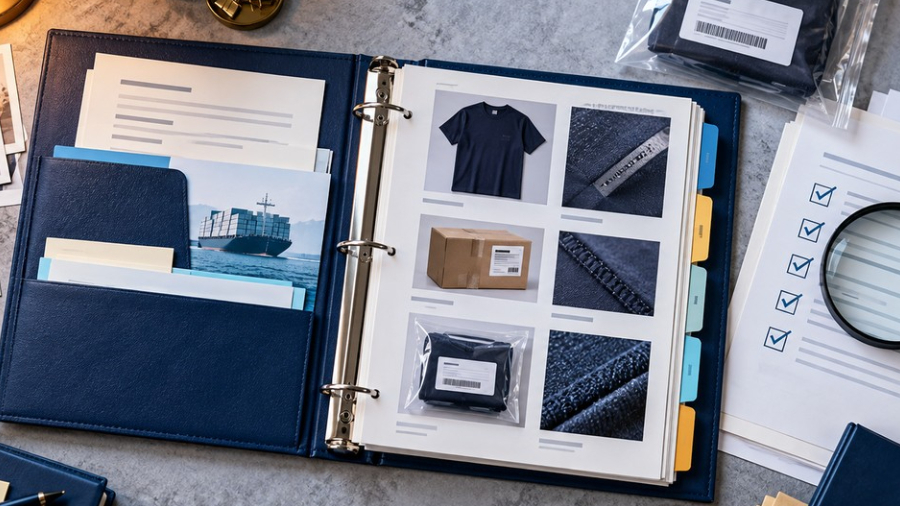
Sea freight shipping is one of the most widely used and cost-effective methods for transporting goods across international borders. Whether you’re importing raw materials, industrial machinery, or consumer goods, sea freight offers a reliable and affordable solution for moving large quantities of cargo. However, understanding the intricacies of sea cargo shipping, such as the process, advantages, disadvantages, and best practices, is essential for businesses that rely on this method for international trade.
In this guide, we will delve deep into ocean freight shipping, providing you with the information you need to optimize your shipping operations. We'll explore the details of the process, the benefits and challenges of sea freight, real-world applications, and compare sea freight to other shipping methods. By the end of this article, you'll have a thorough understanding of international sea shipping and how to make it work for your business. For more detailed insights on shipping from China to the USA , check out our comprehensive guide.
Detailed Breakdown of the Method
What is Sea Freight Shipping?
Sea freight shipping involves the transportation of goods by sea via cargo ships. It is the most cost-effective way to ship large quantities of goods over long distances, particularly for bulk shipments. Goods are loaded into containers, which are then shipped across oceans from port to port. The most common types of containers used in sea freight are 20-foot and 40-foot containers, but specialized containers are available for different types of cargo, such as refrigerated containers for perishable goods.
The shipping process includes several key stages:
- Booking and Documentation: The first step in sea freight shipping is to book a space on a cargo ship. Businesses will work with a freight forwarder to secure shipping space, arrange for pickup, and prepare all the necessary documentation (e.g., commercial invoice, packing list, bill of lading).
- Loading the Goods: Once the goods are packed and documented, they are transported to the port of departure, where they are loaded into containers and then onto the cargo vessel.
- Ocean Transit: The ship sets sail, and the goods are transported across the ocean to their destination port. The transit time depends on the shipping route, port congestion, and weather conditions.
- Arrival and Customs Clearance: Upon arrival at the destination port, the goods go through customs clearance. This process includes inspection, payment of any duties or taxes, and verification of documents.
- Final Delivery: After customs clearance, the goods are transported to their final destination, which could be a warehouse, retail location, or directly to a customer.
Advantages of Sea Freight Shipping
- Cost-Effectiveness: Sea freight is generally much cheaper than air freight, especially for bulk shipments. This makes it the preferred option for businesses looking to transport large quantities of goods without breaking their budget.
- Capacity: Cargo ships can carry vast amounts of goods, making sea freight the ideal choice for bulk products like raw materials, industrial equipment, or consumer goods.
- Flexibility: Sea freight can accommodate a wide range of cargo types, including heavy and oversized items, hazardous materials, and refrigerated goods.
- Environmental Impact: Compared to air freight, sea freight has a lower carbon footprint per ton of cargo, making it a more environmentally friendly shipping method.
Disadvantages of Sea Freight Shipping
- Longer Transit Times: The biggest disadvantage of sea freight shipping is the slower transit times. While air freight can deliver goods in days, sea freight typically takes weeks, depending on the distance and route.
- Port Congestion: Major ports, especially during peak shipping seasons, can experience delays due to congestion, which may affect delivery schedules.
- Risk of Damage: While sea freight is generally safe, there is a higher risk of damage or loss due to rough seas, handling at the ports, or poor packaging.
Use Cases and Applications
1. Retail and E-Commerce Businesses
Retailers and e-commerce businesses often use sea cargo shipping to import large volumes of products from countries like China, where manufacturing is cost-effective. For example, a retailer might import a large shipment of clothing or electronics from China to the USA via sea freight to stock their stores or warehouses. Since sea freight is much cheaper than air freight, it enables businesses to save on transportation costs and keep prices competitive.
2. Automotive and Industrial Manufacturers
Manufacturers of heavy machinery or automotive parts typically rely on sea freight for the shipment of large, bulky equipment. For instance, a company that manufactures industrial machinery in China may use ocean freight shipping to transport their products to North America or Europe. These shipments often involve large containers or special equipment for handling heavy cargo, which sea freight can accommodate efficiently.
3. Bulk Goods and Raw Materials
Sea freight is the preferred choice for transporting bulk goods such as agricultural products, minerals, or chemicals. For example, a company might use sea freight shipping to import large quantities of grain or raw metals from overseas to their processing plants in the USA. The vast capacity of cargo ships makes it easy to transport large quantities of goods at an affordable cost.
4. Perishable Goods
While air freight is typically the fastest method for shipping perishable goods, sea freight can also be used for products that have a longer shelf life or can be transported in refrigerated containers. Products like frozen foods, pharmaceuticals, or flowers can be shipped via international sea shipping in temperature-controlled containers (reefers), ensuring that they arrive in optimal condition.
Comparison with Other Methods
Sea Freight vs. Air Freight
- Cost: Sea freight shipping is significantly more affordable than air freight. For large or bulk shipments, businesses can save a considerable amount by opting for sea freight. However, air freight is faster, which may justify the higher cost for time-sensitive shipments.
- Time: Air freight is the fastest shipping method, typically taking 1-7 days. In contrast, sea freight can take anywhere from 15 to 45 days, depending on the route and port congestion.
- Capacity: Sea freight has a much larger capacity than air freight, making it ideal for bulk or oversized cargo. Air freight is generally limited in terms of weight and volume.
Sea Freight vs. Rail Freight
- Cost: Rail freight is often more affordable than sea freight, especially for shipments within large landmasses like North America or Europe. However, rail freight is not as widely used for international shipments, particularly those crossing oceans.
- Speed: Sea freight is slower than rail freight, especially for inland shipments, but it is the most practical solution for international shipping over long distances.
- Environmental Impact: Both sea freight and rail freight are considered environmentally friendly compared to air freight. Rail, however, has a smaller carbon footprint per ton of cargo.
For related planning, read Sea Freight from China to USA.
Conclusion
Sea freight shipping remains one of the most cost-effective and reliable methods for transporting goods across international borders. Whether you’re a retailer, manufacturer, or importer, ocean freight shipping provides a viable solution for bulk shipments at a lower cost compared to air freight.
By understanding the advantages and disadvantages of sea freight, businesses can make informed decisions about the best shipping methods for their products. While sea cargo shipping may take longer than air freight, its affordability and capacity make it the ideal choice for many industries involved in international trade.
FAQ Section
1. How long does sea freight from China to the USA take?
The transit time for sea freight shipping typically ranges from 15 to 35 days , depending on the port of origin and destination.
2. Is sea freight the cheapest shipping method?
Yes, sea freight shipping is generally the most affordable option for large shipments, especially when compared to air freight.
3. Can perishable goods be shipped by sea?
Yes, perishable goods can be shipped via sea freight using refrigerated containers (reefers), which maintain the required temperature throughout the journey.
 English
 Deutsch
 Português
 العربية
 中文
中文


 25 Sep