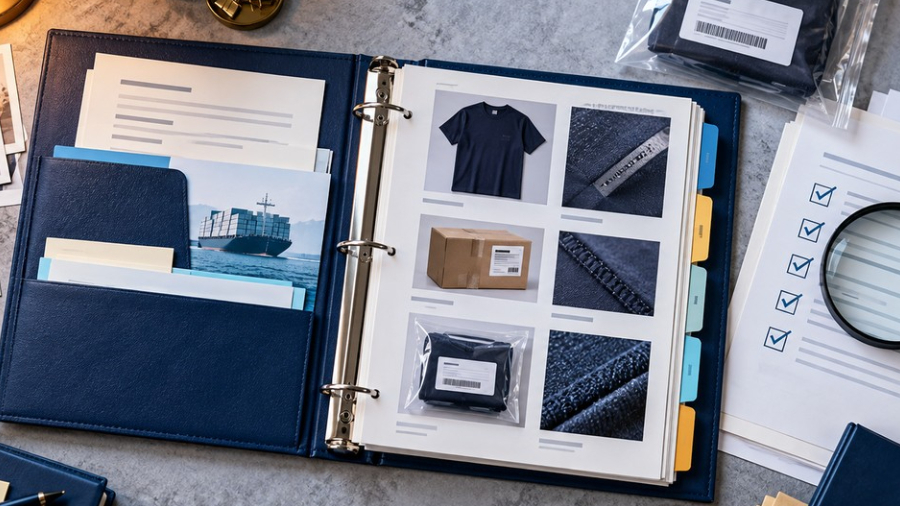
Port to port shipping is one of the most common ways to move cargo internationally by sea. It is often used when the buyer or importer wants to manage customs clearance, destination handling, and final delivery separately. However, many businesses misunderstand port to port shipping transit time because they only focus on vessel sailing days and forget the steps before departure and after arrival.
In logistics, port to port transit usually means the estimated time from the origin port to the destination port. It does not normally include factory pickup, export preparation, import customs clearance, destination trucking, or final warehouse delivery. Understanding this difference is important for accurate freight planning, inventory control, and customer delivery expectations.
This guide explains how port to port shipping works, what affects shipping duration, how cargo transit is scheduled, and how importers can plan cargo arrival more reliably.
What Does Port to Port Shipping Mean?
Port to port shipping means the freight service covers transportation from one seaport to another seaport. The cargo is moved from the origin port, loaded onto a vessel, shipped by sea, and discharged at the destination port.
This type of service is different from door-to-door shipping. Door-to-door shipping includes pickup from the supplier and delivery to the final address. Port to port shipping only covers the ocean freight stage between ports.
For example, if cargo is shipped from an origin port in China to a destination port overseas, the port to port service may include ocean freight between those two ports. However, the buyer may still need to arrange:
Factory pickup
Export customs documents
Origin trucking
Destination port charges
Import customs clearance
Import duties and taxes
Cargo pickup from port
Final delivery to warehouse
This is why port to port shipping transit time should not be confused with total delivery time. A vessel may arrive at the destination port, but the cargo may still need several more days for unloading, customs clearance, port handling, and truck delivery.
Port to port shipping is often suitable for experienced importers who already have their own customs broker, destination agent, or local delivery provider. It can provide better cost control, but it also requires more logistics coordination from the buyer.
What Is Included in Port to Port Shipping Transit Time?
Port to port shipping transit time usually refers to the ocean movement from the origin port to the destination port. In many quotations, this is the estimated vessel transit time after the cargo has been loaded and the vessel has departed.
However, the exact meaning can vary by freight forwarder or shipping arrangement. Some providers may count from vessel departure to vessel arrival. Others may estimate from port cutoff to destination availability. Importers should confirm the definition before relying on the schedule.
A typical port to port timeline may include:
Cargo accepted at origin port
Container loaded onto vessel
Vessel departure
Sea transit
Possible transshipment
Vessel arrival at destination port
Container discharge
What it usually does not include:
Supplier production time
Factory pickup
Origin warehouse waiting time
Export customs delays
Destination customs clearance
Port storage
Final inland delivery
Warehouse receiving schedule
This distinction is important. If an importer asks only about shipping duration, they may receive an estimate for the ocean portion only. But if they need to know when goods will arrive at their warehouse, they must request a door-to-door or port-to-door delivery schedule.
For accurate planning, ask your freight forwarder to separate the timeline into origin handling, ocean transit, destination handling, customs clearance, and final delivery.
Main Factors That Affect Shipping Duration
Several factors can affect port to port shipping transit time. Even on the same route, cargo transit may vary depending on vessel schedule, port conditions, and routing.
The first factor is the origin and destination port pair. Major ports usually have more frequent sailings and more direct services. Smaller ports may require transshipment or less frequent vessel schedules.
The second factor is direct sailing or transshipment. A direct vessel route is usually faster and more predictable. A transshipment route may be cheaper or more available, but it can add time because the container must be transferred at an intermediate port.
The third factor is vessel schedule. Cargo must meet port cutoff and documentation cutoff times. If the shipment misses the cutoff, it may wait for the next sailing.
The fourth factor is port congestion. Busy ports may experience delays in loading, unloading, yard handling, or container release.
The fifth factor is weather. Storms, rough sea conditions, seasonal weather, and route disruptions may affect vessel movement.
The sixth factor is peak season demand. During high-volume shipping periods, vessel space may be tight, and schedules may be less stable.
The seventh factor is container type and cargo type. Standard dry cargo is usually easier to move. Oversized, dangerous, refrigerated, or special cargo may require additional handling and scheduling.
The eighth factor is customs and documentation. Although customs clearance is not always counted in port to port transit, incorrect export documents can delay departure, and import document issues can delay cargo release after arrival.
Direct Route vs Transshipment Route
One of the biggest differences in sea freight scheduling is whether the shipment uses a direct route or a transshipment route.
A direct route means the vessel travels from the origin port to the destination port without transferring the container at another port. This is usually faster, simpler, and more predictable.
A transshipment route means the cargo is moved through an intermediate port. The container is unloaded from one vessel and loaded onto another vessel before reaching the final destination port.
Transshipment may be used when:
There is no direct service between two ports
The direct route is too expensive
Vessel space is limited
The destination port is smaller
The shipper chooses a lower-cost routing option
The disadvantage is that transshipment can increase shipping duration. If the connection vessel is delayed or missed, the container may wait at the transshipment port. This can affect the expected cargo arrival date.
When comparing quotes, importers should ask whether the route is direct or transshipment. A cheaper quote may not be better if it adds significant delay or uncertainty.
Port to Port vs Door to Door Transit Time
A key part of understanding port to port shipping transit time is knowing how it differs from door-to-door transit time.
Port to port transit only covers the sea freight stage between two ports. Door-to-door transit covers the full journey from the supplier’s location to the buyer’s final address.
Door-to-door shipping may include:
Factory pickup
Origin trucking
Export customs clearance
Origin port handling
Ocean freight
Destination port handling
Import customs clearance
Duty and tax arrangement
Final truck delivery
Warehouse appointment
Because door-to-door shipping includes more steps, the total delivery time is longer than port to port transit time. However, it gives importers a more realistic estimate of when goods will actually arrive at the warehouse.
For example, port to port transit may be estimated at several weeks, but total door-to-door delivery may require additional time for pickup, customs, port handling, and inland delivery.
If your business is planning inventory, sales campaigns, production schedules, or customer delivery, you should not rely only on port to port time. Ask for the complete delivery schedule.
LCL and FCL Transit Time Differences
LCL and FCL shipments can have different timing even if they use the same ocean route.
FCL means full container load. The container is used by one shipper. It may be loaded at the factory or warehouse, sealed, shipped, and delivered as one unit. FCL often has fewer handling steps and may move more predictably.
LCL means less than container load. Cargo from multiple shippers is consolidated into one container. Before departure, LCL cargo must be received at an origin warehouse, measured, sorted, and consolidated. After arrival, the container must be deconsolidated at a destination warehouse before cargo release.
Because of these warehouse steps, LCL may take longer than FCL even when the ocean transit time is the same.
For LCL, the total timeline may include:
Origin warehouse receiving
Cargo consolidation
Container loading
Ocean transit
Destination deconsolidation
Cargo release
For FCL, the process may be more direct:
Container loading
Port gate-in
Ocean transit
Destination discharge
Container release
Importers shipping small cargo by LCL should ask for the full timeline, not only the vessel transit estimate.
Real-Life Example: Direct Port to Port Shipment
A wholesaler ships a full container from a major origin port to a major destination port. The cargo is ready early, export documents are prepared correctly, and the shipment catches a direct vessel.
In this case, the port to port shipping transit time may be relatively predictable because the container moves directly from origin to destination without transshipment. After arrival, the buyer’s customs broker and trucking provider handle the destination process.
This example shows that direct routing, complete documents, and early booking can improve schedule reliability.
However, the buyer should still remember that port arrival does not mean warehouse delivery. The cargo still needs port discharge, customs clearance, container pickup, truck delivery, unloading, and container return.
A small importer ships 5 CBM of cargo by LCL. The ocean sailing time looks acceptable, but the shipment misses the origin warehouse cutoff. As a result, the cargo waits for the next consolidation schedule.
After arrival, the shared container must be unloaded and separated at the destination warehouse. This adds more time before the cargo can be released.
In this case, the sea transit may be normal, but the total cargo arrival timeline becomes longer than expected.
This example shows why LCL importers should ask about warehouse cutoff, consolidation schedule, vessel departure, deconsolidation time, and final release estimate.
Practical Tips for Better Sea Freight Scheduling
First, confirm the exact meaning of the quoted transit time. Ask whether it means vessel departure to arrival, port cutoff to arrival, or cargo availability at destination.
Second, ask whether the route is direct or transshipment. Direct routes are usually more predictable, while transshipment may add time.
Third, book early. Early booking gives more vessel options and reduces the risk of missing cutoff dates.
Fourth, prepare documents before cargo reaches the port. Documentation delays can affect export clearance and cargo loading.
Fifth, track key milestones. Important stages include booking confirmation, cargo cutoff, vessel departure, transshipment if any, vessel arrival, discharge, and cargo release.
Sixth, build buffer time into your delivery schedule. Sea freight can be affected by weather, port congestion, customs inspection, and inland delivery delays.
Seventh, compare shipping duration with total cost. The cheapest route may not be the best if it causes inventory shortages.
Eighth, choose FCL when timing and control are important. LCL is flexible for small shipments but may need more warehouse time.
Ninth, plan destination arrangements before arrival. Customs broker, port pickup, and delivery appointment should be ready before the vessel arrives.
Tenth, communicate with your supplier. If cargo production is delayed, the shipment may miss the planned sailing.
One common mistake is assuming port to port time equals door-to-door time. Port arrival is not the same as warehouse delivery.
Another mistake is ignoring port cutoff dates. If cargo misses the cutoff, it may wait for the next vessel.
A third mistake is choosing the lowest quote without checking routing. A low-cost transshipment route may take longer than a direct route.
A fourth mistake is not asking about LCL warehouse schedules. LCL cargo needs extra time for consolidation and deconsolidation.
A fifth mistake is preparing customs documents too late. Even if the cargo arrives on time, document problems can delay release.
A sixth mistake is not planning inland delivery. Truck availability, appointment windows, and warehouse receiving hours can affect final delivery.
A seventh mistake is not building inventory buffer. Sea freight should be planned with realistic lead time, especially for seasonal or high-demand products.
Conclusion
Understanding port to port shipping transit time helps importers plan sea freight more accurately. Port to port transit usually refers to the ocean movement between origin and destination ports, but it does not normally include factory pickup, customs clearance, destination handling, or final delivery.
Shipping duration can be affected by route choice, direct or transshipment service, vessel schedule, port congestion, weather, documentation, cargo type, and LCL or FCL shipping method. For real inventory planning, importers should look beyond vessel sailing time and request a complete logistics timeline.
A reliable freight plan should include origin handling, ocean transit, port handling, customs clearance, and cargo delivery. With early booking, accurate documents, clear routing, and realistic buffer time, businesses can reduce delays and manage cargo arrival more confidently.
FAQ
What does port to port shipping transit time mean?
Port to port shipping transit time usually means the estimated time for cargo to move by sea from the origin port to the destination port. It usually does not include pickup, customs clearance, or final delivery.
Is port to port shipping faster than door to door shipping?
Port to port shipping covers fewer steps, so the quoted transit time is usually shorter. However, the buyer still needs additional time for customs clearance, port pickup, and final delivery.
Why does cargo transit take longer than expected?
Cargo transit may take longer because of missed cutoffs, transshipment delays, port congestion, weather, customs issues, documentation errors, or destination delivery problems.
 English
 Deutsch
 Português
 العربية
 中文
中文


 25 Sep