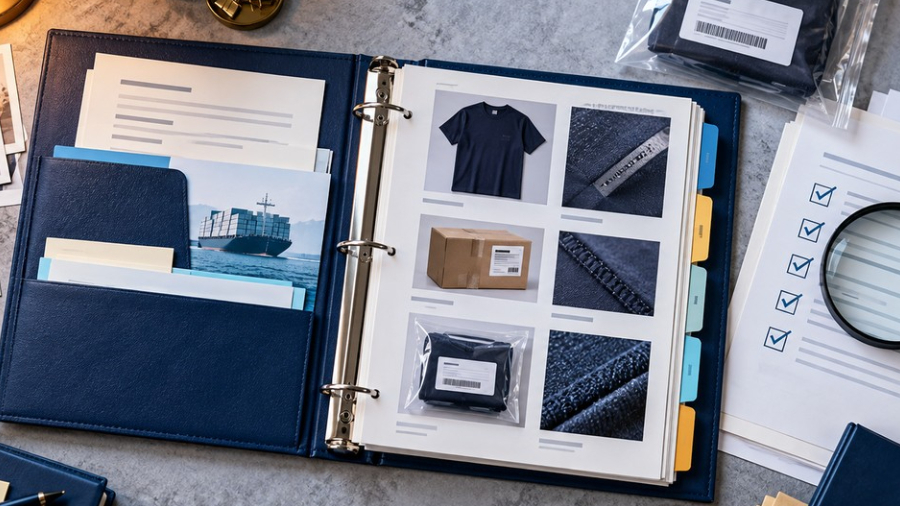
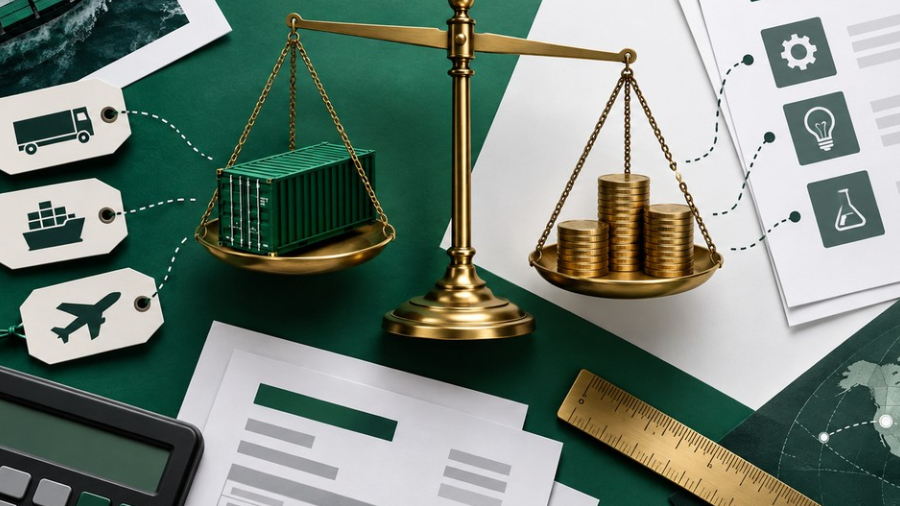
Importing products from China can be a profitable way to build inventory, support manufacturing, or serve customers in different markets. However, many importers focus heavily on freight rates and transit time while overlooking one of the most important parts of international shipping: customs clearance. Understanding how to clear customs from China helps businesses avoid cargo holds, unexpected costs, delivery delays, and compliance problems.
Customs clearance is the official procedure that allows goods to enter the destination country legally. It involves document review, cargo classification, duty and tax calculation, risk assessment, and final release. If the customs clearance process is handled correctly, cargo entry can be smooth and predictable. If documents are incomplete or product information is unclear, the shipment may be delayed.
This guide explains the import workflow step by step, including required import documentation, real-life examples, common mistakes, and practical tips for businesses importing from China.
What Does It Mean to Clear Customs from China?
To clear customs from China means completing the export and import procedures required for goods shipped from China to another country. In most international shipments, two sides of customs may be involved: export customs in China and import customs in the destination country.
Export customs is usually handled before the goods leave China. The exporter, supplier, freight forwarder, or customs agent submits export information to Chinese customs. This confirms what goods are leaving the country, their declared value, quantity, destination, and export eligibility.
Import customs happens when the goods arrive in the destination country. This is usually the more important step for the buyer because it determines whether the cargo can legally enter the market. The importer or customs broker submits documents to local customs, declares the goods, pays duties and taxes, and waits for release.
For many businesses, the most difficult part of learning how to clear customs from China is not the shipping itself. The real challenge is making sure the product description, HS code, commercial invoice, packing list, cargo value, and importer information all match correctly.
A smooth customs clearance process depends on preparation. Importers should not wait until the cargo arrives before checking documents. Clearance should be planned before production is finished and before the shipment leaves China.
Why Customs Clearance Matters for Importers
Customs clearance is not just an administrative requirement. It directly affects delivery time, landed cost, customer satisfaction, and business compliance.
If import documentation is complete and accurate, customs can usually process the shipment faster. If the documents contain mistakes, customs may request clarification, supporting records, or physical inspection. This can cause storage fees, demurrage charges, missed delivery appointments, and inventory shortages.
For example, if a buyer imports goods for a seasonal sales campaign, even a three-day shipping delay can affect product launch timing. If a manufacturer imports parts for production, delayed cargo entry may stop a production line. If a wholesaler imports bulk inventory, customs holds can affect warehouse scheduling and customer orders.
Customs also matters because incorrect declarations can create legal and financial risks. Using the wrong HS code, undervaluing goods, or failing to provide required certificates can lead to penalties or shipment seizure in serious cases.
Professional importers treat customs clearance as part of the full import workflow, not as a last-minute task. Before the goods are shipped, they confirm product classification, required documents, duty rates, importer records, and delivery responsibilities.
The Basic Customs Clearance Process from China
The customs clearance process can vary by country, product type, and shipping method, but the basic workflow is usually similar.
Step One: Confirm Product Details Before Shipping
Before arranging shipment, the importer should confirm the exact product name, material, usage, quantity, weight, dimensions, and country of origin. Customs authorities need clear product information to determine whether the goods are allowed to enter and what regulations apply.
A vague description like “plastic parts” or “metal products” may cause questions. A better description would explain what the goods are, what they are made from, and how they are used.
For example:
Weak description:
Plastic accessories
Better description:
Plastic storage box components for household organization
This level of detail helps customs officers understand the shipment and reduces the chance of unnecessary review.
Step Two: Prepare Import Documentation
Import documentation is the foundation of customs clearance. The most common documents include:
Commercial invoice
Packing list
Bill of lading or air waybill
Arrival notice
Import declaration
Certificate of origin, if required
Product certificate or test report, if required
Import permit, if required
Buyer and seller information
HS code and declared customs value
The commercial invoice is especially important. It should include the seller, buyer, product description, quantity, unit price, total value, currency, payment terms, shipping terms, and country of origin.
The packing list should match the invoice and show package quantity, gross weight, net weight, dimensions, and carton or pallet details.
If the invoice and packing list do not match, customs may request corrections before release.
Step Three: Confirm the HS Code
The HS code is a customs classification code used to identify products for duty rates and import regulations. Choosing the correct HS code is one of the most important parts of import clearance.
A wrong HS code can cause incorrect duty calculation, compliance review, or customs delay. Some products may look similar but have different classifications based on material, function, or intended use.
Importers should not rely only on the supplier’s suggested HS code. The supplier may know the export code from China, but the destination country may interpret classification differently. It is better to confirm with a customs broker or qualified logistics provider in the destination market.
Step Four: Submit the Customs Declaration
Once the goods are ready or on the way, the customs broker or authorized agent submits the import declaration to the destination customs authority. This declaration includes the product details, HS code, declared value, origin, shipment information, and importer details.
Some declarations can be submitted before the cargo arrives. This can help reduce waiting time after arrival, especially for air freight or sea freight shipments.
Step Five: Customs Reviews the Shipment
Customs will review the declaration and supporting documents. The shipment may be released quickly if everything is consistent and the cargo is considered low risk.
However, customs may request additional documents or select the shipment for inspection. Inspection can involve document review, X-ray scanning, container examination, carton opening, or product testing.
Step Six: Duties and Taxes Are Paid
After customs calculates duties, taxes, and possible fees, the responsible party must pay them before the cargo can be released. Depending on the shipping terms, the importer, buyer, seller, or appointed logistics provider may handle payment.
Delays often happen when nobody is clear about who should pay the import charges. This is why trade terms and payment responsibility should be confirmed before shipping.
Step Seven: Cargo Is Released for Delivery
After customs approval and payment, the cargo is released. However, release from customs does not always mean immediate delivery. The cargo may still need terminal release, warehouse handling, truck scheduling, or appointment confirmation.
For sea freight, container pickup may require coordination between the carrier, port, trucker, customs broker, and warehouse. For air freight, cargo may need to be transferred from the airline terminal to the delivery provider.
Import Documentation Required to Clear Customs from China
When learning how to clear customs from China, importers must understand which documents are required and why they matter.
The commercial invoice shows the transaction value and product details. Customs uses it to verify the declared value and calculate duties and taxes.
The packing list shows how the cargo is packed. It helps customs, warehouses, and delivery teams identify packages and confirm weight and quantity.
The bill of lading or air waybill proves that the goods were shipped. It includes carrier details, shipper, consignee, departure point, destination, and cargo information.
The certificate of origin may be required when importers want to claim preferential duty treatment or prove where the goods were made.
Product certificates may be required for regulated goods. Depending on the product and destination country, examples may include safety certificates, material reports, testing documents, sanitary certificates, or compliance declarations.
The import permit is required for certain controlled products. If a product needs a permit and the importer does not have it, customs may refuse entry.
A complete document package reduces uncertainty and helps the customs clearance process move faster.
Common Shipping Methods and How They Affect Customs Clearance
The shipping method can influence customs timing, documentation, and cargo handling.
Air Freight
Air freight is fast and suitable for urgent, high-value, or lightweight goods. Customs clearance for air shipments can often be completed quickly if the paperwork is ready before arrival. However, because air freight is time-sensitive, even a small document issue can create serious delivery pressure.
Air freight works well for samples, electronics, spare parts, fashion products, and urgent replenishment shipments.
Sea Freight
Sea freight is common for bulk cargo, heavy products, and large-volume orders. It is usually more cost-effective than air freight but involves more handling steps.
Full container load shipments require container release, port handling, customs clearance, and trucking coordination. Less-than-container load shipments may need extra time because cargo must be unpacked from a shared container before final release.
Sea freight import workflow should be planned early, especially if the shipment is large or includes multiple product categories.
Express Shipping
Express shipping is often used for small parcels and samples. The provider may handle simplified customs declaration, making the process convenient for small importers.
However, express shipments can still be delayed if the declared value is unclear, importer information is missing, or the product requires special approval.
Rail and Truck Freight
Rail and truck freight may be used for specific trade lanes and regional delivery routes. These methods often involve border clearance and transit documentation. They can be useful when businesses need a balance between cost and speed.
Real-Life Example: Small Importer Buying Product Samples
A small business imports product samples from China before placing a larger order. The shipment is sent by express shipping. The supplier prepares a commercial invoice with a clear product description, sample quantity, unit value, and buyer information.
Because the parcel is small and the import documentation is accurate, customs clearance is completed quickly. The buyer receives the samples without major delay.
However, if the supplier writes “gift” or declares an unrealistic value, customs may question the shipment. The importer may need to provide payment proof or explain the purpose of the goods. This can delay delivery by several days.
The lesson is clear: even sample shipments should use accurate documents.
Real-Life Example: Wholesale Sea Freight Shipment
A wholesaler imports a full container of goods from China. The shipment includes several product categories, different materials, and many cartons. The buyer works with a freight forwarder and customs broker before the goods leave the factory.
Before shipment, the importer confirms the HS codes, checks the commercial invoice, reviews the packing list, and verifies whether certificates are needed. The customs broker receives documents before the vessel arrives.
When the container reaches the destination port, the broker submits the import declaration. Because the documents are consistent, the cargo entry process is completed smoothly. The container is released and delivered to the warehouse.
If the importer had waited until the ship arrived to check the documents, the process could have been much slower. A mismatch between invoice and packing list could have caused a shipping delay and extra port charges.
Real-Life Example: Delayed Cargo Due to Missing Certificate
A company imports regulated goods from China but does not confirm certificate requirements before shipping. When the cargo arrives, customs requests a compliance document. The importer contacts the supplier, but the document is not immediately available.
The shipment stays at the destination warehouse while the importer tries to solve the issue. Storage fees begin to accumulate, and final delivery is delayed.
This example shows why importers should check product requirements before placing an order. Some products cannot be cleared based only on a commercial invoice and packing list.
Practical Tips for Clearing Customs from China Smoothly
If you want to understand how to clear customs from China efficiently, the following practical tips can help.
Check Regulations Before Ordering
Before buying products from China, confirm whether the goods can be imported into your market. Some items may require permits, certificates, special labels, or safety testing.
Do not assume that because a product can be exported from China, it can automatically enter your country.
Use Clear and Specific Product Descriptions
Customs officers need to understand what the goods are. Avoid general terms such as “goods,” “parts,” “items,” or “accessories.” Include material, function, and usage.
Better descriptions reduce questions and help customs classify the shipment correctly.
Confirm HS Codes Early
HS codes affect duty rates, restrictions, and import requirements. Confirm the classification before shipping. If your shipment includes multiple products, each product may need a separate HS code.
Make Sure Documents Match
The commercial invoice, packing list, shipping document, and customs declaration should be consistent. Product quantity, weight, value, and buyer details should match across all documents.
Send Documents Before Arrival
Provide documents to the customs broker before the goods arrive. Early review allows problems to be corrected before the shipment reaches the destination.
Understand Your Shipping Terms
Clarify whether the buyer or seller is responsible for freight, insurance, import clearance, duty payment, and final delivery. Misunderstanding shipping terms can delay customs release.
Prepare for Duties and Taxes
Make sure funds are ready for duty and tax payment. Even after customs approves the shipment, unpaid charges can prevent cargo release.
Keep Records
Save invoices, payment proof, contracts, product details, certificates, and customs entries. These records may be needed for audits, future shipments, or customs questions.
Common Mistakes to Avoid
Many customs problems are preventable. Importers should avoid these common mistakes:
Using unclear product descriptions
Declaring values that do not match payment records
Relying only on supplier HS codes
Ignoring destination country import rules
Waiting until cargo arrival to prepare documents
Forgetting certificates or permits
Using incorrect buyer or importer information
Misunderstanding duty payment responsibility
Not allowing enough time for customs review
Failing to communicate with the broker quickly
These mistakes can create delays, extra costs, and compliance risk. A structured import workflow helps businesses avoid repeated problems.
How a Logistics Partner Can Help
A professional logistics partner can make the customs clearance process easier by coordinating transportation, document review, customs broker communication, and delivery planning.
They can help importers:
Review commercial invoices and packing lists
Check whether product descriptions are clear
Coordinate with customs brokers
Plan shipping method and timeline
Estimate duties and import charges
Monitor cargo entry status
Respond to customs questions
Arrange final delivery after release
For businesses importing regularly from China, this support can save time and reduce risk. Customs clearance is not only about submitting forms. It requires coordination between supplier, importer, broker, carrier, warehouse, and delivery provider.
Conclusion
Learning how to clear customs from China is essential for any business that imports goods internationally. A smooth customs process starts before the shipment leaves China. Importers should confirm product details, prepare accurate import documentation, verify HS codes, understand import requirements, and work with reliable logistics professionals.
The customs clearance process can be simple when documents are correct and responsibilities are clear. However, mistakes in value, classification, product description, or certificates can cause cargo holds and shipping delay.
Whether you are importing samples, wholesale inventory, industrial parts, or bulk cargo, customs planning should be part of your full import workflow. If your business needs support with cargo entry, documentation review, and shipment coordination, working with an experienced logistics team can help you move goods from China more efficiently and confidently.
FAQ
What documents are needed to clear customs from China?
Common documents include a commercial invoice, packing list, bill of lading or air waybill, import declaration, certificate of origin, product certificates, import permits, and importer tax information. Exact requirements depend on the product and destination country.
How long does the customs clearance process take?
The customs clearance process may take from a few hours to several days in normal cases. Express and air freight shipments often clear faster, while sea freight may take longer due to port handling, container release, and possible inspections.
Can I clear customs from China without a customs broker?
In some countries, importers may be able to handle customs directly, but many businesses use a customs broker because classification, import documentation, duty calculation, and compliance rules can be complex. A broker can help reduce mistakes and delays.
 English
 Deutsch
 Português
 العربية
 中文
中文


 25 Sep