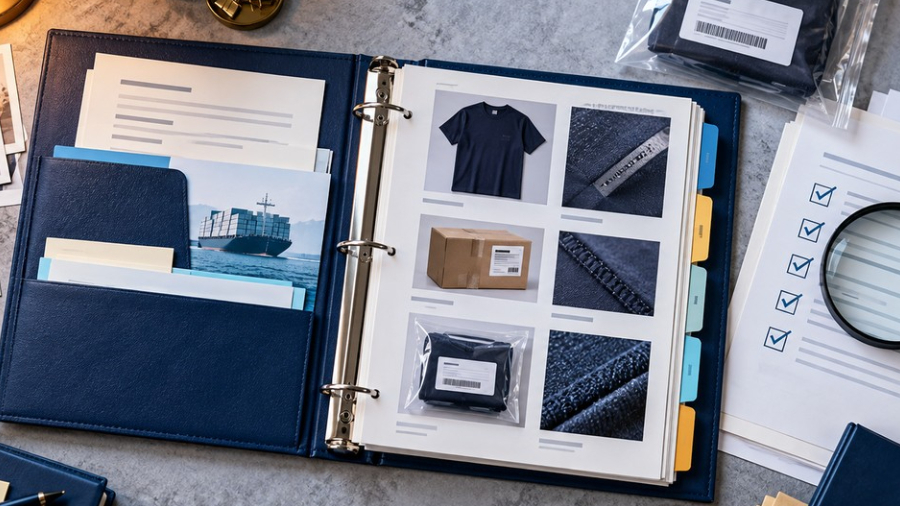
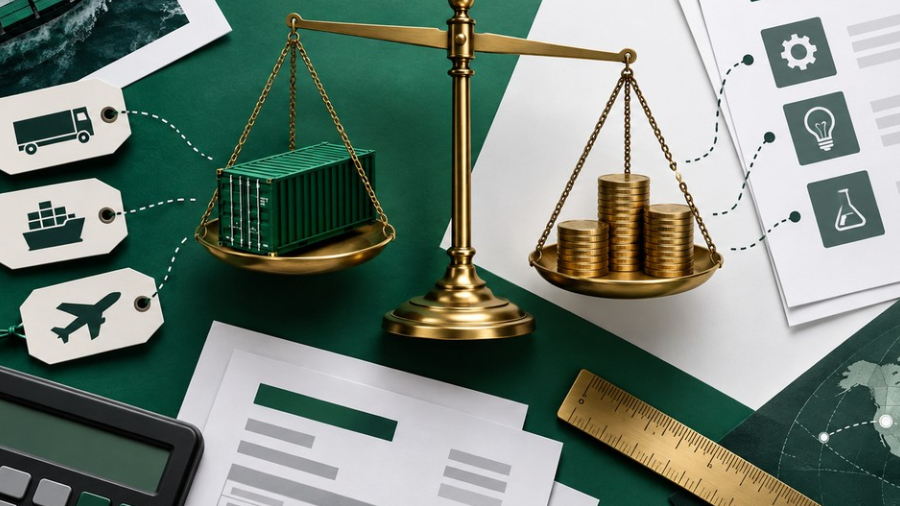
Tariffs are an important part of international trade and import logistics. For businesses that bring goods into another country, understanding tariff payment is essential for accurate cost planning, customs clearance, and import compliance. Many importers focus on freight rates, product prices, and delivery schedules, but they often overlook one key question: how are tariffs collected during the import process?
Tariffs are usually collected by the customs authority of the destination country before imported goods are released for delivery. The process involves product classification, declared value review, duty calculation, customs collection, payment confirmation, and cargo release.
This guide explains how are tariffs collected, who is responsible for paying them, when payment is required, and what importers can do to avoid delays or unexpected charges. By understanding the collection process, businesses can improve logistics planning, reduce clearance risks, and maintain better control over total landed cost.
Understanding Tariff Collection in Import Logistics
To understand how are tariffs collected, it is important to first understand what tariffs are. A tariff is a government-imposed charge on imported goods. It is usually based on product type, customs classification, declared value, country of origin, and applicable trade rules.
Tariff collection happens during customs clearance. When a shipment arrives in the destination country, customs authorities review the import documents and determine whether tariffs or other import taxes apply. If charges are due, the importer or responsible party must arrange payment before the goods can be released.
The basic process includes several steps:
The shipment arrives at the port, airport, rail terminal, or logistics facility.
Import documents are submitted to customs.
The customs authority reviews product classification, declared value, origin, and compliance requirements.
Applicable tariffs, customs taxes, and fees are calculated.
The responsible party makes the import tax payment.
Customs confirms payment and releases the shipment.
The cargo moves to final delivery.
Tariff collection is not only a financial process. It is also a compliance process. If documents are inaccurate, product descriptions are unclear, or values are inconsistent, customs may delay clearance or request additional information.
For importers, the best approach is to prepare before goods arrive. Accurate documentation, proper classification, and clear payment responsibility can prevent unnecessary storage fees, delivery delays, and compliance issues.
Who Collects Tariffs?
Tariffs are collected by the customs authority in the destination country. Customs authorities are government agencies responsible for controlling imports, enforcing trade rules, collecting import taxes, and protecting national borders from non-compliant goods.
The customs authority may collect:
Tariffs
Import duties
Value-added taxes or sales taxes
Customs processing fees
Inspection fees
Other government import charges
Although customs is responsible for official collection, the payment may be handled through different parties depending on the shipping arrangement.
Common parties involved include:
The importer of record
A customs broker
A freight forwarder
A logistics provider
A seller under certain shipping terms
A buyer under standard import arrangements
The importer of record is usually the legally responsible party for ensuring that tariffs and import taxes are paid correctly. Even if a logistics provider helps manage the customs collection process, the importer may still be responsible for the accuracy of product details, declared value, and documentation.
Understanding who collects tariffs and who pays them is important because responsibility can change depending on the agreed shipping terms. For example, under some shipping terms, the buyer pays import charges. Under other arrangements, the seller may include tariffs and import tax payment in the delivered price.
When Are Tariffs Collected?
Tariffs are generally collected during the customs clearance stage before imported goods are released into the destination country. The exact timing may vary depending on local import regulations, payment systems, customs procedures, and whether the importer has special payment arrangements.
In a typical shipment, tariff collection happens after the goods arrive and documents are submitted. Customs reviews the shipment and calculates the tariff payment based on classification, value, and origin. Once payment is made and approved, the goods can be released.
The timeline usually follows this order:
Shipment arrives at destination.
Import declaration is submitted.
Customs reviews the entry.
Tariffs and import taxes are assessed.
Payment is made by the responsible party.
Customs confirms collection.
Goods are released for delivery.
In some cases, importers with approved accounts or customs programs may have deferred payment options. However, many importers must pay tariffs before release.
This is why businesses should plan cash flow before shipment arrival. If tariff payment is not ready, cargo may sit at the port, terminal, airport, or warehouse. Delays can create storage fees, demurrage, detention, missed delivery windows, or customer dissatisfaction.
For smooth customs clearance, importers should estimate tariffs before shipping and confirm who will handle payment.
How Are Tariffs Calculated Before Collection?
Before customs collection occurs, the tariff amount must be calculated. Customs authorities use several key data points to determine the correct tariff payment.
Product Classification
Every imported product is classified under a customs code. This code determines the tariff rate and any related import regulations. Accurate classification is essential because similar products may have different tariff rates depending on material, function, or use.
Declared Customs Value
The declared value is usually based on the commercial invoice. Depending on local rules, customs value may include product cost, freight, insurance, or other related charges. Tariffs are often calculated as a percentage of this value.
Country of Origin
The country of origin can affect tariff rates. Goods from certain countries may qualify for lower rates, while others may face higher tariffs or special trade measures. The origin country is not always the same as the shipping country.
Quantity or Weight
Some tariffs are calculated by quantity, unit, weight, or measurement instead of value. For example, a tariff may apply per kilogram or per item.
Trade Rules and Special Measures
Additional tariffs may apply due to trade policy, product restrictions, or protective measures. Importers should check requirements before shipment.
After customs verifies these factors, the tariff amount is assessed. The responsible party then completes the import tax payment before release.
Main Methods of Tariff Payment
The method used for tariff payment depends on the destination country’s customs system, the importer’s setup, and the logistics arrangement.
Direct Importer Payment
The importer may pay tariffs directly to the customs authority through an approved government payment system. This method requires the importer to understand local customs procedures and maintain proper account access.
Customs Broker Payment
A customs broker may handle the payment on behalf of the importer. The broker submits the import declaration, receives the tariff assessment, pays the required charges, and then invoices the importer.
Freight Forwarder or Logistics Provider Payment
Some logistics providers arrange customs collection and payment as part of their service. They may advance payment and later bill the importer together with other shipping charges.
Seller-Paid Arrangement
Under certain delivered shipping terms, the seller may include tariff payment, customs clearance, and final delivery in the total price. In this case, the buyer receives goods with fewer direct customs responsibilities.
Deferred Payment Accounts
Some approved importers may use deferred payment systems, allowing them to pay tariffs and customs taxes after release according to an agreed schedule. This is usually available only to qualified businesses.
The right method depends on shipment volume, business experience, destination rules, and the buyer’s logistics capability.
Real-Life Example: Standard Commercial Import
A small importer brings in packaged consumer goods for resale. The shipment arrives at the destination port, and the customs broker submits the import declaration.
Customs reviews the commercial invoice, packing list, product description, classification code, and origin details. Based on the declared value and tariff rate, customs calculates the tariff payment.
The broker pays the tariff and related customs taxes on behalf of the importer. After customs confirms payment, the goods are released and delivered to the importer’s warehouse.
This example shows a standard customs collection process. The importer does not directly interact with customs for payment, but the importer remains responsible for accurate shipment information and paying the broker’s invoice.
Real-Life Example: Delayed Payment Causing Storage Fees
An importer orders goods but does not estimate tariffs before shipment arrival. When the cargo reaches the destination, customs calculates a higher tariff amount than expected. The importer does not have funds ready for immediate import tax payment.
Because payment is delayed, the shipment remains at the terminal for several days. During this time, storage fees begin to accumulate. The final cost becomes higher than expected, not only because of tariffs but also because of delay-related charges.
This case shows why understanding how are tariffs collected is important for cash flow planning. Tariffs should be estimated before shipment, not after the goods arrive.
Real-Life Example: Delivered Pricing With Tariff Included
A buyer purchases goods under a delivered arrangement where the seller includes customs clearance, tariff payment, and final delivery in the total price. The buyer does not directly pay customs at arrival.
In this case, the seller or logistics provider manages customs collection, pays the tariffs, and delivers the goods to the agreed address. The buyer benefits from easier planning and fewer import procedures.
However, the buyer should still confirm what is included in the price. Some quotes may include tariffs but exclude storage, inspection, remote delivery, or special handling fees.
This example shows how tariff responsibility can change depending on the shipping terms.
Confirm Responsibility Before Shipping
Before placing an order, confirm who will pay tariffs, customs taxes, and customs fees. This should be clearly stated in the shipping agreement or freight quote.
Estimate Tariffs Early
Do not wait until cargo arrives. Estimate tariff payment before confirming the shipment so you can plan landed cost and cash flow.
Use Accurate Product Classification
Incorrect classification can cause underpayment, overpayment, customs delays, or compliance problems. Review product material, function, and intended use carefully.
Prepare Complete Documents
Commercial invoices, packing lists, origin information, and product descriptions should be accurate and consistent. Poor documents slow down customs collection.
Check Country of Origin
Country of origin affects tariff rates and possible trade rule benefits. Confirm where the goods were manufactured, not just where they were shipped from.
Plan Payment Timing
Tariffs are often due before cargo release. Make sure funds or payment arrangements are ready before arrival.
Review All Import Charges
Tariffs are only one part of import cost. Also plan for customs taxes, processing fees, inspection fees, storage, handling, and delivery.
Keep Customs Records
Maintain copies of declarations, payment receipts, invoices, classification records, and delivery documents. These records support import compliance and future audits.
Applying these tips helps businesses manage customs collection more smoothly and avoid unnecessary cost surprises.
Common Mistakes to Avoid
Many importers face problems because they misunderstand the customs collection process.
A common mistake is assuming tariffs are paid with freight charges. Freight charges are paid for transportation, while tariffs are government charges collected through customs.
Another mistake is relying on incomplete supplier information. Suppliers may provide product descriptions or origin details, but the importer should verify that the information is accurate for customs purposes.
Some businesses also forget to include tariffs in landed cost calculations. This can lead to incorrect pricing and reduced profit margins.
Importers should also avoid delaying payment. If tariffs are not paid on time, cargo may be held and additional fees may apply.
Finally, businesses should not assume every shipment has the same tariff rate. Changes in product classification, origin, value, or import regulations can change the final tariff payment.
Why Tariff Collection Matters for Import Compliance
Import compliance means following the legal rules required to bring goods into a country. Tariff collection is a major part of that process.
Proper tariff payment helps ensure that goods are legally cleared and released. Incorrect payment, undervaluation, wrong classification, or missing documentation can create serious problems.
Potential risks include:
Customs delays
Additional duty assessments
Storage charges
Penalties
Cargo holds
Audit issues
Supply chain disruptions
Reputational damage
For businesses importing regularly, import compliance should be treated as a core part of logistics management. Clear records, accurate documentation, and timely tariff payment help build a reliable import process.
Understanding how are tariffs collected gives importers better control over cost, timing, and compliance risk.
Conclusion
Understanding how are tariffs collected is essential for any business involved in international shipping. Tariffs are usually collected by the customs authority during the import clearance process before goods are released for delivery. The amount is based on product classification, declared value, country of origin, and applicable trade rules.
Importers should prepare early by confirming payment responsibility, estimating tariff costs, organizing accurate documents, and planning cash flow before the shipment arrives. Whether payment is handled directly, through a customs broker, by a freight forwarder, or under a delivered pricing arrangement, the key is clarity.
By managing customs collection properly, businesses can reduce delays, avoid unexpected charges, improve import compliance, and create a smoother logistics process.
For better results, review your shipment details before booking, confirm tariff payment responsibilities, and work with experienced logistics professionals who understand customs procedures and international shipping requirements.
FAQ
1. How are tariffs collected during imports?
Tariffs are collected by the customs authority during customs clearance. The responsible party must pay the assessed tariff and related import charges before the goods are released.
2. Who is responsible for tariff payment?
The responsible party depends on the shipping terms. In many cases, the importer of record pays the tariffs, but under some delivered arrangements, the seller or logistics provider may handle payment.
3. What happens if tariffs are not paid on time?
If tariffs are not paid on time, customs may hold the cargo. This can lead to storage fees, delivery delays, and possible compliance issues.
 English
 Deutsch
 Português
 العربية
 中文
中文


 25 Sep