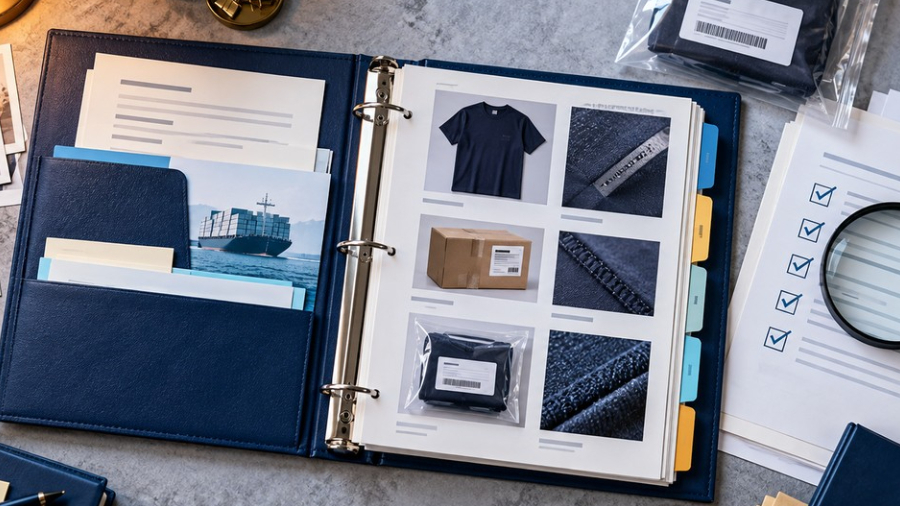
For importers shipping goods from China to the United States, delivery timing is one of the most important parts of freight planning. Many buyers ask: how long does shipping by sea take from China to USA? The answer depends on the origin port, destination port, vessel route, LCL or FCL service, customs clearance, cargo scheduling, and final delivery address.
Sea freight is widely used because it can move large cargo volumes at a lower cost than air freight. However, it requires more planning because shipping duration can be affected by port handling, vessel transit, customs review, and inland transportation. This guide explains typical ocean transit time from China to the USA, what affects freight ETA, and how importers can plan a more reliable delivery schedule.
Typical Ocean Transit Time from China to USA
So, how long does shipping by sea take from China to USA? In general, port-to-port ocean transit time may take about 15 to 25 days to the U.S. West Coast and about 25 to 40 days to the U.S. East Coast. These are common planning ranges, not guaranteed delivery times.
The West Coast is usually faster because vessels from China can reach major Pacific-side ports more directly. East Coast shipments normally take longer because vessels may travel through longer ocean routes or use different service connections.
However, port-to-port timing is only part of the total shipping duration. Door-to-door sea freight may take longer because the shipment also includes pickup from the supplier, export customs, port handling, vessel departure, import customs clearance, cargo release, final trucking, and warehouse delivery.
A typical door-to-door timeline may look like this:
Supplier pickup: 1–3 days
Origin port handling: 2–5 days
Ocean transit: 15–40 days
Destination port handling: 2–5 days
Customs clearance: 1–7 days
Final delivery: 2–10 days
This means a shipment with 25 days of vessel transit may require 35 to 50 days door-to-door depending on the service scope and destination location. Importers should always plan based on the full logistics timeline, not only the ocean sailing schedule.
What Shipping by Sea from China to USA Includes
Shipping by sea from China to the USA involves more than moving a container across the ocean. It is a complete logistics process that begins before cargo enters the port and continues until delivery is completed.
The process usually starts when the supplier confirms the cargo ready date. The cargo is packed, labeled, measured, and prepared for pickup. If the shipment is FCL, a full container may be delivered to the supplier or loading warehouse. If the shipment is LCL, the goods may be delivered to a consolidation warehouse.
Next, export customs and origin handling are arranged. The shipment must meet documentation and export requirements before it can be loaded for departure. Important documents usually include the commercial invoice, packing list, bill of lading instructions, product description, and consignee information.
After the vessel departs, the cargo moves through the ocean transit stage. This is the main vessel transit period. During this stage, importers monitor freight ETA and prepare for customs clearance.
When the cargo arrives in the United States, the shipment must go through destination port handling, import customs clearance, duty and tax payment if applicable, and cargo release. After release, the cargo moves by truck or rail to the final destination.
This is why the answer to how long does shipping by sea take from China to USA depends on the full shipping chain, not just the sailing time.
Main Factors That Affect Shipping Duration
Several factors can change the shipping duration from China to the USA. Importers should understand these before building a delivery schedule.
Origin Port in China
Some origin ports have more frequent sailings and stronger route coverage. Cargo moving from a major export port may have faster booking options than cargo that must first move from an inland factory to the port.
U.S. Destination Port
West Coast ports are usually faster for ocean transit from China. East Coast ports normally require longer sailing time. Inland destinations also need additional trucking or rail time after port arrival.
Direct Route or Transshipment
A direct route is usually faster. A transshipment route may involve cargo transfer at another port, which can increase delay risk and extend freight ETA.
LCL or FCL Service
LCL shipments often take longer because cargo must be consolidated at origin and deconsolidated at destination. FCL shipments may move more directly because one shipper controls the full container.
Customs Clearance
Customs clearance can add time if documents are incomplete, product descriptions are unclear, duties are not paid on time, or the cargo is selected for inspection.
Port Congestion
Busy seasons, weather events, labor shortages, or terminal delays can affect cargo release and final delivery.
Final Delivery Distance
A shipment delivered near the port will usually arrive faster than cargo moving to an inland warehouse, distribution center, or remote destination.
LCL Shipping Time from China to USA
LCL means less than container load. It is used when the shipment does not fill a full container. Cargo from different shippers is grouped together in one shared container.
LCL is useful for small and medium shipments, but it may take longer than FCL. The extra time comes from warehouse handling, freight consolidation, and cargo separation after arrival.
A typical LCL shipment from China to the USA may include:
Supplier pickup
Delivery to origin warehouse
Cargo measurement and receiving
Consolidation with other shipments
Container loading
Export customs
Ocean transit
Destination warehouse deconsolidation
Import clearance
Cargo release
Final delivery
Because of these steps, LCL door-to-door shipping duration may be several days longer than FCL. This does not mean LCL is a bad option. It can be cost-effective for smaller shipments. Importers simply need to build extra time into their cargo scheduling.
LCL is suitable when cargo volume is small, the shipment is not urgent, and the buyer wants to avoid paying for unused container space.
FCL Shipping Time from China to USA
FCL means full container load. In FCL shipping, one shipper uses the full container. The cargo is loaded, sealed, shipped, cleared, and delivered as one container movement.
FCL is often faster and more predictable than LCL because it avoids consolidation and deconsolidation. It is commonly used for larger shipments, regular inventory replenishment, heavy goods, and cargo that requires better control.
A typical FCL process includes:
Container booking
Empty container release
Factory or warehouse loading
Export customs
Port gate-in
Vessel departure
Ocean transit
Destination port arrival
Import clearance
Container delivery
Unloading
Empty container return
FCL can improve freight timing, but it requires stronger planning. The buyer must prepare for loading and unloading, confirm cargo dimensions and weight, arrange customs documents, and return the container on time after delivery.
When importers ask how long does shipping by sea take from China to USA, they should confirm whether the quote is LCL, FCL, port-to-port, or door-to-door. Each service has a different timeline.
West Coast vs East Coast Delivery Time
The destination port has a major impact on ocean transit time. For many China-to-USA shipments, West Coast ports are faster because the route across the Pacific is shorter. East Coast routes usually take longer because the vessel must travel farther or use a different route structure.
A general planning comparison:
West Coast port-to-port: about 15–25 days
East Coast port-to-port: about 25–40 days
Door-to-door to nearby port cities: add several days
Door-to-door to inland destinations: add more time
For example, a shipment arriving at a West Coast port may still need several days for customs clearance, port release, and truck delivery. If the final destination is inland, rail or long-distance trucking can add additional time.
A shipment to the East Coast may take longer at sea but could be more efficient if the final warehouse is located closer to the East Coast. The best route depends on final delivery location, total cost, inventory needs, and freight ETA.
Real-Life Example: Small LCL Shipment
A small importer orders 4 CBM of packaged goods from China. The cargo does not justify a full container, so the buyer chooses LCL sea freight.
The port-to-port ocean transit time may be around three weeks to the West Coast. However, the shipment also needs origin warehouse handling, consolidation, destination deconsolidation, customs clearance, and final delivery.
The full delivery timeline may become five to six weeks. This example shows why importers should not plan only around vessel transit. LCL shipping includes extra handling steps.
Real-Life Example: Full Container Shipment
A wholesaler imports a full container of inventory from China to a U.S. warehouse. The supplier loads the container, the container moves to the origin port, and the vessel departs.
Because the shipment is FCL, the cargo does not need to be grouped with other shippers’ goods. After arrival, the buyer arranges import customs clearance and container delivery.
The port-to-port timing may be about 20 days to the West Coast, but the door-to-door delivery may take closer to 30–40 days after adding origin handling, customs clearance, trucking, and unloading.
This example shows why FCL can be more predictable but still requires full freight planning.
Real-Life Example: Urgent Inventory Replenishment
A business realizes its inventory will run out before the sea freight shipment arrives. Instead of moving the entire order by air, the importer splits the shipment.
A small urgent portion moves by air freight, while the main cargo moves by sea. This strategy reduces emergency freight cost while keeping essential inventory available.
This example shows that shipping by sea is best for planned replenishment. When timing is tight, importers may need a mixed logistics strategy.
Practical Tips to Improve Freight ETA
First, confirm cargo ready date early. Supplier delays can cause missed vessel schedules.
Second, prepare documents before shipment. Commercial invoice, packing list, product description, and consignee details should be accurate.
Third, compare LCL and FCL. LCL is flexible for small shipments, but FCL may provide better timing for larger cargo.
Fourth, choose the right destination port. Do not choose only by ocean transit time. Consider final delivery location too.
Fifth, build buffer days. Sea freight can be affected by port congestion, customs review, weather, and trucking delays.
Sixth, track key milestones. Monitor pickup, port cutoff, vessel departure, arrival, customs clearance, cargo release, and delivery.
Seventh, plan customs clearance early. Import documents should be reviewed before cargo arrives.
Eighth, arrange final delivery in advance. Waiting until cargo release may delay delivery.
Ninth, avoid peak season pressure when possible. Holiday periods and high-volume seasons can affect freight timing.
Tenth, review your logistics strategy regularly. If shipment volume grows, switching from LCL to FCL may improve timing and cost.
One common mistake is confusing port-to-port transit with door-to-door delivery. Ocean transit is only one part of the full timeline.
Another mistake is ignoring LCL warehouse time. LCL cargo requires consolidation and deconsolidation.
A third mistake is not preparing customs documents early. Missing or incorrect documents can delay cargo release.
A fourth mistake is choosing the cheapest route without checking reliability. A low-cost route may have longer transit or more transshipment risk.
A fifth mistake is not planning inland delivery. The shipment may arrive at the port but still need rail, trucking, and warehouse appointments.
A sixth mistake is placing orders too late. Sea freight works best when inventory is planned in advance.
How to Build a Better Sea Freight Schedule
A good sea freight schedule should start with the required delivery date and work backward. Importers should calculate production time, cargo ready date, pickup time, port cutoff, sailing date, ocean transit time, customs clearance, cargo release, and final delivery.
For example, if goods must arrive at a U.S. warehouse by a specific date, the buyer should not only ask how long does shipping by sea take from China to USA. The buyer should also ask:
When will the supplier finish production?
How long does pickup take?
What is the vessel cutoff date?
Is the route direct or transshipment?
How long is the ocean transit time?
How long does customs clearance usually take?
How far is the warehouse from the destination port?
How much buffer time is needed?
This planning method helps prevent stockouts, rush shipping, and customer delivery delays.
Conclusion
So, how long does shipping by sea take from China to USA? Port-to-port ocean transit time is often about 15 to 25 days to the U.S. West Coast and about 25 to 40 days to the U.S. East Coast. Door-to-door shipping usually takes longer because it includes supplier pickup, export handling, port operations, customs clearance, cargo release, inland delivery, and warehouse receiving.
Importers should plan sea freight based on the full logistics timeline, not only vessel transit. LCL may take longer because of consolidation and deconsolidation, while FCL may provide better timing for larger shipments. Customs documents, port congestion, final delivery distance, and cargo scheduling can all affect freight ETA.
For better results, prepare documents early, choose the right service type, build buffer time, and coordinate closely with your logistics provider before cargo departure.
FAQ
How long does shipping by sea take from China to USA?
Shipping by sea from China to the USA often takes about 15–25 days port-to-port to the West Coast and about 25–40 days port-to-port to the East Coast. Door-to-door delivery usually takes longer.
Is LCL sea freight slower than FCL?
Yes, LCL is often slower because cargo must be consolidated at origin and deconsolidated at destination. FCL usually moves more directly as one container.
What affects ocean transit time from China to USA?
Ocean transit time can be affected by origin port, destination port, vessel route, transshipment, port congestion, customs clearance, shipping duration, cargo scheduling, and final delivery distance.
 English
 Deutsch
 Português
 العربية
 中文
中文


 25 Sep