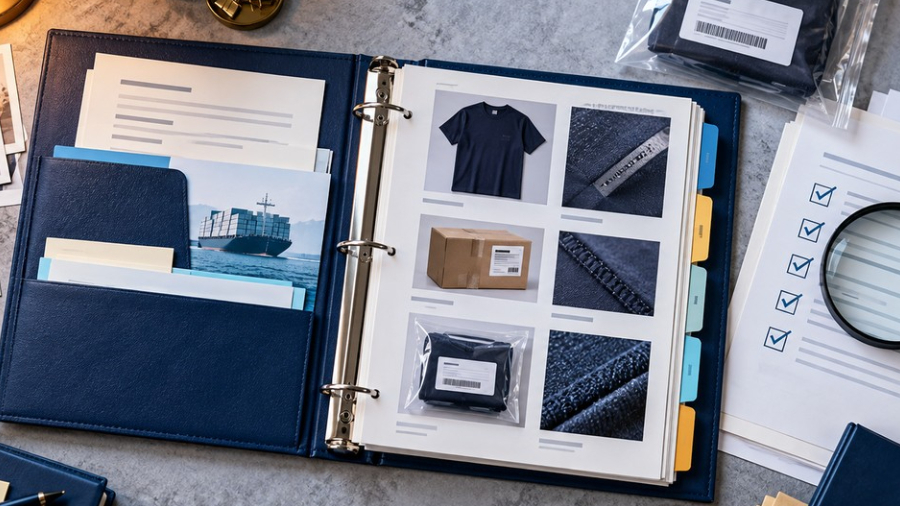
For importers, delivery timing is one of the most important parts of international freight planning. Product cost and shipping cost matter, but if the goods arrive too late, the business may face stockouts, delayed production, missed sales, or unhappy customers. This is why many buyers ask how long does sea freight take from China before confirming a purchase order.
Sea freight is usually slower than air freight and express shipping, but it is also one of the most cost-effective methods for moving large, heavy, or bulk cargo. The total shipping time depends on many factors, including origin city, destination port, shipping route, container type, customs clearance, port handling, delivery schedule, and inland transportation.
This guide explains typical ocean transit time, how the full sea freight timeline works, why shipping time China routes may vary, and how importers can plan shipments more accurately. You will also learn how sea freight compares with air freight, rail-related inland transport, and express shipping.
What Does Sea Freight Time Actually Mean?
When importers ask how long does sea freight take from China, they often think only about the time a vessel spends on the water. However, sea freight time is more than ocean transit time. The complete shipping timeline usually includes several steps before and after the vessel journey.
A full sea freight timeline may include:
Cargo preparation at the supplier’s factory
Pickup or delivery to origin warehouse
Export customs clearance
Origin port handling
Waiting for vessel departure
Ocean transit
Destination port handling
Import customs clearance
Container pickup or cargo release
Final delivery to warehouse or business address
For example, the vessel transit may take three to five weeks depending on the route, but the complete door-to-door shipping process may take longer because of factory pickup, port handling, customs clearance, and final delivery.
This is especially important for LCL shipments. LCL means less than container load, where cargo from different shippers shares container space. LCL shipping may require additional warehouse consolidation at origin and deconsolidation at destination. These steps can add extra days compared with FCL shipping.
FCL, or full container load, may be more direct because one shipper uses the entire container. However, FCL still requires container loading, port handling, customs clearance, delivery appointment, unloading, and container return.
For accurate freight planning, importers should ask for the full estimated delivery schedule, not only the sailing time.
Typical Sea Freight Timeline from China
The total sea freight timeline from China can vary widely depending on destination and service type. A general port-to-port ocean transit may take a few weeks, while door-to-door delivery can take longer after adding origin and destination handling.
A typical process may look like this:
Cargo preparation: several days depending on supplier readiness
Factory pickup or warehouse receiving: one to several days
Export customs and origin handling: several days
Waiting for vessel departure: several days depending on schedule
Ocean transit time: often several weeks depending on route
Destination port handling: several days
Import customs clearance: several days if documents are correct
Final delivery: several days depending on distance and appointment
This means the total timeline is not controlled by the vessel alone. Even if the vessel schedule is fast, delay can happen at the factory, port, customs, warehouse, or delivery stage.
Shipping time China routes are also affected by the destination region. Shipping to a major port with frequent vessel service is usually more predictable than shipping to a smaller or inland destination. If the cargo must move inland after arrival, additional rail or truck time may be required.
The most practical way to estimate sea freight time is to divide the shipment into three parts:
Origin handling time
Ocean transit time
Destination handling and delivery time
This method gives importers a more realistic view of the full logistics process.
Major Factors That Affect Ocean Transit Time
Ocean transit time depends on many operational and route-related factors. Understanding these factors helps importers avoid unrealistic expectations.
The first factor is the origin port. China has many export ports, and some have more frequent sailings than others. If the supplier is close to a major port, the shipment may move faster than cargo from an inland factory.
The second factor is the destination port. Major destination ports usually have more direct routes and better vessel frequency. Smaller ports may require transshipment, which can increase transit time.
The third factor is direct sailing vs transshipment. A direct route is usually faster and simpler. A transshipment route may require the container to be transferred at another port, which can add time and risk of delay.
The fourth factor is vessel schedule. Even if the cargo is ready today, the next available sailing may not depart immediately. Missing a cutoff date can delay the shipment by several days or more.
The fifth factor is port handling. Congestion, equipment availability, container yard operations, and port workload can affect departure and arrival timing.
The sixth factor is customs clearance. If documents are accurate, customs clearance may move smoothly. If the commercial invoice, packing list, product description, or customs classification has problems, clearance may take longer.
The seventh factor is weather and seasonal demand. Bad weather, holiday periods, peak shipping seasons, and capacity shortages can affect vessel schedules and delivery timing.
The eighth factor is final delivery. After cargo arrives, inland delivery may depend on truck availability, warehouse appointment, rail schedule, and unloading conditions.
Sea Freight by FCL: How Long It Usually Takes
FCL shipping usually provides better control over the sea freight process because one shipper uses the entire container. The container may be loaded at the supplier’s factory or warehouse, sealed, moved to the port, shipped internationally, cleared at destination, and delivered to the final address.
When importers ask how long does sea freight take from China, FCL is often easier to estimate than LCL because it has fewer consolidation steps. However, FCL can still face delays if the container is not ready before cutoff, customs documents are incomplete, or final delivery is not arranged in time.
The FCL timeline usually includes:
Container booking
Empty container pickup
Factory loading
Export declaration
Port gate-in
Vessel departure
Ocean transit
Destination port arrival
Customs clearance
Container delivery
Unloading and container return
FCL may be faster than LCL in the destination stage because the cargo does not need to be separated from other shipments. However, the buyer must be ready to unload the container and return it within the allowed free time. If unloading is delayed, detention or demurrage charges may apply.
FCL is often suitable for larger shipments, regular inventory replenishment, heavy cargo, and products that need fewer handling steps. It may also be more predictable when the importer has good coordination with the supplier and freight forwarder.
Sea Freight by LCL: Why It May Take Longer
LCL shipping is useful for smaller shipments, but it often takes longer than FCL because of consolidation and deconsolidation.
In LCL shipping, cargo from different shippers is received at an origin warehouse. The warehouse checks measurements, organizes documents, groups shipments by destination, and loads them into a shared container. After the container arrives at the destination, it must be unloaded at a warehouse, separated by consignee, and released for customs clearance or delivery.
These extra steps can add time. Even if the ocean transit time is similar, the total LCL delivery schedule may be longer than FCL.
LCL timing can be affected by:
Warehouse receiving cutoff
Cargo measurement and sorting
Consolidation schedule
Shared container departure
Destination deconsolidation
Warehouse release process
Customs clearance timing
Final delivery arrangement
LCL is still a good choice for small shipments, test orders, and buyers who do not need a full container. However, importers should not expect LCL to move as directly as FCL.
If timing is important, ask your freight forwarder for the full LCL schedule, including warehouse cutoff, estimated sailing date, arrival date, deconsolidation time, and delivery estimate.
Sea Freight vs Air Freight
Sea freight and air freight serve different purposes. Sea freight is usually best for large, heavy, and cost-sensitive shipments. Air freight is faster but more expensive.
If the buyer needs urgent delivery, air freight may reduce lead time significantly. It is often used for samples, high-value goods, seasonal products, replacement parts, or emergency stock replenishment.
However, air freight is usually calculated by chargeable weight, which compares actual weight and volumetric weight. Bulky but lightweight cargo can become expensive by air. Sea freight is usually much better for high-volume cargo because it offers lower cost per unit.
A practical comparison:
Sea freight: slower, lower cost, suitable for bulk cargo
Air freight: faster, higher cost, suitable for urgent cargo
Sea freight: better for stable inventory planning
Air freight: better for emergency replenishment
For many businesses, the best solution is not choosing only one method. They may use sea freight for regular inventory and air freight only when stock becomes urgent.
When planning delivery schedule, importers should avoid waiting until inventory is almost sold out. Good forecasting allows more shipments to move by sea, reducing total logistics cost.
Sea Freight vs Express Shipping
Express shipping is usually used for small parcels, documents, samples, and urgent lightweight shipments. It is faster and simpler than traditional sea freight, but it becomes expensive when cargo volume increases.
Express shipping may be useful when:
The shipment is small
The goods are urgent
The buyer needs samples quickly
The product value supports higher freight cost
The shipment does not justify LCL or FCL
Sea freight is better when:
Cargo is bulky
Cargo is heavy
Delivery is not extremely urgent
The importer wants lower cost per unit
The shipment is part of regular inventory planning
For example, a buyer may use express shipping for product samples before mass production, then use sea freight for the bulk order. This combination helps the buyer check quality quickly while keeping the main shipment cost under control.
Express shipping is convenient, but importers should not rely on it for large commercial shipments unless the margin can support the cost.
Rail, Trucking, and Inland Delivery Time
Although sea freight is the main international transport method, rail and trucking are often part of the total delivery schedule.
In China, cargo may need to move by truck from the factory to the origin port. If the supplier is inland, this can add several days before the ocean shipment begins. In some cases, domestic rail or feeder services may also be used to connect cargo to a major port.
At destination, cargo may arrive at a port but still need to move inland. A container may travel by truck directly to the warehouse, or it may move by rail to an inland terminal before final trucking.
Inland delivery time depends on:
Distance from port to warehouse
Truck availability
Rail schedule
Container weight
Delivery appointment requirements
Warehouse receiving hours
Road conditions
Customs release timing
This is why port-to-port time is not the same as door-to-door time. A shipment may arrive at port, but final delivery can still take additional time.
For accurate planning, importers should ask for both port arrival estimate and final delivery estimate.
Cost Factors and Shipping Time Trade-Offs
Shipping time and shipping cost are closely connected. Faster service may cost more, while lower-cost routes may take longer.
A direct sea freight route may have a shorter transit time but a higher rate. A transshipment route may be cheaper but slower. LCL may reduce cost for small shipments but add warehouse time. FCL may cost more upfront but reduce handling and improve predictability.
Cost and time trade-offs may include:
Direct route vs transshipment route
FCL vs LCL
Port-to-port vs door-to-door
Sea freight vs air freight
Standard delivery vs urgent trucking
Warehouse consolidation vs separate shipments
For freight planning, importers should compare total cost and total timeline together. A cheaper route may not be better if the delay causes stockouts or missed sales. A faster route may not be necessary if the buyer has enough inventory buffer.
A practical approach is to divide shipments into categories:
Regular inventory: sea freight
Urgent replenishment: air freight
Samples: express shipping
Heavy bulk cargo: FCL sea freight
Small test shipment: LCL sea freight
This method helps businesses control cost while maintaining supply chain reliability.
How to Plan a Better Delivery Schedule
A reliable delivery schedule starts before the cargo leaves the factory. Importers should not wait until goods are ready to begin freight planning.
First, confirm the cargo ready date with the supplier. The freight forwarder needs this date to check vessel schedules and booking options.
Second, provide accurate cargo details. Weight, volume, carton size, product description, and pickup address affect booking and route planning.
Third, ask for cutoff dates. Missing the warehouse cutoff or port cutoff may delay the shipment to the next sailing.
Fourth, prepare documents early. Commercial invoice, packing list, bill of lading instructions, product description, and customs information should be ready before departure.
Fifth, build a buffer into your timeline. Sea freight can face delays due to port handling, customs clearance, weather, transshipment, or inland delivery.
Sixth, track the shipment at key stages. Important milestones include cargo pickup, warehouse receiving, export clearance, vessel departure, vessel arrival, customs release, and final delivery.
Seventh, plan warehouse receiving in advance. If the warehouse cannot receive the goods when they arrive, storage or delay charges may occur.
Eighth, use air freight only when necessary. Better planning allows more goods to move by sea, reducing cost.
Real-Life Example: Regular Inventory Shipment
A wholesaler imports a full container of packaged goods from China every month. The goods are not urgent, but stock must arrive before warehouse inventory runs low.
The buyer plans the shipment six weeks before the expected stockout date. The supplier confirms the cargo ready date, and the freight forwarder books a vessel with enough time for export handling, ocean transit, customs clearance, and inland delivery.
Because the buyer plans early, the shipment moves by sea freight instead of expensive air freight. The delivery schedule includes a buffer for port handling and customs clearance.
This example shows that sea freight can work well when inventory planning is organized.
Real-Life Example: Small LCL Shipment Delay
A small importer ships 4 CBM by LCL. The buyer checks only the ocean transit time and assumes the goods will arrive quickly. However, the cargo misses the origin warehouse cutoff and must wait for the next consolidation. After arrival, destination deconsolidation takes additional time.
The shipment still moves normally, but the total door-to-door time is longer than the buyer expected.
This example shows why importers should ask for the full LCL schedule, not only the vessel sailing time. For LCL shipments, warehouse timing can be just as important as ocean transit.
Practical Tips to Reduce Sea Freight Delays
First, book early. Early booking gives more route choices and reduces the risk of missing cutoff dates.
Second, confirm cargo readiness. If the supplier is late, the shipment may miss the planned vessel.
Third, choose the right shipping method. Use FCL for larger shipments and LCL for smaller shipments, but compare timing as well as cost.
Fourth, prepare customs documents before arrival. Document problems are a common cause of delay.
Fifth, avoid vague product descriptions. Customs clearance may slow down if product details are unclear.
Sixth, monitor port and warehouse milestones. Tracking only the vessel is not enough.
Seventh, plan final delivery before cargo arrives. Truck appointments and warehouse receiving schedules can affect delivery time.
Eighth, build inventory buffer. Sea freight is reliable for planned shipments, but it is not ideal for last-minute urgent cargo.
Ninth, consider split shipping. For urgent stock, ship a small portion by air and the main volume by sea.
Tenth, work with a freight forwarder that provides clear updates. Good communication helps you adjust plans before delays become serious.
One common mistake is assuming ocean transit time equals total delivery time. In reality, origin handling, port handling, customs, and final delivery all add time.
Another mistake is booking too late. If cargo misses the cutoff, it may wait for the next sailing.
A third mistake is choosing the cheapest route without checking transit time. Lower-cost routes may involve transshipment or longer waiting periods.
A fourth mistake is using LCL without understanding warehouse schedules. Consolidation and deconsolidation can add time.
A fifth mistake is not preparing documents early. Incorrect invoices, packing lists, or product descriptions can delay customs clearance.
A sixth mistake is failing to plan warehouse receiving. If the destination warehouse cannot receive cargo, delivery may be delayed.
A seventh mistake is not building a buffer. Sea freight should be planned with realistic lead time, especially during busy seasons.
Conclusion
So, how long does sea freight take from China? The answer depends on the origin, destination, route, shipping method, customs clearance, port handling, and final delivery process. Ocean transit time may be only part of the total schedule. A realistic sea freight plan should include supplier preparation, pickup, export clearance, port handling, vessel transit, destination clearance, and inland delivery.
Sea freight is usually the best option for large, heavy, and cost-sensitive shipments, but it requires early planning. FCL can offer better control for larger cargo, while LCL is flexible for smaller shipments but may require extra warehouse time. Air freight and express shipping are faster but more expensive.
Importers can improve delivery reliability by booking early, preparing documents, tracking milestones, comparing shipping methods, and building inventory buffers. With proper freight planning, sea freight from China can be a cost-effective and dependable part of your supply chain.
FAQ
How long does sea freight take from China?
Sea freight time depends on the route, destination, shipping method, port handling, customs clearance, and final delivery. Ocean transit may take several weeks, while full door-to-door delivery usually takes longer after adding origin and destination handling.
Is LCL slower than FCL?
LCL can be slower than FCL because it requires cargo consolidation at origin and deconsolidation at destination. FCL usually has fewer warehouse handling steps.
Why does sea freight get delayed?
Common causes include supplier delays, missed cutoff dates, port congestion, customs inspection, document errors, weather, transshipment delays, truck shortages, and delivery appointment issues.
Is sea freight better than air freight?
Sea freight is better for large, heavy, and cost-sensitive cargo. Air freight is better for urgent, small, or high-value shipments that need faster delivery.
How can I reduce sea freight delays?
Book early, confirm cargo readiness, prepare customs documents, choose the right route, track key milestones, and arrange final delivery before the cargo arrives.
 English
 Deutsch
 Português
 العربية
 中文
中文


 25 Sep