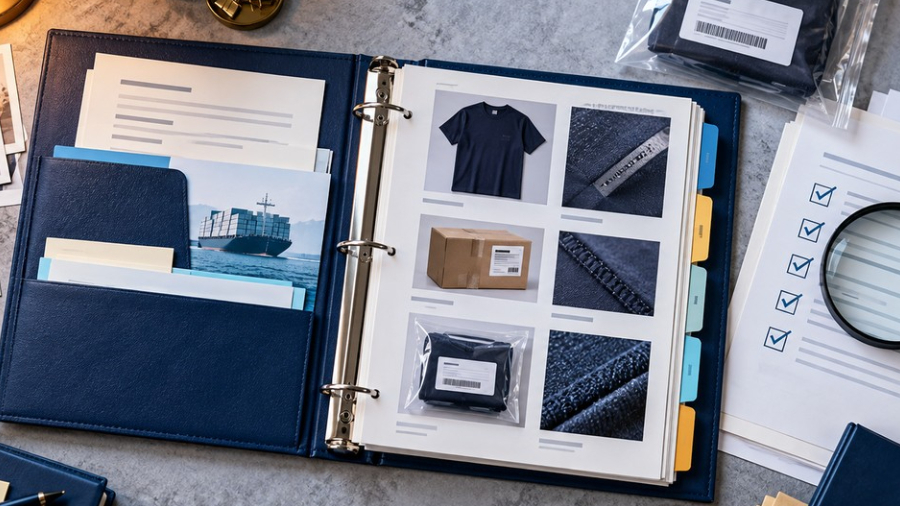
International shipping can be difficult because one shipment may involve suppliers, warehouses, carriers, customs documents, cargo booking, port handling, delivery appointments, and final transportation. Many importers ask how does a freight forwarder work because they want to understand who coordinates these steps and how cargo moves from origin to destination.
A freight forwarder works as a logistics coordinator. It arranges freight operations by connecting shippers with carriers, warehouses, customs brokers, trucking providers, and destination agents. The forwarder does not always physically own the ships, aircraft, trucks, or warehouses. Instead, it manages the shipping agent process and keeps the logistics chain organized.
This guide explains how freight forwarders work, what steps are involved, and how importers can use freight forwarding services more effectively.
What Is the Role of a Freight Forwarder?
A freight forwarder helps businesses move cargo domestically or internationally by coordinating different parts of the shipping process. The forwarder acts as the main contact between the shipper and multiple logistics service providers.
So, how does a freight forwarder work in practice? The forwarder receives shipment details from the importer or exporter, recommends a shipping method, prepares a quote, books cargo space, coordinates pickup, supports documents, monitors transit, and helps arrange final delivery.
A freight forwarder may support:
Sea freight
Air freight
Express shipping
Truck delivery
Warehouse handling
LCL consolidation
FCL container booking
Cargo insurance support
Customs handling coordination
Shipment tracking
Delivery scheduling
The main value of a freight forwarder is coordination. International freight involves many parties, and poor communication can create delays, hidden fees, or cargo release problems. A forwarder helps reduce these risks by managing the workflow and communicating with the right partners at each stage.
For importers, this support is especially useful when shipping from overseas suppliers, buying from multiple factories, or handling cargo that requires customs clearance and final delivery.
Step-by-Step Shipping Agent Process
The shipping agent process usually begins when the customer sends shipment details. The freight forwarder needs information such as product name, carton quantity, cargo dimensions, gross weight, pickup address, destination address, trade term, and required delivery time.
After receiving the details, the forwarder reviews the shipment and recommends the best method. For small shipments, LCL sea freight or air freight may be suitable. For larger shipments, FCL container shipping may be better. For urgent samples, express shipping may be used.
Next, the forwarder prepares a freight quote. The quote may include origin charges, international freight, destination charges, customs support, delivery, insurance, and possible extra fees depending on the service scope.
Once the quote is confirmed, the forwarder arranges cargo booking. This may involve booking vessel space, air cargo space, warehouse receiving, or truck pickup. The cargo is then collected from the supplier or delivered to a warehouse.
The next step is document preparation and export handling. The shipment may require a commercial invoice, packing list, bill of lading, air waybill, shipping instructions, and customs-related documents.
After export handling, the cargo moves through the international freight stage. During this time, the forwarder tracks the shipment and updates the customer.
At destination, the forwarder may coordinate customs handling, cargo release, destination warehouse processing, and final delivery to the buyer’s address.
Cargo Booking and Freight Operations
Cargo booking is one of the most important parts of freight forwarding. Without proper booking, cargo may miss a vessel, flight, truck schedule, or warehouse cutoff.
For sea freight, cargo booking may involve LCL or FCL planning. LCL means less than container load, where goods from multiple shippers share container space. FCL means full container load, where one shipper uses the full container.
For LCL shipments, the forwarder arranges warehouse receiving, cargo measurement, consolidation, ocean freight, destination deconsolidation, and cargo release. Because LCL cargo shares space with other shipments, timing and packaging are important.
For FCL shipments, the forwarder arranges container booking, empty container pickup, factory loading or warehouse loading, port gate-in, ocean shipping, destination handling, and container delivery. FCL usually provides better cargo control for larger shipments.
For air freight, cargo booking is based on chargeable weight. The forwarder calculates actual weight and volumetric weight to determine pricing. Air freight is faster but usually more expensive.
Freight operations also include route selection, schedule checking, cargo tracking, and communication between origin and destination partners. This is why professional coordination matters.
Customs Handling and Documentation
Customs handling is another important part of the logistics chain. A freight forwarder may not always act as the official customs broker, but it often coordinates with customs brokers and helps ensure the right documents are prepared.
Common shipping documents may include:
Commercial invoice
Packing list
Bill of lading
Air waybill
Export declaration details
Product description
Country of origin information
Consignee details
Delivery instructions
Incorrect documents can delay customs clearance. For example, if product descriptions are vague, values are inconsistent, or packing details are missing, customs may request corrections or additional information.
A freight forwarder helps importers understand what documents are needed and when they should be submitted. For DDP or door-to-door shipments, the forwarder may also coordinate customs fees, duties, taxes, and final delivery through its logistics partners.
Importers should remember that customs handling depends on accurate cargo information. Even when a forwarder supports the process, the buyer and supplier must provide correct documents.
How Freight Forwarders Connect the Logistics Chain
A freight forwarder connects many service providers into one organized logistics chain. Instead of the importer contacting every party separately, the forwarder manages the communication and timing.
A typical logistics chain may include:
Supplier or shipper
Origin trucker
Origin warehouse
Export customs support
Port or airport facility
Ocean or air carrier
Destination port or airport
Customs broker
Destination warehouse
Final truck delivery
Buyer or consignee
Each stage must be coordinated. If the supplier is late, the cargo may miss the booking. If documents are wrong, customs clearance may be delayed. If the warehouse is not ready, final delivery may fail. If the container is not returned on time, extra charges may occur.
The freight forwarder works to keep these steps aligned. This reduces communication gaps and helps the shipment move more smoothly.
For businesses without an internal logistics team, this coordination can save time and reduce operational risk.
Cost Factors in the Freight Forwarding Process
Freight forwarding costs depend on cargo size, weight, route, shipping method, service scope, and destination requirements.
Common cost factors include:
Cargo volume
Gross weight
Pickup location
Destination address
Shipping method
LCL or FCL choice
Origin charges
International freight
Destination charges
Customs clearance
Duties and taxes
Final delivery
Insurance
Storage or inspection fees
When asking how does a freight forwarder work, importers should also ask how quotes are structured. A port-to-port quote is different from a door-to-door quote. A DDP quote may include duties and taxes, while a FOB-based quote may not.
A reliable forwarder should explain what is included and excluded. This helps importers avoid hidden costs and compare freight quotes correctly.
The best choice is not always the cheapest quote. A low quote may exclude destination charges, use slower routing, or provide limited support. Importers should compare total logistics cost and service reliability.
Real-Life Example: Small LCL Import Shipment
A small importer buys 4 CBM of packaged goods from an overseas supplier. The cargo is too large for express shipping but too small for a full container.
The freight forwarder recommends LCL sea freight. The forwarder arranges supplier pickup, warehouse receiving, cargo consolidation, ocean shipping, destination warehouse processing, customs coordination, and final delivery.
The importer avoids booking a full container and pays based on cargo space used. The forwarder also helps explain the expected timeline and destination charges.
This example shows how freight forwarders help smaller importers manage international shipments without handling every step alone.
Real-Life Example: Full Container Shipment
A wholesaler imports a larger shipment that can fill most of a container. The freight forwarder recommends FCL sea freight because it provides better control and lower cost per unit.
The forwarder arranges container booking, loading schedule, export handling, ocean freight, customs coordination, and truck delivery after arrival. Because the shipment stays in one container, there are fewer handling steps than LCL.
This example shows how freight operations can support larger import programs and improve cargo control.
Practical Tips for Working with a Freight Forwarder
First, provide accurate cargo details. Include product name, carton quantity, dimensions, gross weight, total CBM, pickup address, and destination address.
Second, confirm the trade term. EXW, FOB, CIF, DAP, and DDP affect who pays each shipping cost.
Third, ask for a detailed quote. The quote should show freight charges, origin fees, destination fees, customs handling, and final delivery.
Fourth, prepare documents early. Commercial invoice, packing list, and product descriptions should be ready before the shipment moves.
Fifth, compare shipping methods. Ask whether LCL, FCL, air freight, or express shipping is most suitable.
Sixth, confirm service scope. Port-to-port, door-to-door, and DDP services are different.
Seventh, track milestones. Important stages include pickup, booking, departure, arrival, customs release, and delivery.
Eighth, ask about delay costs. Storage, demurrage, detention, and inspection fees should be understood before shipping.
Ninth, use strong packaging. Good packaging reduces damage risk, especially for LCL and air freight.
Tenth, build long-term cooperation. A forwarder that understands your cargo and routes can provide better logistics support over time.
Common Mistakes to Avoid
One common mistake is choosing a freight forwarder only by the lowest quote. A low price may exclude important charges or use slower service.
Another mistake is giving incomplete cargo data. Wrong weight or volume can change the final cost.
A third mistake is not confirming customs handling. Freight movement and customs clearance are connected but not always included in the same quote.
A fourth mistake is ignoring destination delivery. Port arrival does not mean warehouse delivery.
A fifth mistake is booking too late. Late booking can cause missed cutoffs, limited space, and higher costs.
A sixth mistake is not checking service scope. Port-to-port, port-to-door, door-to-door, and DDP are very different.
Conclusion
So, how does a freight forwarder work? A freight forwarder works by coordinating the complete logistics chain for importers and exporters. It arranges cargo booking, freight operations, documentation, customs handling support, shipment coordination, tracking, and final delivery.
The forwarder connects suppliers, carriers, warehouses, customs brokers, truckers, and buyers into one organized shipping process. This helps businesses reduce communication gaps, avoid delays, compare shipping options, and manage freight costs more effectively.
For small importers, freight forwarders make international shipping easier. For larger businesses, they support better cargo management and more reliable freight operations. The key is to provide accurate cargo information, confirm service scope, prepare documents early, and work with a forwarder that explains costs clearly.
FAQ
How does a freight forwarder work?
A freight forwarder coordinates cargo movement by arranging pickup, freight booking, documents, customs handling support, tracking, and final delivery through different logistics partners.
What is the shipping agent process?
The shipping agent process usually includes shipment inquiry, quote preparation, cargo booking, pickup, export handling, international freight, customs coordination, and final delivery.
Does a freight forwarder handle customs?
A freight forwarder may coordinate customs handling, but an official customs broker may handle the formal customs entry. Importers should confirm whether customs clearance is included in the quote.
 English
 Deutsch
 Português
 العربية
 中文
中文


 25 Sep