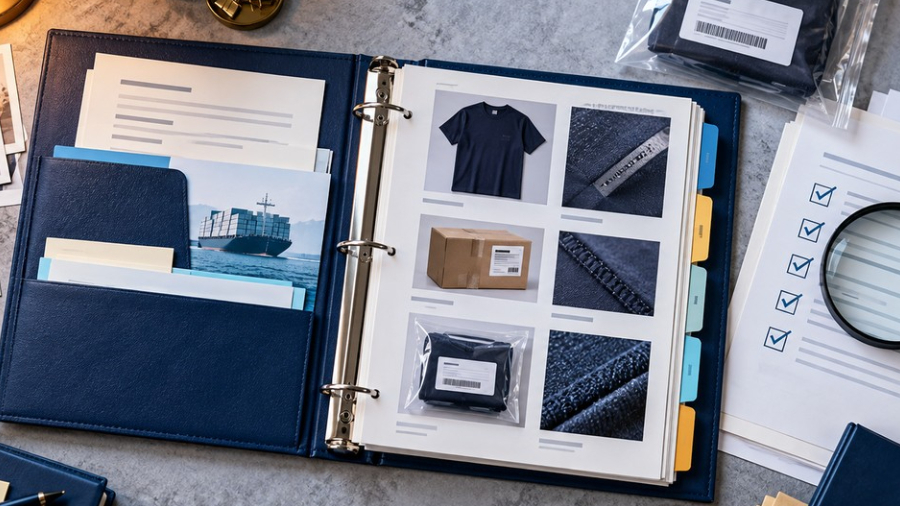
Importers often prepare invoices, packing lists, freight quotes, customs documents, and delivery schedules before a shipment arrives. However, one important part of cargo clearance is sometimes missed: the customs bond. Many importers ask, how does a customs bond work, and why does it matter for international shipping?
A customs bond is a financial guarantee that helps customs authorities ensure duties, taxes, fees, and import compliance obligations will be fulfilled. It supports shipment approval by giving customs security before cargo is released. For U.S. commercial imports, customs bond rules are especially important because CBP states that commercial imports worth more than $2,500, or goods subject to other federal agency requirements, require a customs bond. (海关与边境保护局助手)
This guide explains the customs bond process, importer requirements, import guarantee function, real-life examples, and practical steps for avoiding cargo clearance delays.
What Is a Customs Bond?
A customs bond is a legal agreement that involves three main parties: the importer, the customs authority, and a surety company. The bond acts as an import guarantee. It assures customs that the importer will pay required duties, taxes, fees, penalties, and meet customs regulations.
A customs bond is not the same as cargo insurance. Cargo insurance protects the importer from physical loss or damage to goods during transport. A customs bond protects customs authorities by guaranteeing payment and compliance obligations.
In practical shipping terms, a customs bond helps customs approve the entry process and release cargo. If the importer fails to meet required obligations, customs may make a claim against the bond. The surety may pay the claim to customs, and the importer may then be responsible for reimbursing the surety.
So, how does a customs bond work in a normal import shipment? The importer or customs broker arranges the bond before customs entry filing. The broker submits the entry using the bond information. Customs reviews the entry, duties, taxes, cargo details, and compliance requirements. If everything is acceptable, cargo clearance can move forward.
The bond does not remove the importer’s responsibility. It supports the process, but the importer must still provide accurate product descriptions, values, classifications, country of origin information, and required documents.
Why Customs Bonds Are Required
Customs bonds are required because customs authorities need protection when goods enter the country before every possible obligation is fully reviewed or finalized. Importing is not only a transport activity. It is also a legal and financial process.
A shipment may involve:
Import duties
Taxes and government fees
Customs entry filing
Cargo release
Product classification
Country of origin review
Compliance checks
Other agency requirements
Recordkeeping obligations
Possible post-entry review
The bond helps protect customs revenue and supports import compliance. If an importer does not pay duties or fails to meet customs requirements, the bond provides a financial security mechanism.
This is why importers should not treat a customs bond as a simple formality. It is part of the larger customs bond process that connects entry filing, shipment approval, and cargo clearance.
For regular importers, having the correct bond in place can help reduce administrative delays. For first-time importers, failing to arrange a bond before arrival can create storage charges, delayed delivery, and missed customer deadlines.
Main Parties in the Customs Bond Process
To understand how does a customs bond work, it is useful to know the role of each party.
Importer
The importer is the party responsible for bringing goods into the destination country. The importer must provide accurate shipment information and meet importer requirements. This may include correct invoice value, product description, classification, origin, and payment obligations.
Customs Authority
The customs authority reviews the shipment, checks whether the goods meet customs regulations, calculates or verifies duties and taxes, and approves cargo release.
Surety Company
The surety company issues the bond and financially guarantees the importer’s obligations. If customs makes a valid bond claim, the surety may pay customs and then seek reimbursement from the importer.
Customs Broker
A customs broker often helps the importer arrange the bond, prepare entry documents, classify goods, calculate duties, and communicate with customs. CBP notes that importers are not legally required to hire a customs broker, but many choose to do so because brokers can help with paperwork and obtaining a CBP bond. (海关与边境保护局助手)
Freight Forwarder
The freight forwarder coordinates transportation and may work with the broker to support the cargo clearance timeline. However, the forwarder does not replace the importer’s compliance responsibility.
Step-by-Step: How Does a Customs Bond Work?
The customs bond process usually begins before cargo arrives. Importers should not wait until the shipment reaches the destination port or airport.
Step 1: Confirm Whether a Bond Is Needed
The importer or customs broker checks whether the shipment requires a bond. Formal commercial imports, higher-value shipments, and goods subject to additional government requirements may need one.
Step 2: Choose the Bond Type
The importer chooses between a single transaction bond and a continuous bond. A single transaction bond covers one importation, while a continuous bond covers multiple transactions. CBP explains that single transaction bonds may be used for one-time importation, while continuous bonds cover multiple transactions. (海关与边境保护局助手)
Step 3: Provide Importer and Shipment Information
The importer provides business details, shipment value, product information, estimated duties and taxes, and other required data.
Step 4: Bond Is Issued by a Surety
The surety company issues the bond. The broker may help coordinate this step.
Step 5: Customs Entry Is Filed
The customs broker uses the bond information when filing entry documents. This connects the shipment to the import guarantee.
Step 6: Customs Reviews the Entry
Customs reviews documents, value, classification, origin, compliance details, and possible inspection requirements.
Step 7: Duties, Taxes, and Fees Are Paid or Secured
The bond guarantees the importer’s payment obligations. Required payments must still be handled correctly.
Step 8: Cargo Clearance Is Approved
If customs requirements are satisfied, cargo release can proceed.
Step 9: Importer Maintains Records
The importer should keep records for future audits, reviews, or compliance questions.
Single Transaction Bond vs Continuous Bond
Importers usually choose between two common bond types.
A single transaction bond covers one shipment. It may be useful for first-time importers, occasional importers, test orders, or one-time commercial shipments.
A continuous bond covers multiple shipments. It is often better for regular importers because it can support repeated entry filing without arranging a new bond for every shipment. CBP states that continuous bonds cover multiple transactions, while single transaction bonds are generally used for one-time importation. (海关与边境保护局助手)
A practical comparison:
Single transaction bond: one shipment
Continuous bond: multiple shipments
Single transaction bond: useful for occasional imports
Continuous bond: useful for frequent imports
Single transaction bond: arranged per entry
Continuous bond: supports ongoing import activity
CBP also explains that a single entry bond is generally not less than the total entered value plus duties, taxes, and fees, while a continuous bond is generally based on a percentage of duties, taxes, and fees paid over a previous 12-month period. (海关与边境保护局助手)
The right choice depends on import frequency, shipment value, duty exposure, and long-term logistics plans.
How Customs Bonds Support Cargo Clearance
A customs bond supports cargo clearance by giving customs a guarantee before releasing goods. This can be especially important when cargo arrives by sea freight, air freight, truck freight, rail freight, or formal express entry.
Cargo clearance usually requires:
Commercial invoice
Packing list
Transport document
Importer details
Product classification
Declared value
Country of origin
Customs bond if required
Duty and tax calculation
Compliance review
If the required bond is missing, the customs broker may not be able to complete entry filing properly. This can delay cargo release and final delivery.
For urgent shipments, this is especially risky. Air freight may arrive quickly, but if the bond is not ready, the cargo may still wait at an airport warehouse. Sea freight containers may incur storage, demurrage, or detention if cargo clearance is delayed.
This is why importers should arrange the bond before cargo arrival.
Customs Bond for Sea Freight
Sea freight often involves formal import entry, especially for commercial cargo. A customs bond may be required before the shipment can be released from the port or destination warehouse.
For LCL shipments, cargo may need to be deconsolidated before release. For FCL shipments, the container may be released for final delivery after customs approval.
Sea freight importers should prepare bond requirements early because port delays can become expensive. If entry filing is delayed, the cargo may remain at the terminal or warehouse.
A proper sea freight preparation checklist includes:
Commercial invoice
Packing list
Bill of lading
Importer details
Bond information
Customs broker contact
Product description
Duty and tax estimate
Final delivery plan
For businesses importing by sea regularly, a continuous bond may be more efficient than arranging single transaction bonds repeatedly.
Customs Bond for Air Freight
Air freight is often used for urgent cargo, replacement goods, samples, and high-value products. Because air freight moves quickly, customs bond preparation must also move quickly.
If the bond is not ready before arrival, the importer may lose the time benefit of air freight. The cargo may arrive at the airport but remain unavailable until customs entry and bond requirements are completed.
Air freight importers should confirm:
Shipment value
Product classification
Bond requirement
Importer information
Customs broker readiness
Duty and tax estimate
Airport release process
Final delivery schedule
A customs bond supports shipment approval, but it does not replace accurate documents. The importer must still provide correct invoice details, origin information, and product descriptions.
Customs Bond for Truck, Rail, and Express Shipments
Truck and rail freight can involve cross-border cargo movement or inland delivery after port arrival. Depending on the route and import entry type, a customs bond may still be required.
For truck freight, cargo may need customs entry at a border point. For rail freight, containers may move inland before final clearance depending on the route and service structure.
Express shipping is often simpler for small parcels, but commercial shipments may still require formal entry. If formal entry applies, bond requirements may also apply.
Importers should not assume that a faster or smaller shipping method avoids customs regulations. The need for a bond depends on value, product type, entry requirements, and customs rules.
Real-Life Example: First-Time Importer
A first-time importer orders commercial goods from overseas. The buyer arranges sea freight but does not ask about customs bond requirements before the cargo departs.
When the shipment arrives, the customs broker explains that a bond is required before entry can be completed. The importer arranges a single transaction bond, but the delay causes extra warehouse storage and pushes back final delivery.
This example shows why importers should confirm bond requirements before shipping.
Real-Life Example: Regular Importer
A growing importer ships goods every month. At first, the business uses a single transaction bond for each shipment. Over time, this becomes inefficient.
The importer switches to a continuous bond. The customs broker can use the bond for multiple entries, and the importer avoids repeating the same bond arrangement for every shipment.
This example shows how the right bond type can improve customs workflow.
Real-Life Example: Urgent Air Freight Shipment
A business ships urgent cargo by air freight to prevent inventory shortage. The freight arrives quickly, but the importer has not completed bond setup.
The customs broker cannot finalize entry immediately. The cargo waits for bond processing, reducing the benefit of using air freight.
This example shows that fast transportation must be matched with customs readiness.
Practical Tips for Importers
First, ask your customs broker whether a bond is required before the cargo departs.
Second, choose the right bond type. Use a single transaction bond for occasional imports and consider a continuous bond for regular imports.
Third, provide accurate importer details. Incorrect business information can delay bond setup.
Fourth, prepare product descriptions, invoice values, and classification details early.
Fifth, include bond cost in your landed cost calculation.
Sixth, do not confuse a customs bond with cargo insurance.
Seventh, confirm whether your goods require additional government agency review.
Eighth, keep import records after cargo clearance.
Ninth, respond quickly to broker questions.
Tenth, review bond needs as your import volume grows.
Common Mistakes to Avoid
One common mistake is waiting until cargo arrives to arrange a bond.
Another mistake is using single transaction bonds repeatedly when a continuous bond would be more efficient.
A third mistake is assuming a customs bond pays for cargo damage. It does not.
A fourth mistake is giving incomplete importer information.
A fifth mistake is ignoring customs regulations for regulated products.
A sixth mistake is not including bond cost in the shipping budget.
A seventh mistake is assuming express or air shipments never need bonds.
Conclusion
So, how does a customs bond work? A customs bond works as an import guarantee between the importer, customs authority, and surety company. It helps customs ensure that duties, taxes, fees, and compliance obligations will be met before shipment approval and cargo clearance are completed.
The customs bond process usually includes confirming bond requirements, choosing a single transaction or continuous bond, providing importer information, filing customs entry, satisfying customs regulations, paying required charges, and receiving cargo release.
For occasional importers, a single transaction bond may be enough. For regular importers, a continuous bond may support smoother customs workflow. Before shipping, importers should confirm bond needs, prepare accurate documents, and work with qualified logistics partners to avoid costly clearance delays.
FAQ
How does a customs bond work?
A customs bond works as a financial guarantee that the importer will pay duties, taxes, fees, and meet customs regulations. It supports customs entry filing, shipment approval, and cargo clearance.
What is the customs bond process?
The customs bond process usually includes confirming bond requirements, choosing the bond type, issuing the bond through a surety, filing customs entry, customs review, payment, and cargo release.
Is a customs bond the same as cargo insurance?
No. A customs bond guarantees payment and import compliance obligations to customs. Cargo insurance protects the importer against cargo loss or damage during transportation.
 English
 Deutsch
 Português
 العربية
 中文
中文


 25 Sep