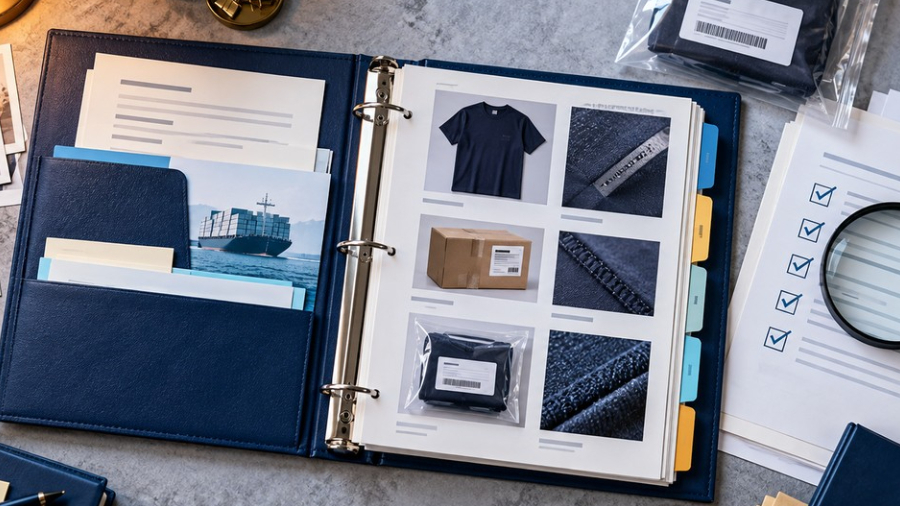
Importing goods is not only about paying the supplier and arranging transportation. When goods enter a country, customs authorities may collect tariffs, import duty, taxes, customs fees, and other shipping charges before the cargo can be released. This is why many importers ask how are tariffs collected and who is responsible for paying them.
Tariffs are usually collected during the customs clearance process. For U.S. imports, CBP explains that commercial imports are subject to entry requirements and payment of applicable duties, fees, and taxes, and the importer is ultimately responsible for paying duties owed on an import. (海关与边境保护局)
This guide explains how tariff collection works, what documents are involved, how import duty is calculated, how customs fees are paid, and how importers can avoid delays, penalties, and unexpected costs.
What Are Tariffs on Imports?
Tariffs are taxes or duties applied to imported goods. They are usually collected by customs authorities when goods enter the destination country. Tariffs may be used for revenue collection, trade policy, or protection of domestic industries, but for importers, the main concern is how tariffs affect landed cost.
In practical logistics, tariffs are part of the customs clearance process. They are separate from freight charges, port handling fees, warehouse charges, and final delivery costs. However, all these items affect the total cost of importing goods.
Importers often see several related terms:
Import duty
Customs fees
Import taxes
Tariffs
Government processing fees
Brokerage fees
Shipping charges
These terms are connected, but they are not always the same. Import duty usually refers to the duty rate applied to the customs value of goods. Customs fees may include government fees or service fees related to customs entry. Shipping charges are transportation-related costs, such as ocean freight, air freight, trucking, destination handling, and delivery.
To understand how are tariffs collected, it is important to know that customs authorities do not usually collect tariffs randomly after delivery. In most cases, duties and taxes must be calculated and arranged during import entry before the goods are released.
Who Pays Tariffs on Imported Goods?
The party responsible for paying tariffs is usually the importer of record. The importer of record is the person or business responsible for ensuring that imported goods comply with customs laws, are properly declared, and that applicable duties, taxes, and fees are paid.
CBP states that the importer is ultimately responsible for paying duty owed on an import. A customs broker can assist with the entry process, but the importer remains responsible for accurate information and payment obligations. (海关与边境保护局)
In business shipping, who pays may also depend on the trade term agreed between buyer and seller.
Under FOB, the buyer usually pays import duty and customs fees at the destination.
Under EXW, the buyer usually handles most shipping responsibilities, including import duty.
Under CIF, the seller may pay freight and insurance to the destination port, but the buyer usually pays import duty and destination-side charges.
Under DDP, the seller or logistics provider may include duty and tax payment in the delivered price.
The key point is that the trade agreement should clearly define responsibility. If a shipment is not DDP, the buyer should expect to pay import duty and customs fees separately.
How Are Tariffs Collected During Customs Clearance?
The process of how are tariffs collected usually begins when the shipment arrives at the destination country or before arrival through pre-arrival filing. The importer or customs broker submits an entry to customs, declaring the goods, value, origin, classification, and shipment details.
The customs entry typically includes:
Commercial invoice
Packing list
Bill of lading or air waybill
Importer information
Product description
Country of origin
Customs value
Tariff classification code
Freight and insurance details if needed
Any required permits or certificates
Customs uses this information to determine whether the goods are admissible and what duties, taxes, or fees apply. The duty amount is usually based on product classification, customs value, and country of origin.
Once the entry is filed and duties are calculated, payment is arranged. In many commercial shipments, the customs broker may advance payment or arrange payment through an importer account, bond, or payment system, then bill the importer. Customs brokers are licensed and regulated to assist importers with entry, classification, valuation, payment of duties, taxes, and other charges. (贸易局)
After customs accepts the entry and any required payments or holds are resolved, the cargo can be released. If duties are not paid or documents are incorrect, release may be delayed.
How Import Duty Is Calculated
Import duty is usually calculated based on the customs value of the goods and the applicable duty rate. The duty rate depends on the product’s tariff classification.
A simple duty calculation formula is:
Customs Value × Duty Rate = Estimated Import Duty
For example, if the customs value is $20,000 and the duty rate is 5%, the estimated import duty is:
$20,000 × 5% = $1,000
However, this is only a simplified example. Some products may have specific duties based on quantity, weight, unit count, or other measures. Some goods may also be subject to additional tariffs or taxes depending on country of origin, product type, or current trade rules.
A proper duty calculation should include:
Correct product classification
Accurate customs value
Country of origin
Applicable duty rate
Additional tariffs if applicable
Government fees
Customs broker fees
Possible inspection or storage costs
Importers should not guess the duty rate. Product descriptions should be accurate, and the tariff classification should be reviewed before the shipment arrives. Different products can have very different duty rates, even if they look similar.
Customs Fees, Taxes, and Shipping Charges
When importers ask how are tariffs collected, they often confuse tariffs with all import-related charges. Tariffs are only one part of the import cost.
Customs fees may include government processing fees, entry-related fees, or service fees charged by a customs broker. Taxes may include import taxes or other government charges depending on the destination country and product type. Shipping charges include freight, destination handling, delivery, storage, and other logistics costs.
For a complete landed cost estimate, importers should calculate:
Product cost
International freight
Cargo insurance
Import duty
Import taxes
Customs fees
Customs broker service fee
Port or airport handling
Warehouse fees
Final delivery
Possible storage or inspection fees
For U.S. imports, CBP notes that the user fee and amount collected can depend on entry type and transportation mode. (help.cbp.gov) This means importers should not assume every shipment has the same customs-related cost structure.
A complete quote should clearly state which charges are included and which are not. If the freight quote only covers ocean shipping, the importer may still need to pay customs duty, taxes, customs broker fees, and local delivery separately.
Role of Customs Brokers in Tariff Collection
A customs broker helps importers complete customs clearance. The broker can prepare and submit entry documents, assist with tariff classification, calculate duties, coordinate customs questions, and arrange payment of applicable duties and fees.
Customs brokers are useful because import regulations can be complex. A broker understands entry requirements, documentation, product classification, customs valuation, and payment procedures.
A broker may help with:
Reviewing commercial documents
Confirming product descriptions
Identifying tariff classification
Calculating import duty
Filing customs entry
Arranging duty payment
Coordinating cargo release
Communicating with customs authorities
However, the importer should not assume the broker is responsible for everything. The importer must still provide accurate product information, values, origin details, and documents. If the importer provides wrong information, customs issues may still occur.
A freight forwarder may arrange transportation, but a customs broker handles the customs entry side. In many shipments, both parties work together to move and clear cargo.
Real-Life Example: Standard Commercial Import
Imagine an importer buys packaged goods from overseas. The commercial invoice value is $50,000. The goods are shipped by ocean freight and arrive at the destination port.
Before release, the customs broker files the import entry using the invoice, packing list, bill of lading, product description, tariff classification, and country of origin. After classification is confirmed, the applicable duty is calculated.
If the duty rate is 4%, the estimated import duty is:
$50,000 × 4% = $2,000
The importer also pays customs broker service fees, destination port charges, and final delivery costs. Once customs accepts the entry and the payment process is complete, the cargo can be released for delivery.
This example shows that tariffs are collected during customs clearance, not after the importer has freely taken possession of the goods.
Real-Life Example: DDP Shipment
A small buyer chooses DDP shipping because they want a simple delivery solution. Under DDP, the seller or logistics provider includes import duty, taxes, customs clearance, freight, and final delivery in the quote.
The buyer does not pay customs directly because the duty is already included in the DDP arrangement. However, someone in the logistics chain still has to handle customs entry and duty payment.
This example shows that even when the buyer does not pay customs separately, tariffs are still collected. They are simply built into the DDP price.
The buyer should still confirm what the DDP quote includes. Some DDP quotes may include standard duties but exclude customs inspection, storage, remote delivery, or special handling.
Real-Life Example: Unexpected Customs Fees
An importer receives a low freight quote and assumes it includes all import costs. The goods arrive at port, but the buyer learns that the quote only covered ocean freight. The buyer still needs to pay import duty, customs broker fees, destination handling, and final delivery.
This situation happens when importers do not separate freight charges from customs charges. The ocean freight provider moved the cargo, but customs still requires proper entry and duty payment before release.
The lesson is simple: always ask whether the quote includes duties, taxes, customs fees, and delivery. If not, calculate those items separately.
First, identify the correct product classification before shipping. Tariff rates depend on classification, so do not wait until the cargo arrives.
Second, prepare accurate commercial documents. The invoice, packing list, bill of lading, product description, and declared value should be consistent.
Third, confirm the importer of record. This party is responsible for import compliance and duty payment.
Fourth, ask whether the shipment is DDP, FOB, CIF, DAP, or EXW. Trade terms affect who pays tariffs.
Fifth, request a landed cost estimate before placing an order. Include product cost, freight, duty, taxes, customs fees, and delivery.
Sixth, work with a customs broker if the shipment is commercial, high-value, regulated, or complex.
Seventh, check whether additional tariffs or special taxes apply. Tariff rules can vary by product and origin.
Eighth, keep records. Import documents may be needed for audits, accounting, or future shipments.
Ninth, avoid undervaluing goods. Incorrect customs value can create penalties, delays, or compliance issues.
Tenth, confirm payment timing. Cargo may not be released until duties and required fees are properly handled.
One common mistake is thinking shipping charges include tariffs. Freight charges and import duties are different unless the quote clearly says duties are included.
Another mistake is using vague product descriptions. Customs classification requires accurate product details.
A third mistake is waiting until cargo arrives to check duty rates. This can create surprise costs and pricing problems.
A fourth mistake is assuming the supplier pays tariffs under all trade terms. In many cases, the buyer pays unless the agreement is DDP or otherwise clearly arranged.
A fifth mistake is ignoring customs fees. Even if duty is low, brokerage, processing, inspection, and delivery charges may still affect landed cost.
A sixth mistake is not keeping records. Importers should save invoices, packing lists, entry documents, duty receipts, and delivery records.
A seventh mistake is relying only on old duty information. Tariff rules can change, so importers should verify before shipping.
How Tariff Collection Affects Landed Cost
Tariff collection directly affects landed cost. Landed cost is the total cost of getting goods from the supplier to the final destination, including all freight and import-related costs.
A practical landed cost formula is:
Product Cost + Freight + Insurance + Import Duty + Taxes + Customs Fees + Delivery = Landed Cost
For pricing decisions, importers should also calculate landed cost per unit:
Total Landed Cost ÷ Number of Units = Landed Cost Per Unit
This helps determine whether the product remains profitable after all import expenses.
For example, if the product cost is low but tariffs and shipping charges are high, the final cost per unit may not be competitive. Importers should calculate landed cost before confirming large orders.
Conclusion
Understanding how are tariffs collected helps importers manage customs clearance, import duty, customs fees, taxes, and shipping charges more effectively. Tariffs are usually collected during the import entry process before cargo is released. The importer of record is typically responsible for ensuring accurate declaration and payment of applicable duties and fees.
A customs broker can help file entries, calculate duties, and arrange payment, but importers must still provide accurate product information, customs value, origin details, and documents.
The most important lesson is that tariffs are part of landed cost planning. Importers should not look only at freight charges or supplier prices. By confirming trade terms, calculating duties early, preparing documents correctly, and working with experienced logistics and customs partners, businesses can avoid surprises and import goods with better cost control.
FAQ
How are tariffs collected on imports?
Tariffs are usually collected during customs clearance. The importer or customs broker files an import entry, customs calculates duties and fees, payment is arranged, and the goods are released after requirements are met.
Who pays import duty?
The importer of record is usually responsible for paying import duty. Under DDP shipping, the seller or logistics provider may include duty payment in the delivered price.
Are customs fees the same as tariffs?
No. Tariffs are duties applied to imported goods. Customs fees may include processing fees, broker fees, inspection fees, or other charges related to customs clearance.
 English
 Deutsch
 Português
 العربية
 中文
中文


 25 Sep