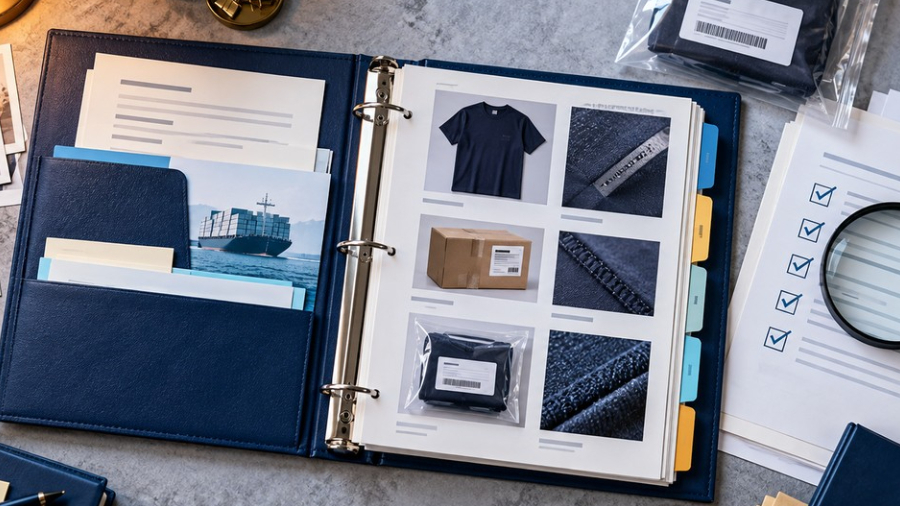
For businesses moving large commercial shipments, full container shipping china to usa is one of the most practical and cost-efficient logistics methods available. It is widely used by wholesalers, manufacturers, distributors, project buyers, and importers that need to move bulk cargo on a regular basis. Instead of sharing space with other shippers, the importer books an entire container and uses it for one shipment. This gives more control over loading, handling, transit planning, and final delivery. The Federal Maritime Commission notes that vessel-operating common carriers and NVOCCs operating in U.S. trades are required to publish tariffs showing all rates, charges, classifications, rules, and practices, which underscores how structured and commercially significant container shipping is in U.S. trade.
Still, full container shipping is not automatically the right answer for every shipment. It works best when cargo volume, cargo type, budget, and timing all align with the economics of container use. Importers also need to understand customs procedures, inland delivery planning, and the possibility of post-arrival charges such as detention or demurrage. CBP states that commercial imports may be subject to duties, taxes, and fees, and that importers should understand procedures before importing. The FMC also continues to oversee detention and demurrage billing requirements under OSRA implementation, which matters for containerized imports.
This guide explains how full container shipping china to usa works, when it makes sense, how it compares with other shipping methods, and what importers should watch for to get the best results.
What Full Container Shipping Means
Full container shipping means one importer books the full use of a container for a shipment, rather than sharing space with other cargo owners. In practical terms, this usually means the cargo is loaded as one dedicated movement from origin to destination. It does not necessarily require the container to be filled to absolute physical maximum, but it should be commercially large enough that dedicated container use is more efficient than shared shipping.
This method is often called full container load or FCL. It is most suitable for larger commercial shipments where cargo volume is high enough to justify a dedicated container. Because the cargo is not mixed with other importers’ goods, it usually benefits from fewer handling points and simpler shipment control. For many businesses, full container load usa planning becomes the natural next step once shipment volume grows beyond what is efficient in shared container arrangements.
How Full Container Shipping Works
Cargo preparation at origin
The process starts at the supplier, factory, or origin warehouse in China. The importer confirms product details, carton counts, weights, dimensions, and loading plans. Since the cargo will move in one dedicated container, origin preparation is especially important. If the goods are packed inefficiently, container space may be wasted. If loading is poorly planned, cargo stability and unloading efficiency can suffer.
Container freight booking
Once the cargo is ready, the container freight booking is made. At this stage, the shipper or forwarder secures the container movement and sailing schedule. FMC tariff publication rules reinforce that rates, charges, classifications, and rules must be visible in the U.S. trade environment, which highlights how important quotation and booking terms are for ocean freight planning.
Export handling and loading
The cargo is moved to the export side, loaded into the container, and prepared for departure. Because the shipment is dedicated to one importer, the loading plan can be tailored to the cargo type, packaging strength, and delivery requirements.
Ocean transport
The loaded container moves by sea from China to the United States. This is the core ocean transport leg. It is slower than air freight, but it is typically much more economical for larger volumes.
Customs release and final delivery
Once the container arrives in the United States, customs procedures begin. CBP’s trade guidance emphasizes importer responsibility for entry, duties, taxes, and fees. After release, the container or unloaded cargo continues to the final warehouse or distribution point.
Advantages of Full Container Shipping
Better cost efficiency for large shipments
The main benefit of full container shipping china to usa is cost efficiency for larger volumes. When the shipment is big enough, dedicated container use often lowers the per-unit freight cost compared with repeatedly moving smaller shared shipments.
Fewer handling points
Because the container is dedicated to one importer, there is generally less consolidation and deconsolidation compared with shared cargo. Fewer handling points often mean lower damage risk and smoother warehouse receiving later.
More control over container usage
The importer has more flexibility in how the container is packed. This matters for fragile goods, project cargo, heavy items, or products with special unloading priorities.
Better fit for regular replenishment
For businesses with predictable monthly or quarterly volume, FCL becomes a strong long-term strategy. It supports stable bulk-cargo movement and better logistics planning.
Disadvantages of Full Container Shipping
Not ideal for smaller shipments
If cargo volume is too small, booking a full container may waste space and raise the effective cost per unit. In that situation, shared shipping may be more practical.
Slower than air freight
Ocean shipping takes longer, so importers must plan inventory earlier. If demand forecasting is weak, the company may still be forced into urgent air freight later.
Post-arrival cost exposure
FCL imports can face extra charges if containers are not moved or returned on time after arrival. FMC materials and OSRA implementation guidance show why detention and demurrage billing remain important operational risks in U.S. ocean shipping.
Requires better loading discipline
A full container gives more control, but that also means the shipper must plan loading carefully. Poor loading can damage cargo or make unloading inefficient.
When Full Container Shipping Makes Sense
Bulk inventory replenishment
This method works well when the importer is moving enough goods to justify a full container and wants lower cost per unit.
Heavy or bulky cargo
Products that are large, dense, or awkwardly shaped often work better in dedicated container space than in shared cargo arrangements.
Stable buying cycles
If the business has regular purchasing patterns, FCL can support more predictable supply chain planning.
Multi-product wholesale shipments
When an importer buys a wide product mix in larger quantity, container usage becomes more efficient, especially if different cartons can be loaded strategically into one box.
Real-World Style Examples
Example one: wholesale importer scaling up
A business begins by using shared ocean shipping because order volume is still modest. After sales grow, each shipment becomes large enough that a full container load usa model reduces the average freight cost. The importer also benefits from better unloading flow because the entire container belongs to one shipment program.
Example two: furniture or bulky goods
An importer handling large boxed items finds that shared shipping creates too much handling and too many mixed-cargo delays. Switching to full container shipping china to usa lowers handling complexity and makes receiving more predictable.
Example three: mixed-product industrial order
A buyer imports multiple categories of industrial supplies from one sourcing region. By consolidating the goods into one full container, the company lowers repeated handling charges and improves bulk-cargo efficiency.
Comparison with Other Shipping Methods
Full container vs less than container load
Less than container load is usually better for smaller shipments that do not justify a full container. Full container shipping is usually better once volume is high enough to make dedicated container usage more economical.
Full container vs air freight
Air freight is much faster, but much more expensive for large cargo. FCL is generally better for bulk cargo and stable inventory planning. Air is better for urgent or high-value shipments where speed matters more than the lowest freight cost.
Full container vs express shipping
Express shipping is practical for small urgent shipments, samples, and documents. It is not suitable for large-scale commercial replenishment where a full container is the more logical choice.
Full container vs intermodal inland solutions
Rail is not usually the primary international method from China to the USA, but inland intermodal rail may be used after the ocean leg. This means full container shipping can still connect effectively with inland U.S. distribution networks once the container lands.
Cost Factors in Full Container Shipping
Container size and fill efficiency
The more efficiently the cargo uses container space, the stronger the freight economics. Poor packing can make a full container less cost-effective than expected.
Origin and destination location
Factory distance from the export gateway and final U.S. delivery distance both affect total landed cost.
Customs duties and fees
CBP says importers are responsible for duties, taxes, and fees, and that duty determination begins with identifying the correct HTS code. So freight cost alone is not enough for real planning.
Post-arrival billing risk
Detention and demurrage exposure can materially change total cost if the container is not picked up, unloaded, or returned efficiently. FMC’s 2024 final rule on detention and demurrage billing practices, referenced in later FMC materials, shows this remains an important regulated issue.
Practical Tips for Using Full Container Shipping Efficiently
Load the container around the delivery plan
Do not think only about fitting the goods in. Think about what needs to come out first at destination and how the warehouse will unload it.
Improve carton and pallet design
Strong cartons and smart loading patterns improve container stability and reduce cargo risk.
Watch rate validity and quotation terms
Since ocean tariffs must publish rates, charges, rules, and practices, importers should pay close attention to quotation terms, not just the main freight line.
Prepare customs documents early
CBP strongly recommends that importers understand procedures before importing. Good invoices, packing lists, and product descriptions help the process move more smoothly.
Plan container pickup and return
FCL does not end when the vessel arrives. The container still needs pickup, unloading, and return planning to avoid extra charges.
Use FCL when the shipment is truly big enough
Do not book a full container just because it sounds efficient. It must actually fit the shipment profile.
Common Mistakes to Avoid
Importers often create avoidable cost by:
-
booking a full container for cargo that is too small
-
loading inefficiently
-
ignoring customs and duty planning
-
focusing only on base freight
-
forgetting detention and demurrage exposure
-
planning pickup too late after arrival
-
using FCL for urgent cargo that actually needs air freight
Most of these issues are preventable through stronger planning.
For related planning, read Less Than Container Load Shipping China USA and Shipping Container Weight.
Conclusion
Full container shipping china to usa is one of the strongest methods for moving large, heavy, or commercially significant cargo across the Pacific. It offers better cost efficiency for scale, more control over loading, and fewer mixed-cargo handling points than shared shipping. For many wholesalers, manufacturers, and project importers, it becomes the natural choice as shipment size grows.
Still, FCL works best when it is used for the right cargo and managed carefully from origin to final delivery. Importers should think about loading, customs, duties, container usage, inland delivery, and post-arrival timing as one connected process. Businesses that do this well usually get the greatest benefit from full container shipping china to usa while avoiding the avoidable costs that can erode its value.
FAQ
What is the biggest advantage of full container shipping?
The biggest advantage is usually better cost efficiency for large shipments, plus more control over loading and fewer handling points.
When should an importer choose full container load usa instead of shared shipping?
When cargo volume is large enough that dedicated container space lowers the effective freight cost and improves shipment control.
Does full container shipping eliminate customs or post-arrival risks?
No. CBP still requires proper import compliance, and FMC-related issues such as detention and demurrage can still affect the shipment after arrival if the container is not moved efficiently.
 English
 Deutsch
 Português
 العربية
 中文
中文


 25 Sep