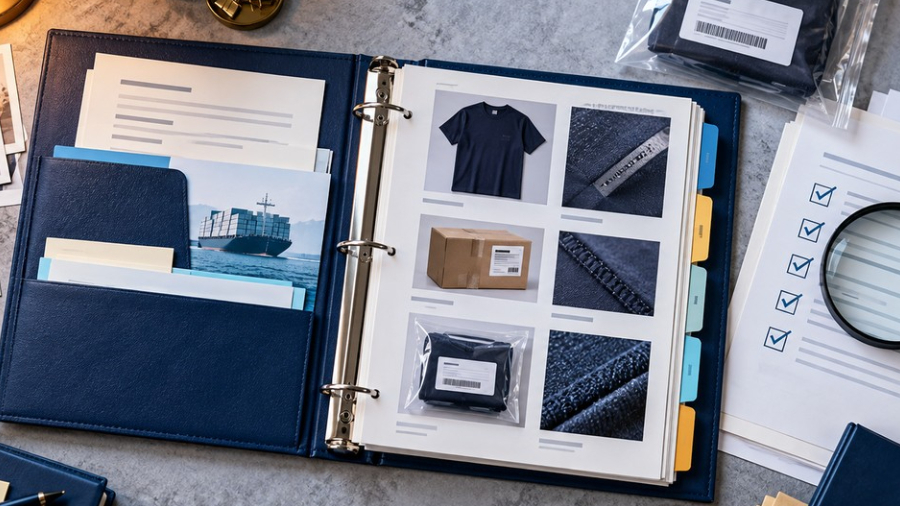
Shipping goods from China to Minneapolis requires careful planning because Minneapolis is an inland destination. Unlike coastal cities, most cargo must first enter the United States through a seaport or airport, then move inland by rail, truck, or a combined delivery system. For importers, understanding freight shipping china to minneapolis helps reduce delays, control transportation costs, and improve warehouse distribution planning.
Minneapolis serves many businesses that rely on stable import supply chains, but successful cargo shipping Minneapolis depends on the right shipping method, accurate customs documents, and a reliable inland cargo plan. This guide explains the main shipping options, key cost factors, and practical tips for efficient minneapolis import freight.
Shipping Methods from China to Minneapolis
The most common options for freight shipping china to minneapolis are sea freight, air freight, and multimodal shipping.
Sea freight is usually the most cost-effective method for large or heavy shipments. Cargo leaves China by ocean vessel, arrives at a U.S. port, clears customs, and then moves inland to Minneapolis by rail or truck. This method is best for bulk cargo, planned inventory, and shipments that are not highly urgent.
Air freight is faster but more expensive. Goods move from China by air to a U.S. airport, clear customs, and then continue by trucking route to the final warehouse. Air freight is suitable for urgent inventory, smaller shipments, high-value goods, or time-sensitive cargo.
Multimodal shipping combines ocean freight, rail, and trucking. For Minneapolis import freight, this is often a practical choice because the city is inland. Cargo may arrive at a coastal port, transfer by rail to an inland hub, and then complete final delivery by truck.
The best method depends on cargo size, delivery deadline, budget, and warehouse receiving requirements.
Key Considerations for Shipping to Minneapolis
The first major consideration is total cost. Importers should not only compare the international freight rate. A complete shipping budget should include supplier pickup, export handling, ocean or air freight, customs clearance, destination handling, inland cargo transfer, trucking, and final warehouse delivery.
Transit time is also important. Sea freight takes longer because it includes ocean transit, port unloading, customs processing, inland transfer, and delivery scheduling. Air freight can reduce delivery time, but the cost may be much higher.
Customs clearance must be prepared before the cargo arrives. Importers need accurate commercial invoices, packing lists, product descriptions, declared values, and transport documents. Mistakes can delay release and increase storage charges.
Inland logistics are especially important for freight shipping china to minneapolis. Since the city is not a direct seaport destination, cargo must move through rail or truck after arrival. The final trucking route, warehouse appointment, unloading conditions, and delivery schedule all affect the final timeline.
Packaging also matters. Strong cartons reduce damage risk, while accurate weight and dimensions help avoid billing changes. For warehouse distribution, clean labeling and organized cartons can improve receiving efficiency.
Best Practices for Efficient Minneapolis Import Freight
Start planning before goods are ready. Early logistics planning gives importers more shipping options and helps avoid expensive last-minute decisions.
Use sea freight for large planned shipments. If delivery is not urgent, sea freight combined with inland trucking or rail can reduce the cost per unit.
Use air freight only when speed is worth the cost. For urgent orders, air freight can prevent stockouts, but it should be used carefully to protect margins.
Consolidate shipments when possible. If goods come from multiple suppliers, consolidation can reduce repeated handling and improve cargo efficiency.
Prepare documents early. Customs clearance is faster when invoices, packing lists, and product details are complete and consistent.
Confirm warehouse receiving details. Before delivery, check address, receiving hours, unloading equipment, appointment rules, and contact information.
Track the shipment from pickup to final delivery. Active tracking helps importers manage port arrival, customs release, inland cargo movement, and final warehouse distribution.
Common Challenges in Cargo Shipping Minneapolis
One common challenge is underestimating inland delivery cost. Shipping to a port is only part of the route. Rail transfer, trucking route selection, warehouse handling, and final delivery can add meaningful cost.
Another issue is poor timing. If cargo arrives before the warehouse is ready, storage fees may occur. If it arrives too late, the importer may face inventory shortages.
Customs documentation problems can also cause delays. Vague product descriptions, incorrect values, or mismatched carton details may trigger customs questions.
Weather and inland transportation conditions may also affect delivery schedules, especially during busy logistics periods. Importers should build reasonable time buffers into their cargo plan.
Cost Control Tips for Freight Shipping China to Minneapolis
Compare door-to-door pricing instead of only port-to-port rates. This gives a clearer view of total cost.
Choose the shipping method based on urgency. Sea freight is usually best for planned cargo, while air freight should be reserved for urgent shipments.
Optimize packaging to reduce wasted space and damage risk. Compact, strong packaging improves freight efficiency.
Review shipment data after delivery. Compare estimated cost with actual cost to identify repeated extra charges.
Use a realistic cargo plan. A strong plan should include production timing, shipping method, customs clearance, inland delivery, and warehouse receiving.
For related planning, read China to USA Shipping Time and Shipping Cost from China to USA.
Conclusion
Freight shipping china to minneapolis requires a complete logistics plan because Minneapolis is an inland destination. Importers must consider international shipping, customs clearance, inland cargo transfer, trucking route planning, warehouse handling, and final distribution.
Sea freight is usually the best option for larger planned shipments, while air freight is useful for urgent or high-value cargo. Multimodal shipping can balance cost and speed for many importers.
By preparing documents early, consolidating cargo, optimizing packaging, and confirming warehouse delivery requirements, businesses can make cargo shipping Minneapolis more predictable and cost-effective.
FAQ
How long does freight shipping from China to Minneapolis take?
Transit time depends on the shipping method. Air freight is faster, while sea freight takes longer because it includes ocean transit, customs clearance, inland transfer, and final trucking.
What is the best shipping method for Minneapolis import freight?
Sea freight is usually best for large and non-urgent cargo. Air freight is better for urgent shipments. Multimodal shipping can provide a balance between cost and delivery time.
Why is inland cargo planning important for Minneapolis?
Minneapolis is inland, so cargo must move from a U.S. port or airport to the final warehouse by rail, truck, or combined transport. This affects both cost and delivery time.
 English
 Deutsch
 Português
 العربية
 中文
中文


 25 Sep