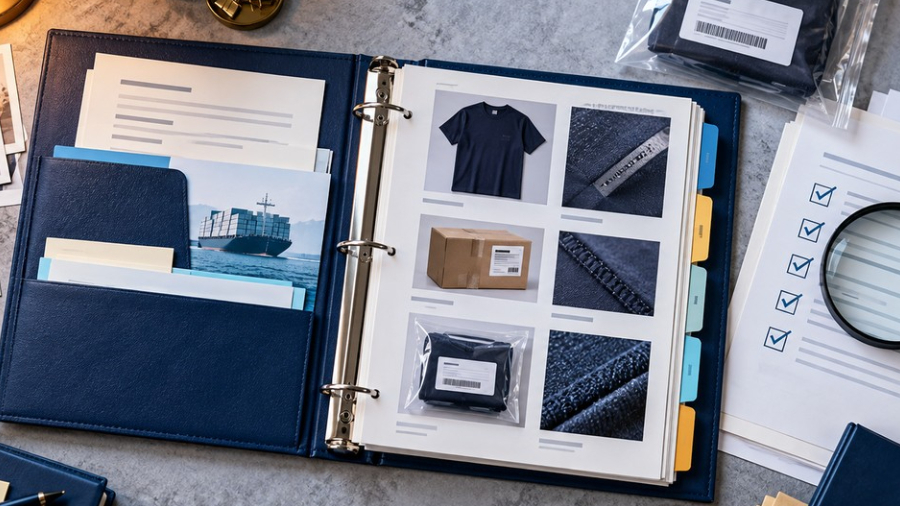
Freight shipping from China to Milwaukee requires careful planning because Milwaukee is an inland U.S. destination. Cargo usually arrives through a major seaport or airport first, then continues through inland delivery to Wisconsin. For importers, understanding freight shipping china to milwaukee can help control costs, reduce delays, and improve cargo distribution efficiency. This guide explains common shipping methods, customs considerations, inland transport, logistics chain planning, and practical tips for businesses importing goods to Milwaukee.
Shipping Methods from China to Milwaukee
The most common method for freight shipping china to milwaukee is sea freight combined with inland delivery. Cargo can move from a Chinese port to a U.S. port, then continue by truck or rail-supported transport to Wisconsin. This option is suitable for large-volume cargo, heavy goods, commercial inventory, packaging materials, equipment parts, and general business shipments.
Sea freight is usually the most cost-effective choice for bulk cargo. Importers can choose full container load when they have enough cargo to fill a container, or less than container load when the shipment is smaller. Full container load offers better control and fewer handling steps, while less than container load provides flexibility for smaller importers.
Air freight is another option when speed matters. Cargo can fly from China to a major U.S. airport and then move by truck to Milwaukee. Air freight is faster than sea freight, but it is usually more expensive. It is suitable for urgent goods, samples, high-value products, replacement parts, or time-sensitive inventory.
Express shipping can be used for small parcels, documents, and urgent lightweight shipments. However, it is not ideal for large commercial cargo because costs increase quickly as weight and volume grow.
For cargo shipping Milwaukee, the right method depends on cargo size, delivery deadline, product value, and total logistics budget.
Key Considerations for Shipping to Milwaukee
Because Milwaukee is not a direct coastal destination, importers must include inland transport in their shipping plan. The total cost is not limited to international freight. It may also include customs clearance, port handling, warehouse transfer, inland delivery, appointment fees, and final cargo handling.
Customs documentation is very important. Importers should prepare a commercial invoice, packing list, transport document, product description, declared value, and consignee information. Any mismatch between documents and actual cargo may cause customs delay or additional inspection.
Delivery time depends on the selected shipping method. Sea freight is slower but usually cheaper for larger shipments. Air freight is faster but more expensive. Express shipping is simple for small shipments but not suitable for bulk freight.
Packaging also matters. Cargo may be handled at multiple points, including origin warehouse, port, destination terminal, customs facility, truck transfer, and final warehouse. Strong cartons, stable pallets, clear labels, and proper protection help reduce damage.
For wisconsin import freight, importers should also confirm delivery requirements before cargo arrives. Some warehouses require appointments, loading docks, forklifts, or limited receiving hours.
Inland Delivery and Logistics Chain Planning
Inland delivery is a key part of freight shipping china to milwaukee. After goods arrive in the United States, they must move through the domestic logistics chain before reaching the final destination.
For full container shipments, cargo may move directly to the importer’s warehouse or distribution center. For smaller shipments, goods may be unloaded, separated, and delivered through a local or regional cargo distribution network.
Logistics chain planning should include the arrival port or airport, customs release time, inland trucking route, delivery appointment, unloading conditions, and final receiving process.
If the shipment is large or time-sensitive, importers should confirm truck availability early. If the final destination has special receiving rules, these should be shared with the logistics provider before dispatch.
Good inland delivery planning can reduce failed delivery attempts, storage fees, and extra handling costs.
Best Practices for Efficient Shipping
Plan early. Since Milwaukee requires inland delivery, importers should add extra time after port or airport arrival.
Choose the correct shipping method. Use sea freight for large and non-urgent shipments, air freight for urgent cargo, and express shipping for small parcels or samples.
Review documents carefully. Product descriptions, quantities, values, carton counts, and consignee details should be accurate and consistent.
Compare total landed cost. A low international freight quote may not include inland delivery, customs clearance, warehouse handling, or final delivery services.
Prepare strong packaging. Cargo may travel through several handling points, so packaging should support damage prevention.
Confirm destination requirements. Check whether the delivery location needs an appointment, forklift, loading dock, liftgate, or specific receiving time.
Track key milestones. Important stages include supplier pickup, export clearance, departure, U.S. arrival, customs release, inland transfer, and final delivery.
For cargo shipping Milwaukee, smooth coordination between supplier, freight provider, customs team, and receiving warehouse is essential.
Practical Example
A business importing 700 cartons of commercial goods from China to Milwaukee may choose sea freight to a U.S. port, followed by inland truck or rail-supported delivery to Wisconsin. This method helps reduce unit cost and supports stable inventory planning.
Another importer with urgent replacement parts may choose air freight because waiting for ocean shipping could interrupt operations. Although air freight costs more, it can reduce business risk.
A small importer shipping only several pallets may use less than container load freight. This provides flexibility, but the importer should allow extra time for consolidation, customs clearance, and inland delivery.
These examples show that freight shipping china to milwaukee should be planned based on cargo volume, urgency, cost target, and delivery requirements.
For related planning, read China to USA Shipping Time and Shipping Cost from China to USA.
Conclusion
Freight shipping from China to Milwaukee requires more than choosing a freight rate. Importers need to consider shipping method, customs documentation, inland delivery, cargo distribution, packaging, and final warehouse requirements. Sea freight is usually the best option for large-volume cargo, while air freight works better for urgent or high-value shipments.
Because Milwaukee is an inland destination, logistics chain planning plays an important role in cost control and delivery reliability. By preparing documents early, choosing the right shipping method, confirming receiving conditions, and tracking each milestone, businesses can improve efficiency and reduce shipping risks.
FAQ
What is the best method for freight shipping China to Milwaukee?
Sea freight plus inland truck or rail-supported delivery is usually best for large shipments. Air freight is better for urgent or high-value cargo.
Why is inland delivery important for Milwaukee imports?
Milwaukee is an inland destination, so cargo usually needs domestic transport after arriving at a U.S. port or airport.
How can importers reduce cargo shipping Milwaukee costs?
Importers can reduce costs by planning early, using sea freight for non-urgent cargo, consolidating shipments, preparing accurate documents, and confirming final delivery requirements.
 English
 Deutsch
 Português
 العربية
 中文
中文


 25 Sep