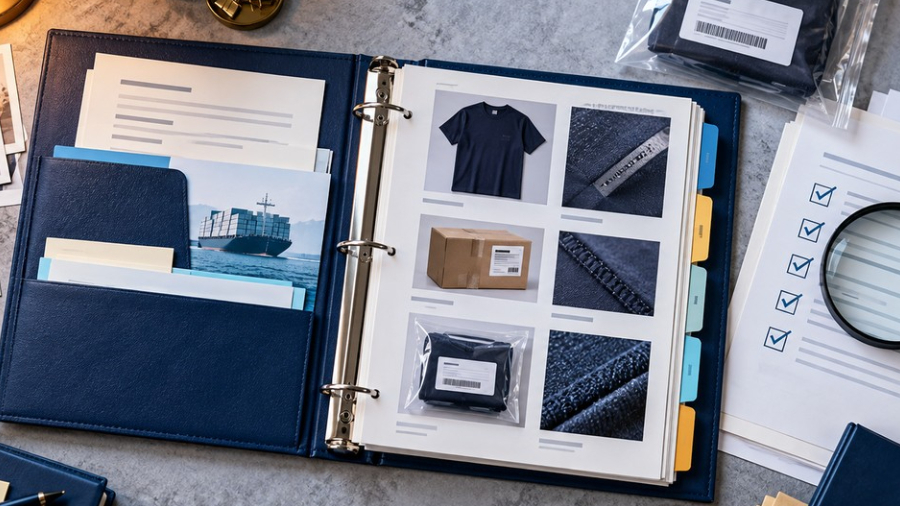
Freight shipping from China to Baltimore can give importers a practical East Coast entry point for cargo destined for Maryland, Washington, D.C., Pennsylvania, Virginia, and other Mid-Atlantic markets. The route can support full containers, consolidated ocean freight, air cargo, and time-sensitive express shipments. The best option depends on cargo volume, urgency, product requirements, and the final delivery address.
A reliable shipment is not just a port-to-port booking. Origin pickup, export handling, customs documents, U.S. import clearance, terminal release, drayage, and final delivery must work as one plan. This guide explains how to choose a shipping method, prepare the required information, control avoidable charges, and keep freight moving after it reaches the Baltimore area.
Why Baltimore Matters for China Imports
Baltimore is well positioned for importers serving the Mid-Atlantic. Ocean cargo arriving through the Port of Baltimore can connect with regional warehouses and distribution points by truck or rail, while air shipments can move through Baltimore/Washington International Thurgood Marshall Airport or another nearby gateway before final delivery.
The destination port should be selected according to the full supply chain, not only the lowest ocean rate. A route that looks inexpensive on the main freight leg may become costly if it adds long inland mileage, difficult warehouse appointments, or extra handling. When comparing Baltimore with other East Coast gateways, include the importer’s warehouse location, carrier schedule, available equipment, terminal conditions, and final-mile requirements.
Main Shipping Options from China to Baltimore
Full Container Load (FCL)
FCL is usually considered when one shipper has enough cargo to use most of a container or wants a dedicated container for operational reasons. It reduces consolidation handling because the cargo does not share container space with unrelated shipments. FCL can be suitable for larger commercial orders, palletized products, furniture, equipment, and cargo that benefits from fewer handling points.
Importers should confirm the container size, cargo weight, loading method, and whether the receiving site can unload the container. A warehouse without a dock or sufficient unloading equipment may require a transload, liftgate service, or another delivery arrangement.
Less than Container Load (LCL)
LCL allows smaller shipments to share container space. Charges are commonly influenced by volume, weight, origin handling, destination handling, and minimum shipment rules. It can be efficient for inventory replenishment or orders that do not justify a full container.
Because LCL cargo is handled during consolidation and deconsolidation, packaging and labeling deserve extra attention. Strong export cartons, pallet protection where appropriate, clear marks, and accurate carton counts help reduce damage and identification problems.
Air Freight
Air freight is useful when inventory is urgent, the goods have a high value relative to their weight, or a production delay has compressed the delivery schedule. The chargeable weight may be based on actual weight or dimensional weight, so lightweight but bulky cartons can cost more than expected.
A quote should identify the airport route, security and handling charges, customs-clearance arrangement, and delivery from the airport to the final address. Direct airport proximity does not automatically mean the fastest door-to-door result; flight availability and ground transfer planning also matter.
Express Courier
Courier service can be practical for samples, spare parts, documents, and small urgent parcels. It is easy to arrange but may not be the best choice for larger commercial cargo. Before booking, confirm product restrictions, declared value, customs responsibilities, and whether duties and taxes are included or billed separately.
Step-by-Step Shipping Process
1. Confirm Cargo and Delivery Details
Start with the product name, material, intended use, quantity, carton dimensions, gross weight, cargo value, pickup address in China, and exact delivery address near Baltimore. Identify batteries, liquids, magnets, chemicals, wood packaging, oversized pieces, or other characteristics that may require special handling.
2. Choose the Service Scope
Decide whether the shipment needs port-to-port, port-to-door, or door-to-door service. Clarify who handles pickup, export declaration, main transport, customs entry, duties, destination charges, and final delivery. Incoterms describe cost and risk responsibilities between buyer and seller, but they do not replace a detailed logistics scope.
3. Arrange Origin Pickup and Export Handling
The forwarder collects the cargo from the supplier or receives it at a consolidation warehouse. Carton counts, dimensions, weights, labels, and packaging should be checked before departure. If several suppliers are involved, a consolidation plan should include a receiving deadline and a method for identifying each supplier’s cargo.
4. Prepare Export and Transport Documents
The commercial invoice and packing list must match the actual shipment. After booking, the carrier or forwarder prepares the bill of lading for ocean freight or air waybill for air cargo. The shipper should review names, addresses, cargo descriptions, quantities, and routing information before documents are finalized.
5. Complete the Main Transport
Ocean freight may involve a direct service or transshipment at another port. Air freight may use a direct flight, connecting service, or truck transfer from a regional airport. The schedule should be treated as an estimate until the cargo departs, and importers should keep buffer time for schedule changes and peak-season congestion.
6. Prepare U.S. Customs Clearance
Customs preparation should begin before arrival. The importer of record and customs broker need enough time to review the product classification, country of origin, declared value, and any agency requirements. Certain products may be regulated by agencies in addition to U.S. Customs and Border Protection, so product-specific requirements should be checked before the supplier ships.
7. Coordinate Release and Final Delivery
After customs and terminal requirements are satisfied, the cargo can be released for drayage, deconsolidation, or delivery. The delivery party needs the receiving hours, appointment rules, dock availability, equipment requirements, and contact details. For containers, empty-return instructions and free-time deadlines must also be monitored.
Documents Commonly Required
The exact document set depends on the product and shipping method, but importers commonly prepare:
- A commercial invoice with seller, buyer, product description, quantity, value, currency, and country of origin.
- A packing list with carton or pallet counts, dimensions, net weight, gross weight, and packaging details.
- A bill of lading or air waybill showing the transport parties, routing, and cargo information.
- Importer and customs-broker authorization information.
- Product certificates, permits, test reports, or other records when the commodity requires them.
- Wood-packaging compliance information when solid wood packaging is used.
Descriptions such as “parts,” “accessories,” or “samples” are usually too vague for good customs preparation. A useful description states what the item is, what it is made from, and how it is used.
Customs, Duties, and Importer Responsibilities
The importer of record is responsible for the accuracy of the customs entry. Product classification, valuation, origin, and eligibility for any special treatment should be supported by the shipment records. The customs broker can prepare and file an entry, but the importer still needs to provide correct information.
Duties depend on the applicable classification and other details. Additional charges may include customs-broker service, bond costs, processing fees, exams, storage, and destination handling. Ask for a landed-cost estimate before shipping, but allow for costs that cannot be known until customs and terminal events occur.
Do not reduce declared values or alter product descriptions simply to seek a lower duty. Inconsistent records can create delays, corrections, penalties, and problems for later shipments.
What Determines the Total Shipping Cost?
A complete quote for freight shipping from China to Baltimore may contain several cost groups:
- Supplier pickup and origin warehouse handling.
- Export documentation and China-side port or airport charges.
- Ocean, air, or courier transportation.
- Fuel, security, or other carrier surcharges.
- U.S. customs clearance, bond, duties, taxes, and possible exam-related costs.
- Terminal, deconsolidation, drayage, chassis, or equipment charges.
- Final delivery, appointment, liftgate, residential, limited-access, or inside-delivery services when required.
For an accurate comparison, request the same service scope from each provider. A low base freight rate is not necessarily a low door-to-door cost if essential origin or destination charges are excluded.
Planning Transit Time
Transit time should be planned from cargo readiness to final delivery, not only from vessel departure to vessel arrival. The total schedule can include supplier pickup, warehouse receiving, consolidation, export procedures, main transport, customs clearance, terminal release, and delivery appointments.
Ask whether the quoted schedule is direct or includes transshipment, how frequently the service departs, and what happens if cargo misses the cutoff. For urgent stock, compare the commercial cost of a delay with the extra cost of air freight or a split shipment. Moving a small urgent portion by air while the balance travels by ocean can sometimes protect sales without upgrading the entire order.
Common Risks and How to Control Them
Incomplete Cargo Information
Estimated dimensions often change after warehouse measurement. Request final packed dimensions and weights from the supplier, and make sure the forwarder explains how a remeasurement affects the price.
Customs Holds or Document Questions
Late, vague, or inconsistent documents can delay release. Send the invoice, packing list, product information, and broker instructions early enough for review before arrival.
Demurrage, Detention, and Storage
These charges can grow quickly when cargo or equipment is not collected and returned within the allowed time. Track vessel arrival, customs status, terminal availability, delivery appointments, and empty-container return instructions as separate milestones.
Drayage and Receiving Problems
Port release is not the end of the shipment. A trucker may need an appointment, chassis, overweight permit, or special equipment. The receiving warehouse may have limited hours or reject unscheduled deliveries. Confirm these details before cargo arrives.
Damage or Shortage
Use packaging suited to international transport and multiple handling points. Record carton counts, photograph the packed goods, apply clear marks, and consider cargo insurance. Freight liability and cargo insurance are not the same, so review the coverage and exclusions before shipment.
Practical Ways to Improve Cost and Reliability
- Compare door-to-door totals rather than a single freight line.
- Consolidate compatible supplier orders when the savings exceed the extra handling and waiting time.
- Optimize carton dimensions and pallet patterns to reduce wasted space.
- Book with realistic cargo-ready dates and leave time for document review.
- Choose the gateway based on final delivery economics and operational reliability.
- Give the forwarder complete product and delivery information at the quotation stage.
- Track customs, terminal, trucking, and warehouse milestones instead of relying only on vessel tracking.
Example Shipping Scenarios
Regular Inventory Replenishment
A Maryland importer with several cubic meters of non-urgent goods may use LCL service to Baltimore and schedule delivery to a regional warehouse. The main priorities are reliable consolidation, clear destination charges, customs readiness, and a confirmed receiving appointment.
Large Seasonal Order
A retailer importing a container of seasonal merchandise may choose FCL and build a buffer around the selling date. The plan should include container unloading, drayage capacity, free-time monitoring, and a backup receiving option in case the primary warehouse cannot accept the scheduled delivery.
Urgent Production Component
A manufacturer facing a production shortage may ship a small quantity by air while the remaining order travels by ocean. The decision should compare the cost of air freight with the operational cost of a stopped production line.
Conclusion
Successful freight shipping from China to Baltimore depends on matching the transport method to the cargo and coordinating every step through final delivery. Importers should prepare accurate documents, confirm customs responsibilities, compare complete landed costs, and plan terminal and trucking activities before the shipment arrives.
DDpexpert can help coordinate China pickup, consolidation, international transport, customs-clearance support, and delivery planning for Baltimore-area shipments. A useful quotation starts with complete cargo details and a clear delivery scope.
FAQ
Is ocean or air freight better for shipping from China to Baltimore?
Ocean freight is generally suited to larger or less urgent cargo, while air freight is useful when speed or inventory availability matters more. Compare chargeable volume or weight, total door-to-door cost, and the required delivery date.
Should I use FCL or LCL?
FCL can reduce shared-container handling and may be economical for larger loads. LCL is often practical for smaller volumes. The best choice depends on the final packed volume, weight, handling sensitivity, timing, and destination charges.
What information is needed for a reliable quote?
Provide the product description, material, use, number of cartons or pallets, packed dimensions, gross weight, cargo value, pickup location, delivery address, cargo-ready date, and any special handling characteristics.
Who handles customs clearance in Baltimore?
The service scope should identify the importer of record and customs broker before shipment. The importer supplies accurate product and transaction information, while the broker prepares and files the entry based on that information.
How can I avoid unexpected destination charges?
Request an itemized door-to-door quote, verify exclusions, provide final cargo measurements, prepare customs documents early, and confirm delivery conditions. Some costs, such as customs exams or storage caused by a hold, cannot be guaranteed in advance.
 English
 Deutsch
 Português
 العربية
 中文
中文


 25 Sep