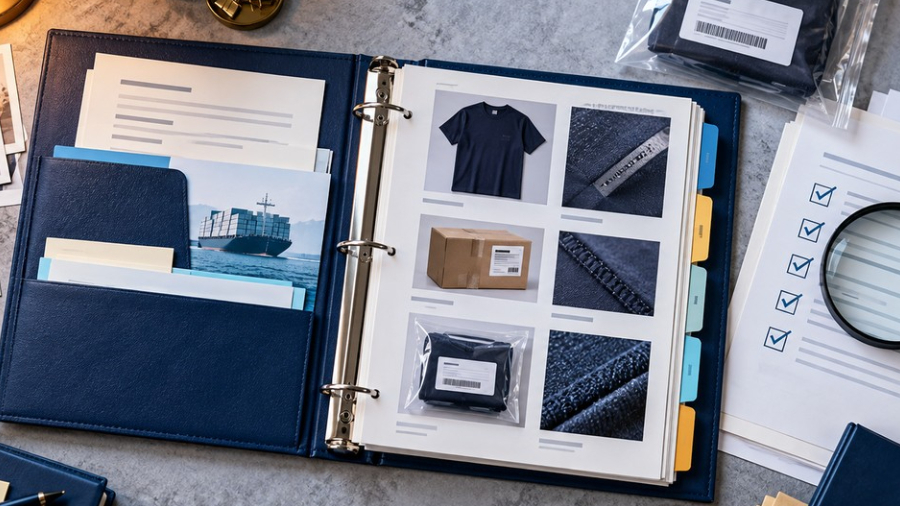
Importing goods can be confusing because international shipping involves many parties, including carriers, warehouses, trucking companies, customs authorities, freight forwarders, and customs brokers. Many importers search for freight forwarder vs broker because they are unsure who handles cargo movement and who handles customs clearance.
Although freight forwarders and customs brokers often work together, they do not have the same role. A freight forwarder mainly manages transportation and cargo handling, while a customs broker focuses on import compliance, customs entry, duty calculation, and clearance requirements. Understanding the difference helps importers avoid delays, choose the right service provider, and control shipping responsibilities more clearly.
What Is a Freight Forwarder?
A freight forwarder is a logistics service provider that arranges the movement of cargo from one location to another. The forwarder coordinates shipping routes, cargo booking, supplier pickup, warehouse handling, export documentation, international freight, and final delivery.
In simple terms, a freight forwarder acts as a logistics coordinator. It may not physically own ships, trucks, or aircraft, but it works with carriers and shipping agents to move cargo through the supply chain.
A freight forwarder can help with:
Sea freight booking
Air freight coordination
LCL and FCL shipment planning
Cargo pickup from suppliers
Warehouse consolidation
Export handling
Delivery scheduling
Shipment tracking
Cargo insurance support
Door-to-door shipping
For example, if an importer buys goods from a factory overseas, the freight forwarder may arrange pickup from the supplier, book ocean freight, coordinate export documents, track the shipment, and arrange delivery after arrival.
This is why the freight forwarder is usually responsible for transportation planning and cargo handling. The forwarder helps make sure goods move from origin to destination according to the shipping plan.
When comparing freight forwarder vs broker, the freight forwarder is usually the party managing the physical logistics process.
What Is a Customs Broker?
A customs broker is a specialist who helps importers clear goods through customs. For USA imports, a customs broker USA service focuses on customs entry, duty calculation, documentation, classification, and compliance with import rules.
A customs broker does not usually arrange the entire transportation process. Instead, the broker helps make sure the shipment meets customs requirements before it can legally enter the country.
A customs broker may help with:
Customs entry filing
HTS code classification support
Import duty calculation
Customs document review
Customs bond coordination
Communication with customs authorities
Compliance guidance
Customs release process
Import tax and fee support
For example, when a shipment arrives at a U.S. port, customs clearance is required before the goods can be released. The customs broker reviews the commercial invoice, packing list, bill of lading, product description, declared value, country of origin, and tariff classification. Then the broker helps file the customs entry and arrange payment of applicable duties and fees.
In the freight forwarder vs broker comparison, the broker is mainly responsible for customs clearance and import compliance.
Freight Forwarder vs Broker: Main Differences
The biggest difference between a freight forwarder and a customs broker is their core responsibility.
A freight forwarder moves cargo.
A customs broker clears cargo through customs.
The freight forwarder focuses on transportation, cargo coordination, and logistics workflow. The customs broker focuses on import rules, customs documents, tariff classification, and customs release.
A freight forwarder may coordinate shipping by sea, air, truck, rail-related inland transport, or express-style delivery. The forwarder chooses routes, books cargo space, arranges pickup, monitors transit, and schedules delivery.
A customs broker reviews import documents, submits customs entries, calculates duties, communicates with customs authorities, and helps the importer follow legal requirements.
Another key difference is timing. A freight forwarder may be involved from the beginning of the shipment, even before the cargo leaves the supplier. A customs broker becomes especially important when the cargo reaches the destination country and must go through customs clearance.
There is also a difference in expertise. Freight forwarders understand shipping schedules, freight rates, warehouse handling, cargo booking, and delivery planning. Customs brokers understand customs laws, duty calculation, product classification, entry filing, and import compliance.
This is why freight agent differences matter. Some businesses only need transportation help. Others need customs clearance support. Many importers need both.
Do You Need Both a Freight Forwarder and Customs Broker?
In many international shipments, yes, you may need both. The freight forwarder and customs broker often work together to complete the shipment.
For example, the freight forwarder may arrange sea freight from China to the USA. Once the cargo arrives, the customs broker USA service helps clear the goods through customs. After customs release, the forwarder or delivery provider arranges final trucking to the warehouse.
Some logistics companies offer both freight forwarding and customs brokerage support. In this case, the importer may work with one provider for a more complete service. However, even when one company coordinates both services, the responsibilities are still different.
You may need a freight forwarder if:
You need to ship goods internationally
You need sea freight, air freight, or door-to-door delivery
You need cargo pickup from suppliers
You need cargo consolidation
You need help comparing shipping methods
You need delivery coordination
You may need a customs broker if:
You are importing goods into the USA
You need customs clearance
You need duty calculation support
You need help with HTS codes
You need customs entry filing
You want to reduce compliance risk
If your shipment is small and simple, a combined service may be enough. If your shipment is high-value, regulated, complex, or frequent, working with experienced customs support becomes more important.
Practical Example: Importing by Sea Freight
Imagine a business imports 12 CBM of packaged goods by sea freight. The supplier is overseas, and the buyer wants delivery to a warehouse in the USA.
The freight forwarder arranges supplier pickup, export warehouse handling, LCL sea freight, cargo booking, shipment tracking, and destination delivery planning.
The customs broker reviews the commercial invoice, confirms product classification, files the customs entry, calculates duties and customs fees, and helps obtain customs release.
If the importer only uses a freight forwarder without customs support, the cargo may arrive but not be released smoothly. If the importer only uses a customs broker without freight coordination, the cargo may clear customs but transportation may be disorganized.
This example shows why the freight forwarder vs broker question is not about which one is better. It is about which role is needed at each stage of the shipment.
Practical Example: DDP Shipping
In DDP shipping, the seller or logistics provider may arrange freight, customs clearance, duties, and delivery as one combined service. This can be convenient for importers who do not want to manage separate providers.
However, even under DDP, the functions still exist. Someone still handles cargo movement, and someone still handles customs clearance. The importer should confirm whether customs duties, customs fees, final delivery, and special charges are included in the quote.
For small importers, DDP can simplify the process. For experienced importers, using a freight forwarder and customs broker separately may provide more cost transparency and control.
Practical Tips for Choosing the Right Provider
First, define your shipment needs. If you only need cargo movement, a freight forwarder may be enough. If your goods need import clearance, duty calculation, or customs entry, you need customs broker support.
Second, check the service scope. Do not assume a freight forwarder automatically includes customs brokerage. Ask whether customs clearance is included in the quote.
Third, confirm destination support. If you ship to the USA, make sure the provider can support customs broker USA requirements or coordinate with a qualified customs broker.
Fourth, ask for a cost breakdown. A freight quote may include transportation but not duties, taxes, customs fees, or final delivery. A customs broker quote may include entry filing but not freight movement.
Fifth, prepare accurate documents. Both freight forwarders and customs brokers need correct product information, packing lists, invoices, cargo value, origin details, and delivery instructions.
Sixth, clarify communication responsibilities. Ask who will update you during transit, who will handle customs questions, and who will coordinate delivery after release.
Seventh, compare total landed cost. Transportation cost and customs cost should be calculated together. A low freight quote may not be the best option if customs support is weak.
Eighth, choose experience over the lowest price. International shipping problems can become expensive. A reliable provider should explain risks clearly and respond quickly.
One common mistake is thinking a freight forwarder and customs broker are the same. They may work together, but their responsibilities are different.
Another mistake is assuming customs clearance is included in every freight quote. Some quotes only cover port-to-port or airport-to-airport transportation.
A third mistake is waiting until cargo arrives to arrange customs brokerage. Customs documents should be reviewed before the shipment reaches the destination.
A fourth mistake is using vague product descriptions. Customs brokers need accurate product details for classification and duty calculation.
A fifth mistake is comparing quotes without checking service scope. One provider may include cargo handling and delivery, while another only includes basic freight.
A sixth mistake is not asking about extra customs fees. Inspection, storage, document correction, or duty adjustments may increase the final cost.
A seventh mistake is ignoring compliance. Even if the shipment moves successfully, customs issues can still delay release if documents or classification are incorrect.
Conclusion
Understanding freight forwarder vs broker helps importers manage international shipping more effectively. A freight forwarder is responsible for transportation planning, cargo handling, cargo booking, route coordination, and delivery workflow. A customs broker focuses on customs clearance, import compliance, duty calculation, customs fees, and entry filing.
For many imports, especially USA shipments, both roles are important. The freight forwarder helps move the goods, while the customs broker helps legally clear the goods into the country. Some logistics providers can coordinate both services, but importers should still confirm exactly what is included.
Before shipping, define your cargo details, confirm the service scope, prepare accurate documents, and ask whether customs clearance is included. With the right support, your business can reduce delays, control import cost, and build a smoother international shipping process.
FAQ
What is the main difference between a freight forwarder and a customs broker?
A freight forwarder arranges cargo transportation and logistics coordination. A customs broker handles customs clearance, import documents, duty calculation, and compliance requirements.
Do I need a customs broker USA service for imports?
If you are importing goods into the USA, customs clearance is required. A customs broker USA service can help file customs entries, calculate duties, and manage clearance requirements.
Can a freight forwarder also act as a customs broker?
Some logistics providers can coordinate both freight forwarding and customs brokerage. However, the roles are still different, so importers should confirm whether customs clearance is included in the quote.
 English
 Deutsch
 Português
 العربية
 中文
中文


 25 Sep