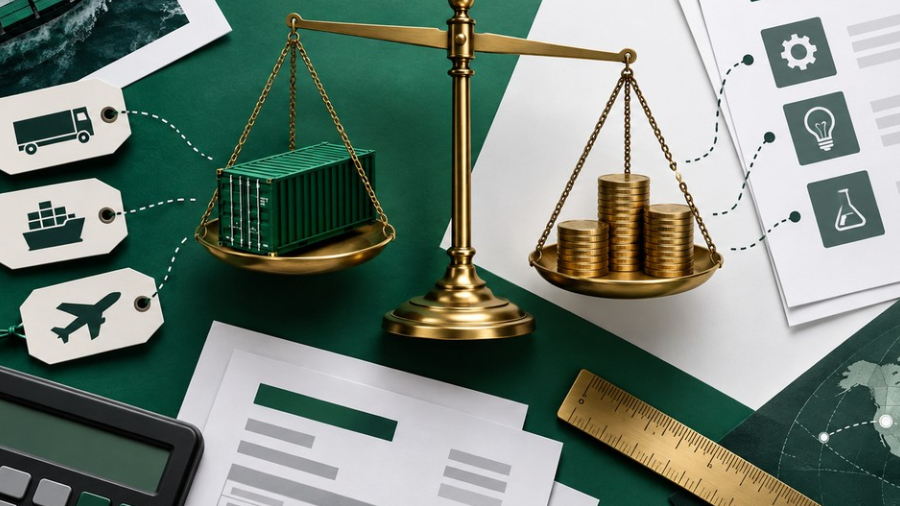
Introduction
Modern supply chains depend on moving goods across borders quickly, safely, and at the right cost. That is why understanding freight forwarder services is so important for importers, exporters, and procurement teams. A freight forwarder helps coordinate cargo movement from origin to destination, while also managing documentation, customs support, route planning, and carrier booking.
For many businesses, shipping is not just about sending goods from one country to another. It is about choosing the right method for the cargo, timeline, and budget. Air freight may be best for urgent goods. Sea freight often works better for large volumes. Rail can offer a practical balance between speed and cost on certain trade routes. A reliable international freight forwarder helps businesses compare these options and avoid unnecessary delays, damaged goods, or extra charges.
This guide explains the main shipping methods used in global trade, how each one works, when to use them, and how businesses can select the best solution for their supply chain.
What Freight Forwarder Services Include
Freight forwarder services cover much more than transportation booking. A freight forwarder acts as the coordinator behind the shipment, connecting shippers, carriers, customs procedures, warehouses, and final delivery arrangements.
Typical services include:
- Cargo planning and route selection
- Carrier and vessel or flight booking
- Export and import documentation
- Customs clearance support
- Cargo consolidation
- Warehousing and distribution
- Cargo insurance coordination
- Tracking and shipment updates
In practice, this means a business does not need to manage every shipping step alone. Instead, it works with experienced logistics providers that understand regulations, transit risks, documentation standards, and regional transport networks.
For example, a manufacturer shipping industrial parts to overseas buyers may need pickup from a factory, export paperwork, pallet inspection, container loading, customs filing, and destination delivery. Freight forwarder services bring those pieces together in one coordinated process.
Air Freight Shipping: Fast and Time-Sensitive Transport
Air freight is the preferred shipping method when speed matters most. It is commonly used for urgent orders, high-value products, replacement parts, medical goods, and time-sensitive commercial shipments.
How air freight works
The process usually begins with cargo pickup from the supplier or warehouse. Goods are packed according to air transport standards, weighed, documented, and delivered to the airport cargo terminal. After export handling and customs procedures, the cargo is loaded onto a cargo aircraft or commercial flight. On arrival, it goes through destination handling, customs clearance, and final delivery.
Advantages of air freight
The biggest advantage is speed. Air freight can reduce delivery times from weeks to days. It also offers strong schedule reliability on many global routes. Because goods spend less time in transit, there is often lower risk of theft, weather exposure, or long storage delays.
Air freight is also useful for products with high value relative to weight. When the cargo is small but important, paying more for faster transport often makes commercial sense.
Disadvantages of air freight
The main drawback is cost. Air freight is generally the most expensive transport option. It also has stricter weight, size, and packaging limits than sea freight. Some goods may face restrictions due to safety regulations, battery rules, or hazardous cargo classifications.
Real-world use case
A buyer needs a shipment of electronic components to keep a production line running. Waiting for sea freight would create downtime and missed delivery commitments. In that case, an international freight forwarder may recommend air freight for immediate replenishment, even if the cost is higher.
Sea Freight Shipping: Cost-Effective Transport for Large Volumes
Sea freight is one of the most widely used shipping methods in international trade. It is ideal for heavy, oversized, or bulk cargo and for shipments where transit time is less urgent than cost efficiency.
How sea freight works
Cargo is picked up from the supplier and moved to a port or container yard. It is then loaded into a shipping container or consolidated with other cargo. After export clearance, the container is loaded onto a vessel and transported to the destination port. Once the shipment arrives, it goes through import customs procedures and is released for inland delivery.
Sea freight usually moves under two common models:
Full Container Load
Full Container Load, often called FCL, means one shipper uses an entire container. This is often more efficient for larger shipments, improves cargo control, and reduces handling during transit.
Less than Container Load
Less than Container Load, or LCL, is used when cargo does not fill a full container. Multiple shipments are consolidated into one container, making it suitable for smaller loads.
Advantages of sea freight
Sea freight is usually the most economical option for large shipments. It can handle bulky, heavy, or oversized cargo that would be impractical by air. It also offers flexible container choices for different cargo types.
For businesses moving inventory regularly, sea freight supports better cost planning and higher shipment volume.
Disadvantages of sea freight
The biggest disadvantage is slower transit time. Ocean shipping can take several weeks depending on the route, port congestion, weather, and customs conditions. There is also greater exposure to delay risk, especially during peak shipping seasons.
Real-world use case
A furniture exporter shipping multiple pallets of goods to overseas distributors typically chooses sea freight. The shipment is large, heavy, and not urgently needed within a few days. In this situation, freight forwarder services help secure container space, prepare documents, and coordinate smooth port handling.
Rail Freight Shipping: A Balanced Option for Certain Trade Routes
Rail freight has become a practical solution for shipments that need a balance between air freight speed and sea freight cost. It is especially useful on trade corridors where rail infrastructure is strong and border transit is well organized.
How rail freight works
Goods are collected from the shipper, loaded into containers or rail-compatible units, and transported to a rail terminal. From there, the cargo moves across inland or cross-border rail networks. At the destination terminal, the cargo is transferred for customs processing and last-mile delivery.
Advantages of rail freight
Rail freight is usually faster than sea freight and more affordable than air freight. It also offers stable transit schedules on established land routes. For certain cargo categories, rail reduces handling and provides better predictability than multimodal alternatives with too many transfer points.
It can also be a useful option for businesses looking to improve supply chain flexibility by not relying on only one shipping method.
Disadvantages of rail freight
Rail availability depends heavily on route coverage, infrastructure quality, and customs coordination between countries. It is not as globally flexible as air or sea transport. Some shipments still require truck transport at both ends, which adds complexity.
Real-world use case
A company moving packaged industrial materials across inland trade corridors may use rail to shorten transit time compared with ocean shipping while keeping transport costs below air freight levels. Skilled logistics providers can combine rail with road delivery for a smoother end-to-end solution.
How to Choose the Right Shipping Method
Choosing between air, sea, and rail depends on several commercial and operational factors. The right decision should match the cargo profile and the business objective.
Cargo size and weight
Heavy and bulky cargo usually fits sea freight better. Small, high-value cargo often suits air freight. Rail works well for containerized cargo on supported inland routes.
Delivery urgency
When delivery speed is critical, air freight is usually the best choice. When timing is flexible, sea freight offers better cost efficiency. Rail becomes attractive when businesses want a middle option.
Budget considerations
Shipping cost affects margins, landed cost, and pricing strategy. Businesses should compare total cost, not only base freight rates. Storage, customs delays, terminal charges, and inland transport also matter.
Destination and route access
Not all destinations support every method equally. A freight forwarder reviews port access, airport options, rail terminals, customs conditions, and final-mile delivery requirements before recommending the best route.
Cargo sensitivity
Fragile, temperature-sensitive, or regulated cargo may need special handling. In these cases, freight forwarder services help ensure packaging, labeling, and transit conditions meet compliance and safety standards.
Use Cases and Applications in Different Logistics Situations
Different industries use different shipping methods based on their supply chain needs.
Urgent replenishment shipments
When stock is running low and production cannot stop, air freight is often the best answer. This is common for spare parts, components, and goods tied to strict delivery contracts.
Routine inventory movement
Sea freight is widely used for regular inventory planning. Importers that forecast demand in advance often ship by container to reduce landed cost.
Seasonal shipping
Businesses with holiday or promotional demand must choose methods carefully. If goods are produced early, sea freight can save money. If production is delayed, air freight may be used to protect the sales season.
Regional inland transport
Rail is useful where strong land corridors support efficient cross-border transport. It works well for medium-urgency shipments that need more speed than ocean transport but do not justify air freight pricing.
Mixed shipping strategies
Some businesses use a hybrid model. For example, a company may send most of its goods by sea while using air freight for urgent top-up orders. An international freight forwarder can build this type of flexible shipping plan.
Comparing Air, Sea, and Rail Freight
Each method serves a different purpose, and there is no universal best option.
Cost
Sea freight is usually the lowest-cost choice for large volumes. Rail often sits in the middle. Air freight is generally the highest-cost option.
Speed
Air is the fastest by far. Rail can provide moderate transit times on selected routes. Sea is the slowest, especially when ports are busy.
Capacity
Sea freight handles the highest volume and the widest range of oversized cargo. Rail supports substantial cargo capacity on land routes. Air freight is more limited by aircraft space and weight rules.
Flexibility
Air offers broad international reach for urgent goods. Sea offers global volume capacity through major ports. Rail is more route-dependent but effective where networks are developed.
Suitability
Air works best for urgent, lightweight, and high-value goods. Sea is ideal for large, heavy, and cost-sensitive cargo. Rail is useful for medium-priority shipments along established inland corridors.
For many businesses, the best result comes from working with experienced logistics providers who can compare not just shipping rates, but the total business impact of each option.
Practical Tips for Working with a Freight Forwarder
A successful shipment depends on planning and communication as much as transport mode.
First, share complete cargo details early. Weight, dimensions, packaging type, commodity description, and destination all affect routing and pricing.
Second, prepare documents carefully. Incorrect invoices, packing lists, or product descriptions can cause customs delays.
Third, build realistic lead times into your purchasing plan. Sea freight may be cheaper, but only when your timeline allows it.
Fourth, ask about contingency options. If a shipment is delayed, your freight forwarder should be able to suggest alternative routes or faster transport methods.
Finally, work with partners that provide clear updates and transparent cost breakdowns. Good freight forwarder services are not only about moving cargo. They are about reducing risk and improving visibility across the shipment lifecycle.
Conclusion
Understanding air, sea, and rail transport helps businesses make better shipping decisions and avoid costly mistakes. Each method has its own strengths. Air freight delivers speed for urgent goods. Sea freight provides strong value for large-volume shipments. Rail offers a useful middle ground on selected trade routes.
The real advantage comes from choosing the right method for the right job. That decision affects delivery performance, cost control, inventory planning, and customer satisfaction. Reliable freight forwarder services help businesses compare options, manage documentation, reduce delays, and keep cargo moving smoothly across borders.
As global trade becomes more demanding, companies need practical shipping strategies rather than one-size-fits-all solutions. Working with an experienced international freight forwarder gives businesses the support they need to select efficient routes, control logistics risks, and build a more resilient supply chain.
FAQ
What are freight forwarder services?
Freight forwarder services are logistics solutions that help businesses move goods internationally or domestically. These services often include booking transport, preparing shipping documents, coordinating customs procedures, arranging warehousing, and managing delivery.
Which shipping method is best for urgent cargo?
Air freight is usually the best choice for urgent cargo because it offers the fastest transit time. It is especially useful for small, high-value, or time-sensitive shipments.
Is sea freight cheaper than air freight?
Yes, sea freight is usually much cheaper than air freight for large or heavy shipments. However, it takes longer, so businesses must plan inventory and delivery schedules carefully.
 English
 Deutsch
 Português
 العربية
 中文
中文


 25 Sep