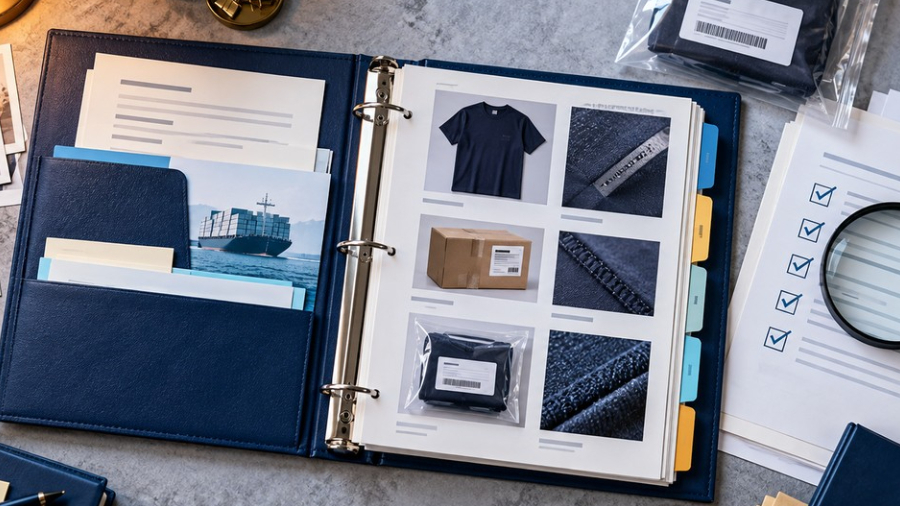
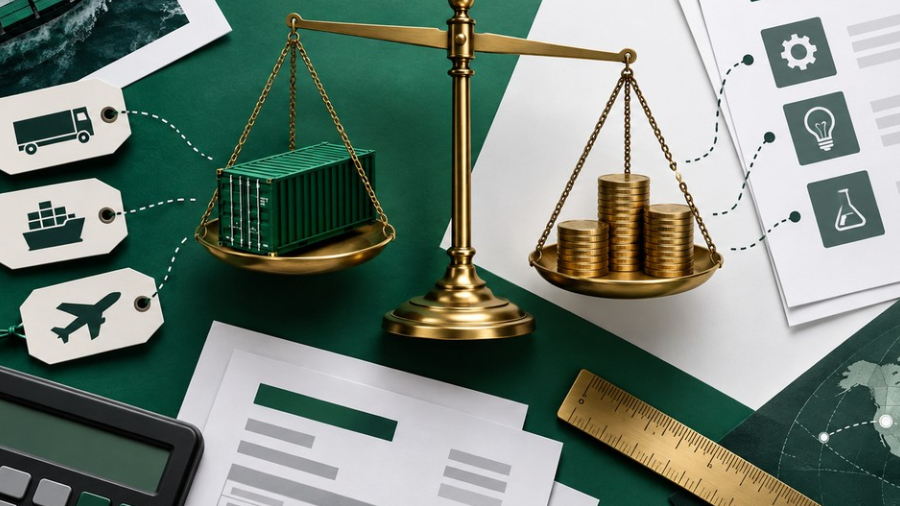
International trade terms can make a major difference in shipping cost, delivery responsibility, customs risk, and total import costs. Two of the most common terms importers compare are FOB and DDP. Understanding fob vs ddp is important because these two shipping terms place very different responsibilities on the buyer and seller.
FOB means Free On Board. Under FOB, the seller usually handles export-side delivery until the goods are loaded onto the vessel at the origin port. After that point, the buyer takes responsibility for ocean freight, import customs, duties, taxes, destination charges, and final delivery.
DDP means Delivered Duty Paid. Under DDP, the seller or logistics provider usually handles transportation, import clearance, duties, taxes, and delivery to the buyer’s destination. This makes DDP more convenient for many importers, but it may also include higher pricing and less cost transparency.
This guide explains FOB vs DDP in detail, including delivery responsibility, trade agreements, freight options, import costs, and practical examples for different businesses.
What Are FOB and DDP in International Shipping?
FOB and DDP are international shipping terms used to define who is responsible for transportation, risk, cost, and customs responsibilities during a shipment. These terms are important because they help buyers and sellers avoid confusion about who pays for each part of the logistics process.
FOB stands for Free On Board. It is commonly used in sea freight. Under FOB, the seller is responsible for delivering the goods to the origin port and loading them onto the vessel. Once the cargo is loaded on board, the buyer takes over the main freight responsibility. The buyer usually arranges ocean shipping, import customs clearance, destination port charges, duties, taxes, and final delivery.
DDP stands for Delivered Duty Paid. Under DDP, the seller takes responsibility for delivering the goods to the buyer’s named destination, with import duties and taxes included. This means the seller or its logistics provider manages export handling, international freight, import customs, cargo release, duty payment, tax payment, and delivery.
The basic difference is simple:
FOB gives the buyer more control after the origin port.
DDP gives the seller more responsibility until final delivery.
However, the real-world decision is not always simple. Buyers should compare freight cost, customs control, cargo visibility, import tax handling, insurance, risk transfer, documentation, and service reliability. A low FOB product price may still lead to higher total landed cost if the buyer does not manage freight well. A DDP quote may look higher at first, but it can simplify budgeting if the service scope is clear.
Why FOB vs DDP Matters for Importers
The fob vs ddp decision affects more than freight arrangement. It affects cash flow, customs compliance, supplier negotiation, delivery timing, and total landed cost.
Under FOB, the importer usually has more control over freight. The buyer can choose the freight forwarder, compare shipping rates, arrange customs brokerage, select delivery services, and manage the logistics schedule directly. This can be useful for experienced importers who want cost transparency and stronger supply chain control.
Under DDP, the importer receives a more complete delivery solution. The seller or logistics provider handles more steps, including import clearance and tax payment. This can reduce workload for buyers who do not have a logistics team or who want a simpler purchasing process.
However, convenience does not always mean lower cost. DDP pricing may include hidden margins, bundled fees, or limited visibility into duties and local charges. FOB may give more transparency, but it requires the buyer to manage more moving parts.
The decision also affects responsibility. If import customs issues occur under FOB, the buyer usually needs to work with the customs broker and provide documents. Under DDP, the seller or service provider may coordinate the process, but the buyer should still confirm what happens if customs requests additional information.
Choosing the wrong term can lead to delayed cargo, unexpected fees, unclear responsibility, or disputes between buyer and seller.
FOB Shipping Explained
FOB is one of the most widely used trade terms for sea freight. It is popular because it clearly separates responsibility between seller and buyer at the origin port.
Under FOB, the seller usually handles:
Export packing
Origin inland transport to port
Export customs procedures
Origin port handling
Loading goods onto the vessel
The buyer usually handles:
Main ocean freight
Marine cargo insurance if needed
Destination port charges
Import customs clearance
Import duties and taxes
Destination delivery
Warehouse unloading
FOB is often preferred by experienced importers because it gives them more control after the cargo is loaded. The buyer can select a freight forwarder, compare schedules, choose shipping methods, and manage import customs through trusted partners.
FOB also gives importers better visibility into freight costs. Instead of accepting a bundled seller shipping price, the buyer can request detailed quotes from logistics providers and compare service scope.
However, FOB requires active management. The buyer must coordinate freight booking, documentation, customs clearance, destination delivery, and payment of duties and taxes. If the buyer is new to importing, FOB may feel more complicated than DDP.
FOB is most suitable when the buyer has logistics experience, wants cost control, imports regularly, or has a preferred freight forwarder.
DDP Shipping Explained
DDP is a more complete shipping arrangement from the buyer’s perspective. Under DDP, the seller or logistics provider is responsible for delivering the goods to the named destination with duties and taxes paid.
A DDP shipment may include:
Origin pickup
Export customs handling
International freight
Destination import customs clearance
Duty and tax payment
Cargo release
Final delivery
Basic logistics coordination
For importers, DDP can be convenient because it reduces the number of logistics tasks the buyer must manage. The buyer may receive one quote that includes goods, shipping, import clearance, duties, taxes, and delivery.
DDP is often attractive for small importers, e-commerce sellers, first-time buyers, and businesses that do not want to handle customs directly. It can simplify budgeting because many costs are included upfront.
However, DDP also has limitations. The buyer may have less visibility into freight cost, duty calculation, customs documentation, and local service quality. If the DDP provider does not handle import clearance correctly, the shipment can still be delayed. Buyers should also confirm whether the DDP quote truly includes duties, taxes, final delivery, remote area fees, inspection charges, and special customs costs.
DDP is best when convenience, predictable pricing, and reduced workload are more important than direct logistics control.
FOB vs DDP: Main Differences
When comparing fob vs ddp, importers should focus on responsibility, cost, control, customs, and risk.
Delivery Responsibility
FOB responsibility usually shifts from seller to buyer after the cargo is loaded onto the vessel at the origin port. DDP keeps responsibility with the seller or logistics provider until the goods are delivered to the buyer’s named destination.
Freight Control
FOB gives the buyer more control over freight booking and logistics partners. DDP gives more control to the seller or service provider.
Customs Responsibility
Under FOB, the buyer usually handles import customs clearance. Under DDP, the seller or service provider usually handles import customs and duty payment.
Cost Visibility
FOB often provides better cost visibility because freight, customs, and delivery costs can be quoted separately. DDP may bundle costs into one price.
Buyer Workload
FOB requires more buyer involvement. DDP reduces buyer workload.
Import Costs
FOB may offer lower long-term cost for experienced importers. DDP may be easier for budgeting but can include higher service margins.
Risk Management
FOB gives experienced buyers stronger control over risk. DDP may reduce operational burden but requires trust in the seller’s logistics ability.
FOB and DDP in Sea Freight
FOB is most commonly associated with sea freight. It works well for LCL and FCL ocean shipments because the responsibility point is connected to loading cargo onto the vessel.
For sea freight, FOB is suitable when the buyer wants to control:
Ocean freight rate
Container booking
Freight schedule
Cargo insurance
Destination port handling
Import clearance
Final delivery
FOB is often used by importers shipping regular containers or commercial cargo. It allows the buyer to negotiate freight rates and choose logistics partners directly.
DDP sea freight can also be used, especially for importers who want door-to-door service. In DDP sea freight, the service provider usually arranges ocean shipping, customs clearance, duty payment, and delivery after arrival.
The main difference is control. FOB sea freight gives the buyer more decision-making power. DDP sea freight gives the buyer a more complete service solution.
For large commercial shipments, FOB may provide better long-term cost control. For smaller shipments or buyers without import experience, DDP may be easier.
FOB and DDP in Air Freight
FOB is less commonly used in its strict form for air freight because FOB is traditionally connected to vessel loading. However, buyers and sellers may still use similar responsibility arrangements in air freight by agreeing on who handles origin delivery, international air freight, import clearance, and destination delivery.
For air freight, DDP can be useful when speed and convenience are important. The seller or logistics provider arranges air shipping, import customs, duty payment, and delivery to the buyer.
Air freight is often used for urgent products, replacement parts, samples, seasonal inventory, and high-value cargo. In these situations, customs readiness matters. A DDP provider may reduce the buyer’s workload, but the buyer must still provide accurate product information.
If the buyer wants more control over air freight cost and customs brokerage, a buyer-controlled shipping term may be better than DDP.
FOB and DDP in Express Shipping
Express shipping is often used for small parcels, samples, and urgent lightweight cargo. Many express-style services are offered with delivery and customs handling included, but buyers should still check whether duties and taxes are included.
DDP can make express shipping easier because the buyer receives the package without separately arranging customs and duty payment. However, some express shipments may still require customs information, tax payment, or additional documentation depending on product type and destination.
FOB is not commonly used for small express parcels in the same way it is used for sea freight. For express shipments, buyers usually compare whether the price is duty-paid or duty-unpaid, and whether final delivery is included.
For importers shipping samples, DDP express service can be convenient. For regular commercial cargo, sea freight or air freight may offer better cost efficiency.
FOB and DDP in Rail and Truck Freight
Rail and truck freight may be used for cross-border transportation or inland delivery after sea or air freight. The responsibility structure still matters.
Under FOB-style arrangements, the buyer may take responsibility after a defined origin point and then arrange main freight, customs, and delivery.
Under DDP, the seller or logistics provider manages the shipment to the buyer’s named destination with import duties and taxes paid.
For cross-border truck or rail movements, customs clearance can be closely connected to delivery timing. DDP may simplify coordination if the service provider has strong customs handling ability. FOB or buyer-managed terms may be better for importers who want direct control over customs brokers and delivery scheduling.
The best choice depends on route, customs requirements, cargo value, and delivery deadline.
Cost Factors in FOB Shipping
FOB cost planning requires the buyer to calculate all costs after the origin port handover.
FOB-related costs may include:
Product cost under FOB terms
Ocean freight or main freight
Cargo insurance
Destination port charges
Customs broker fee
Import duty
Import taxes
Inspection fees if applicable
Storage or demurrage
Final delivery
Warehouse unloading
FOB can provide better transparency because the buyer can see each cost item separately. This is useful for calculating landed cost and comparing suppliers.
However, FOB can also create surprises if the buyer forgets to include destination charges, customs costs, taxes, delivery, or port storage.
To compare FOB correctly, importers should request a full landed cost estimate before placing the order.
Cost Factors in DDP Shipping
DDP pricing usually includes more logistics responsibility. However, the exact scope must be confirmed.
DDP may include:
Product cost
Origin handling
International freight
Import customs clearance
Import duty
Import taxes
Cargo release
Final delivery
But DDP may not always include every possible charge. Extra costs may occur if customs inspects the cargo, if product information is incorrect, if delivery is to a remote area, or if the shipment requires special handling.
Buyers should ask:
Does the DDP price include all duties and taxes?
Does it include final delivery to the exact address?
Does it include customs clearance fees?
Does it include port or airport charges?
What happens if customs requests inspection?
Who is responsible for storage charges caused by document issues?
Can the seller provide proof of duty payment if needed?
DDP can simplify buying, but only when the service scope is clearly written in the agreement.
FOB vs DDP Cost Comparison
When comparing fob vs ddp, buyers should not compare only the product price. They should compare total landed cost.
FOB price may look lower because it does not include many destination-side costs. DDP price may look higher because it includes more logistics services.
A fair comparison should include:
Product price
Origin charges
Main freight
Insurance
Customs clearance
Duties
Taxes
Destination charges
Final delivery
Possible delay fees
FOB may be better if the buyer has strong logistics partners and wants cost control. DDP may be better if the buyer wants simpler purchasing and fewer operational tasks.
For regular importers, FOB may become more economical over time because they can negotiate freight rates and manage customs directly. For new importers, DDP may reduce complexity and provide clearer upfront budgeting.
Real-Life Example: Small Importer Choosing DDP
A small importer buys a limited quantity of products for market testing. The buyer does not have a customs broker, does not understand duty calculation, and wants delivery to a small warehouse.
The supplier offers a DDP price that includes shipping, customs clearance, duty, tax, and delivery. The buyer chooses DDP because it reduces workload and makes the total cost easier to understand.
This example shows that DDP can be useful for small or first-time importers who value simplicity.
Real-Life Example: Experienced Importer Choosing FOB
An experienced importer buys regular container shipments every month. The buyer already works with a freight forwarder and customs broker. The buyer wants to compare ocean rates, manage customs clearance, and control delivery timing.
The importer chooses FOB. The supplier delivers the cargo to the origin port, and the buyer takes over the main freight and import process.
This example shows that FOB can work well for importers with established logistics systems.
Real-Life Example: Hidden Cost in a Poorly Defined DDP Quote
A buyer receives a DDP quote and assumes every cost is included. After the cargo arrives, the logistics provider asks for extra payment because the delivery address is outside the standard service area and customs requested additional review.
The buyer realizes the DDP agreement did not clearly define remote delivery fees, inspection costs, or storage responsibility.
This example shows why DDP must be clearly documented. Convenience is valuable, but unclear terms can still create disputes.
Practical Tips for Choosing Between FOB and DDP
First, compare total landed cost, not only product price.
Second, confirm exactly where responsibility transfers under FOB.
Third, ask what is included in DDP. Duties, taxes, customs clearance, and final delivery should be clearly stated.
Fourth, check your logistics experience. If you have a trusted freight forwarder, FOB may offer better control.
Fifth, review customs responsibility. Import clearance errors can create delays and extra fees.
Sixth, consider shipment size. FOB is often better for regular bulk shipments, while DDP can be convenient for smaller orders.
Seventh, ask for detailed quotes. Avoid vague phrases like “all included” unless the details are written clearly.
Eighth, confirm delivery address conditions. Remote areas, residential delivery, limited access, or special unloading may affect cost.
Ninth, prepare documents early. Both FOB and DDP still require accurate product information.
Tenth, review trade agreements and tax requirements before ordering. Import costs may change based on product type, declared value, and origin.
Common Mistakes to Avoid
One common mistake is assuming FOB means the seller handles everything until destination. FOB usually only covers the seller’s responsibility until the cargo is loaded at the origin port.
Another mistake is assuming DDP always includes every possible charge. The scope must be confirmed.
A third mistake is comparing FOB and DDP quotes without calculating duties and taxes. FOB may look cheaper but can cost more after import charges.
A fourth mistake is not confirming who handles customs documents. Both terms require accurate paperwork.
A fifth mistake is choosing DDP only for convenience without checking the provider’s ability to complete customs clearance.
A sixth mistake is choosing FOB without a reliable freight forwarder. Buyer-controlled shipping requires coordination.
A seventh mistake is not considering cargo insurance. Risk and responsibility should be clearly reviewed.
How to Build a Better Import Strategy
A strong import strategy may use both FOB and DDP depending on shipment type.
Use DDP when:
You are new to importing
Shipment volume is small
You want simple pricing
You do not have customs experience
You need door-to-door convenience
You want fewer operational tasks
Use FOB when:
You import regularly
You want freight control
You have logistics partners
You want cost transparency
You ship larger volumes
You need better customs management
You want to optimize landed cost
Many businesses begin with DDP for small orders and later switch to FOB as they grow. This approach allows them to learn the import process gradually while building stronger logistics control.
Conclusion
The fob vs ddp decision is one of the most important choices in international shipping. FOB gives the buyer more control after the cargo is loaded at the origin port. It is often suitable for experienced importers, regular shipments, and businesses that want better cost transparency. DDP gives the seller or logistics provider more responsibility until final delivery, including import duties and taxes. It is often suitable for new importers, smaller shipments, and buyers who want a simpler process.
The best choice depends on delivery responsibility, shipping terms, trade agreements, import costs, customs control, shipment size, and logistics experience. Before choosing FOB or DDP, importers should compare total landed cost, confirm service scope, and clearly define responsibilities in writing.
A clear shipping term helps reduce cost disputes, customs delays, and delivery confusion. For better import planning, work with experienced logistics partners and review your full supply chain before booking the shipment.
FAQ
What is the main difference between FOB and DDP?
FOB usually means the seller is responsible until the cargo is loaded at the origin port, while the buyer handles main freight, import customs, duties, taxes, and delivery. DDP means the seller or service provider handles delivery to the buyer’s destination with duties and taxes paid.
Is FOB better than DDP?
FOB is better for experienced importers who want freight control and cost transparency. DDP is better for buyers who want convenience and a more complete delivery solution.
Does DDP include import duties and taxes?
DDP usually includes import duties and taxes, but buyers should confirm this clearly in the quote or agreement. The exact service scope should be written.
Is FOB only used for sea freight?
FOB is most commonly used for sea freight because it is connected to vessel loading. For air, express, rail, or truck shipments, buyers should confirm the exact responsibility point with the seller or logistics provider.
Which term is better for small importers?
DDP is often easier for small or first-time importers because it can include customs clearance, duty payment, and final delivery. However, the buyer should confirm all included costs before ordering.
 English
 Deutsch
 Português
 العربية
 中文
中文


 25 Sep