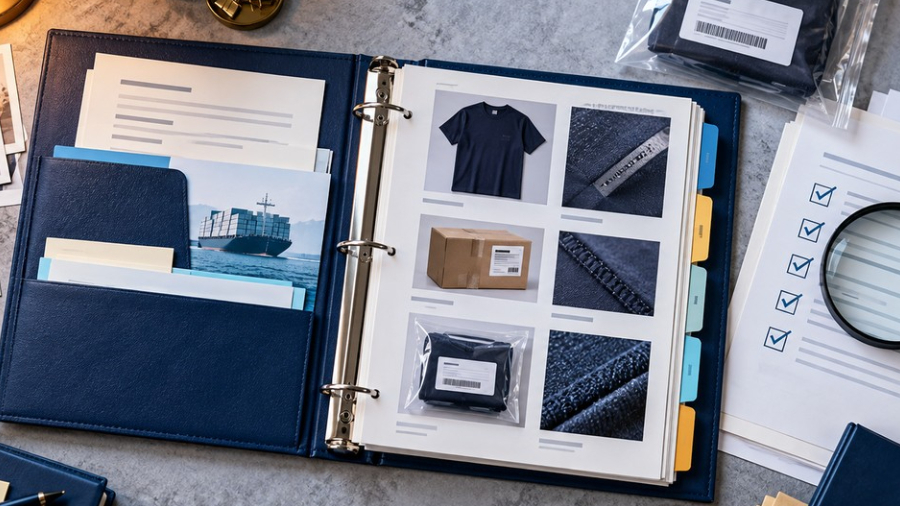
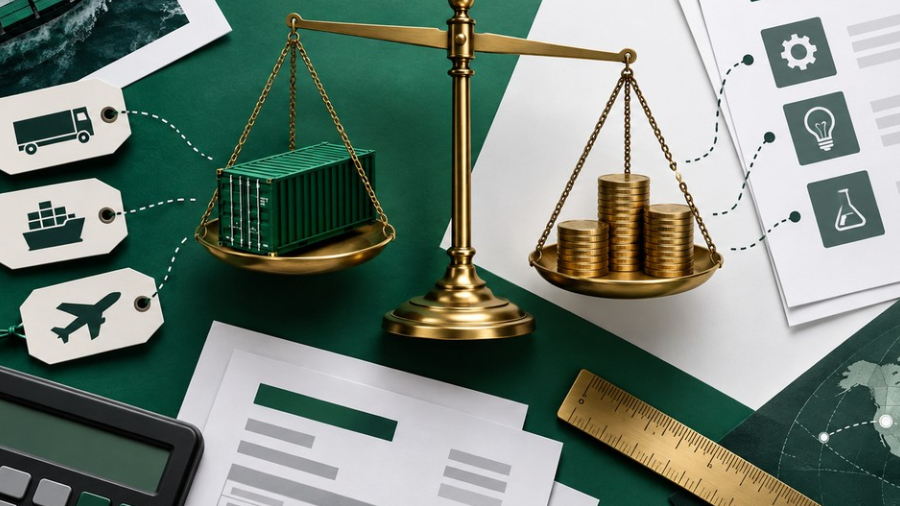
When importing goods internationally, choosing the right trade term is just as important as choosing the right supplier or shipping method. Many importers compare fob vs ddp because these two delivery terms create very different responsibilities, costs, and risks for the buyer and seller. If the trade agreement is unclear, the buyer may face unexpected freight charges, customs fees, delivery delays, or confusion about who is responsible at each stage of the shipment.
FOB and DDP are commonly used in international trade, especially when goods are shipped by sea freight, air freight, or door-to-door logistics services. FOB gives the buyer more control after the goods are handed over for export shipping, while DDP gives the seller or logistics provider more responsibility until the goods reach the agreed destination.
This guide explains how FOB and DDP work, how they compare with EXW, what costs are included, which term is better for different shipment types, and how importers can choose the right delivery terms for better freight planning.
What Are International Trade Terms?
International trade terms define the responsibilities of buyers and sellers in cross-border transactions. These terms explain who pays for transportation, who handles customs clearance, who carries risk at different stages, and where responsibility transfers from seller to buyer.
In international logistics, these rules are often called incoterms. They help both parties avoid misunderstanding by clearly defining delivery obligations. However, importers should remember that using a trade term is not enough by itself. The quotation, contract, invoice, and logistics plan should also clearly state the named place, shipping method, cost scope, and documents required.
For example, “FOB China” is not specific enough. A proper term should identify the exact origin port. Similarly, “DDP USA” should define the final delivery address and what duties, taxes, customs fees, and delivery services are included.
Common delivery terms include:
EXW, where the buyer takes responsibility from the seller’s location
FOB, where the seller delivers goods to the agreed export port or vessel stage
CIF, where the seller covers cost, insurance, and freight to the destination port
DAP, where the seller delivers to the destination, but the buyer usually handles duties and taxes
DDP, where the seller handles delivery with duties paid
Understanding these shipping rules helps importers compare quotations more accurately. A product price under FOB may look lower than a DDP quote, but the buyer must add international freight, customs clearance, import duty, destination charges, and final delivery.
What Does FOB Mean?
FOB stands for Free on Board. Under FOB terms, the seller is usually responsible for export-side handling up to the agreed port or loading point. After the goods are loaded for international transport, the buyer takes over the main shipping responsibility.
In practical freight planning, FOB is often used for sea freight shipments. The seller may handle local delivery to the port, export customs clearance, and origin port procedures. The buyer then arranges international freight, destination customs clearance, duties, port charges, and final delivery.
FOB is popular because it gives the buyer more control over the main transportation. The buyer can choose the freight forwarder, compare ocean shipping rates, manage customs clearance, and control destination delivery. This can be useful for experienced importers who already have a logistics partner.
Under FOB, the buyer should be prepared to manage:
International freight booking
Freight insurance, if needed
Destination port charges
Import customs clearance
Import duties and taxes
Final delivery to warehouse
Cargo tracking after departure
FOB works well when the buyer wants cost transparency and control. However, it also requires more logistics knowledge. If the buyer does not understand customs clearance, freight charges, or destination fees, FOB may create unexpected costs.
When comparing fob vs ddp, FOB is usually better for importers who have experience and want to manage their own freight process.
What Does DDP Mean?
DDP stands for Delivered Duty Paid. Under DDP terms, the seller takes responsibility for delivering goods to the agreed destination, with import duty and customs clearance usually included. This makes DDP one of the most complete delivery terms from the buyer’s point of view.
In a DDP arrangement, the seller or logistics provider may handle export pickup, export customs clearance, international freight, destination customs clearance, import duty payment, tax arrangement, and final delivery. The buyer’s role is usually to receive the goods at the agreed location.
DDP is attractive for buyers who want a simpler shipping process. Instead of coordinating multiple providers, the buyer receives one combined quote. This can be useful for small businesses, e-commerce sellers, first-time importers, or buyers without customs experience.
However, DDP pricing is usually higher than FOB because it includes more responsibilities. The seller or logistics provider is taking on more work, more risk, and more cost items. Buyers should confirm exactly what is included in the DDP quote.
A proper DDP quote should state:
Final delivery address
Shipping method
Cargo description
Declared value basis
Whether duties are included
Whether taxes are included
Whether customs clearance is included
Whether final delivery is included
What extra fees are excluded
DDP is convenient, but it should never be accepted blindly. A vague DDP quote can still lead to disputes if customs inspection, storage, remote delivery, unloading, or special handling fees are excluded.
FOB vs DDP: Main Differences
The main difference between fob vs ddp is responsibility. FOB shifts most shipping responsibility to the buyer after the goods are handed over at the export stage. DDP keeps most responsibility with the seller until the cargo reaches the buyer’s agreed destination.
Under FOB, the buyer controls the main international freight process. This includes ocean freight or air freight booking, import customs clearance, duties, destination fees, and delivery. Under DDP, the seller or logistics provider manages these steps and includes them in the price.
Another difference is cost visibility. FOB usually separates product cost from freight cost. This gives the buyer more transparency. DDP usually combines more costs into one quote, which is simpler but may make it harder to see each cost item.
Risk transfer is also different. Under FOB, the buyer takes risk earlier. Under DDP, the seller carries responsibility further into the supply chain.
A simple comparison:
FOB gives the buyer more control.
DDP gives the buyer more convenience.
FOB may provide clearer freight cost visibility.
DDP may provide easier landed cost planning.
FOB requires more logistics experience.
DDP reduces buyer workload.
FOB is often used for larger regular shipments.
DDP is often used for smaller or simpler import needs.
The best choice depends on the buyer’s experience, cargo value, shipment volume, customs knowledge, and need for control.
FOB vs DDP Cost Structure
Cost comparison is one of the biggest reasons importers search for fob vs ddp. The two terms can look very different on paper because they include different cost scopes.
A typical FOB quote may include:
Product cost
Local delivery to export port
Export customs clearance
Origin port handling
The buyer may still need to pay:
International freight
Cargo insurance
Destination port charges
Import customs clearance
Import duties and taxes
Customs broker fees
Final delivery
Storage or inspection fees if applicable
A typical DDP quote may include:
Product cost
Origin handling
Export customs clearance
International freight
Destination customs clearance
Import duties and taxes
Destination handling
Final delivery
Because DDP includes more cost items, the quote is usually higher than FOB. However, this does not automatically mean DDP is more expensive overall. A buyer must compare total landed cost.
For example, a FOB product price may look lower, but after adding ocean freight, customs fees, duty, taxes, and delivery, the total cost may be close to the DDP quote. In other cases, experienced importers may achieve lower total cost under FOB because they can manage freight more efficiently.
The correct comparison is:
FOB total landed cost = FOB price + international freight + insurance + destination charges + customs clearance + duties + final delivery
DDP total cost = DDP price + any excluded extra fees
Importers should compare these two totals before choosing the trade agreement.
FOB vs DDP for Sea Freight
Sea freight is one of the most common shipping methods for FOB and DDP shipments. It is suitable for bulk goods, heavy cargo, non-urgent shipments, and containerized freight.
FOB is widely used in sea freight because the seller can handle export-side work, while the buyer controls the ocean shipment. This is useful when the buyer already works with a freight forwarder and wants to control container booking, destination clearance, and delivery.
For full container load shipments, FOB can be efficient because the buyer can arrange the container, choose the route, and manage delivery timing. For less than container load shipments, FOB can also work, but destination charges should be reviewed carefully.
DDP sea freight is often used when the buyer wants a door-to-door solution. The seller or logistics provider arranges sea freight, customs clearance, duty payment, and delivery. This is convenient for importers who want fewer logistics responsibilities.
Sea freight DDP may be useful for:
Small businesses
Buyers without customs knowledge
Importers needing predictable landed cost
E-commerce inventory shipments
Non-urgent cargo
Shipments where convenience matters more than control
The main disadvantage is that DDP may offer less cost transparency. The buyer should ask what is included and excluded.
FOB vs DDP for Air Freight
Air freight is faster than sea freight and is often used for urgent, high-value, or smaller shipments. Both FOB and DDP can be used with air freight, but the cost logic is different.
FOB air freight gives the buyer control after the goods reach the export airport or agreed handover point. The buyer arranges air freight, import customs clearance, duties, and final delivery. This may work well if the buyer has a strong logistics partner.
DDP air freight is often preferred by buyers who need urgent delivery and do not want to manage customs clearance separately. The seller or logistics provider arranges the full process, including duty-paid delivery to the final address.
Air freight DDP is usually more expensive than sea freight DDP, but it can reduce lead time. It is suitable for urgent replenishment, samples, replacement parts, or time-sensitive cargo.
The key cost factor in air freight is chargeable weight. If cargo is bulky but light, volumetric weight may increase cost. Importers should optimize packaging before choosing air freight.
When comparing FOB and DDP air freight, buyers should consider:
Delivery urgency
Cargo value
Chargeable weight
Customs complexity
Need for cost transparency
Risk of delay
Internal logistics capacity
FOB vs DDP for Rail, Trucking, and Express Shipping
Rail and trucking often support international freight by handling inland transportation. For example, goods may move by truck from factory to port, by sea to destination port, then by rail or truck to an inland warehouse. These inland stages matter under both FOB and DDP.
Under FOB, the buyer may be responsible for inland movement after the international leg begins or after arrival at destination, depending on the named place and logistics agreement. Under DDP, the seller usually arranges final delivery to the agreed address.
Express shipping is often used for samples, small parcels, and urgent packages. DDP-style express shipping can be convenient because customs clearance and duty handling may be included in one rate. However, express shipping is usually expensive for larger cargo.
For small parcels, DDP may be easier. For regular bulk shipments, FOB may provide better control. For inland delivery to remote locations, DDP may simplify coordination but should be checked carefully for remote delivery fees or special handling charges.
Freight planning should always include the full route, not only the international transport method.
EXW vs DDP: How It Compares
The keyword exw vs ddp often appears because EXW and DDP are almost opposite in responsibility.
EXW means Ex Works. Under EXW, the seller makes the goods available at their location, and the buyer handles almost everything after that. The buyer may need to arrange pickup, export customs clearance, international freight, import customs clearance, duties, and delivery.
DDP means Delivered Duty Paid. Under DDP, the seller handles almost everything until the goods reach the buyer’s destination.
EXW gives the buyer maximum control but also maximum workload. DDP gives the buyer maximum convenience but usually less direct control over logistics cost.
FOB sits between EXW and DDP. Under FOB, the seller handles export-side responsibilities up to the agreed point, while the buyer handles main freight and import-side responsibilities.
A practical comparison:
EXW: buyer handles most logistics
FOB: seller handles export side, buyer handles main freight and import side
DDP: seller handles most logistics and duty-paid delivery
For beginners, EXW can be difficult because export customs and origin pickup may be complicated. FOB is often more balanced. DDP is usually easiest for buyers but may cost more.
Which Term Is Better for Importers?
There is no single best answer. The right delivery term depends on the buyer’s experience, shipment size, budget, destination market, and need for control.
FOB may be better when:
You have a freight forwarder
You want cost transparency
You import regularly
You understand customs clearance
You want control over shipping routes
You ship full containers or larger cargo
You want to compare freight providers
DDP may be better when:
You are new to importing
You want simpler delivery
You prefer one total quote
You do not have customs experience
You need duties and delivery included
You ship smaller or medium cargo
You want predictable landed cost
For experienced importers, FOB can offer stronger control and sometimes lower total cost. For smaller businesses or buyers without logistics experience, DDP can reduce complexity and save time.
When comparing fob vs ddp, the right question is not “which is cheaper?” The better question is “which term gives the best balance of cost, risk, responsibility, and control for this shipment?”
Real-Life Example: Importer Choosing FOB
A wholesaler imports containerized goods regularly. The buyer has an established freight forwarder, understands customs documents, and has a warehouse team ready to receive containers.
The supplier offers FOB pricing from an origin port. The buyer chooses FOB because it allows control over ocean freight, insurance, customs brokerage, destination trucking, and delivery timing.
In this case, FOB is practical because the buyer has enough logistics experience. The buyer can compare freight rates, negotiate service terms, and monitor total landed cost.
This example shows that FOB is often suitable for businesses that ship regularly and want stronger control over the logistics workflow.
Real-Life Example: Small Buyer Choosing DDP
A small business places a trial order from an overseas supplier. The buyer has limited customs experience and does not know how to calculate import duties, customs fees, or destination delivery charges.
The supplier offers DDP pricing to the buyer’s business address. The quote includes freight, customs clearance, duties, and final delivery.
The DDP price is higher than the FOB product price, but the buyer chooses DDP because it is easier to manage. The buyer can calculate total import cost more clearly and avoid coordinating multiple providers.
This example shows why DDP can be helpful for small importers, first-time buyers, and businesses that prioritize convenience.
Practical Tips for Choosing Between FOB and DDP
First, compare total landed cost. Do not compare FOB product price directly with DDP price. Add freight, duties, taxes, customs fees, and delivery to the FOB cost before comparing.
Second, confirm the named place. FOB should name the export port or handover point. DDP should name the final delivery address.
Third, ask what is included. DDP should clearly state whether duties, taxes, customs clearance, and delivery are included.
Fourth, ask what is excluded. DDP may exclude customs inspection, storage, unloading, remote delivery, or special handling.
Fifth, check your internal capacity. If you have a freight forwarder and customs broker, FOB may work well. If not, DDP may be easier.
Sixth, consider cargo value and risk. High-value cargo may require more control, insurance, and careful documentation.
Seventh, review product compliance. DDP does not remove the need for legal importability or product documentation.
Eighth, use written agreements. Do not rely on vague terms in messages. The invoice and contract should clearly show the delivery term and named place.
Ninth, compare delivery time. DDP convenience does not always mean faster delivery. Ask for estimated transit time and customs process details.
Tenth, build a repeatable freight planning process. Track cost, lead time, extra charges, and service quality for each shipment.
Common Mistakes to Avoid
One common mistake is comparing FOB and DDP prices directly. FOB includes fewer services, so the number will naturally look lower.
Another mistake is accepting vague DDP terms. If the quote does not clearly state duties, taxes, customs clearance, and delivery scope, extra fees may appear.
A third mistake is using FOB without logistics support. Buyers need a forwarder, customs broker, or internal shipping knowledge.
A fourth mistake is ignoring destination charges. Under FOB, destination port charges, customs fees, and delivery can be significant.
A fifth mistake is assuming DDP removes all buyer responsibility. The buyer may still need to provide accurate product details, receive goods on time, and confirm import compliance.
A sixth mistake is not checking the named place. The delivery term is incomplete without a specific location.
A seventh mistake is choosing only based on convenience. DDP may be easy, but FOB may be better for long-term cost control.
Conclusion
Understanding fob vs ddp is essential for international freight planning. FOB gives the buyer more control over international freight, customs clearance, and destination delivery, while DDP gives the buyer more convenience by placing most responsibilities on the seller or logistics provider.
FOB is often suitable for experienced importers who want cost transparency and control. DDP is useful for buyers who want a simpler, duty-paid, door-to-door solution. EXW gives the buyer even more responsibility, while DDP provides the most complete seller-side service.
The best choice depends on shipment size, shipping method, customs experience, budget, and risk tolerance. Before choosing, importers should compare total landed cost, confirm included services, check delivery terms, and document responsibilities clearly.
With the right trade agreement and reliable logistics support, businesses can reduce unexpected costs, improve delivery planning, and manage international shipments more confidently.
FAQ
What is the main difference between FOB and DDP?
FOB means the seller usually handles export-side responsibilities up to the agreed port or handover point, while the buyer handles international freight, import clearance, duties, and delivery. DDP means the seller handles delivery to the agreed destination with duties paid.
Is DDP better than FOB?
DDP is easier for buyers because it includes more services. FOB may be better for experienced importers who want cost transparency and control over freight, customs, and delivery.
Why is a DDP quote higher than a FOB quote?
A DDP quote usually includes more cost items, such as international freight, customs clearance, import duties, taxes, destination charges, and final delivery. A FOB quote usually includes fewer services.
What is the difference between EXW and DDP?
EXW places most logistics responsibility on the buyer from the seller’s location. DDP places most responsibility on the seller until the goods reach the buyer’s agreed destination.
Should I use FOB or DDP for sea freight?
Use FOB if you have a freight forwarder and want control over shipping. Use DDP if you want a simpler door-to-door solution with customs and duties included.
 English
 Deutsch
 Português
 العربية
 中文
中文


 25 Sep