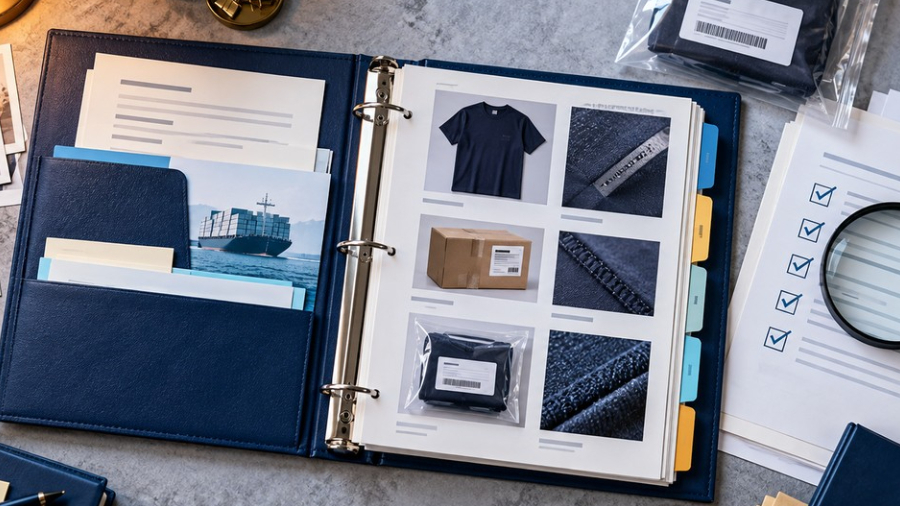
Why FCL Surcharges Exist—and Why They Change
Cost volatility and risk transfer
Ocean carriers face fuel price swings, currency moves, port congestion, and regulatory costs. Rather than resetting base rates weekly, they layer fcl surcharges on top to pass through variable components. This keeps base ocean freight comparable across contracts while allowing adjustments when inputs shift.
What “all-in” really means
Shippers often request all-in quotes. Even then, the rate sheet is still built from base freight plus fcl surcharges; the difference is who carries the volatility risk during the validity window. Know the components behind an all-in figure so you can benchmark quotes apples-to-apples.
The Core Surcharges You’ll See on FCL Quotes
BAF — Bunker Adjustment Factor
BAF reflects marine fuel costs. In today’s low-sulfur world, it may be split into BAF (general fuel) and LSS/LSF (low-sulfur surcharge) depending on carrier policy. Linehaul distance, vessel class, and trade lane bunker indices drive the value.
CAF — Currency Adjustment Factor
CAF covers currency fluctuations between the carrier’s cost base and the quote currency. It shows up most clearly on trades where port charges or feeder legs are priced in a different currency than your contract.
THC — Terminal Handling Charge
THC (origin and destination) covers cargo handling inside the terminal perimeter—moving the box between stack and quay, lifts to/from truck or rail, and terminal paperwork. It is port-specific and often non-negotiable in the short term, so build it into your lane budgeting by default.
Secondary but Common FCL Surcharges
ISPS / Security
Covers port and vessel security measures mandated by international rules. Usually a small per-container amount but universal across many trades.
PSS — Peak Season Surcharge
Applied when demand tightens (pre-holiday buildups, agricultural peaks, or equipment shortages). It can be time-bounded and re-issued multiple times in a quarter. Treat PSS as a leading indicator to push allocation requests earlier.
Congestion and Emergency surcharges
When a hub clogs (labor action, weather, berth bottlenecks), carriers add Congestion, Emergency Intermodal, or Emergency Bunker (EBS) line items. Some are temporary; others linger. Validate whether a surcharge is truly lane-specific or being applied broadly.
Bill of lading, AMS/ENS/ACI filing
Documentation fees cover BL issuance, manifest security filings, and customs advance data. The amounts are modest individually but material across a quarter.
VGM, seal, and cleaning
Verified Gross Mass (VGM) submissions, high-security seals, and container cleaning/repair fees may appear—especially with foodstuffs, chemicals, or after detention events. These are avoidable with disciplined processes and proper packing.
Chassis and intermodal add-ons
Inland legs can add chassis, pre-pull, rail surcharge, and fuel for drayage. They are not strictly ocean surcharges but they hit the same shipment budget; include them when you compare end-to-end quotes.
Free Time, Demurrage, and Detention: Not Surcharges—but Budget Movers
Free time clocks that matter
Terminals grant free time for storage and equipment use. After that, demurrage (inside terminal) and detention/per diem (outside terminal) begin. While not labeled as fcl surcharges, they can eclipse the ocean rate if planning slips.
Where overruns happen
Late customs release, chassis scarcity, missed appointments, or a rolled vessel on the return can trigger avoidable charges. Track both clocks in your TMS and set automated alerts 48–72 hours before expiry.
How Surcharges Are Calculated on a Real File
Build the stack from the base
A typical end-to-end stack for a 40HC export might look like this (illustrative):
- Base ocean freight (per box)
- BAF (per box)
- LSS/LSF (per box)
- THC O + THC D (per box each)
- Documentation (origin + destination)
- ISPS/security (per box)
- PSS (if in effect)
- Inland add-ons (chassis, pre-pull, fuel)
- = Total FCL linehaul (before storage/penalties)
Seasonal and lane nuances
Longer trades with feeder connections tend to carry higher fcl surcharges exposure (extra terminals, bunkers, and security touchpoints). Conversely, short-sea FCL may show modest BAF but higher port THCs where labor is expensive. Keep a per-lane surcharge profile handy for forecasting.
Negotiation and Governance: What You Can Influence
Validity windows and index links
Push for clear validity dates on the surcharge matrix and, where possible, index-link BAF/CAF to public benchmarks. This avoids surprise mid-month reissues and gives both parties a predictable trigger for changes.
Origin/destination split
If your Incoterms give you control at one end (e.g., FCA or DAP), negotiate THCs where you have leverage and accept posted tariffs where you don’t. Small wins repeated across many boxes beat one-time headline discounts.
Operational Controls That Reduce Surcharge Spend
Packing and weight discipline
Overweight or misdeclared containers create re-handles, re-weighs, and extra lifts—costs that often surface as fcl surcharges or terminal penalties. Calibrate scales at the DC and embed a VGM checkpoint before the gate.
Appointment and pre-pull strategy
Use pre-pull to extract boxes from terminals before free time expires, then stage them at a near-dock yard for flexible delivery. The extra dray move can be cheaper than demurrage during congestion waves.
Risk Management for Unplanned Surcharges
Capacity shocks
When blank sailings or weather reduce capacity, PSS and congestion fees follow. Build a capacity cushion (earlier CY cut-off, alternate sailings, cross-port options) to avoid last-minute premium routing.
Regulatory changes
Fuel standards (e.g., ECA zones), customs security updates, or port labor rules can spawn new fcl surcharges or reprice old ones. Assign a single owner to maintain your surcharge playbook and release bulletins internally when changes hit.
Budgeting and Reporting: Make Surcharges Visible
Chart of accounts alignment
Create separate GL buckets for BAF/LSS, THC, documentation, security, and congestion. When fcl surcharges spike, you’ll know which lever moved and where to negotiate first.
Lane dashboards
For your top 10 lanes, publish a monthly “cost stack” chart that isolates base freight vs. each surcharge. Over time, you’ll see which ports habitually overrun free time or which seasons demand stronger allocation.
When FCL Isn’t the Best Fit
Matching service to shipment profile
If volumes vary widely, or you’re shipping product launches with unpredictable timing, full containers may sit idle waiting for consolidation. In these lanes, assess mid-cycle alternatives before you incur avoidable fcl surcharges and storage.
A single internal reference for alternatives
If you need an inland or partial-load option, see less than container load, lcl freight forwarder for how LCL consolidation and specialist providers can right-size cost and service without tying up a full box.
Playbook: Four Moves That Cut FCL Surcharges Without Cutting Service
Standardize container plans
Create lane-specific load plans (40HC vs. 20GP mix, average weight, reefer plugs if needed). Standardization reduces misfits and terminal surprises.
Lock appointment slots early
For peak weeks, book delivery/return windows in advance and align customs brokers to avoid release delays that morph into demurrage.
Agree on fallback ports and yards
Pre-authorize alternate terminals and near-dock yards when primary hubs congest. A short diversion beats days of storage inside the terminal.
Keep a rolling 8–12 week forecast
Carriers reward predictability. Share forecasts; negotiate allocation tied to that signal. Reliable volume can earn better treatment on fcl surcharges or at least protect your space when the market tightens.
Quick Reference: Surcharge Cheat Sheet
Core
- BAF: fuel exposure; sometimes paired with LSS/LSF for low-sulfur compliance.
- CAF: currency volatility buffer.
- THC O/D: terminal lifts and handling at origin/destination.
Conditional
- ISPS/Security: mandated safety measures.
- PSS: demand-driven peak uplift.
- Congestion/Emergency: temporary network stress pass-throughs.
- Documentation/AMS/ENS: filings and paperwork.
- Inland add-ons: chassis, fuel for drayage, pre-pull.
Not surcharges but critical
- Demurrage/Detention: storage/equipment timeouts after free time.
Practical FAQs (Field-Tested)
“Why are two carriers’ THCs different for the same port?”
Terminals publish tariffs, but carriers bundle and pass costs differently. Some include certain lifts under THC; others split them into line items. Compare the total stack, not any single code.
“Is all-in safer during peak?”
It can be—if the validity span covers the peak weeks and the scope excludes emergency clauses. Otherwise, you might still see a PSS or congestion line. Ask for explicit inclusions/exclusions.
“Can I audit surcharges?”
Yes. Request the carrier’s surcharge matrix with effective dates. Match invoices to that file and your rate confirmation. Discrepancies are common during transitions; a basic audit recovers real money.
 English
 Deutsch
 Português
 العربية
 中文
中文


 25 Sep