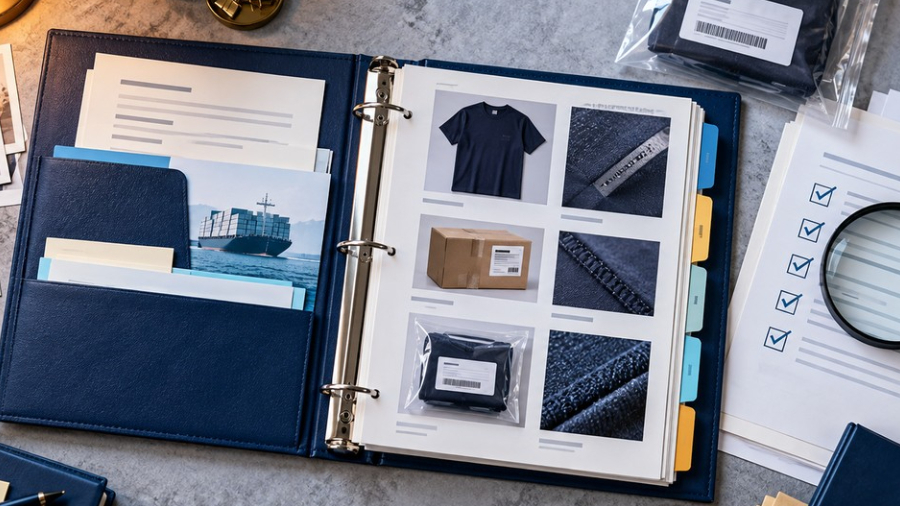
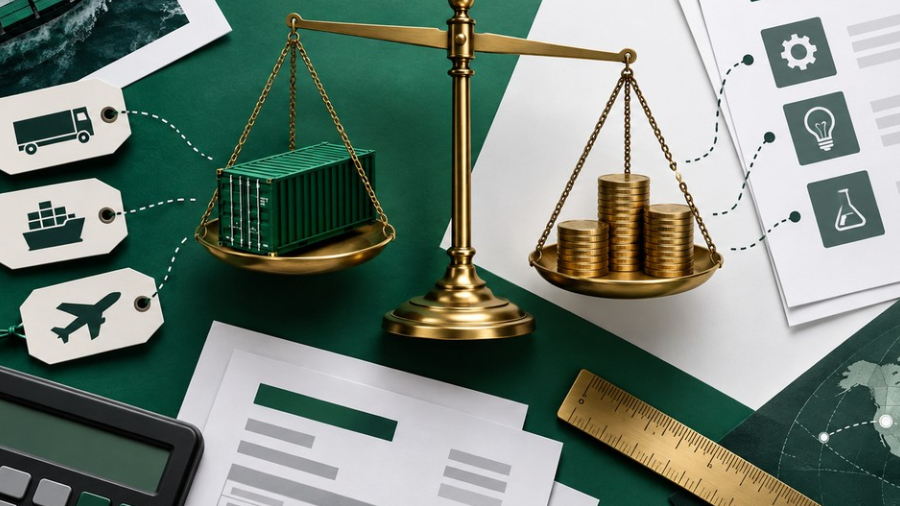
When you first step into international trade, one question always shows up sooner or later:
How do I move large volumes of goods safely, efficiently, and at a predictable cost?
That’s where fcl freight comes in.
If you’re shipping full pallets, heavy equipment, bulk materials, or steady monthly orders, Full Container Load shipping can completely change how you manage your supply chain. In this guide, we’re going to walk through everything you need to know about FCL freight in plain English.
No complicated theory. No confusing shipping jargon. Just practical knowledge you can actually use.
1. Introduction
The Importance of FCL Freight
Let’s imagine this.
You’ve just finished production. Your warehouse is full. Your overseas buyer is waiting. Now everything depends on shipping.
If your goods are delayed, your customer might cancel.
If your costs are unpredictable, your profit disappears.
If your cargo gets damaged, you start from zero again.
This is why fcl freight is so important.
FCL gives you:
- Better cargo control
- Lower risk of damage
- Clearer shipping timelines
- More stable cost planning
When you use a full container, that container is yours alone. Your goods are sealed inside and opened only at the destination. That control is extremely valuable in international logistics.
Application Value in International Logistics
In global trade, reliability is everything.
Factories depend on raw materials arriving on time.
Retailers depend on inventory arriving before peak season.
Construction projects depend on materials arriving without delay.
FCL freight plays a key role because it:
- Reduces handling steps
- Minimizes cargo mixing
- Improves transit predictability
- Protects sensitive or high-value shipments
If you ship regularly or in volume, FCL is often the backbone of your logistics strategy.
Overview of This Article
In this pillar page, we’ll cover:
- What is FCL
- The meaning of FCL full container load
- How fcl ocean freight works
- The practical difference between ocean FCL and other methods
- What fcl cargo includes
- Best practices for implementation
- Real-world scenarios and common problems
By the end, you’ll understand not just the theory — but how to apply it.
2. FCL Ocean Freight
What Is FCL Ocean Freight?
FCL ocean freight means shipping goods by sea using an entire container reserved for one shipper.
Simple as that.
Instead of sharing container space with other companies, you book the whole container. Your cargo is loaded, sealed, and transported directly to the destination port.
If you have enough goods to fill most of a container, this is usually the smarter choice.
Container Sizes and Types
When we talk about fcl ocean freight, we usually mean standard containers like:
- 20-foot container
- 40-foot container
- 40-foot high cube
Each size fits different cargo volumes and weights.
If you're shipping heavy machinery, you may choose a 20-foot container because it handles weight better. If you're shipping lighter but bulky products, a 40-foot container may make more sense.
The key is matching container size to cargo type.
Transit Time and Scheduling
Ocean FCL shipping runs on fixed vessel schedules.
That means ships depart on certain dates. Once your container is loaded onto the vessel, it follows a defined route to the destination port.
Transit time depends on:
- Origin and destination
- Direct route or transshipment
- Port congestion
- Weather conditions
Generally, ocean freight is slower than air freight but much cheaper for large shipments.
Cost Structure of FCL Ocean Freight
The cost of fcl ocean freight usually includes:
- Ocean freight charge
- Origin handling fees
- Destination port fees
- Customs clearance
- Inland trucking
One advantage of FCL freight is predictability. Since you're not sharing space, pricing tends to be more stable compared to shared container shipping.
3. Ocean FCL
Ocean FCL vs LCL
Ocean FCL is often compared with LCL (Less than Container Load).
Here’s the difference in simple terms:
- FCL = You book the entire container
- LCL = You share container space
If you ship small volumes, LCL might seem cheaper at first. But once your cargo reaches a certain size, FCL freight becomes more cost-effective per unit.
Also, FCL reduces handling. In LCL, cargo is consolidated and deconsolidated at warehouses, which increases damage risk.
When Ocean FCL Makes More Sense
You should consider ocean FCL if:
- Your cargo fills at least 70% of a container
- You ship regularly
- Your goods are fragile or high-value
- You need tighter delivery control
For example, imagine you’re exporting furniture. If each shipment takes up most of a container, sharing space increases the chance of scratches or breakage. FCL keeps your goods isolated.
Risk Management in Ocean FCL
Even though FCL freight reduces risk, it doesn’t eliminate it.
You still need:
- Proper cargo packaging
- Container inspection before loading
- Insurance coverage
- Accurate documentation
Many problems in international logistics happen because of paperwork errors, not shipping issues.
Always double-check your documents before the vessel departs.
4. What Is FCL
Let’s answer this clearly.
What Is FCL?
What is FCL?
FCL stands for Full Container Load.
It means one shipper uses one full container for one shipment.
The container may be fully packed or partially filled — but it is not shared with other shippers.
That’s the key point.
Why Businesses Choose FCL Freight
Companies choose FCL freight because:
- It offers better security
- It reduces cargo handling
- It simplifies coordination
- It improves supply chain control
Imagine you’re shipping production materials to your overseas factory. A delay of even three days can stop operations. FCL helps reduce unpredictable delays caused by consolidation warehouses.
FCL in Different Industries
FCL freight is widely used in:
- Manufacturing
- Construction
- Wholesale distribution
- Automotive parts
- Retail inventory
If your business depends on steady volume, FCL is often the standard method.
5. FCL Full Container Load Meaning
FCL Full Container Load Meaning Explained Simply
The fcl full container load meaning is straightforward.
You rent the whole container.
You control the loading.
You seal it.
It stays sealed until arrival.
There’s no mixing of cargo from different companies.
This control reduces damage risk and simplifies tracking.
Loading Responsibility
With FCL freight, the shipper usually handles loading at origin.
This means:
- Proper stacking
- Weight balance
- Securing cargo
- Protecting against moisture
If loading is done poorly, goods can shift during ocean transit. That’s why careful loading is critical.
Documentation Requirements
Every FCL shipment needs:
- Bill of lading
- Commercial invoice
- Packing list
- Customs documents
Missing or incorrect paperwork can cause delays even if the vessel arrives on time.
Always prepare documents early.
6. FCL Cargo
What Is FCL Cargo?
FCL cargo refers to goods shipped under a full container booking.
This can include:
- Industrial equipment
- Raw materials
- Consumer goods
- Construction materials
- Bulk packaged products
Basically, if your goods can fill a container or justify booking one, they qualify as FCL cargo.
Weight and Volume Considerations
Container limits matter.
A container has both:
- Maximum weight
- Maximum volume
Sometimes your cargo hits the weight limit before filling the space. Heavy materials like metal parts often reach weight capacity quickly.
Understanding these limits helps you avoid penalties.
Inland Transport and FCL Cargo
After the container arrives at the port, it needs inland transportation.
This usually involves:
- Trucking to warehouse
- Rail transport
- Final delivery unloading
Planning inland movement early prevents storage charges at the port.
7. Best Practices & Implementation Advice
Now let’s talk practical strategy.
Step-by-Step Implementation Guide
If you're starting with FCL freight, here’s a simple roadmap:
Step one: Evaluate shipment volume
Calculate how often you ship and how much cargo you move.
Step two: Choose container size
Match cargo type to container capacity.
Step three: Plan loading
Use pallets, bracing, and moisture protection.
Step four: Prepare documentation
Don’t wait until the last day.
Step five: Book vessel space early
Peak seasons fill quickly.
Step six: Monitor shipment
Track departure, transit, and arrival.
Step seven: Arrange destination clearance in advance
Avoid port storage fees.
Common Problems and Solutions
Problem: Container delay
Solution: Book earlier and avoid peak seasons.
Problem: Cargo damage
Solution: Improve packaging and loading supervision.
Problem: Unexpected fees
Solution: Request full cost breakdown before booking.
Problem: Customs hold
Solution: Double-check documents and product classifications.
Case Study Example
Let’s say a manufacturer ships 12 containers per month.
Before using FCL freight consistently, they used mixed methods. Delays were frequent. Goods arrived damaged due to shared container handling.
After switching fully to FCL:
- Damage claims dropped
- Delivery time stabilized
- Inventory planning improved
- Overall logistics cost per unit decreased
That’s the power of structured FCL implementation.
For related planning, read Mastering FCL Shipping Services and Partial Container Shipping and LCL Consolidation Services.
8. Conclusion & Future Outlook
Summary of Key Points About FCL Freight
Let’s recap.
FCL freight offers:
- Full container control
- Reduced handling risk
- Predictable transit
- Better cost management for large shipments
Understanding what is FCL and the fcl full container load meaning helps you make smarter shipping decisions.
If your cargo volume supports it, FCL freight often becomes the foundation of your international logistics strategy.
Development Trends in International Logistics
The industry is moving toward:
- Greater transparency in shipping costs
- More digital tracking
- Improved port efficiency
- Stronger supply chain planning
Companies that plan ahead and use structured FCL strategies will stay competitive.
Recommendations for Next Steps
If you're considering FCL freight:
Start by reviewing your shipment volume.
Analyze your current shipping cost per unit.
Test FCL on one or two shipments.
Track performance.
Adjust and optimize.
International logistics doesn’t have to be complicated. With the right understanding of FCL ocean freight and ocean FCL practices, you can build a stable, efficient supply chain.
And once your supply chain is stable, everything else becomes easier.
 English
 Deutsch
 Português
 العربية
 中文
中文


 25 Sep