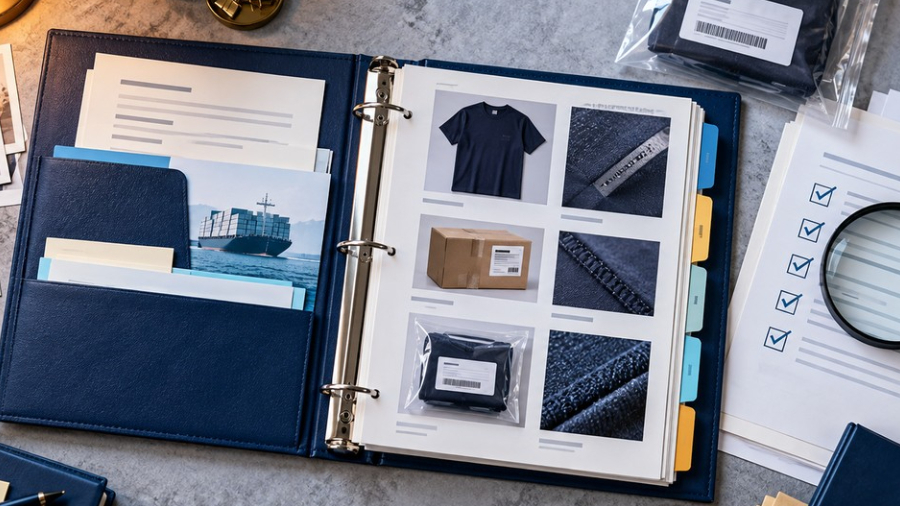
FBA shipping is an important logistics solution for e-commerce sellers who source products from China and sell in the U.S. market. With the right shipping plan, sellers can move inventory from factories in China to fulfillment warehouses in the USA more smoothly, reduce delays, and keep stock available for customers.
FBA freight forwarding from China is not only about booking transportation. It includes supplier pickup, shipment preparation, product labeling, carton labeling, customs clearance, import duty planning, warehouse delivery, and tracking. If any step is handled poorly, sellers may face receiving delays, extra charges, inventory shortages, or rejected shipments.
A professional shipping process helps sellers manage amazon freight service requirements, organize seller logistics, and build a repeatable fba shipping process. This guide explains how FBA shipping from China to the USA works, how to choose the right method, what costs to expect, and how to improve warehouse delivery efficiency.
How FBA Shipping Works from China to the USA
The basic FBA shipping process starts before goods leave the factory. Sellers need to confirm product quantity, packaging, carton dimensions, gross weight, labeling rules, and destination warehouse information.
The first step is shipment preparation. Products must be packed correctly, labeled properly, and matched with the shipping plan. Each carton should have accurate information, including SKU details, quantity, weight, and dimensions.
The second step is factory pickup or delivery to a preparation warehouse in China. If the supplier is experienced with FBA requirements, goods may ship directly from the factory. If not, using a prep warehouse can help check labels, repack cartons, inspect goods, and consolidate shipments.
The third step is choosing the shipping method. Sellers can use sea freight, air freight, or express shipping depending on shipment size, urgency, and budget.
The fourth step is export handling in China. This includes export documents, cargo handover, customs declaration, and loading for international transportation.
The fifth step is U.S. customs clearance. Import documents must be accurate, including commercial invoice, packing list, product description, declared value, and importer information.
The final step is warehouse delivery. After customs release, cargo is delivered to the assigned fulfillment warehouse by truck or parcel delivery. For larger shipments, delivery appointments, pallet requirements, and warehouse receiving rules may apply.
For stable fba freight forwarding from china, sellers should treat every shipment as a connected workflow, not a single freight booking.
Choosing the Right Shipping Method for FBA
The right shipping method depends on inventory urgency, cargo volume, cost per unit, and profit margin.
Sea Freight for Bulk Inventory
Sea freight is usually the most cost-effective option for large FBA shipments. It works well for planned restocking, stable product demand, and heavy or bulky cargo.
Advantages of sea freight include lower cost per unit, higher capacity, and better suitability for regular inventory replenishment. The main disadvantage is longer transit time.
Sea freight is best when sellers have enough time to plan production, export, ocean transit, customs clearance, inland trucking, and warehouse receiving.
For fba freight forwarding from china, sea freight is often the best choice for sellers who want to protect margins and avoid expensive emergency shipping.
Air Freight for Urgent Restocking
Air freight is faster than sea freight but more expensive. It is useful when inventory is running low, a product launch is coming soon, or a delay may cause lost sales.
Air freight is commonly priced by chargeable weight, so bulky but lightweight goods can become costly. Sellers should calculate the landed cost per unit before choosing air shipping.
A practical strategy is split shipping: send a small urgent batch by air and the main inventory by sea. This protects stock availability while controlling total freight expense.
Express Shipping for Samples and Small Shipments
Express shipping is suitable for samples, test orders, urgent small batches, or documents. It is convenient and fast, but usually expensive for larger shipments.
For long-term seller logistics, express should be used carefully. Once shipment volume grows, sellers should compare express with air freight or sea freight to avoid high per-unit shipping costs.
Cost Breakdown of FBA Shipping
FBA shipping costs include more than international freight. A complete budget should cover the full movement from China supplier to U.S. warehouse delivery.
Common cost items include:
product pickup from supplier
China warehouse handling
inspection or prep service
product labeling
carton labeling
export documentation
sea, air, or express freight
cargo insurance if needed
U.S. customs clearance
import duties and taxes
destination handling
inland trucking
warehouse delivery appointment
possible storage or rework charges
The biggest cost drivers are cargo volume, weight, shipping method, destination, packaging efficiency, and urgency.
Sea freight usually has the lowest cost per unit for large shipments, but it may include more handling and destination charges. Air freight is faster but more expensive. Express shipping is simple for small parcels but can become too costly for bulk inventory.
To optimize costs, sellers should calculate landed cost per unit. This includes product cost, freight, duty, prep, customs, delivery, and any extra handling. Comparing only the freight rate can lead to poor decisions.
Good fba freight forwarding from china should support cost control by helping sellers choose the right method, avoid unnecessary storage, consolidate cargo, and prepare shipments correctly before export.
Practical Tips for Efficient Warehouse Delivery
Warehouse delivery is one of the most important parts of the FBA shipping process. Even if cargo arrives in the USA on time, poor delivery planning can delay inventory receiving.
First, confirm the assigned warehouse destination before booking freight. Shipment plans can affect routing and delivery cost.
Second, make sure carton labels are correct and scannable. Poor labels may slow receiving and create extra work.
Third, verify box weight and dimensions. Incorrect carton data can create billing problems or receiving issues.
Fourth, plan palletization when needed. Large shipments may require pallet preparation, stretch wrapping, and pallet labels.
Fifth, arrange delivery appointments in advance if required. Missed appointments can cause waiting charges or rescheduling delays.
Sixth, track the shipment from pickup to final delivery. Sellers should monitor production completion, China export, international transit, customs clearance, and warehouse arrival.
Finally, keep records of every shipment. Tracking past costs, transit time, and receiving performance helps improve future seller logistics.
Common Mistakes in FBA Freight Forwarding
Many sellers make similar mistakes when shipping from China to U.S. fulfillment warehouses.
One mistake is waiting too long to arrange shipping. If logistics planning starts only after production is finished, sellers may have fewer shipping choices and higher costs.
Another mistake is using the wrong shipping method. Sending large low-margin cargo by air can reduce profit, while sending urgent inventory by sea may cause stockouts.
Some sellers rely completely on suppliers for FBA preparation without checking labels, carton information, or packaging quality. This can lead to receiving delays after delivery.
Customs preparation is another common issue. Vague product descriptions, incorrect values, or missing importer information can delay release.
Poor packaging also creates risk. Weak cartons may be damaged during international transit and warehouse handling.
Avoiding these mistakes makes fba freight forwarding from china more predictable and cost-effective.
Case Study: Split Shipping for Inventory Continuity
A seller had a fast-moving product nearly out of stock in the USA. The main production order was ready in China, but sea freight alone would not arrive in time.
Instead of shipping the full order by air, the seller used a split shipping strategy. A small portion was sent by air freight to cover short-term demand, while the remaining cargo moved by sea freight.
This reduced total freight cost while keeping inventory available. The seller avoided a stockout and protected margins at the same time.
The lesson: air freight can be used as a support tool, not necessarily the main shipping method.
Case Study: Better Prep Reduces Receiving Delays
Another seller shipped goods directly from the factory without checking carton labels carefully. Some labels were poorly placed, and several cartons had inconsistent SKU information. The shipment arrived at the warehouse but took longer to receive.
For the next shipment, the seller used a prep checklist before export. The process included product label checks, carton label checks, box dimension verification, packing photos, and document review.
The next delivery moved more smoothly, and receiving delays were reduced.
The lesson: shipment preparation directly affects warehouse delivery success.
Case Study: Consolidation Lowers FBA Costs
A seller purchased products from several factories in China and shipped each order separately. This created repeated pickup fees, multiple handling charges, and higher per-unit freight costs.
The seller later consolidated cargo at a China warehouse before export. The warehouse checked cartons, organized labels, and combined goods into one shipping plan.
This improved cost control and simplified tracking. Consolidation became part of the seller’s regular amazon freight service strategy.
How to Build a Better FBA Shipping Plan
A strong FBA shipping plan should include production timing, cargo data, shipping method, customs documents, delivery requirements, and cost tracking.
Sellers should prepare:
supplier contact details
factory pickup address
product quantity
carton dimensions
gross weight
labeling requirements
shipment plan details
commercial invoice
packing list
importer information
customs classification
delivery warehouse address
backup shipping option
cost estimate
A good cargo plan helps prevent urgent decisions. It also improves communication between the supplier, prep warehouse, freight forwarder, customs broker, and final delivery provider.
For repeat sellers, this process should become standardized. Each shipment should be reviewed after delivery to compare estimated cost, actual cost, transit time, and receiving performance.
Conclusion
FBA freight forwarding from China requires careful coordination from supplier pickup to warehouse delivery. Sellers must manage shipment preparation, freight method selection, customs clearance, import cost planning, and fulfillment warehouse requirements.
Sea freight is usually best for planned bulk inventory. Air freight is useful for urgent restocking. Express shipping works well for samples and small shipments. The best strategy often combines methods based on inventory needs and profit margins.
To ship efficiently, sellers should prepare accurate carton data, confirm labels, plan early, calculate landed cost, consolidate when possible, and track each shipment carefully. With a strong fba shipping process, sellers can reduce delays, control costs, and keep inventory flowing smoothly into U.S. fulfillment warehouses.
FAQ
What is the best shipping method for FBA freight forwarding from China?
Sea freight is usually best for large planned shipments. Air freight is better for urgent inventory. Express shipping is useful for samples and small batches.
How can sellers reduce FBA shipping costs?
Sellers can reduce costs by consolidating shipments, optimizing packaging, using sea freight for bulk cargo, avoiding last-minute air freight, and calculating full landed cost per unit.
Why is shipment preparation important for FBA?
Shipment preparation helps ensure products, cartons, labels, and documents are correct before export. Good preparation reduces receiving delays, rejected cartons, rework costs, and warehouse delivery problems.
 English
 Deutsch
 Português
 العربية
 中文
中文


 25 Sep